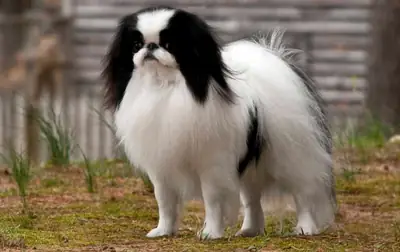
Japanese Chin Dog Breed: Characteristics, Care, Nutrition and Health Guide
The Japanese Chin is a rare and valuable dog breed originating from Japan, known for its elegant appearance, silky long coat, and royal heritage. This comprehensive guide provides detailed information for prospective owners about character analysis, growth charts, health risks, special care requirements, and lifestyle compatibility.
1. Breed Profile and History
- Origin: Japan, favorite dog of royal families since ancient times, brought from China and developed in Japan.
- Temperament: Elegant, gentle, calm, affectionate, clean, cat-like behaviors, good with children.
- Energy Level: Low; 15-20 minutes daily walking sufficient, excellent adaptation to apartment living.
- Distinctive Features: Silky long coat, flat face, large eyes, cat-like self-grooming, elegant gait.
- Size Category: Small dog; males 8-10 inches, females 8-10 inches at shoulder.
2. Growth and Weight Development
| Age | Male Weight | Female Weight | Height (Shoulder) | Key Notes |
|---|---|---|---|---|
| 8-12 weeks | 1.8-3.3 lbs (0.8-1.5 kg) | 1.5-2.9 lbs (0.7-1.3 kg) | 4-5 inches (10-12 cm) | Premium puppy formula, 4 meals daily, slow growth, coat not yet developed |
| 6 months | 4.4-7.7 lbs (2-3.5 kg) | 4-6.6 lbs (1.8-3 kg) | 6-7 inches (15-18 cm) | Coat development begins, eye care important, controlled exercise |
| 12 months | 6.6-11 lbs (3-5 kg) | 5.5-9.9 lbs (2.5-4.5 kg) | 8-9 inches (20-23 cm) | Transition to adult food, coat care critical, weight management |
| 18+ months | 6.6-13.2 lbs (3-6 kg) | 5.5-11 lbs (2.5-5 kg) | 8-10 inches (20-25 cm) | Physical maturity, coat fully developed, staying within ideal weight range |
Special Note: Japanese Chin puppies are born very small and grow slowly. Coat development completes between 12-18 months. Each Japanese Chin's coat pattern is unique.
3. Pricing and Lifetime Costs
- Puppy Price (US): $2,500 – $6,000 from health-tested, reputable breeders (rare breed). Prices vary by region and bloodline.
- Monthly Maintenance: $250 – $400 for premium food, professional coat grooming, eye care products, veterinary checkups.
- Initial Investments: Professional coat care kit ($300), eye care products ($150), specialized brushes ($120), eye examination ($180).
- Insurance: Annual premiums $500 – $900 covering eye conditions, breathing problems, heart conditions, and emergency procedures.
- Special Health Expenses: Eye surgeries ($1,000 – $2,500), breathing surgeries ($1,200 – $3,000).
4. Nutrition and Dietary Management
Japanese Chins require a low-calorie, high-quality diet due to their small size and low activity level. Portion control is critically important.
4.1 Daily Nutritional Breakdown
| Nutrient Category | Percentage | Examples | Benefits |
|---|---|---|---|
| High-quality protein | 24-26% | Fish, turkey, eggs, low-fat chicken | Muscle maintenance, coat quality, energy |
| Complex carbohydrates | 28-32% | Brown rice, oats, sweet potato | Energy, digestive health, satiety |
| Healthy fats | 10-12% | Fish oil, flaxseed, sunflower oil | Coat luster, skin health, immunity |
| Fiber and vegetables | 8-10% | Carrots, zucchini, green beans, broccoli | Gut health, vitamin support, weight control |
| Specialized supplements | 5% | Omega-3, probiotics, eye health supports, biotin | Coat quality, eye health, immunity |
Feeding Schedule: Two meals daily for adults, 3-4 meals for puppies. Small portions, slow eating important.
Critical Warning: Excess weight worsens breathing and joint problems in Japanese Chins. Portion control and regular weight monitoring essential.
4.2 Breed-Specific Feeding Guidelines
- Small Portions: Small amounts but nutritious meals preferred due to small size.
- Slow Feeding: Special slow-feeder bowls should be used; rapid eating can trigger breathing problems.
- Coat Health: High omega-3 content foods recommended; supports silky coat structure.
- Hydration: Adequate water consumption should be ensured; especially critical in hot weather.
- Avoid: Excessive protein, high-calorie treats, large portions.
5. Coat Care and Grooming
The Japanese Chin's silky, long coat structure requires special care. Regular brushing is vital for coat health and appearance.
5.1 Daily and Weekly Care Routine
- Brushing: Minimum 3-4 times weekly with thorough sessions; daily brushing essential during shedding season.
- Bathing: Monthly or as needed; special shampoo for silky coat should be used, coat completely dried.
- Eye Care: Daily eye area cleaning; regular care critical due to large eyes.
- Ear Care: Weekly inspection and cleaning; infection risk low but regular check important.
- Nail Trimming: Every 2-3 weeks; small nails should be trimmed carefully.
5.2 Professional Grooming
- Professional coat care 2-3 times annually recommended, especially during heavy shedding periods.
- Coat trimming generally not needed; natural length should be maintained.
- Facial hair should be regularly kept away from eyes.
6. Eye Health and Special Care
The Japanese Chin's large, prominent eyes require special care. Eye problems are common and regular monitoring essential.
- Daily Cleaning: Eye area should be cleaned daily; eye discharge and stains should be removed.
- Common Problems: Corneal ulcers, dry eye, glaucoma, cataracts; regular veterinary checkups critical.
- Prevention: Keeping facial hair away from eyes, regular eye cleaning, veterinary checkups.
- Emergencies: Eye redness, excessive watering, eye closure, vision loss symptoms require immediate veterinary intervention.
- Eye Drops: Eye drops can be used with veterinarian recommendation; especially in dry eye conditions.
7. Respiratory Health
Japanese Chins have mild breathing sensitivity due to flat face structure. Special precautions may be needed.
- Common Symptoms: Mild snoring, breathing difficulty, rapid fatigue.
- Prevention: Weight control, cool environments, controlled exercise, regular veterinary checkups.
- Exercise: Short, controlled walks; exercise should not be done during hot hours.
- Climate Control: Air-conditioned environments recommended; should be cautious in hot weather.
8. Training and Socialization
Japanese Chins are intelligent and eager to learn. Gentle and patient training approach essential.
- Early Socialization: Critical period between 8-16 weeks; expose to various people, animals and environments.
- Training Approach: Positive reinforcement, short and gentle sessions; harsh discipline methods backfire.
- Basic Commands: Sit, stay, come, no; effective in 10-15 minute daily sessions.
- House Training: Requires patience and consistency; should start at early age.
- Child Interaction: Can be compatible with children; however, gentle behavior required.
- Cat-Like Behaviors: Self-grooming, cleanliness-focused behaviors are normal.
9. Health Risks and Prevention
9.1 Genetic and Common Health Conditions
- Eye Problems: Corneal ulcers, dry eye, glaucoma, cataracts; regular eye examinations critical.
- Breathing Problems: Mild brachycephalic syndrome; snoring, breathing difficulty may occur.
- Heart Problems: Mitral valve disease; may occur in some individuals, regular veterinary checkups recommended.
- Patella Luxation: Kneecap dislocation; common in small breeds, regular monitoring important.
- Dental Problems: Tooth decay due to small mouth structure; regular dental care essential.
- Obesity: Risk due to low activity; weight control critically important.
9.2 Veterinary Care Schedule
- Puppy Stage: Vaccination protocol (DHPP, rabies), parasite control, eye examination, heart check.
- Annual Checkups: Comprehensive physical exam, eye examination, heart check, dental check, weight monitoring.
- Specialized Testing: Eye examination, heart echocardiogram (if needed), patella check.
- Emergency Signs: Eye problems, inability to breathe, excessive weakness, appetite loss require immediate intervention.
10. Lifestyle and Environmental Compatibility
- Home Living: Excellent adaptation to apartment living; can be happy in small spaces due to low activity needs.
- Climate Sensitivity: Sensitive to hot weather; air-conditioned environments recommended, should be cautious during hot hours.
- Family Fit: Ideal for calm families; compatible with children, elderly, and other pets.
- Alone Time: Tolerant of solitude; however, more than 6-8 hours not recommended.
- Urban Living: Excellent adaptation to city life; can be happy in apartments, houses, or small yard homes.
- Exercise Needs: 15-20 minutes of daily short walks sufficient; does not enjoy high-energy activities.
11. Frequently Asked Questions
Why are Japanese Chins so expensive?
High prices due to being a rare breed, high demand, health testing, and breeding difficulties. Puppies from healthy parents are more expensive.
How difficult is coat care?
Requires brushing at least 3-4 times weekly due to silky long coat structure. Manageable with regular care.
How common are eye problems?
Eye problems common due to large eye structure. Regular eye cleaning and veterinary checkups critical.
Are they good with children?
Yes, can be compatible with children. However, gentle behavior required; should be cautious with small children.
How much exercise do they need?
15-20 minutes of daily short walks sufficient. Has low energy level.
Do they behave like cats?
Yes, self-grooming, cleanliness-focused behaviors and elegant movements are cat-like characteristics.
Are they suitable for apartment living?
Yes, excellent adaptation to apartment living. Ideal due to low activity needs and calm temperament.
12. Conclusion and Recommendations
The Japanese Chin is an ideal breed for apartment living with its elegant appearance, silky coat, and calm temperament. With proper ownership, regular coat care, eye health monitoring, weight control, and preventive health approach, they can enjoy long, happy lives. This breed is an excellent choice for families seeking a dog that adapts to city life, has low activity needs, and is elegant. They form excellent bonds with owners who can dedicate time to coat care, regularly monitor eye health, and show gentle behavior.