Free Japanese Chin for Adoption
There are 8 Japanese Chin listings live right now, last updated 3 weeks ago. This UK page is for Jap... There are 8 Japanese Chin listings live right now, last updated 3 weeks ago. This UK page is for Japanese Chins being rehomed free of charge. Adverts may feature puppies, adults or crosses, with locat... There are 8 Japanese Chin listings live right now, last updated 3 weeks ago. This UK page is for Japanese Chins being rehomed free of charge. Adverts may feature puppies, adults or crosses, with location and household requirements helping you decide which enquiries are realistic. Availability for this uncommon breed can be limited, so check each profile before assuming the dog is still accepting enquiries. Petopic displays the adverts but does not own the dogs or arrange the handover.
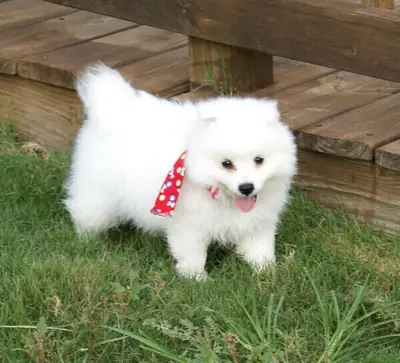
Japanese Splitz puppies

Щенки японского шпица ищут новый дом

Elegant Japanese Chin for Adoption

The Japanese Chin is a refined and affectionate companion.

Rare Breed Shikoku Adoption

AKC Registered Japanese Spitz Puppies

akc Reg Japanese spitz puppies
Haven't found the pet you're looking for? Let people who want to find a new home for their pet reach out to you.
Create your free pet adoption request listing now and be seen by thousands of pet owners.
While waiting for answers from pet friends, would you like to support homeless street animals?
At petopic, every pet friend who completes daily tasks means 1 bowl of food donated to a street animal. You can view your daily tasks from your profile.
Japanese Chin Dog Breed: Characteristics, Care, Nutrition and Health Guide
Comprehensive Japanese Chin breed guide covering personality traits, weight chart, pricing, feeding plans, coat grooming, eye health, training tips and lifestyle compatibility.
Popular Searches
Japanese Chin adoption
People searching for Japanese Chin adoption are usually not just looking for any small dog. They want a companion with a softer home rhythm, a more refined personality, and the unusual cat like charm that makes this breed feel different from louder or busier toy breeds.
The strongest content under this heading helps the visitor judge fit fast. Good listings should make temperament, coat condition, eye area care, indoor routine, and confidence level easy to scan, because those details matter far more here than generic praise ever will.
Japanese Chin rescue near me
This search comes from users who want a realistic local option, not a page full of dogs they can admire but never actually pursue. They want nearby rescue listings, visible location details, and a quick way to decide whether the dog is close enough to contact now.
The most useful content here makes region, travel expectations, and any local adopter preference clear from the start. That turns search traffic into serious enquiries instead of weak clicks.
free Japanese Chin rehoming
This phrasing usually signals direct owner to owner intent. The visitor wants to know why the dog is being placed, what the current routine looks like, and whether the Japanese Chin is the kind of dog that needs a very calm, people focused home rather than a constantly changing environment.
A strong section here should highlight the real life picture. With this breed, that means how the dog behaves indoors, how attached it is to people, how it handles grooming and daily care, and whether the owner is hoping for a quieter home with predictable routines.
adopt a Japanese Chin
This is action intent. The visitor already knows the breed and wants a page that helps them move from search to shortlist without digging through filler that says little about the dog itself.
The best content here should stay practical. Show current dogs, keep availability feeling live, and surface the details that genuinely affect a Japanese Chin match, such as home quietness, closeness to people, grooming reality, and whether the dog looks like a settled lap companion or a more sensitive little observer.
Japanese Chin for adoption near me
This search is heavily location led. The user is trying to find which Japanese Chins are close enough to meet, reserve, or start an adoption conversation about without getting lost in broad national results.
The strongest content for this heading keeps local relevance high while still showing the dog’s actual temperament and care needs. A short journey helps, but with this breed the right home atmosphere matters just as much as distance.
senior Japanese Chin adoption
Some adopters search for senior Japanese Chin on purpose because they want a calm companion with a known personality rather than a young dog who is still changing. Older Chins can appeal strongly to people who want a gentle indoor dog with a more settled routine.
The best listings here should show health basics, mobility, grooming tolerance, comfort indoors, and the kind of home that gives the dog the best chance of staying relaxed and secure. For senior dogs, clarity converts better than emotional padding.
adult Japanese Chin rescue
This search usually comes from adopters who do not want the uncertainty of a puppy. They are looking for an adult Japanese Chin because adulthood gives a much clearer read on confidence, home manners, neediness, and whether the dog truly fits a quieter companion role.
A useful section here should focus on what is already known. Does the dog settle easily indoors, enjoy human company without panic, tolerate brushing and routine care, and manage short walks comfortably? That is the information serious adopters want.
Japanese Chin apartment dog adoption
People searching this are not just asking whether the breed is small enough for a flat. They want to know whether a Japanese Chin can genuinely thrive in an indoor home with close daily companionship, moderate exercise, and a calmer pace of life.
This heading works best when listings explain indoor routine, noise level, comfort with stairs or lifts if relevant, and whether the dog settles nicely between short walks and normal home activity. Apartment fit is about daily lifestyle, not just body size.
Japanese Chin foster home adoption
This search reflects rescue aware intent. The visitor knows foster based dogs often come with much better day to day information than dogs described only from intake notes or a short shelter stay.
A good section here should explain what foster care has already revealed, such as how the dog behaves in the house, whether it likes to stay close to people, how it handles brushing, and whether it settles into a steady indoor rhythm without much difficulty.
Japanese Chin rescue application
This search comes from people who understand that rescue often involves more than a casual message. They want to know whether the process includes an application, home matching, or a waiting period before they emotionally invest in a specific dog.
The strongest content here makes that path feel clear instead of vague. If the rescue uses forms, screening, or careful matching, the visitor should understand that early so the page attracts serious adopters rather than low intent clicks.
house-trained Japanese Chin adoption
This is a practical filter based search. The visitor already likes the breed, but wants less uncertainty around daily life and is trying to find a Japanese Chin with known indoor habits and a manageable transition into the home.
The best content here should say clearly whether the dog is house-trained, pad-trained, crate-trained, or still learning. Honest detail improves the quality of enquiries and filters out people chasing a fantasy version of the breed.
Japanese Chin mix adoption
Some adopters are open to Japanese Chin mixes as long as the dog still fits the small companion profile they want. That is why mix related intent often sits close to purebred adoption intent instead of behaving like a completely separate path.
This heading works best when the page clearly says whether the dog is a Japanese Chin mix, what the known mix is if available, and whether the dog’s temperament and home needs still align with what a Chin focused adopter is likely to want.
Japanese Chin available for adoption
This is immediate listing intent. The visitor does not want a breed essay. They want to know which Japanese Chins are currently available and which listings are still worth opening right now.
The strongest content for this heading emphasises live availability, current location, and whether the dog is ready for contact now. When availability is obvious, the page becomes far more useful and easier to trust.
Frequently Asked Questions
What makes a Japanese Chin different from many other toy breeds?
Japanese Chins are often chosen by people who want a companion dog with a lighter, quieter, more observant kind of presence. They are small and affectionate, but the appeal is not just size. It is the breed’s graceful, home centred style and the unusual cat like feel many owners notice very quickly.
That is why a strong listing should do more than describe looks. It should explain how the dog behaves indoors, how close it likes to stay to people, and whether it suits a calm home better than a busy one.
Are Japanese Chins really cat like in the home?
Many people describe them that way because the breed often feels more delicate, clean, observant, and home focused than people expect from a toy dog. Some are happiest close to their person, some like to perch up high, and many carry themselves with a calmer sort of charm.
That does not mean every Japanese Chin behaves the same way, which is why listing detail matters. The best pages explain the individual dog’s real home habits instead of leaning on cute stereotypes alone.
Do adopted Japanese Chins need heavy grooming?
They do need regular coat care, but the practical reality is often more manageable than people assume when they first see the breed’s silky coat. What matters most is consistency, not panic. A Japanese Chin does best when brushing and basic upkeep are kept routine instead of left until the coat looks neglected.
The strongest listings should mention coat condition, eye area cleanliness, and whether the dog is comfortable being brushed and handled. Those details tell an adopter much more than a simple statement that the dog has a beautiful coat.
Is a Japanese Chin well suited to indoor living?
Often yes, and that is a big part of why the breed attracts people looking for a close companion rather than an all day outdoors dog. Many Japanese Chins thrive in homes where they can stay near their people, enjoy short outings, and settle back into a comfortable indoor routine.
That said, a good page should still explain the individual dog’s rhythm. Indoor suitability depends on temperament, confidence, and routine, not on breed reputation alone.
Do flat faced Japanese Chins need extra care in warm weather?
That can matter with this breed, so weak listings should not gloss over it. If a Japanese Chin needs a sensible approach to heat, longer walks, or breathing comfort, the new home should understand that before making contact.
The best listings keep this practical instead of dramatic. They explain how the dog handles normal exercise, outdoor time, and warmer conditions so adopters can judge whether their routine really matches the dog’s needs.
Are adult and senior Japanese Chins common on adoption and rehoming pages?
Yes, and many adopters actively prefer them. An adult or older Japanese Chin often comes with a clearer sense of personality, home manners, and daily rhythm than a very young dog.
That can make matching easier, especially for people who want a settled companion rather than a puppy project. Age specific listings are most useful when they explain what the dog already knows and what kind of home keeps it comfortable.
What should a strong Japanese Chin adoption listing include?
A strong listing should do more than say the dog is sweet and needs a loving home. It should clearly show age, sex, location, coat condition, home routine, health basics, and the sort of environment that gives the dog the best chance of settling well.
For this breed, the best listings also mention how the dog behaves indoors, how it handles grooming, whether it likes staying close to people, and whether it seems best suited to a quieter home. That level of detail turns page visits into serious enquiries.
Are foster based Japanese Chin listings useful?
Very often, yes. Foster care can reveal what a Japanese Chin is really like in everyday life, which is far more useful than a short description written at intake.
That is why foster based listings can be especially strong for this breed. They can explain whether the dog settles easily, enjoys lap time, tolerates brushing, reacts to visitors calmly, and fits naturally into ordinary home routines.
Do some Japanese Chin rescues use applications or waiting lists?
Yes, that is common enough that many adopters search for it directly. Breed rescue can be more structured than casual browsing, especially when foster homes and careful matching are involved.
That is why pages work better when they explain the process early. Visitors want to know whether they can enquire straight away, whether an application comes first, or whether they may need to wait for the right Japanese Chin rather than choose from a large always live selection.
Can I find Japanese Chin mixes on the same kind of adoption page?
Yes, and many adopters are open to that as long as the dog still matches the small companion lifestyle they were hoping for. Mix listings often sit close to purebred listings because the user intent is still strongly related.
The key is clarity. A useful listing should say whether the dog is a Japanese Chin mix, what the known mix is if available, and whether the dog’s temperament and home needs still align with what someone searching specifically for a Japanese Chin is likely to want.