Nureongi (Korean Yellow Dog): Complete Guide to Traits, Care, Nutrition and Training
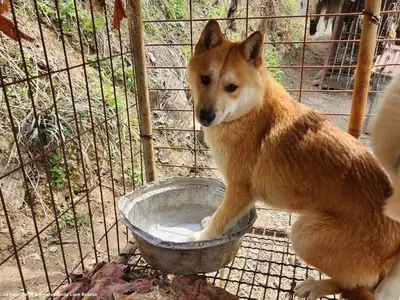
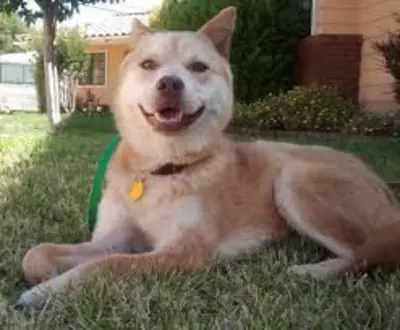
The Nureongi (누렁이), meaning "yellow/brown" in Korean, is one of Korea's native dog breeds. This strong, independent, and loyal dog is a landrace breed that has developed naturally over thousands of years in Korea's rural regions. Noted for its intelligent, adaptable, and work-oriented character, the Nureongi can become an excellent family companion with proper training and care. This comprehensive guide provides all essential information for prospective and current Nureongi owners.
1. Breed Profile and Characteristics
- Origin: Korea, rural regions; native landrace breed developed naturally through thousands of years of natural selection.
- Temperament: Independent, intelligent, loyal, protective, cautious with strangers, deeply devoted to family, sometimes stubborn.
- Energy Level: Moderate to high; requires 45-60 minutes of daily physical activity and mental stimulation. Particularly active and energetic during youth.
- Activity Preferences: Walking, running, mental games, task-oriented activities, exploration and discovery.
2. Size, Weight and Growth Chart
| Age | Male Avg. Weight | Female Avg. Weight | Height (Shoulder) | Critical Notes |
|---|---|---|---|---|
| 2-3 months | 9-15 lbs (4-7 kg) | 7-13 lbs (3-6 kg) | 10-12 inches (25-30 cm) | High-quality puppy food, 3-4 meals/day, balanced growth formula |
| 6 months | 22-31 lbs (10-14 kg) | 20-29 lbs (9-13 kg) | 15-18 inches (38-45 cm) | Controlled exercise, joint development monitoring, weight management |
| 12 months | 35-48 lbs (16-22 kg) | 31-44 lbs (14-20 kg) | 19-23 inches (48-58 cm) M, 18-22 inches (46-56 cm) F | Transition to adult food, approaching physical maturity |
| 18+ months | 40-55 lbs (18-25 kg) | 33-51 lbs (15-23 kg) | 20-24 inches (50-61 cm) M, 19-23 inches (48-58 cm) F | Physical maturity reached, routine maintenance and conditioning |
Important Note: As a landrace breed, Nureongi can have wide size and weight ranges. When selecting a puppy, consider the size of the parents.
3. Pricing and Lifetime Costs
- Puppy Price (US): $500 – $1,200 from registered breeders with health screening. Korea: 300,000 – 800,000 KRW; international rescue organizations may have adoption options.
- Monthly Care Costs: $120 – $200 for premium food, supplements, veterinary care, grooming supplies.
- First Year Investments: Training and socialization courses ($250-400), comprehensive health screening ($150-250), quality accessories ($100-150), genetic testing ($130-200).
- Annual Insurance: $180 – $360/year covering health insurance, hip dysplasia, emergencies.
4. Nutrition Strategy and Diet Planning
The Nureongi is an active and work-oriented dog. High-quality protein and balanced macronutrients are needed to support muscle maintenance and moderate-high activity levels.
4.1 Daily Macronutrient Distribution
| Nutrient Group | Percentage | Quality Sources | Physiological Benefits |
|---|---|---|---|
| High-Quality Animal Protein | 24-28% | Chicken, turkey, fish, eggs | Muscle development and maintenance, immune function, tissue repair |
| Complex Carbohydrates | 28-32% | Brown rice, sweet potato, oats, vegetables | Sustained energy, glycogen stores, digestive health |
| Healthy Fats | 12-15% | Fish oil (EPA/DHA), flaxseed, sunflower oil | Skin-coat quality, brain health, immune system |
| Fiber and Prebiotics | 8-10% | Pumpkin, carrots, leafy greens, probiotic supplements | Gut microbiome, digestive regularity, satiety |
| Functional Supplements | 3-5% | Omega-3/6 fatty acids, vitamins, minerals | General health support, skin-coat maintenance |
Feeding Schedule: Adults: 2 meals daily (morning-evening); puppies: 3-4 meals (8 weeks-6 months); adolescents: 3 meals (6-12 months). Portion control is important—avoid overfeeding.
4.2 Life Stage Specific Nutrition Tips
- Puppy Stage (2-12 months): High-quality puppy formula, balanced calcium/phosphorus ratio, DHA supplementation, controlled growth.
- Adult Stage (1-7 years): Active dog formula, high protein content, weight management, conditioning monitoring.
- Senior Stage (7+ years): Digestibility-focused formula, joint-protective supplements, antioxidant-rich content.
4.3 Special Diet Recommendations
- Sensitive Stomach: Limited-ingredient formulas, single protein source, grain-free or low-grain options.
- Allergy Management: Hypoallergenic protein sources (duck, fish), elimination diet protocol.
- Weight Management: Low-calorie formulas, measured portions, supported with regular exercise.
5. Training and Socialization Strategy
The Nureongi is an independent and intelligent dog. Harsh training methods can backfire. Positive reinforcement, patience, consistency, and clear boundaries are critical.
5.1 Puppy Socialization (8-16 Weeks)
- Controlled exposure to different human types (children, elderly, diverse cultures).
- Various environments (urban, rural, vehicles, noisy areas, crowded places).
- Early introduction to other animals (dogs, cats—under careful supervision).
- Different surfaces, sounds, and visual stimuli.
- Preventing fear and territorial behavior through positive experiences.
5.2 Basic Obedience Training
- Commands: Sit, stay, come, place, drop it, no. Short, consistent sessions (15-20 minutes).
- Method: Positive reinforcement (rewards, praise, play), clicker training, patience and consistency. Never use harsh corrections.
- Timing: Begin at 8-10 weeks, continue for life. Basic commands in early age are critical.
- Leadership: Show clear rules and consistent leadership; mixed signals can be confusing due to independent instincts.
5.3 Mental Stimulation and Activities
- Mental Games: Puzzle toys, scent work, hidden reward games.
- Task-Oriented Activities: Agility, rally obedience, task-based games, participation in daily chores.
- Physical Activity: Daily minimum 45-60 minutes of structured activity (walking, running, play).
- Social Skills: Regularly introduce to new people (in controlled environments), maintain social compatibility.
6. Health Management and Genetic Risks
6.1 Genetic and Congenital Disorders
- Hip Dysplasia: Moderate risk. Regular veterinary monitoring, weight management, controlled exercise important. Check parent health tests when selecting puppies.
- Skin Conditions: Allergies, parasite loads (especially in rescue dogs), regular skin checks and care.
- Dental Disease: Tartar, periodontal disease risk; daily brushing and regular veterinary check-ups recommended.
- Orthopedic Issues: Weight management and avoiding excessive exercise, especially careful during growth period.
6.2 Lifetime Health Schedule
- Puppy Stage: Vaccination schedule (core, rabies), parasite control, first comprehensive check-up, growth monitoring.
- Adult Stage: Comprehensive exams twice yearly, annual blood profile, urinalysis, dental cleaning, weight management.
- Senior Stage: Exams every 6 months, comprehensive lab tests, joint assessment, vision-hearing tests.
6.3 Preventive Care Protocols
- Dental Health: Daily brushing (if possible), weekly dental chews, annual professional cleaning.
- Ear Care: Weekly inspection and cleaning, watch for infection signs.
- Nail Care: Trim every 2-3 weeks, monitor natural wear.
- Skin and Coat Care: Regular inspection, seasonal shedding management, parasite prevention.
7. Coat Care and Grooming
The Nureongi's short-medium length, dense double coat is weather-resistant. Colors range from yellow-cream-golden tones.
- Brushing: 1-2 times weekly with thick comb or brush, remove dead hair. More frequent brushing may be needed during seasonal shedding periods (spring-fall).
- Bathing: As needed (every 2-4 weeks or when dirty), mild dog shampoo, eye and ear protection, thorough drying.
- Seasonal Care: Heavy shedding in spring and fall, daily brushing, skin health checks.
- Coat Health: Omega-3/6 fatty acid supplementation, balanced nutrition, regular grooming routine.
8. Lifestyle and Family Integration
8.1 Home Environment Requirements
- Space: House with yard or regular access to open areas preferred. Apartment living possible but daily exercise and open space access mandatory.
- Security: Secure fenced yard, escape prevention, secure door locking systems.
- Indoor: Comfortable bed area, clean water access, temperature control, toys for mental stimulation.
8.2 Family and Child Relationships
- Children: Good compatibility with children with proper socialization. Should be supervised.
- Other Animals: Early socialization critical; controlled introduction to other dogs and cats recommended.
- Strangers: Balanced behavior with socialization, protective but not aggressive nature, loyal to family.
8.3 Special Situations: Rescue Dogs
- Rescue Dogs: Many Nureongis are adopted through rescue organizations. May show fear, trauma, or neglect signs initially. Requires patience and understanding.
- Adjustment Period: Adaptation to new environment may take time. Regular routine, positive reinforcement, and veterinary check-ups important.
- Socialization: If socialization started late, apply slow and controlled approach.
9. Frequently Asked Questions
Are Nureongis suitable for apartment living?
Possible if exercise and mental stimulation needs are met, but house with yard preferred. Daily 45-60 minutes of structured activity and open space access are mandatory.
How much exercise do they need?
Requires daily minimum 45-60 minutes of physical activity (walking, running, play) and mental stimulation. More activity recommended for energetic dogs.
Are they good with children?
Yes, with proper socialization and training, they can form good relationships with children. Should be supervised.
Can they be left alone?
Suitable for moderate periods (4-6 hours). For longer periods, dog sitters, daycare, or interactive toys recommended. Boredom can lead to problem behaviors.
What health problems do they have?
Relatively healthy breed but hip dysplasia, skin conditions (especially in rescue dogs), dental disease may occur. Regular veterinary check-ups recommended.
Is training difficult?
Requires patience due to independent and sometimes stubborn nature. Positive reinforcement methods effective. Harsh training methods can backfire. Consistency and clear boundaries important.
10. Conclusion and Recommendations
The Nureongi is suitable for active, patient, and consistent owners. This intelligent, independent, and loyal breed becomes the family's most trusted companion with the right approach. Early socialization, consistent training, balanced nutrition, regular health check-ups, and adequate physical/mental activity will ensure your Nureongi enjoys a long, healthy, and happy life. If considering adopting a Nureongi, we recommend evaluating rescue organizations and carefully reviewing the dog's health history.