Free Nureongi for Adoption
There are 2 Nureongi listings live right now, last updated 13 Feb 2026. Free Nureongi adoption listi... There are 2 Nureongi listings live right now, last updated 13 Feb 2026. Free Nureongi adoption listings in the United Kingdom can be viewed here when a Korean yellow dog needs a new home. Each advert ... There are 2 Nureongi listings live right now, last updated 13 Feb 2026. Free Nureongi adoption listings in the United Kingdom can be viewed here when a Korean yellow dog needs a new home. Each advert should introduce the dog itself, including its location, age, background and present routine, rather than relying on a broad breed description. Some may be listed as Korean rescue dogs or mixed breeds instead of Nureongi, so read the full profile carefully. Contact the person responsible to confirm the details and understand how the rehoming process will work.
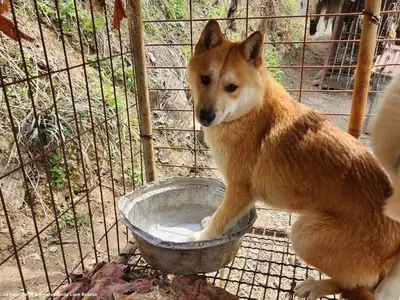
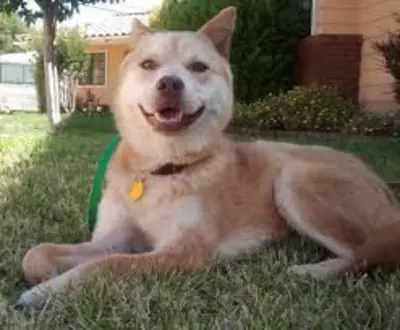
Haven't found the pet you're looking for? Let people who want to find a new home for their pet reach out to you.
Create your free pet adoption request listing now and be seen by thousands of pet owners.
While waiting for answers from pet friends, would you like to support homeless street animals?
At petopic, every pet friend who completes daily tasks means 1 bowl of food donated to a street animal. You can view your daily tasks from your profile.
Nureongi (Korean Yellow Dog): Complete Guide to Traits, Care, Nutrition and Training
Comprehensive Nureongi (Korean Yellow Dog) guide covering breed characteristics, temperament, weight chart, pricing, nutrition plans, health risks, training methods and daily care requirements.
Popular Searches
Nureongi dog adoption
Nureongi dog adoption listings should explain the dog’s real daily behaviour instead of relying on the name alone. A strong listing should describe house routine, walking style, response to handling, confidence around people, and whether the dog settles calmly indoors or stays highly alert to sound, movement, and changes in the home.
The best Nureongi adoption adverts also make the home fit clear. Useful details include house-training progress, comfort with touch, other pets, and whether the dog needs a slower transition after rescue so adopters can judge the match before making contact.
Korean yellow dog adoption
Korean yellow dog adoption should give more than coat colour and origin. A useful listing should show what the dog is like in ordinary life, including temperament, energy after walks, family interaction, comfort with handling, and whether the dog is easy to settle into a home routine or still building confidence after rescue.
The strongest adverts under this heading balance appearance with practical value. A yellow coat may bring the first click, but adopters make decisions from behaviour, house manners, and whether the dog’s emotional style matches their home.
Nureongi rescue dogs
Nureongi rescue dogs should be described through real behaviour, not soft emotional filler. A strong rescue listing should explain how the dog behaves on walks, how quickly it settles after exercise, whether handling is easy or still being built, and how the dog responds to visitors, new spaces, and normal household activity.
The best rescue adverts also show routine, confidence level, and the kind of adopter being sought. When a Nureongi listing clearly explains what the dog is like in everyday life, the enquiries are usually more serious and much better matched.
Nureongi mix adoption
Nureongi mix adoption listings should say exactly what the dog is like instead of leaning too hard on the mix label alone. A good advert should describe size, coat, confidence, leash behaviour, house-training, sociability, and whether the dog shows a softer companion temperament or a more watchful, independent rescue-dog profile.
The strongest Nureongi mix adverts help adopters judge daily life, not just identity. If the dog is calm indoors, shy at first, dog-friendly, cat-untested, or best suited to a quieter home, those details should be easy to spot from the start.
Nureongi rescue from Korea
Nureongi rescue from Korea should make the transition picture clear. A strong listing should explain whether the dog has arrived recently or has already adjusted in foster care, what routine the dog knows, how it handles transport and new environments, and whether it needs patient decompression before showing its full personality.
The best adverts under this heading also explain practical readiness. Vaccination status, spay or neuter status where relevant, home routine, and the dog’s comfort with people and indoor life all matter more than a dramatic backstory on its own.
Nureongi puppy adoption
Nureongi puppy adoption listings should answer the questions that shape the first months of ownership: age, feeding routine, toilet progress, sleep pattern, socialisation, handling confidence, lead introduction, and how the puppy responds to new people, sounds, and environments. For a Nureongi puppy, routine and confidence-building matter much more than generic praise.
The strongest puppy adverts also explain what the next home will need to continue. If the puppy is gentle, observant, energetic, or still building confidence with handling and indoor life, that should be written clearly so enquiries come from homes prepared for real puppy development.
Adult Nureongi for adoption
Adult Nureongi for adoption is often the better route for people who want a clearer picture of established temperament. An adult Nureongi listing can usually say much more about house manners, leash behaviour, confidence, handling, other dogs, and whether the dog relaxes well indoors after exercise.
A strong adult advert should also show how the dog fits into real home life. If the dog is affectionate once settled, shy at first, easy in routine, or more comfortable in a quieter environment, those details are much more valuable than a short personality label.
Shy Korean rescue dog adoption
Shy Korean rescue dog adoption should describe the dog’s confidence honestly and specifically. A useful Nureongi listing should explain whether the dog avoids strangers at first, accepts touch after a slow introduction, startles at sudden noise, or begins to relax once routine becomes predictable.
The best shy-dog adverts also show what progress already exists. If the dog now walks well outside, sleeps calmly indoors, approaches familiar people, or is learning to enjoy affection, those details help adopters understand whether the dog needs patience, experience, or simply time and consistency.
House-trained Nureongi
House-trained Nureongi should focus on practical routine, not just a single label. A strong listing should explain whether the dog is reliable overnight, follows a toilet schedule, asks to go out, uses pee pads, and how it manages feeding, rest, and alone time inside the home.
The most useful adverts also make the limits clear. A rescued Nureongi may be mostly house-trained and still need adjustment after a move, so clear wording about consistency, accidents, and the routine that currently works gives adopters a much more realistic picture.
Nureongi good with other dogs
Nureongi good with other dogs needs a real history-based answer, not a generic promise. A useful listing should explain whether the dog has lived with another dog, how introductions are handled, whether it prefers calm companions, and how it reacts to unfamiliar dogs on walks or around personal space.
The strongest adverts also mention whether the dog relaxes around known canine company indoors, needs slower introductions, or would simply do better as the only dog in the home. Those details improve match quality immediately.
Nureongi good with cats
Nureongi good with cats should only be written when there is real evidence behind it. A good advert should explain whether the dog has lived with indoor cats, ignored them after proper introductions, needed supervision, or shown too much interest in small fast-moving animals to be trusted safely.
The most useful listings also make limits clear. A Nureongi may cope well with confident resident cats indoors and still be unsuitable for kittens, outdoor cats, or other small pets. Clear wording protects both the dog and the home it is moving into.
Gentle Korean rescue dog adoption
Gentle Korean rescue dog adoption should show what gentleness looks like in real life. A strong Nureongi listing should explain whether the dog is soft with familiar people, calm in the home, comfortable with quiet affection, and able to settle beside the family without needing constant stimulation.
The best adverts under this heading also stay honest about transition. A gentle Nureongi may still be cautious at first, need a slower introduction to visitors, or take time before showing affection consistently, and those details help the right adopter prepare well.
Frequently Asked Questions
What does Nureongi usually mean on English-language adoption pages?
On many English-language adoption pages, Nureongi usually refers to a Korean yellow dog type rather than a tightly standardised show-breed label. That is why listings often focus more on the individual dog’s temperament, confidence, coat, and rescue background than on a rigid breed profile.
For adopters, the useful question is not whether the label sounds formal, but whether the advert clearly explains what the dog is like in daily life and what kind of home will genuinely suit it.
What should you check first before adopting a Nureongi from this page?
The first thing to check is whether the listing explains the Nureongi’s real daily behaviour instead of only praising the dog or focusing on the rescue story. Useful details include house routine, response to people, leash manners, confidence level, other-pet history, and whether the dog needs a patient adjustment period in a new home.
A strong Nureongi adoption listing should also make the home match clear. This kind of dog often does best when the adopter understands decompression, consistency, and the difference between a sweet dog and a fully settled dog.
Why do many Nureongi listings also say Korean yellow dog or Nureongi mix?
Many Nureongi listings also say Korean yellow dog or Nureongi mix because the term is often used broadly in adoption settings rather than as a strict registry-style breed name. In practice, adopters are usually being shown a yellow Korean rescue dog whose real value lies in the listing’s behaviour notes, not in a narrow pedigree claim.
That is why the best adverts focus on the individual dog. Confidence, routine, social behaviour, house-training, and family fit tell an adopter much more than the label alone ever could.
Why do so many Nureongi adoption listings mention patience and decompression?
Many Nureongi adoption listings mention patience and decompression because rescue transitions can change a dog’s behaviour in the short term. A dog may be quiet, shut down, clingy, startled, or hesitant at first and then become much more relaxed, playful, and affectionate once routine feels safe and predictable.
That makes transition details extremely important. A trustworthy listing should help the adopter understand not only who the dog seems to be today, but what support will help the dog settle fully into home life over time.
Is an adult Nureongi or a Nureongi puppy usually the better adoption choice?
An adult Nureongi is often the better choice for adopters who want a clearer picture of established temperament. With an adult dog, a listing can usually say more about stranger confidence, leash behaviour, house manners, other pets, and how the dog settles inside the home after activity.
A Nureongi puppy can still be an excellent fit, but puppy adoption usually demands more work around socialisation, routine, confidence-building, and early training. The better option depends on how much time, patience, and structure the next home can realistically provide.
Can a Nureongi live with other dogs or cats?
A Nureongi can live successfully with other dogs or cats in some homes, but the answer should come from the individual dog’s history rather than from a broad promise. A trustworthy listing explains whether the dog has lived with another dog, how introductions are managed, and whether the dog has shown calm behaviour or stronger interest around other animals.
The most reliable adverts also state the limits clearly. If the Nureongi needs slow introductions, would do better as the only dog, or has not been tested with certain pets, that should be written directly so the next home can make a realistic decision.
Why do some Nureongi adoption pages mention Korea-to-overseas transport or arrival details?
Some Nureongi adoption pages mention Korea-to-overseas transport or arrival details because many English-language rescue placements for Korean dogs involve international transfer before adoption is finalised. In those cases, routine, timing, arrival support, and decompression become practical parts of the dog’s story rather than small side notes.
For adopters, that information is valuable because it sets expectations early. A dog that has travelled, changed environments, or recently entered foster care may need a steadier first few weeks than a dog already settled in a long-term home environment.
What makes a Nureongi rehoming listing feel trustworthy?
A trustworthy Nureongi rehoming listing is specific, balanced, and practical. It should include age, sex, routine, exercise level, temperament with people, behaviour with strangers, house-training progress, other-pet history, and the real reason the dog needs a new home.
The strongest Nureongi adverts do not hide the harder parts of transition and do not oversell the easy parts. They explain the dog clearly enough that the right adopter can recognise the match and the wrong adopter can step back before wasting time.