Free British Shorthair Cat Adoption in Bath
There are 3 British Shorthair listings live right now, last updated 20 Aug 2026. Find British Shorth... There are 3 British Shorthair listings live right now, last updated 20 Aug 2026. Find British Shorthair cats for free adoption in Bath by checking the details that matter before bringing this calm, st... There are 3 British Shorthair listings live right now, last updated 20 Aug 2026. Find British Shorthair cats for free adoption in Bath by checking the details that matter before bringing this calm, sturdy and quietly affectionate cat into your home: age, microchip transfer, neutering status, vaccination and parasite record, vet history, weight, diet, indoor or outdoor routine, litter habits, grooming tolerance, temperament, behaviour with children, other cats and cat-friendly dogs, reason for rehoming, trial period, proof of ownership, health notes for heart, kidney, teeth or joints, and whether the cat needs a quiet flat, a family home or a secure garden. On Petopic, free British Shorthair adoption in Bath, Bathwick, Oldfield Park, Larkhall, Weston, Combe Down, Twerton, Keynsham, Radstock, Frome, Bristol and wider Somerset should not mean taking the first “free purebred cat” post you see; it should mean choosing a well-described, safely handed-over British Shorthair whose personality, care needs and legal ownership details are clear before adoption.
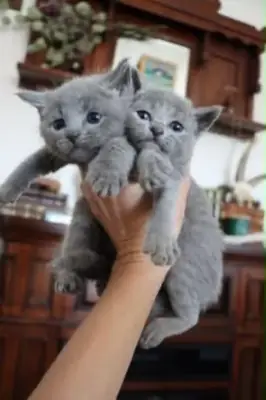
Precious British Shorthair Kittens – Wonderful Family Pets
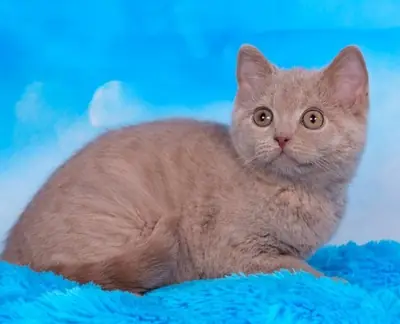
British Shorthair kitten
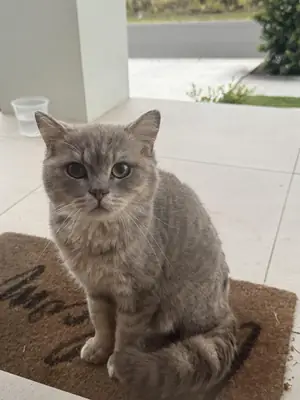
quiet cat wrong timing
Haven't found the pet you're looking for? Let people who want to find a new home for their pet reach out to you.
Create your free pet adoption request listing now and be seen by thousands of pet owners.
Other listings in your area
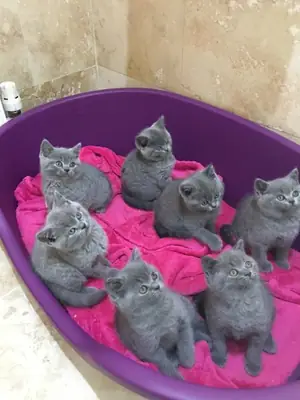
Beautiful British shorthair kittens for sale
Home trained Bengal kitten for adoption
Champion Registered Ragdoll Kittens| TICA/Pedigree Registered
Purebred Persian Cat for Sale
gorgeous Bengal kittens available
Belgian kittens
Popular Searches
Free British Shorthair adoption Bath
Free British Shorthair adoption in Bath attracts people who want a calm, chunky, short-haired cat without paying breeder prices. That is exactly why the listing needs to be strict. A free purebred-looking cat can be genuine, but it can also be vague, rushed or missing basic records.
A strong Petopic listing should show the cat’s age, microchip transfer, neutering status, vaccination record, reason for rehoming, temperament, weight, indoor or outdoor routine, litter habits and behaviour around children or other pets. “Free British Shorthair, needs home” is too thin for a serious adoption decision.
British Shorthair cat adoption Bath
British Shorthair cat adoption in Bath should focus on fit, not just appearance. This breed is often steady, reserved and loyal, but many British Shorthairs are not clingy lap cats. Some like being near people without being carried or fussed constantly.
Before applying, check whether the cat accepts handling, enjoys brushing, tolerates visitors, hides from noise, copes with children and settles alone. A British Shorthair can be wonderfully easy to live with when the adopter respects its boundaries.
British Shorthair rescue Bath
British Shorthair rescue Bath searches usually come from adopters who want a safe, assessed cat rather than a risky private handover. Rescue-style listings should explain the cat’s health, behaviour, rehoming reason, home needs and any adoption conditions clearly.
Look for details about indoor or outdoor access, litter training, weight, diet, vet history, neutering, microchip and whether the cat needs a quiet home. A rescue British Shorthair should be matched carefully because this breed can become stressed by chaotic homes or forced handling.
British Shorthair rehoming Bath
British Shorthair rehoming in Bath should clearly state why the cat needs a new home. Moving house, landlord rules, owner illness, allergy, conflict with another cat, weight issues or stress around children all point to different adopter requirements.
Ask what the cat is like on a normal day: where it sleeps, how it eats, whether it uses a litter tray reliably, whether it scratches furniture, whether it likes visitors and whether it has lived indoors only. Without daily-life detail, the adoption is guesswork.
British Blue cat adoption Bath
British Blue cat adoption Bath is a common search because many people use “British Blue” when they mean a blue-grey British Shorthair. The colour may attract attention, but it should not carry the adoption decision.
Ask for clear photos in natural light, age, weight, vet history, microchip details and temperament. A beautiful blue coat does not tell you whether the cat is overweight, anxious, aggressive with other cats or suitable for a busy family home.
Free British Blue cat Bath
Free British Blue cat Bath is a high-risk, high-interest search. A genuine owner may be trying to rehome responsibly, but a “free pedigree cat” post can also attract rushed handovers, fake photos or people hiding health problems.
Do not take the cat because it is free. Ask for microchip transfer, proof of ownership, vet history, neutering status, recent photos, reason for rehoming and whether the current owner will allow a proper meeting. Free with no records is not a win.
Adult British Shorthair adoption Bath
Adult British Shorthair adoption in Bath can be smarter than adopting a kitten because the cat’s temperament, weight, grooming tolerance, noise sensitivity and pet compatibility are already easier to judge.
Ask whether the adult cat has lived with children, other cats or dogs, whether it is indoor-only, how it behaves at the vet, whether it accepts brushing and whether it has any long-term health notes. Adult does not mean problem-free; it means the information should be clearer.
Senior British Shorthair adoption
Senior British Shorthair adoption is often overlooked, but older cats can be calm, affectionate and easier to read than kittens. The real issue is preparation: vet costs, dental care, arthritis, weight control, kidney checks, heart history and mobility.
A senior listing should mention medication, diet, litter tray access, stairs, grooming, sleep routine and whether the cat needs a quiet home. A mature British Shorthair can be a brilliant companion when the adopter understands the care plan.
British Shorthair kitten adoption Bath
British Shorthair kitten adoption Bath is less common than adult rehoming, so interest can move fast. That speed is dangerous if the listing has no health record, no microchip plan, no mother information and no explanation of why the kitten is being rehomed.
Ask the kitten’s age, vet check, vaccination stage, worming, litter training, socialisation, diet, mother status if known and whether any money is being requested. A kitten should not be moved casually just because someone wants a quick handover.
Microchipped British Shorthair adoption
Microchipped British Shorthair adoption should include a clear transfer of keeper details. In England, microchip details matter even for indoor cats because escape, theft, accidental outdoor access and ownership disputes can happen.
Ask to confirm the microchip number, the current registered keeper and how the transfer will be completed. If the owner cannot explain the microchip status, the handover is not clean enough.
Neutered British Shorthair adoption Bath
Neutered British Shorthair adoption Bath is a practical search because adopters want fewer surprises after handover. The listing should state whether the cat is neutered, not neutered, too young, medically delayed or adopted with a neutering agreement.
Neutering status also affects behaviour, outdoor risk and future vet planning. Do not accept “probably done” as an answer. Ask for the vet record or clear owner confirmation.
Vaccinated British Shorthair adoption
Vaccinated British Shorthair adoption should come with dates, not vague reassurance. The adopter needs to know what vaccinations have been given, what is due next and whether the cat has any previous reactions or health notes.
Ask for vaccination records, parasite treatment, vet history and whether the cat has been recently checked. A cat can look healthy in photos and still need immediate veterinary follow-up.
Indoor British Shorthair adoption Bath
Indoor British Shorthair adoption Bath is common because many British Shorthairs adapt well to indoor life when they have space, routine, enrichment and calm handling. Indoor does not mean low effort.
Ask whether the cat has always lived indoors, whether it tries to escape, whether it uses scratching posts, whether it gets bored, and whether it needs window perches, play sessions or controlled balcony safety. An indoor British Shorthair still needs stimulation and weight control.
British Shorthair outdoor cat Bath
British Shorthair outdoor cat Bath searches need careful local thinking. Bath has busy roads, terraced streets, gardens, courtyards, hills and tourist-heavy areas. A cat used to quiet outdoor access may not cope with a riskier new location.
Ask whether the cat has outdoor experience, whether it uses a cat flap, whether it roams far, whether it has ever gone missing and whether it can adapt to indoor-only or supervised outdoor access. Do not change the cat’s routine blindly after adoption.
British Shorthair flat adoption Bath
British Shorthair flat adoption Bath can work well for the right cat. This breed is often calm and not as frantic as some active breeds, but a flat still needs enough enrichment, scratching options, litter tray placement and safe windows.
Ask whether the cat has lived in a flat before, how it handles hallway noise, whether it scratches doors, whether it is vocal at night and whether it needs outdoor access. A quiet flat may be ideal; a chaotic shared flat may not be.
British Shorthair family cat Bath
British Shorthair family cat Bath is a strong search because the breed has a reputation for being steady and tolerant. That does not mean every British Shorthair wants toddlers grabbing it or children carrying it around.
Ask what age children the cat has lived with, whether it hides from noise, whether it swipes when overstimulated, whether it accepts gentle stroking and whether it needs a private room. A family-friendly cat still needs rules and escape spaces.
British Shorthair with children Bath
British Shorthair with children Bath should be answered from history, not breed stereotype. Some are relaxed around children; others dislike noise, chasing, being picked up or sudden movement.
The listing should mention whether the cat has lived with babies, toddlers, older children or only adults. It should also say whether the cat tolerates handling, hides, growls, scratches or simply walks away when uncomfortable.
British Shorthair with other cats Bath
British Shorthair with other cats Bath is not automatic. Many British Shorthairs prefer predictable territory and may dislike being forced into a home with an existing confident cat.
Ask whether the cat has lived with other cats, whether it guarded food, whether it bullied or was bullied, and whether it needs to be the only cat. Slow scent swapping and separate resources matter more than wishful thinking.
British Shorthair with dogs Bath
British Shorthair with dogs Bath depends on the cat’s history and the dog’s behaviour. A calm cat-friendly dog may be fine; a chasey, noisy or intrusive dog can make the adoption fail quickly.
Ask whether the British Shorthair has lived with dogs before, whether it freezes, swipes, hides or approaches calmly, and whether it needs dog-free rooms. Safe introductions should be slow, controlled and never forced.
British Shorthair only cat adoption
British Shorthair only cat adoption is common when the cat has shown territorial stress, food guarding, bullying, hiding or long-term dislike of other cats. That is not a flaw; it is a placement requirement.
If the listing says only cat, take it seriously. Forcing a British Shorthair into a multi-cat home because it “might settle” can create months of stress, spraying, fighting or hiding.
Overweight British Shorthair adoption
Overweight British Shorthair adoption needs honesty because the breed’s solid build can hide real weight problems. A chunky British Shorthair is not automatically healthy just because the breed is naturally sturdy.
Ask the current weight, body condition, food routine, treat habits, mobility, vet advice and whether a weight-loss plan is already in place. Adopters should be ready for measured feeding, play sessions and regular vet monitoring.
British Shorthair health problems adoption
British Shorthair health problems adoption should include more than “no issues known”. Ask about heart checks, kidney history, dental care, weight, joints, breathing, previous surgery, medication and senior screening if the cat is older.
A cat with a health condition can still be a great adoption match, but the adopter needs the truth. Hidden vet problems are not small details; they affect cost, care and long-term welfare.
British Shorthair HCM history
British Shorthair HCM history is worth asking about because heart disease concerns can appear in the breed. The owner may not have full parent records, especially in adoption, but any vet notes, murmurs or scans should be shared honestly.
Ask whether the cat has ever had a heart murmur, breathing changes, fainting, exercise intolerance or heart medication. If records exist, they should be passed to the new owner before handover.
British Shorthair PKD adoption
British Shorthair PKD adoption searches come from adopters who understand that kidney history matters. In adoption, you may not always get breeder paperwork, but you can still ask for vet records and any known testing.
Ask whether the cat drinks excessively, urinates unusually, has kidney blood-test history, has had scans or has known family health notes. Do not ignore kidney questions just because the cat looks strong.
British Shorthair dental care adoption
British Shorthair dental care adoption matters because adult cats may arrive with tartar, gum disease, missing teeth or a history of dental treatment. Dental issues can change cost, feeding and comfort.
Ask when the cat last saw a vet, whether any dental work has been recommended, whether it eats normally and whether it shows mouth pain. A free cat with expensive dental problems is still worth adopting only if the adopter is prepared.
British Shorthair grooming Bath
British Shorthair grooming Bath is simpler than long-haired cat grooming, but it still matters. Their dense coat can shed, collect loose undercoat and need regular brushing, especially during seasonal changes.
Ask whether the cat accepts brushing, claw trimming, carrier handling and vet checks. A calm grooming routine helps with weight monitoring, skin checks and bonding after adoption.
British Shorthair litter trained adoption
British Shorthair litter trained adoption should still include details. Ask what litter type the cat uses, whether it has accidents, whether it needs a covered or open tray, and whether stress causes toilet problems.
When the cat arrives, keep the same litter at first and place the tray in a quiet accessible spot. Changing everything on day one is a common way to create avoidable accidents.
British Shorthair temperament adoption
British Shorthair temperament adoption should be written in real-life terms. Is the cat cuddly, independent, playful, lazy, shy, confident, food-driven, vocal, nervous, territorial or sensitive to being picked up?
Breed descriptions are useful, but the individual cat matters more. A good listing describes what the cat actually does in the home, not what the breed is supposed to be like.
British Shorthair adoption Bath Somerset
British Shorthair adoption Bath Somerset helps users searching beyond the city into nearby areas such as Keynsham, Radstock, Frome, Trowbridge, Bristol and villages around Bath. Expanding the area can help, but it should not weaken the checks.
Whether the cat is in Bath or nearby, ask for the same essentials: microchip, neutering, vet history, reason for rehoming, temperament, health notes and handover plan. Distance is less important than clarity.
Private British Shorthair rehoming Bath
Private British Shorthair rehoming Bath can work if the owner is honest and careful. It becomes risky when the handover is rushed, records are missing, the owner avoids questions or the cat is advertised with old photos and no clear location.
Ask for proof of ownership, microchip transfer, vet notes, recent photos, reason for rehoming and a written handover. A responsible owner should care where the cat goes, not just how quickly it leaves.
British Shorthair adoption trial Bath
British Shorthair adoption trial Bath can be useful when the cat is moving into a home with children, other cats, dogs or a different indoor-outdoor setup. The trial terms should be clear before the cat moves.
Agree who handles vet costs during trial, whether the cat can be returned, when microchip transfer happens and what signs would make the match unsuitable. “Take her and see how it goes” is too loose.
Free cat adoption Bath
Free cat adoption Bath is broader than British Shorthair, but many users start there and then filter by breed, age or temperament. The danger is treating “free” as the main value instead of asking whether the cat is healthy and properly described.
Free adoption still has costs: food, litter, insurance, vet care, parasite control, toys, scratching posts, carrier, bowls and possible dental or weight treatment. A good free cat listing is transparent, not just cheap.
Responsible British Shorthair adoption Bath
Responsible British Shorthair adoption in Bath means choosing the cat whose routine, health and personality match your home, not the cat with the roundest face or rarest colour. This breed can be calm and charming, but it still needs weight control, vet care, respectful handling and a stable environment.
On Petopic, the strongest adoption listing gives the practical truth: age, microchip, neutering, health, weight, litter habits, children, cats, dogs, indoor-outdoor routine, reason for rehoming and handover terms. The weakest listing sells a “free pedigree cat” fantasy and hides the hard details.
Frequently Asked Questions
What should I check before adopting a free British Shorthair cat in Bath?
Check the cat’s age, microchip transfer, neutering status, vaccination record, parasite treatment, vet history, weight, diet, litter habits, indoor or outdoor routine and reason for rehoming.
You should also ask about behaviour with children, other cats and dogs, grooming tolerance, handling, health concerns and whether a trial or written handover is possible.
Is free British Shorthair adoption safe?
It can be safe if the current owner is transparent and provides proof of ownership, microchip details, vet records and honest behaviour information.
Be careful with rushed handovers, missing records, old photos, vague locations or owners who avoid questions. Free does not automatically mean safe.
Should a British Shorthair cat be microchipped before adoption?
Yes. In England, owned cats should be microchipped and the keeper details must be kept up to date.
Before adoption, ask for the microchip number, current keeper details and how the transfer will be completed after handover.
Should a British Shorthair be neutered before adoption?
Ideally, the listing should clearly state whether the cat is neutered, not neutered, too young, medically delayed or adopted with a neutering agreement.
Do not rely on guesses. Ask for confirmation from the owner or vet records where possible.
Can a British Shorthair live indoors only?
Many British Shorthairs can live indoors if they have enough space, play, scratching posts, window access, litter tray hygiene and weight control.
Ask whether the cat has always lived indoors or whether it is used to outdoor access. Changing that routine suddenly can cause stress.
Can a British Shorthair live in a flat in Bath?
Yes, the right British Shorthair can live well in a flat, especially if it is already used to indoor life and has enrichment.
Ask about hallway noise, window safety, litter tray habits, scratching behaviour, night activity and whether the cat tries to escape through doors or windows.
Are British Shorthairs good with children?
Some British Shorthairs are good with respectful children, but many dislike being picked up, chased or handled roughly.
Ask what age children the cat has lived with, whether it hides from noise, whether it scratches when overstimulated and whether it needs a quiet safe space.
Can a British Shorthair live with other cats?
Some can, but others prefer being the only cat. The individual history matters more than the breed label.
Ask whether the cat has lived with other cats, whether it guarded food, fought, hid or became stressed. Use slow introductions and separate resources.
Can a British Shorthair live with dogs?
A British Shorthair may live with a calm cat-friendly dog if it has the right history and safe spaces.
Ask whether the cat has lived with dogs before, whether it hides, swipes, freezes or approaches calmly. Introductions should be slow and controlled.
Are British Shorthairs lap cats?
Some enjoy close contact, but many British Shorthairs prefer sitting nearby rather than being carried or held for long periods.
Ask about the cat’s actual handling preference. Do not adopt one expecting constant cuddles if the listing says it likes space.
Do British Shorthairs get overweight easily?
They can be prone to weight gain because of their solid build and often calm nature.
Ask for the cat’s current weight, diet, treat habits, activity level and any vet advice. Measured feeding and daily play are important after adoption.
What health issues should I ask about before adopting a British Shorthair?
Ask about heart history, kidney history, dental care, weight, joints, breathing, previous surgery, medication and any recent vet checks.
If the cat is older, ask about senior screening and mobility. A health issue does not always mean the cat is unsuitable, but it must be disclosed.
What should I ask about a British Shorthair’s litter habits?
Ask what litter type the cat uses, whether it prefers an open or covered tray, whether it has accidents and whether stress changes its toilet habits.
Keep the same litter and tray style at first after adoption. Sudden changes can create avoidable problems.
What costs come with a free British Shorthair adoption?
Even if the cat is free, you still need to budget for food, litter, parasite control, vet care, insurance, carrier, bowls, scratching posts, toys and possible dental or weight treatment.
Free adoption is only a good deal if the adopter is ready for long-term care costs.
How do I recognise a reliable British Shorthair adoption listing in Bath?
A reliable listing includes location, age, microchip, neutering, vaccination record, vet history, weight, diet, litter habits, temperament, reason for rehoming and the type of home needed.
A weak listing relies on phrases like “free pedigree cat”, “urgent”, “beautiful British Blue” or “perfect family cat” without proof. With British Shorthairs, calm photos are not enough; the records and behaviour details matter.