Free Adoption of African Grey Parrots in Birmingham
There are 6 African Grey Parrot listings live right now, last updated 1 week ago. African Grey parro... There are 6 African Grey Parrot listings live right now, last updated 1 week ago. African Grey parrot adoption in Birmingham is for people who understand that this is not a simple talking bird listing... There are 6 African Grey Parrot listings live right now, last updated 1 week ago. African Grey parrot adoption in Birmingham is for people who understand that this is not a simple talking bird listing, but a long-lived, highly intelligent parrot that needs legal paperwork checks, daily attention, specialist care and a calm home. Browse African Grey parrots in Birmingham with a close look at CITES or Article 10 details where relevant, ring or microchip identity, age, health history, feather condition, diet, cage setup, noise level, handling confidence and whether the bird’s routine can genuinely fit your life.
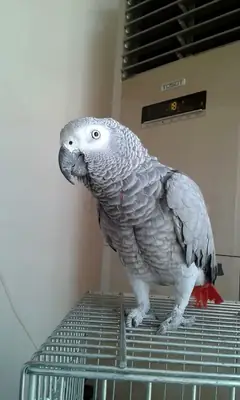
Coo Coo is a beautiful African Grey parrot who is extremely playful,
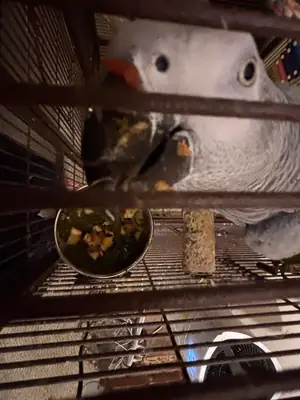
African grey parrot needing a new home
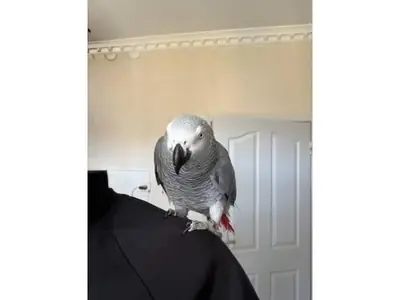
African Grey parrot that talks a lot needs a new family
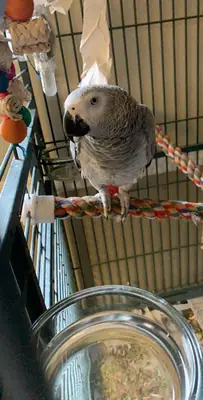
Amazon parrot used to home life
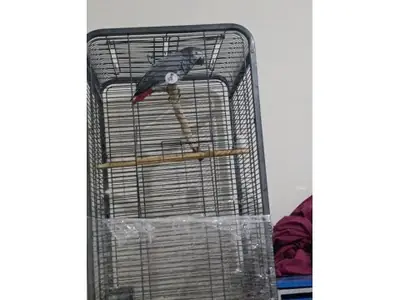
Curious African Grey Parrot seeking a calm and patient home
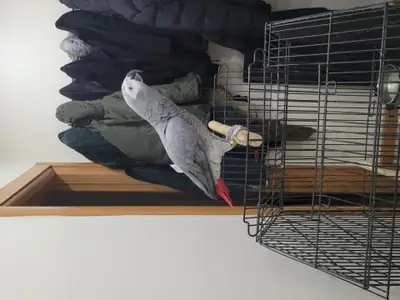
Highly intelligent African Grey Parrot looking for a patient new home
Haven't found the pet you're looking for? Let people who want to find a new home for their pet reach out to you.
Create your free pet adoption request listing now and be seen by thousands of pet owners.
Other listings in your area
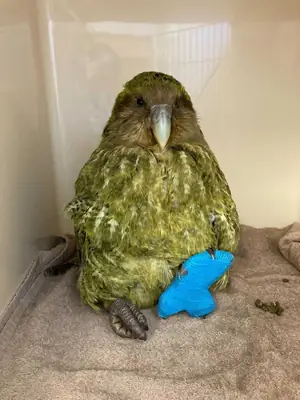
Rescue Bird Seeking Calm Home | Free Adoption | Patient Owner Needed
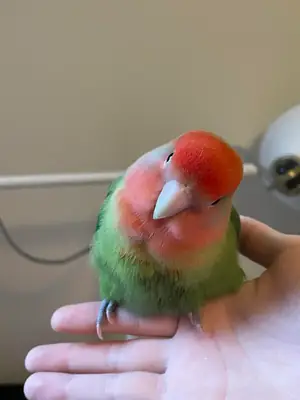
Curious lovebird that enjoys being around people
Catalina Macaw parrot
Curious African Grey Parrot seeking a calm and patient home
African grey parrot needing a new home
African Grey parrot that talks a lot needs a new family
Popular Searches
African Grey parrot adoption Birmingham
African Grey parrot adoption in Birmingham should start with paperwork, identity and welfare, not with how well the bird talks. A genuine listing should explain the parrot’s age, CITES or Article 10 position where relevant, ring or microchip details, health history, feather condition and why the bird needs a new home.
This is a highly intelligent bird that may live for decades, form strong bonds and struggle badly in the wrong environment. The right adoption is the one where the parrot’s legal status, daily routine and emotional needs are clear before anyone arranges a handover.
African Grey parrot rescue Birmingham
African Grey parrot rescue in Birmingham often involves birds that have become too demanding, too loud, too bonded to one person or too difficult for a busy household. That does not make the bird bad; it means the next home must understand parrots properly.
Look for real background: how the bird behaves with men, women, children, visitors, hands, cages, bedtime, food changes and noise. A rescue-style African Grey listing should never be just a cute talking clip and a collection postcode.
African Grey parrot rehoming Birmingham
African Grey parrot rehoming in Birmingham needs direct questions because the reason for rehoming changes everything. A bird rehomed after owner illness is different from one rehomed for screaming, biting, plucking, jealousy or lack of time.
Ask how long the current keeper has had the parrot, whether it steps up, whether it bites, how it reacts to strangers, what it eats, when it sleeps and whether any documents or ring details are available. Vague answers are a weak sign with this species.
African Grey parrot for adoption West Midlands
African Grey parrot adoption searches across the West Midlands often include Birmingham, Solihull, Wolverhampton, Walsall, Dudley, Coventry, Sutton Coldfield, West Bromwich, Redditch and Tamworth. Local distance helps because safe viewing and follow-up questions are more realistic.
Use that local advantage properly. Check the bird’s documents, ring or microchip identity, cage condition, feather quality, diet, behaviour and home routine before deciding. Nearby does not automatically mean suitable.
African Grey parrot Article 10 certificate UK
African Grey parrot Article 10 certificate searches are serious because this species is protected and paperwork matters whenever commercial use, sale or transfer conditions are involved. A listing should not brush this off with “paperwork not needed” unless the situation is clearly explained.
Ask whether the bird has an Article 10 certificate where relevant, whether it has a closed ring or microchip, whether the identity mark matches the documents and whether the current keeper can explain the bird’s history without pressure or confusion.
CITES African Grey parrot Birmingham
CITES African Grey parrot Birmingham searches usually come from people who know this bird cannot be treated like a basic cage-bird advert. The important details are legal origin, identity mark, ownership history and whether any certificate is needed for the type of transfer being discussed.
A strong listing should make the bird’s status easy to understand. If the advert avoids CITES, avoids ring details, refuses current photos or rushes payment before proof, it is not strong enough for a careful adopter.
African Grey parrot with closed ring
An African Grey parrot with a closed ring gives an important identity clue, especially when documents and history need checking. The ring should be readable, match any paperwork and make sense with the bird’s age and story.
Ask for clear ring information, current photos and vet or keeper records. A ring alone is not the whole adoption check, but missing or inconsistent identity details should make you slow down.
Microchipped African Grey parrot adoption
Microchipped African Grey parrot adoption should include clear identity transfer steps. A microchip can support ownership history and help connect the bird to documents, especially if the parrot has no readable closed ring.
Ask who registered the chip, whether the details can be updated, whether vet records match the identity and whether the bird’s age and history are consistent. For African Greys, identity should never be treated as a minor extra.
African Grey parrot adoption fee Birmingham
African Grey parrot adoption fee Birmingham searches often come from people comparing rescue donations, private rehoming and expensive rare-bird adverts. Price should never be the first trust signal.
A lower fee with missing documents, poor feather condition, bad diet and no behaviour history can become a much bigger problem than a prepared adoption. Judge the evidence: paperwork, identity, health, cage setup, diet and the current keeper’s honesty.
Free African Grey parrot adoption Birmingham
Free African Grey parrot adoption in Birmingham should be handled with suspicion until the details prove otherwise. A bird this protected, intelligent and long-lived is rarely a simple free giveaway with no history attached.
Ask why the parrot is free, whether any documents exist, whether the bird has a ring or microchip, whether there are health or behaviour issues and whether the keeper is choosing the right home rather than the fastest collection.
African Grey parrot talking bird adoption
African Grey talking bird adoption attracts people because the species is famous for speech and mimicry, but talking ability is not the adoption decision. Some birds speak clearly, some whistle, some copy alarms, and some stay quiet in a new home for weeks.
Ask what the bird actually says, when it vocalises, whether it screams, whether it copies household sounds and how it reacts when ignored. A talking African Grey is still a complex parrot, not entertainment equipment.
Hand tame African Grey parrot Birmingham
Hand tame African Grey parrot Birmingham searches need careful proof because “hand tame” can mean different things. A bird may step up for one person, bite strangers, panic near towels or refuse handling outside its cage.
Ask for current handling videos, not old claims. Check whether the parrot steps up, allows cage cleaning, accepts different people, tolerates travel and recovers calmly after being startled.
African Grey parrot biting rehoming
African Grey parrot biting is often linked to fear, hormones, territorial behaviour, poor handling, overstimulation or strong bonding to one person. A bite history does not automatically make the bird impossible, but it must be disclosed.
Ask when biting happens: near the cage, around food, during step-up, with visitors, during bedtime or when one specific person is present. Without that detail, the next home is walking in blind.
African Grey parrot feather plucking adoption
African Grey feather plucking adoption needs honesty, not embarrassment. Feather damage can be linked to stress, diet, boredom, medical issues, hormones or previous housing, and the adopter needs to know what has already been checked.
Ask when plucking started, whether an avian vet has seen the bird, whether blood tests were done, what the diet is, how much out-of-cage time the bird gets and whether the feathers improve or worsen with routine changes.
African Grey parrot screaming problem
African Grey parrot screaming can become the real reason behind a rehoming advert, especially in flats, terraced homes or busy family houses. The listing should say when the noise happens and what triggers it.
Ask whether the bird screams at sunrise, bedtime, when left alone, when visitors arrive or when a favourite person leaves the room. Noise reality matters more than a seller saying “only loud sometimes”.
African Grey parrot bonded to one person
An African Grey bonded to one person can struggle badly when moved to a new home. The bird may call constantly, reject other people, bite a partner or become stressed when its chosen person is absent.
Ask who handles the parrot now, who it dislikes, whether it attacks certain people and how it reacts when the main keeper leaves. A strong bond can be beautiful, but it can also make adoption harder.
African Grey parrot diet adoption
African Grey parrot diet should be checked before adoption because many rehomed parrots arrive on seed-heavy, fatty or unbalanced diets. A poor diet can affect weight, feathers, energy and long-term health.
Ask what the bird eats every day, whether it accepts pellets, vegetables, greens, fruit, soaked foods or foraging, and whether it refuses new food. A clever parrot can still be a stubborn eater.
African Grey parrot cage setup Birmingham
African Grey parrot cage setup matters because this bird needs more than a small cage and a mirror. Space, perch variety, safe toys, foraging options, sleeping routine and out-of-cage time all affect behaviour.
Ask whether the cage is included, whether the bird is cage defensive, whether it sleeps covered, whether it plays independently and whether it destroys toys. The cage history tells you a lot about the bird’s daily life.
African Grey parrot avian vet Birmingham
African Grey parrot avian vet Birmingham searches matter because this is not a bird to manage only with guesswork. Before adoption, ask whether the parrot has seen an avian vet, when it was last checked and whether any blood tests, beak, nail or feather concerns were recorded.
A new home should know where the nearest suitable bird vet is before collection. Waiting until the bird is ill is a weak plan for a species with complex care needs.
Older African Grey parrot adoption
Older African Grey parrot adoption can be rewarding because older birds may already have clear habits, words, food preferences and handling boundaries. Age does not make the bird second-rate.
Ask how long the bird has been in the current home, whether it has moved before, what it says, what it fears, whether it plucks, how it sleeps and whether it has long-term vet notes. Older parrots need respect for their established routine.
African Grey parrot with children Birmingham
African Grey parrots and children can be a difficult match if the home is noisy, unpredictable or careless around cages. This bird may be intelligent and affectionate, but it can also bite hard when frightened or overstimulated.
Ask whether the bird has lived with children, whether it screams at sudden noise, whether it lunges through bars and whether children understand not to poke fingers into the cage. The bird’s safety and the child’s safety both matter.
African Grey parrot flat living Birmingham
African Grey parrot flat living in Birmingham needs realism because sound carries through walls and a bored or anxious parrot can become very loud. A flat can work only if routine, enrichment, sleep and neighbours are considered seriously.
Ask about current noise level, morning calls, contact calls, alarm mimicry, cage placement and whether the bird copes when left alone. Do not adopt a vocal parrot into a noise-sensitive building and hope it becomes quiet.
African Grey parrot scam UK
African Grey parrot scams in the UK often use stolen photos, fake delivery stories, urgent deposits, vague CITES claims, missing ring details and impossible prices. The bird’s rarity makes people rush, and that is exactly what bad adverts exploit.
Ask for current videos, clear identity details, paperwork where relevant, the bird speaking or behaving naturally, proof of location and a safe viewing plan. If the seller avoids proof but pushes money, walk away.
Congo African Grey adoption Birmingham
Congo African Grey adoption Birmingham searches usually refer to the classic larger grey parrot with a bright red tail. The appearance may be familiar, but the adoption checks stay serious.
Ask for identity, legal paperwork where relevant, age, diet, feather condition, handling history, noise level and whether the bird is comfortable with more than one person. A beautiful red tail does not replace proper evidence.
Timneh African Grey adoption Birmingham
Timneh African Grey adoption in Birmingham may appear in searches from people who know there are different grey parrot types. Timneh birds are often smaller and darker than Congo African Greys, but they still need serious long-term care.
Ask whether the bird is Congo, Timneh or simply advertised as African Grey without detail. The exact type matters less than honest identity, documents, behaviour, diet and whether the adopter is ready for decades of responsibility.
Frequently Asked Questions
Can I adopt an African Grey parrot in Birmingham?
Yes, African Grey parrots may be available for adoption or rehoming in Birmingham, but this is not a simple bird adoption.
Check the parrot’s CITES or Article 10 position where relevant, closed ring or microchip identity, age, health history, feather condition, diet, behaviour and reason for rehoming before moving forward.
Is an African Grey a parrot?
Yes, an African Grey is a parrot, not a cat or dog. It is one of the best-known talking parrot species and is highly intelligent.
That intelligence makes the bird fascinating, but also demanding. African Greys need daily interaction, enrichment, routine and an owner who understands parrot behaviour.
Do African Grey parrots need CITES paperwork in the UK?
African Grey parrots are protected under CITES controls, so paperwork can matter, especially where sale, commercial use or certain transfers are involved.
Ask whether the bird has an Article 10 certificate where relevant, whether it has a closed ring or microchip and whether the identity details match the documents.
What should I check before adopting an African Grey parrot?
Check identity, paperwork, age, sex if known, feather condition, diet, cage setup, sleep routine, noise level, handling, biting, plucking, vet history and the exact reason for rehoming.
A good African Grey listing should answer serious care questions, not just show the bird talking on video.
Is an African Grey parrot good for beginners?
An African Grey is usually a poor choice for beginners unless the adopter has done serious preparation and has access to experienced support.
This bird can be sensitive, loud, long-lived, highly bonded and behaviourally complex. A weak routine can lead to stress, biting, screaming or feather damage.
How long do African Grey parrots live?
African Grey parrots can live for many decades in captivity, so adoption should be treated as a long-term commitment.
Before adopting, think about housing, daily care, vet costs, future moves, work hours and who would care for the bird if your circumstances changed.
Can African Grey parrots talk?
Many African Grey parrots can mimic speech and household sounds, but talking should not be the reason to adopt one.
Some birds talk clearly, some whistle or copy noises, and some may go quiet in a new home. Welfare, trust and routine matter more than speech.
Why do African Grey parrots pluck feathers?
Feather plucking can be linked to stress, boredom, poor diet, lack of enrichment, medical problems, hormonal behaviour or previous housing conditions.
Ask whether an avian vet has checked the bird, when plucking started, what the diet is and whether the bird receives enough foraging, sleep and out-of-cage time.
Are African Grey parrots noisy?
African Grey parrots can be noisy, especially when calling for attention, reacting to routine changes or copying household sounds.
Ask when the bird vocalises, whether it screams, whether neighbours have complained and how it behaves when left alone.
Can an African Grey parrot live in a flat?
An African Grey can live in a flat only if noise, cage space, enrichment, sleep and daily routine are handled properly.
Ask about the bird’s current noise level, morning calls, alarm mimicry, bedtime routine and how it behaves when the keeper leaves the room.
Can African Grey parrots live with children?
African Grey parrots can live in homes with children only when the bird is confident and the children understand safe boundaries.
Children should not poke fingers into the cage, chase the bird, shout near it or force handling. A frightened parrot can bite hard.
What cage setup does an African Grey need?
An African Grey needs a spacious, safe cage with suitable perches, toys, foraging options, clean food and water areas and a quiet sleeping routine.
The bird also needs time outside the cage, supervised interaction and mental stimulation. A cage alone is not enough for this species.
What should an African Grey parrot eat?
An African Grey should not live on sunflower seeds alone. A healthier routine usually includes suitable pellets, vegetables, greens, limited fruit and safe enrichment feeding.
Ask what the bird currently eats, whether it accepts fresh foods and whether an avian vet has ever discussed diet, weight or calcium-related concerns.
Should I use an avian vet after adopting an African Grey?
Yes, an avian vet is strongly recommended because parrots have specialist health needs and may hide illness.
Before adoption, ask for previous vet records. After adoption, arrange a suitable health check, especially if the bird has feather loss, diet issues, breathing changes, weight loss or behaviour changes.
How do I avoid African Grey parrot adoption scams?
Watch for copied photos, delivery-only offers, urgent deposits, missing ring or microchip details, vague CITES answers and prices that look too good to be true.
Ask for current videos, paperwork where relevant, proof of location, identity details, vet history and a safe viewing or collection plan before trusting any advert.