Free Adoption of British Shorthair Cats in Norwich
There's 1 British Shorthair listing live right now, last updated 6 Apr 2026. Find British Shorthair ... There's 1 British Shorthair listing live right now, last updated 6 Apr 2026. Find British Shorthair cats for free adoption in Norwich with the details careful adopters need before making contact: age,... There's 1 British Shorthair listing live right now, last updated 6 Apr 2026. Find British Shorthair cats for free adoption in Norwich with the details careful adopters need before making contact: age, microchip status, keeper transfer, neutering, vaccinations, indoor or outdoor history, litter tray habits, diet, weight, coat condition, grooming tolerance, dental history, vet records, heart or kidney notes, temperament, child experience, dog history, cat compatibility and the real reason for rehoming. British Shorthair cats are calm, sturdy, plush-coated cats with a quiet confidence and affectionate but often independent nature, so the right adoption match should focus on breed honesty, healthy body condition, predictable home routine, safe indoor enrichment, realistic handling expectations, verified records and long-term fit across Norwich and Norfolk rather than choosing only because the cat is free, blue, chunky, cute or described as easy-going.
Haven't found the pet you're looking for? Let people who want to find a new home for their pet reach out to you.
Create your free pet adoption request listing now and be seen by thousands of pet owners.
Other listings in your area
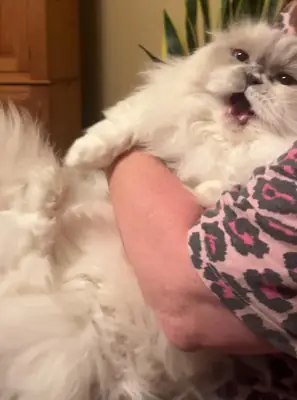
persian cat
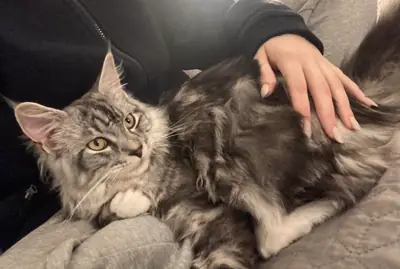
maine coon cat
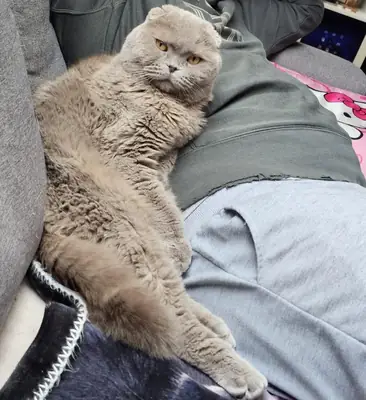
quiet cat, better in a calmer home
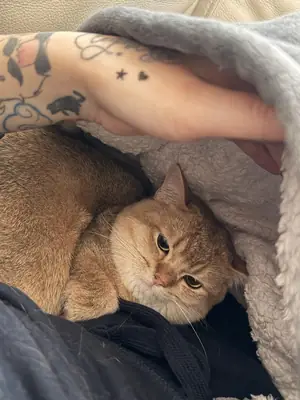
indoor cat, change of routine
Popular Searches
Free British Shorthair adoption Norwich
Free British Shorthair adoption in Norwich should be checked with the same seriousness as a paid pedigree cat purchase. A no-fee listing still needs clear details about age, microchip transfer, neutering, vaccinations, diet, weight, litter tray habits, vet records, temperament and the real reason for rehoming.
British Shorthairs are often calm and steady, but that does not mean every cat suits every home. Ask whether the cat enjoys handling, dislikes being picked up, needs a quiet routine, has lived with children or pets and whether its chunky build is healthy body condition or excess weight.
British Shorthair cats for adoption Norwich
British Shorthair cats for adoption in Norwich attract people looking for a calm, plush-coated cat with a classic rounded face and solid body. The listing should explain more than colour and cuteness.
Ask about microchip transfer, vet history, weight, litter habits, grooming, dental notes, heart or kidney history, indoor routine, play level, visitor tolerance and whether the cat prefers sitting near people rather than being constantly held.
British Shorthair rescue Norwich
British Shorthair rescue in Norwich should focus on breed honesty, health records and home fit. Some cats are confirmed British Shorthairs; others may be British Shorthair mixes or domestic cats with a similar round, plush look.
If the listing claims a confirmed British Shorthair, ask for paperwork or previous ownership records where available. If proof is missing, judge the cat by temperament, health, weight, litter habits and compatibility instead of building the decision only around the breed label.
British Shorthair rehoming Norwich
British Shorthair rehoming in Norwich should always start with the reason the cat needs a new home. Owner illness, moving home or family allergy changes are very different from rehoming because of litter tray issues, stress, pet conflict, weight problems or hidden vet costs.
Ask how long the keeper has had the cat, whether it has changed homes before, whether it hides from noise, whether it accepts grooming and whether the rehoming reason is being made vague to avoid difficult details.
British Shorthair free to good home Norwich
British Shorthair free to good home Norwich searches need a strict filter. “Good home” should mean microchip transfer, safe windows, calm settling space, clean litter trays, measured feeding, vet budget and realistic expectations around a quiet but independent cat.
Before adopting, ask whether the cat is overweight, has heart or kidney notes, resists handling, dislikes other pets, scratches when picked up, avoids children or needs a quieter home than the advert suggests.
Free British Shorthair kittens Norwich
Free British Shorthair kittens in Norwich will attract instant interest because genuine pedigree-style kittens are rarely offered without a fee. That makes weak listings more suspicious, not more exciting.
A kitten listing should include exact age, microchip status, vaccination plan, worming, flea treatment, litter progress, diet, socialisation, parent background where known and whether the kitten is confirmed British Shorthair or simply a round-faced short-haired kitten.
Adult British Shorthair adoption Norwich
Adult British Shorthair adoption in Norwich can be smarter than chasing kittens because the cat’s true temperament, body condition, litter habits, handling tolerance and home routine are already easier to judge.
Ask whether the adult cat is relaxed around visitors, prefers quiet rooms, enjoys being stroked, dislikes being lifted, uses scratching posts, eats measured meals and has a healthy activity level rather than a hidden weight problem.
Senior British Shorthair adoption Norwich
Senior British Shorthair adoption in Norwich can suit a calm home, but older cats need honest planning around dental care, weight, kidneys, heart notes, mobility, appetite, litter tray access and medication.
Ask for recent vet records, drinking habits, weight changes, stiffness, hiding, breathing changes, dental treatment, heart murmur history and whether the cat still enjoys gentle play or mostly wants predictable quiet companionship.
British Shorthair adoption near me Norwich
British Shorthair adoption near me in Norwich often includes Costessey, Hellesdon, Sprowston, Thorpe St Andrew, Taverham, Wymondham, Dereham, Wroxham, Aylsham, Great Yarmouth, Lowestoft, Thetford and wider Norfolk searches.
Nearby helps with safer meetings and calmer handover, but distance is not the decision. A local cat with vague breed claims, no microchip transfer plan or unclear health history is still a weak adoption option.
British Shorthair rescue Norfolk
British Shorthair rescue Norfolk searches are useful because a suitable cat may appear outside Norwich. Widening the area can help, but it should not lower your checks.
Compare listings by breed honesty, microchip transfer, neutering, vaccination status, weight, litter habits, vet records, temperament, child history, pet compatibility and the exact reason for rehoming.
Blue British Shorthair adoption Norwich
Blue British Shorthair adoption in Norwich is a high-interest colour search because many people picture the classic blue-grey coat when they think of the breed. Colour should never outrank health and temperament.
Ask whether the blue coat is part of confirmed breed history or just appearance, and still check microchip transfer, weight, vet records, litter habits, grooming tolerance, child experience and whether the cat is calm or simply withdrawn.
Grey British Shorthair adoption Norwich
Grey British Shorthair adoption Norwich searches usually point to the blue coat people describe as grey. A photo can look convincing, but grey colour alone does not prove breed or suitability.
Ask for breed history if it matters, but focus on the cat’s real life: does it settle indoors, tolerate brushing, use the litter tray reliably, accept visitors, stay calm around children and maintain a healthy weight?
Silver British Shorthair adoption Norwich
Silver British Shorthair adoption in Norwich can attract people looking for a specific coat pattern, but pattern does not tell you whether the cat fits your home.
Ask about breed proof, age, microchip status, neutering, weight, temperament, vet records, litter habits and whether the cat is confident, reserved, playful, independent or easily stressed by change.
British Shorthair mix adoption Norwich
British Shorthair mix adoption in Norwich can be a strong choice when the cat’s temperament and care needs match your home. A mix may have the round face or plush coat without predictable pedigree traits.
Ask what is known about the cat’s background, whether the mix is confirmed or guessed, and focus on personality, litter habits, weight, vet records, handling tolerance and compatibility with your household.
British Shorthair type cat adoption
British Shorthair type cat adoption usually means the cat has a similar look but may not be a confirmed British Shorthair. That is fine if the listing is honest.
Ask whether “type” means appearance only, whether any papers exist and whether the cat’s actual personality suits you: calm, shy, affectionate, independent, playful, food-driven or sensitive to noise.
Purebred British Shorthair adoption Norwich
Purebred British Shorthair adoption in Norwich needs evidence. A cat can look rounded and plush without being a confirmed purebred British Shorthair.
Ask for registration papers, breeder history, previous ownership records or vet notes if purebred status matters. If proof is missing, judge the cat as an individual rather than treating the breed label as fact.
Indoor British Shorthair adoption Norwich
Indoor British Shorthair adoption in Norwich can work well when the home gives the cat enough calm space, scratching areas, window watching, play sessions and safe resting spots.
Ask whether the cat has always lived indoors, whether it door-dashes, whether it gets bored, whether it uses scratching posts and whether it needs a quiet predictable home more than a busy, high-handling household.
British Shorthair for flat living Norwich
A British Shorthair can suit flat living in Norwich when the space is safe, clean, calm and enriched. This cat may not need constant action, but it still needs play, scratching options, litter comfort and room to retreat.
Ask whether the cat has lived in a flat before, whether it reacts to hallway noise, whether it scratches furniture when bored and whether it can settle without outdoor access.
Calm British Shorthair adoption Norwich
Calm British Shorthair adoption in Norwich is a realistic search, but calm does not mean emotionless or maintenance-free. A calm cat can still dislike being lifted, need routine, gain weight or become stressed by loud homes.
Ask whether the cat is calm with strangers, children, other pets, grooming, vet visits and changes in routine. A cat that hides all day should not be marketed as simply “quiet”.
Lap British Shorthair adoption Norwich
Lap British Shorthair adoption in Norwich needs honest wording. Many British Shorthairs enjoy being near people, but not every one wants to be carried, cuddled tightly or sit on a lap for long periods.
Ask whether the cat chooses laps, sits nearby, tolerates being lifted, follows people from room to room or prefers affection on its own terms. This prevents disappointment after adoption.
Family British Shorthair adoption Norwich
Family British Shorthair adoption in Norwich should be based on proven household behaviour. The breed is often seen as steady and gentle, but the individual cat’s tolerance for noise, handling and children matters more than reputation.
Ask what ages of children the cat has lived with, whether it hides during chaos, whether it scratches when overstimulated and whether it has a quiet retreat where children do not follow.
British Shorthair with children Norwich
A British Shorthair with children in Norwich can be a good fit when the cat is confident and the children are respectful. The risk is usually over-handling, chasing, loud play or expecting a cat to behave like a toy.
Ask whether the cat has lived with toddlers, school-age children or teenagers, whether it allows stroking, whether it dislikes being carried and whether children can follow rules around sleep, feeding and litter areas.
British Shorthair with dogs Norwich
British Shorthair with dogs in Norwich needs actual history, not optimism. A calm British Shorthair may cope with a calm dog, but barking, chasing or rough sniffing can still create stress.
Ask whether the cat has lived with dogs, whether it hides, swipes, relaxes, uses high spaces or becomes anxious around them, and whether the new home can manage slow introductions safely.
British Shorthair with other cats Norwich
British Shorthair with other cats can work, but compatibility depends on personality, space, litter tray setup, feeding areas and slow introductions. A calm cat may still be territorial.
Ask whether the cat has lived with cats, whether it shares food areas, whether it bullies or hides, whether it needs to be the only cat and whether stress has ever caused litter tray problems.
British Shorthair litter tray habits adoption
British Shorthair litter tray habits should be checked before adoption because accidents can come from stress, urinary issues, pain, dirty trays, unsuitable litter or tension with other pets.
Ask whether the cat uses open or covered trays, whether litter type matters, whether accidents have happened recently and whether a vet has checked any change in urination or toileting behaviour.
British Shorthair weight adoption Norwich
British Shorthair weight adoption checks are essential because the breed’s solid, rounded look can make excess weight easy to excuse as normal chunkiness.
Ask current weight, body condition, food portions, treat habits, play routine, recent weight changes and whether a vet has advised weight loss, weight gain or careful monitoring.
Chunky British Shorthair adoption
Chunky British Shorthair adoption searches can be misleading. A British Shorthair should look sturdy, but “chunky” should not hide obesity, low activity or joint strain.
Ask whether the cat has a visible waist, whether a vet has commented on weight, whether it plays daily, whether it jumps comfortably and whether food is measured instead of left unlimited.
British Shorthair HCM adoption Norwich
British Shorthair HCM adoption questions should be direct because heart disease may not be obvious in photos or short meetings. A cat can seem calm and still have a history that matters.
Ask whether the cat has ever had a heart murmur, ultrasound, breathing changes, fainting, medication, breeder health notes or family history of heart problems.
British Shorthair PKD adoption Norwich
British Shorthair PKD adoption checks matter when breed history is claimed. Kidney-related notes, abnormal drinking, weight loss or repeated vet monitoring should be explained clearly before adoption.
Ask whether the cat has had kidney checks, blood tests, urine tests, ultrasound notes, breeder screening information or any signs such as increased thirst, appetite changes or weight loss.
British Shorthair dental care adoption
British Shorthair dental care should be checked before adoption because dental pain can hide behind normal eating and quiet behaviour. Bad breath, drooling, gum redness or avoiding hard food should be discussed.
Ask when the cat last had a dental check, whether teeth have been removed, whether future dental treatment is likely and whether the cat allows mouth handling or grooming around the face.
British Shorthair grooming Norwich
British Shorthair grooming in Norwich is easier than many long-haired breeds, but the dense plush coat still needs regular care, especially during shedding periods.
Ask whether the cat accepts brushing, whether it sheds heavily, whether hairballs are common and whether grooming becomes difficult because the cat dislikes handling.
British Shorthair shedding Norwich
British Shorthair shedding should not be ignored just because the coat is short. The coat is dense, and some cats shed enough to affect cleaning routines and allergy expectations.
Ask how much hair the cat leaves around the home, whether brushing helps, whether seasonal shedding is heavy and whether the adopter is ready for regular cleaning and coat care.
British Shorthair hairballs Norwich
British Shorthair hairballs can happen when the coat sheds heavily or grooming is inconsistent. Frequent vomiting should not be dismissed as normal.
Ask how often hairballs occur, whether brushing helps, whether diet has been adjusted and whether a vet has checked repeated vomiting, appetite changes or constipation.
British Shorthair diet adoption Norwich
British Shorthair diet adoption checks matter because measured feeding helps prevent a calm indoor cat from quietly gaining weight. Free feeding can be a problem if the cat is food-driven or inactive.
Ask what the cat eats, portion sizes, treat habits, wet or dry food routine, appetite changes, water intake and whether a vet has ever advised weight control or diet adjustment.
Microchipped British Shorthair adoption Norwich
Microchipped British Shorthair adoption in Norwich should include a clear keeper transfer process. The chip should match the cat, and the new keeper details should be updated after handover.
This matters even for indoor cats. A newly adopted British Shorthair can hide, slip outside, panic through a door or escape before it recognises the new home.
Vaccinated British Shorthair rehoming Norwich
Vaccinated British Shorthair rehoming in Norwich should state what has been given, what is due next and whether a vet record is available.
Also ask about flea treatment, worming, neutering, dental care, weight, appetite, litter habits, heart notes, kidney notes, coat condition and any current medication. “Healthy” without records is too thin for a serious adoption decision.
Neutered British Shorthair adoption Norwich
Neutered British Shorthair adoption in Norwich can make adult rehoming simpler, but it does not replace checks on health, behaviour, litter habits, weight, indoor history and pet compatibility.
Ask whether the cat is neutered, whether proof exists, when it was done and whether weight, spraying, roaming, stress or behaviour changed afterwards.
Private British Shorthair rehoming Norwich
Private British Shorthair rehoming in Norwich can be genuine, but it needs careful checking. Some keepers are honest; others may minimise litter tray problems, weight issues, pet conflict, missing paperwork, hidden health history or the real reason the cat is moving.
Ask for microchip details, vet records, vaccination status, neutering proof, recent videos and the exact reason for rehoming. A responsible keeper should care where the cat goes, not just how quickly it leaves.
British Shorthair adoption scam Norwich
British Shorthair adoption scams in Norwich can use stolen kitten photos, fake breed claims, urgent transport fees, delivery-only offers and vague answers about paperwork or ownership.
Ask for current videos, proof of ownership, microchip details, vet notes, breed paperwork where claimed, a clear rehoming reason and a safe viewing plan. If the cat is supposedly free but the pressure is high, stop.
Norwich British Shorthair adoption areas
Useful Norwich British Shorthair adoption searches include Costessey, Hellesdon, Sprowston, Thorpe St Andrew, Taverham, Wymondham, Dereham, Wroxham, Aylsham, Great Yarmouth, Lowestoft, Thetford, Cromer and wider Norfolk.
Use location as a filter, not the decision. Compare breed honesty, microchip transfer, vet records, litter habits, indoor history, temperament, weight, pet compatibility, health notes and the reason for rehoming before arranging collection.
Frequently Asked Questions
What should I check before adopting a free British Shorthair cat in Norwich?
Check the cat’s age, microchip status, keeper transfer, vaccination history, neutering, vet records, indoor or outdoor history, litter tray habits, diet, weight, grooming tolerance, coat condition and reason for rehoming.
For a British Shorthair, also ask about breed proof where claimed, heart-health notes, kidney history, dental care, child experience, dog history and whether the cat can live safely with other cats.
Is a British Shorthair a good adoption cat?
Yes, a British Shorthair can be a strong adoption choice for a home that wants a calm, sturdy and affectionate but often independent cat.
The right match still depends on the cat’s health history, weight, litter habits, handling tolerance, home routine and compatibility with children or other pets.
Can I adopt a British Shorthair for free in Norwich?
Free British Shorthair adoption listings may appear in Norwich, but genuine breed-confirmed cats can attract quick interest.
Do not choose only because there is no fee. Check microchip transfer, vet records, breed honesty, weight, temperament and the real reason for rehoming before committing.
How can I tell if a cat is really British Shorthair?
Breed paperwork, breeder history, previous ownership records or clear rescue notes give stronger confidence than appearance alone.
A round face, dense coat and sturdy body can suggest British Shorthair influence, but many cats can look similar without being confirmed purebred.
Is a grey cat always a British Shorthair?
No. A grey or blue short-haired cat may be British Shorthair, British Shorthair mix or a domestic short-haired cat with a similar coat colour.
Ask whether the breed is confirmed or guessed, and judge the cat by health, temperament, litter habits and home fit rather than colour alone.
Are British Shorthair cats good indoor cats?
Many British Shorthairs can live well indoors when the home is safe, calm and enriched.
Provide scratching posts, window watching, toys, comfortable resting spots, clean litter trays and measured feeding to avoid boredom and weight gain.
Can a British Shorthair live in a Norwich flat?
Yes, a British Shorthair can live in a flat if the space is safe, enriched and has enough quiet areas for rest and retreat.
Ask whether the cat has lived in a flat before, whether it reacts to hallway noise and whether it can settle without outdoor access.
Are British Shorthair cats lap cats?
Some British Shorthairs enjoy laps, but many prefer sitting nearby rather than being carried or cuddled tightly.
Ask whether the cat chooses laps, tolerates being lifted, follows people around or prefers affection on its own terms.
Are British Shorthairs calm cats?
Many British Shorthairs are calm and steady, but each cat still has its own personality.
Ask whether the cat is confident, shy, playful, independent, nervous with visitors or sensitive to loud household routines.
Do British Shorthair cats need much grooming?
British Shorthairs have a short but dense coat that benefits from regular brushing, especially during shedding periods.
Ask whether the cat accepts brushing, whether shedding is heavy, whether hairballs are common and whether grooming causes stress.
Do British Shorthair cats shed?
Yes, British Shorthairs can shed, even though the coat is short.
Ask how much hair the cat leaves around the home, whether brushing helps and whether seasonal shedding is noticeable.
Are British Shorthair cats good family cats?
Many British Shorthairs can be good family cats when the home is calm, respectful and predictable.
Ask whether the cat has lived with children, whether it dislikes being picked up, whether it hides from noise and whether it has a quiet retreat.
Are British Shorthair cats good with children?
Some British Shorthairs live well with children, especially when children understand calm handling.
Ask what ages the cat has lived with, whether it tolerates stroking, whether it scratches when overstimulated and whether children can respect sleeping and feeding boundaries.
Can British Shorthairs live with dogs?
A British Shorthair may live with a calm, cat-friendly dog if it has suitable history and slow introductions are managed properly.
Ask whether the cat has lived with dogs, whether it hides, swipes, relaxes or uses high spaces around them.
Can British Shorthairs live with other cats?
Some British Shorthairs can live with other cats, while others are selective or prefer being the only cat.
Ask whether the cat has shared food areas, litter trays, beds and owner attention before, and use slow introductions after adoption.
Are British Shorthairs good for first-time cat owners?
A British Shorthair can suit a first-time cat owner who understands litter care, measured feeding, play, grooming, vet checks and patient handling.
It is a poor match for someone who expects a cat to be constantly cuddly, maintenance-free or happy with unlimited food and no activity.
Should an adopted British Shorthair be microchipped?
Yes, the cat should be microchipped and the keeper details should be transferred correctly after adoption.
Ask how the microchip transfer will be handled before collection, even if the British Shorthair is indoor-only.
Should a British Shorthair be vaccinated before adoption?
Vaccination status should be clear before adoption. Ask what has been given, what is due next and whether a vet record is available.
Also ask about flea treatment, worming, neutering, dental checks, appetite, weight, litter habits, heart notes, kidney notes and any current medication.
Should a British Shorthair be neutered before rehoming?
Many adult rehomed cats are neutered, but not all. Ask whether the British Shorthair is neutered and whether proof or vet notes are available.
If the cat is not neutered, ask whether the adopter is expected to arrange neutering and whether spraying, roaming or calling behaviour has happened.
Are British Shorthairs prone to weight gain?
British Shorthairs can appear naturally solid, so excess weight may be missed or excused as normal chunkiness.
Ask current weight, body condition, diet, treat habits, play routine and whether a vet has advised weight control.
What health issues should I ask about in a British Shorthair?
Ask about heart-health notes, HCM, kidney history, PKD, weight, dental care, appetite, drinking, urination, litter habits, breathing changes and medication.
The cat does not need a perfect health history to be adoptable, but the history should be clear and honest.
Should I ask about HCM in a British Shorthair?
Yes. Ask whether the cat has ever had a heart murmur, ultrasound, fainting, breathing changes, medication or family history of heart problems.
Heart issues are not always obvious from photos or calm behaviour, so clear vet history matters.
Should I ask about PKD in a British Shorthair?
Yes. Ask whether the cat has kidney screening, blood tests, urine tests, ultrasound notes, breeder health information or any history of increased thirst and weight loss.
Kidney-related history should be clear before adoption, especially when a confirmed breed background is claimed.
Should I ask about dental care in a British Shorthair?
Yes. Dental pain can hide behind normal eating and quiet behaviour.
Ask when the cat last had a dental check, whether teeth have been removed, whether breath smells bad and whether gum problems have been noticed.
Should I ask about litter tray habits before adoption?
Yes. Litter tray problems can come from stress, urinary issues, pain, dirty trays, unsuitable litter or tension with other pets.
Ask whether the cat uses open or covered trays, whether litter type matters and whether accidents have happened recently.
Is a senior British Shorthair a good adoption choice?
A senior British Shorthair can be a good adoption choice for a calm home that can manage vet checks, dental care, weight, litter access and gentle routine.
Ask about appetite, drinking, mobility, medication, coat condition, dental work, heart notes, kidney history, recent vet records and whether the cat still enjoys play or mostly wants quiet companionship.
How do I avoid British Shorthair adoption scams in Norwich?
Watch for stolen photos, fake breed claims, delivery-only offers, urgent transport fees, missing microchip details, vague vet records and pressure to decide quickly.
Ask for current videos, proof of ownership, microchip information, vet notes, breed paperwork where claimed, a clear rehoming reason and a safe viewing plan before sending money or arranging transport.
What should I prepare before bringing a British Shorthair home?
Prepare a quiet starter room, litter tray, familiar food, water bowls, scratching posts, soft bedding, toys, brush, secure carrier, vet registration and safe windows.
Keep the first week calm. Do not rush visitors, full-house access, other pets or outdoor time before the cat has settled and the microchip transfer is complete.
Which areas near Norwich should I search for British Shorthair adoption?
Useful nearby searches can include Costessey, Hellesdon, Sprowston, Thorpe St Andrew, Taverham, Wymondham, Dereham, Wroxham, Aylsham, Great Yarmouth, Lowestoft, Thetford, Cromer and wider Norfolk.
Distance should not beat breed honesty, health, temperament, weight, microchip transfer and keeper transparency. The closest British Shorthair is not automatically the right British Shorthair.