Norwich Paid Dog Listings
There are 3 Dog listings live right now, last updated 2 Apr 2026. Browse Norwich paid dog listings w... There are 3 Dog listings live right now, last updated 2 Apr 2026. Browse Norwich paid dog listings with a careful, welfare-first approach to buying puppies, adult dogs, small dogs, large breeds, pedig... There are 3 Dog listings live right now, last updated 2 Apr 2026. Browse Norwich paid dog listings with a careful, welfare-first approach to buying puppies, adult dogs, small dogs, large breeds, pedigree dogs, mixed breeds and health-checked dogs across Norwich and Norfolk. Petopic helps you compare dogs for sale by age, breed, size, temperament, price, breeder details, licence information where required, microchip status, vaccination records, worming and flea treatment, health testing, parent-dog visibility, puppy age, socialisation, contract terms, handover documents and long-term care needs, so buying a dog in Norwich becomes a safe, traceable and responsible decision rather than a rushed payment based on photos, popularity or convenience.
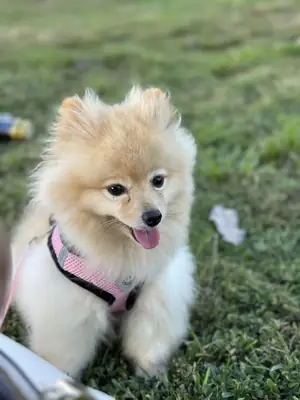
small dog, needs more attention

pug not free
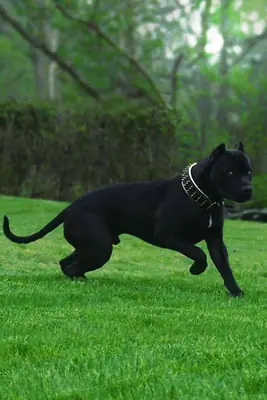
Presa Canario for Sale in the UK
Haven't found the pet you're looking for? Let people who want to find a new home for their pet reach out to you.
Create your free pet adoption request listing now and be seen by thousands of pet owners.
Other listings in your area
Presa Canario for Sale in the UK
pug not free
small dog, needs more attention
Popular Searches
Paid dog listings in Norwich
Paid dog listings in Norwich should give buyers enough information to judge trust, health and legality before any payment is discussed. A useful listing should include the dog’s age, breed or mix, size, price, health status, microchip details, vaccination records, worming and flea treatment, temperament, parent-dog information and the reason the dog is being sold.
On Petopic, Norwich paid dog listings should help users avoid rushed purchases, vague sellers and weak paperwork. A beautiful puppy photo means nothing if the buyer cannot verify the seller, see proper records, understand the dog’s care needs or confirm that the handover is safe and traceable.
Buy a dog in Norwich
People searching to buy a dog in Norwich usually want a local, trustworthy and healthy dog, but location alone is a weak filter. The buyer should check whether the dog is old enough to leave, microchipped, vaccinated where appropriate, treated for worms and fleas, and supported by clear handover documents.
A strong listing should also explain temperament, exercise needs, training level, child compatibility, cat compatibility, other-dog behaviour and expected adult size for puppies. The real question is not “can I buy this dog today?” but “can I prove this dog is healthy, legally transferred and right for my home?”
Dogs for sale Norwich
Dogs for sale in Norwich may include puppies, adult dogs, pedigree dogs, mixed breeds, small dogs, working breeds and family companions. A serious listing should not rely on price and photos alone; it should provide real evidence about the dog’s health, history and suitability.
Buyers should look for clear seller identity, accurate location, microchip status, vaccination history, health records, temperament notes, parent information for puppies and a written agreement. If the seller avoids questions, pressures quick payment or refuses proper viewing, the listing is not strong enough.
Puppies for sale Norwich
Puppies for sale in Norwich need stricter checks than adult dog listings. The listing should state the puppy’s exact age, microchip status, vaccination stage, worming and flea treatment, diet, expected adult size, parent-dog information, socialisation environment and whether the puppy can be seen with its mother.
A puppy should not be treated like a product ready for instant collection. A good seller should ask questions about the buyer’s home, routine and experience. If the listing pushes deposits before proper checks or hides the puppy’s environment, walk away.
Puppies for sale Norfolk
Puppies for sale in Norfolk can include Norwich and nearby areas such as Wymondham, Dereham, Aylsham, Thetford, Great Yarmouth and King’s Lynn. A wider location search may show more options, but the buyer should not lower standards just because the puppy is nearby.
A strong Norfolk puppy listing should mention breeder details, licence information where required, health records, microchip, vaccination, mother-dog visibility, home environment and handover terms. Convenience is not a welfare standard. The best listing is the one that proves the puppy has been raised properly.
Licensed dog breeders Norwich
Licensed dog breeder searches in Norwich are high-intent because users want to avoid illegal sellers, puppy farming and hidden welfare problems. A serious listing should show licence details where required and make the seller’s identity and location clear.
Licence wording should not be decorative. Buyers should be able to check who is selling, where the puppies were raised, whether the parent dogs are available to view, what health checks were completed and what documents come with the puppy. If a seller avoids licence questions, that is a red flag.
Health checked puppies Norwich
Health checked puppies in Norwich should be backed by real veterinary records, not a vague sentence saying “healthy pups”. The listing should explain what has been checked, when it was checked, whether vaccination has started, whether worming and flea treatment are up to date and whether any breed-specific testing applies.
For some breeds, health testing of the parents matters as much as the puppy’s first check. Hip scores, eye testing, DNA screening, heart checks or breathing assessments may be relevant depending on the breed. A strong listing names the evidence instead of hiding behind generic reassurance.
Microchipped dogs for sale Norwich
Microchipped dogs for sale in Norwich should have clear transfer information. The listing should state whether the dog is microchipped, which records will be given at handover and how keeper details will be updated after the sale.
Microchip status is not a bonus; it is a basic traceability requirement. If the seller says the buyer can “sort it later” or cannot explain the record transfer, the listing is weak. A responsible sale should leave no confusion about identity and ownership details.
Small dogs for sale Norwich
Small dogs for sale in Norwich are often searched by people living in flats, terraces or smaller homes, but small size does not guarantee easy care. Small dogs can bark, guard resources, struggle with alone time, dislike handling or need careful training.
A good listing should explain noise level, house training, child compatibility, grooming needs, dental care, lead behaviour and whether the dog can live calmly in a smaller home. “Tiny” or “toy size” is not enough. Behaviour and health matter more than size.
Family dogs for sale Norwich
Family dogs for sale in Norwich should be described with evidence, not marketing language. “Good family dog” should mean the dog has a suitable temperament, stable behaviour, appropriate energy level and a known response to children, visitors, noise and daily household activity.
A serious listing should say whether the dog has lived with children, how it reacts to handling, toys, food, sudden movement and busy rooms. Families should avoid listings that use “family raised” as a selling line without explaining the dog’s actual behaviour.
Pedigree dogs for sale Norwich
Pedigree dogs for sale in Norwich can offer traceability, but pedigree alone is not proof of a healthy or responsible purchase. Buyers should still check parent health, breed-specific testing, temperament, breeder transparency and puppy-raising conditions.
A strong listing should mention documents, parent details, health testing and any known breed risks. If the advert focuses only on pedigree, rare colour or “excellent lines” while ignoring welfare and health evidence, the priorities are wrong.
Adult dogs for sale Norwich
Adult dogs for sale in Norwich require different checks from puppies. Buyers should ask why the dog is being sold, whether it is house trained, how it behaves alone, whether it pulls on the lead, whether it has lived with children, cats or other dogs, and whether any behavioural problems exist.
An adult dog listing should not hide behind “no fault of his own” without detail. The buyer needs to know the dog’s real routine, triggers, health record, microchip transfer, neutering status and suitability for the new home.
Cheap dogs for sale Norwich
Cheap dogs for sale in Norwich can be risky if the low price hides poor breeding, missing records, illness, pressure selling or unclear ownership. Price should never be the main reason to buy a dog.
A lower price may be understandable for an adult rehome or urgent situation, but the listing still needs microchip details, health records, behaviour notes and a safe handover. If the seller cannot provide basic evidence, the “cheap” dog can become expensive fast through vet bills, behaviour support and legal confusion.
Dog sale contract Norwich
A dog sale contract in Norwich should make the handover clear before money changes hands. It should include seller and buyer details, dog identity, microchip information, health records, price, deposit terms, return terms and any promises made about vaccination, neutering or pedigree documents.
Verbal promises are weak. A written agreement protects the buyer, the seller and the dog. If the seller avoids paperwork, refuses receipts or wants payment before viewing, the listing should be treated carefully.
Frequently Asked Questions
What should I check before buying a dog in Norwich?
Check the dog’s age, breed or mix, size, health records, microchip status, vaccination history, worming and flea treatment, temperament, parent information for puppies, seller identity and handover documents.
You should also check whether the dog suits your home, work schedule, experience, budget and long-term routine. A good photo is not enough evidence.
How old should a puppy be before sale?
A puppy should not be sold too young. Buyers should expect the puppy to be old enough to leave its mother, properly identified, eating independently and supported by appropriate health records.
If a seller offers a very young puppy or avoids age questions, that is a serious red flag. Walk away rather than rewarding a risky sale.
Should a dog for sale be microchipped?
Yes. Microchip information should be clear before handover, and keeper details should be updated correctly after the sale.
Ask for the microchip record and transfer process. If the seller cannot explain it, the listing is weak and should be questioned before payment.
Do Norwich dog breeders need a licence?
A breeder may need a licence if they are breeding as a business or producing enough litters and selling puppies. Buyers should ask for licence details where required and check that the seller is transparent.
If a seller avoids licence questions, uses vague language or refuses to show proper records, treat the advert as high risk.
What documents should I receive when buying a dog?
You should receive clear handover documents, microchip information, vaccination records, worming and flea treatment details, health records, receipt or contract, and pedigree documents if relevant.
For puppies, you should also receive feeding guidance, socialisation information and advice for the first days at home.
Should I see the puppy with its mother?
Yes, seeing the puppy with its mother helps confirm where the puppy was raised and whether the seller’s story is credible.
If the seller refuses, offers excuses, suggests delivery only or wants to meet away from the puppy’s home environment, be extremely cautious.
Are cheap puppies in Norwich risky?
They can be. A low price may hide poor breeding, illness, missing records, unclear ownership, pressure selling or future vet costs.
Price should never replace proper checks. Health records, microchip details, seller transparency and puppy environment matter more than a cheap deal.
What are red flags in dog sale adverts?
Red flags include no microchip details, no health records, no licence clarity, no parent-dog visibility for puppies, pressure to pay quickly, delivery-only offers, generic photos and vague seller identity.
A responsible seller should welcome questions. If the advert avoids evidence and pushes speed, walk away.
Is pedigree enough when buying a dog?
No. Pedigree can help with traceability, but it does not prove health, temperament or responsible breeding.
Buyers should still check health tests, parent temperament, breeder transparency, puppy environment and handover records.
Should I pay a deposit before seeing the dog?
Be very careful. Paying before seeing the dog, checking records and verifying the seller can expose you to scams or unsafe purchases.
A serious seller should allow proper questions, viewing, documentation checks and clear written terms before taking money.
Can an adult dog for sale be a good choice?
Yes. An adult dog may have a clearer temperament, known size, established routine and visible behaviour compared with a puppy.
However, ask why the dog is being sold, whether it is house trained, how it behaves alone, whether it has lived with children or pets, and whether any health or behaviour issues exist.
What is the biggest mistake when buying a dog in Norwich?
The biggest mistake is choosing by photo, price, breed trend or convenience without checking health records, microchip transfer, seller credibility, licence status where required and long-term suitability.
A responsible purchase starts with evidence. If the seller cannot prove the dog’s background and welfare, do not buy.