Free Husky for Adoption
There are 476 Siberian Husky listings live right now, last updated 3 days ago. Browse Siberian Husky... There are 476 Siberian Husky listings live right now, last updated 3 days ago. Browse Siberian Husky adoption and rehoming listings from across the UK. Compare puppies and adult Huskies by location, a... There are 476 Siberian Husky listings live right now, last updated 3 days ago. Browse Siberian Husky adoption and rehoming listings from across the UK. Compare puppies and adult Huskies by location, age, sex, photographs and the information supplied by their current carers to find a dog whose needs could fit your home, experience and daily routine.
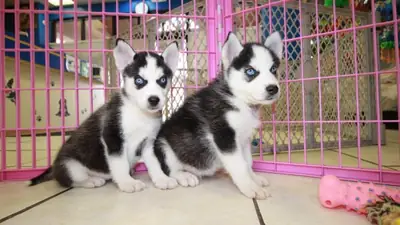
cachorros de Husky Siberiano
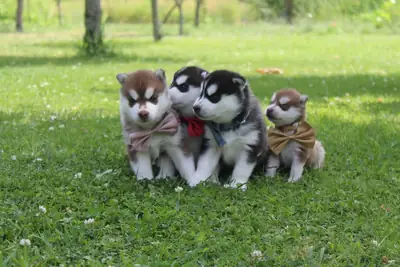
¡Adorables cachorros de husky disponibles! ***
Siberian Husky (Please contact me via email on photos )
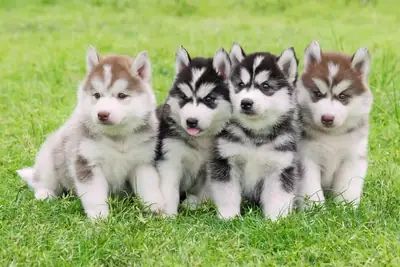
Cachorros Husky distinguidos y juguetones ***
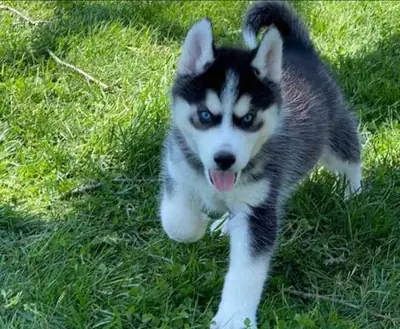
,,,,Regalo Cachorros Yorkshire Terrier Whatsapp (***

Siberian Husky Puppy
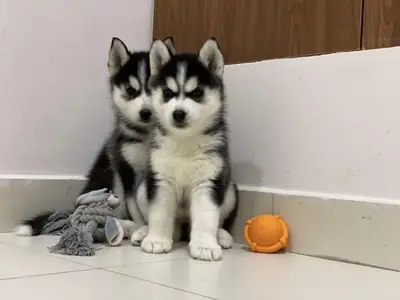
.Regalo Cachorros Husky Siberiano Whatsapp (***
2 Siberian Husky Puppies for free. ( please contact me via email on photos)
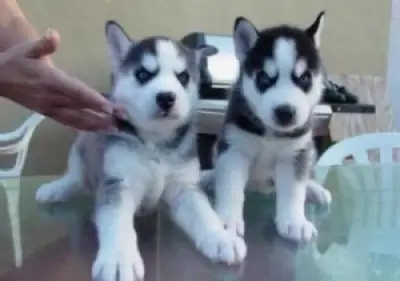
Husky puppies are looking for a home.
Siberian Husky Pups ( please contact me via email on photos)
cachorros Husky Siberiano para adopcion
Cute Siberian Husky puppy for sale

AKC Yorkie Puppies ( please contact me via email on photos)
Preciosos cachorros de Husky listos para su hogar definitivo WhatsApp: ***
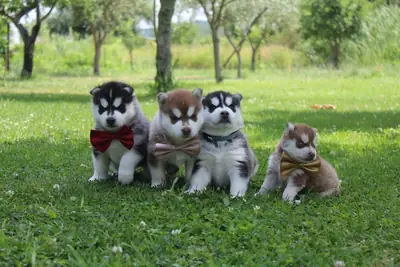
Cachorros Husky alegres y especiales ***
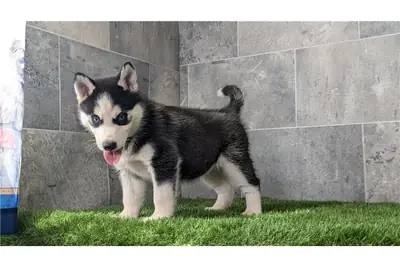
Regalo Cachorros Husky Siberiano Whatsapp (***.
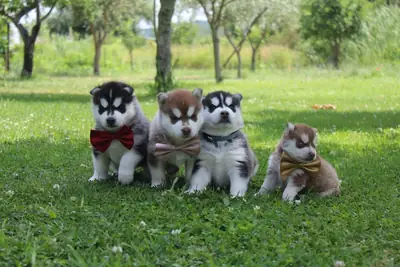
Cachorros Husky encantadores y llenos de vitalidad ***
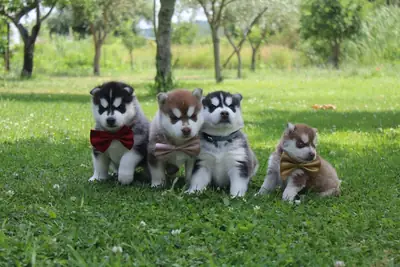
Cachorros Husky bellos y enérgicos ***
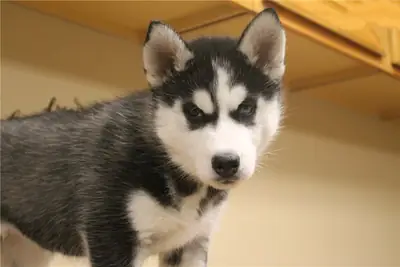
Adorables cachorros de Husky Siberiano – WhatsApp: ***
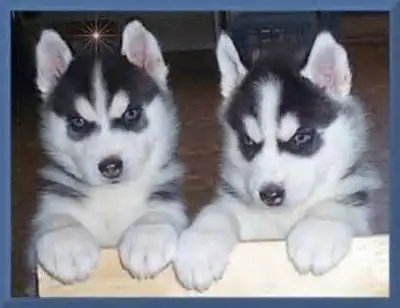
Štěňata sibiřského huskyho na prodej
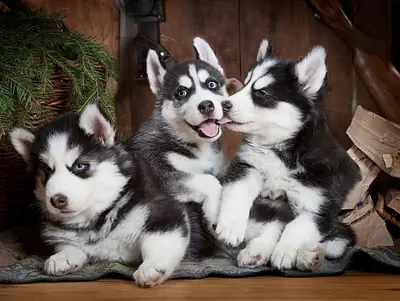
Preciosos cachorros de husky siberiano.
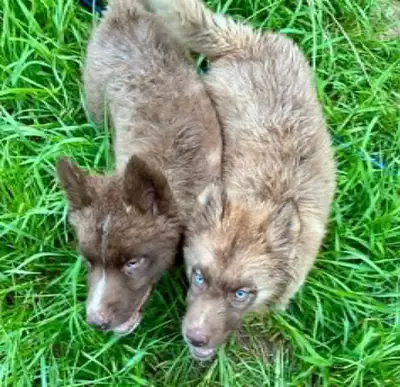
Stunning Blue-Eyed Siberian Huskies 👀❄️ dm me on Whatsapp
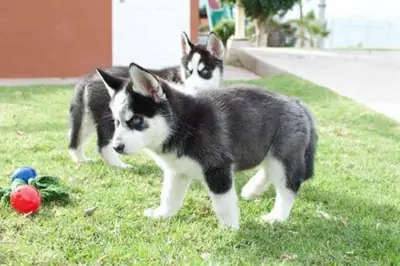
Siberian Husky Puppies available for adoption
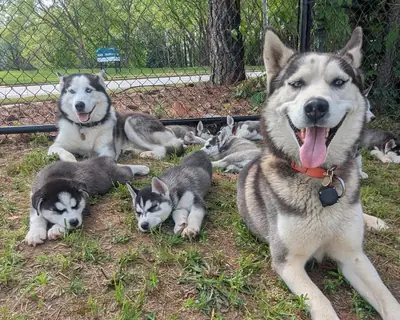
Precioso cachorro de husky busca un hogar definitivo – WhatsApp: ***
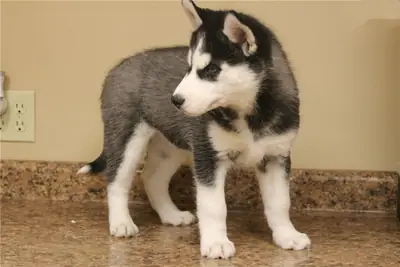
Precious Siberian Husky Puppies – Sweet Personalities

Adorables cachorros Siberian Husky registrados en AKC – ¡ojos azules y criados en familia!
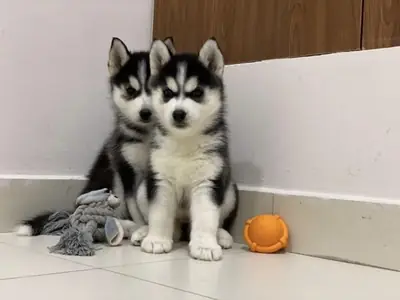
';Adorables cachorros de Husky Siberiano en adopción whatsapp (***
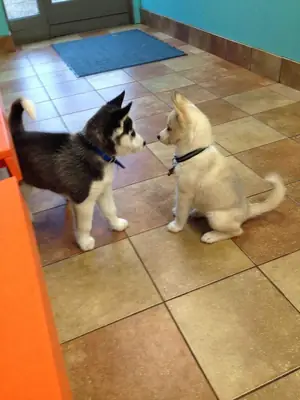
Cachorros Husky radiantes y cariñosos ***
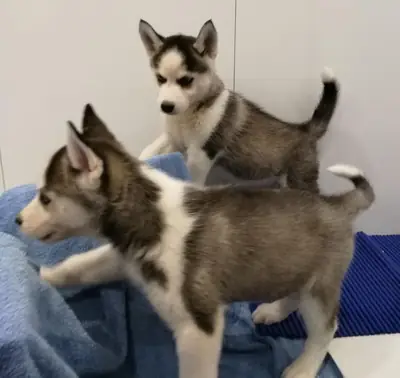
Hermosos cachorros de husky: activos y cariñosos WhatsApp: ***
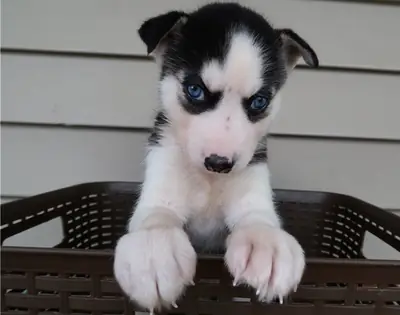
Pedigree Siberian Husky Puppies
Haven't found the pet you're looking for? Let people who want to find a new home for their pet reach out to you.
Create your free pet adoption request listing now and be seen by thousands of pet owners.
While waiting for answers from pet friends, would you like to support homeless street animals?
At petopic, every pet friend who completes daily tasks means 1 bowl of food donated to a street animal. You can view your daily tasks from your profile.
Wolf Dog Complete Guide: Traits, Care, Nutrition and Training
Comprehensive Wolf Dog guide covering breed characteristics, temperament, weight chart, pricing, nutrition plans, health risks, training methods, legal regulations and daily care requirements.
Popular Searches
husky adoption
Husky adoption is one of the clearest breed-focused searches used by people who already know what kind of dog they want. They are not looking for a broad dog adoption page or a generic breed article. They want active Husky listings, real availability, and a direct way to review dogs that are ready for a new home.
This page is built around that exact intent. It keeps the focus on Husky adoption, free rehoming opportunities, and real listing visibility so visitors can compare available dogs and move toward contact without getting lost in unrelated content.
Siberian Husky adoption
Siberian Husky adoption is an important variation because many users search with the full breed name instead of the shorter Husky version. These visitors usually want breed-specific results that feel more precise from the first click and are often already comparing real adoption options.
That is why this page should serve both Husky and Siberian Husky wording naturally. The search phrasing changes, but the intent stays the same: find a dog that is currently available and review the listing closely before reaching out.
husky rescue near me
Husky rescue near me is a strong search because many people looking for this breed are open to rescue-led placement rather than only owner-posted listings. They want nearby dogs they can realistically follow up on and a page that helps them compare what is actually available.
This phrase matters because rescue intent is a real part of how people search for Huskies in English-speaking markets. It keeps the page aligned with adoption demand while staying tightly focused on live listings and real placement opportunities.
free husky rehoming
Free Husky rehoming is a high-intent search phrase used by people looking for direct placement opportunities rather than breeder-style selling pages. In many cases, the goal is simple: find a Husky that needs a responsible new home and review the listing before reaching out.
A strong free rehoming page should make it obvious whether the dog is currently available, where the Husky is located, and what kind of home the current owner is hoping to find. That clarity is what helps the page feel useful instead of empty.
husky puppies and dogs near me
Husky puppies and dogs near me matches the way many real users search when they want both young and adult dogs in one result set. They are not always filtering by age first. They often want the strongest nearby listings and then decide whether a puppy or an adult Husky fits better.
This makes the phrase especially useful for a listing page. It captures practical search behavior without pushing the content into puppy care, training, or other off-topic directions.
Siberian Husky for adoption
Siberian Husky for adoption is a direct search phrase used by people who want available dogs, not background reading. When someone uses this wording, they are usually already comparing options and want a page that immediately confirms relevance from the title through the visible content.
That is why this page stays tightly aligned with listing intent. It is meant to help users review Siberian Husky adoption opportunities, compare available dogs, and move closer to contacting the right listing instead of wasting time on unfocused pages.
adopt a Siberian Husky
Adopt a Siberian Husky is the kind of search used by people who are close to making a real decision. They often already know the breed they want and are not interested in broad dog content that forces them to dig for the actual opportunity.
This phrase belongs here because it reflects a clear action-driven intent. The wording is more personal and direct, but the goal stays the same: find a real Husky listing that can lead to a real adoption conversation.
huskies that need rehoming
Huskies that need rehoming is a natural phrase for users who search in a more human way instead of using only short keyword strings. These users usually want active dogs that genuinely need a new home rather than broad breed information or content that makes them dig again.
This is an important variation because it matches how people often search when they are close to acting. The phrase feels practical, urgent, and listing-focused, which makes it a strong fit for this page.
adult husky for adoption
Adult Husky for adoption is an important variation because not every adopter wants a puppy. Many users prefer adult dogs because listings often provide clearer background information, a more obvious household fit, and a more straightforward adoption decision.
This is not a side topic. It is a direct variation of Husky adoption demand, and it helps the page cover real searches people use when they want an available dog rather than general breed information.
female husky for adoption
Female Husky for adoption reflects another real way people narrow their search after deciding on the breed. Some adopters come in already wanting a female dog, so they search more specifically instead of browsing every Husky listing in the area.
Including this phrase adds useful depth to the page because it reflects how adopters actually filter choices. It stays inside the same adoption intent without dragging the page into off-topic territory.
husky available for adoption
Husky available for adoption is a search phrase that signals immediate listing intent. The person is not casually exploring breeds. The person is looking for a Husky that is currently open for adoption and a page that shows actual opportunities rather than vague promises.
That is why the page should talk clearly about available Huskies, current listings, and adoption pathways. Strong relevance comes from helping the searcher find what is live and actionable right now.
free husky adoption listings
Free Husky adoption listings combines the strongest conversion-heavy terms into one search phrase. People who use this wording usually want breed-specific results, want free or lower-barrier rehoming options, and want to avoid pages that are really sales pages in disguise.
This page should match that expectation by staying fully aligned with Husky adoption, free rehoming listings, and current availability. That is what gives the page depth without turning it into thin or repetitive filler.
Frequently Asked Questions
Where can I find Husky adoption listings?
You can find Husky adoption listings by browsing dogs currently available for adoption or rehoming. This page is built specifically for users who want Husky listing results instead of broad dog adoption pages.
A focused listings page helps visitors compare real opportunities faster and understand whether a Husky is currently available before they spend time reaching out.
Are there free Husky rehoming listings available?
Yes, some listings may appear as free Husky rehoming opportunities from owners or families who need to place their dog in a new home. These listings can be especially relevant for users who want direct rehoming rather than breeder-style selling pages.
The best approach is to review each listing carefully and focus on the ones that clearly explain the dog’s situation, location, and current availability.
Can I adopt a Siberian Husky directly from an owner?
Yes, many Husky rehoming listings are posted by owners who can no longer keep their dog and are looking for a responsible new home. In those cases, the listing page becomes the main connection point between the current owner and a serious adopter.
That is why clear listing detail matters so much. The more transparent the post is, the easier it becomes to judge whether the opportunity is genuine and worth pursuing.
What should I check in a Husky adoption listing?
You should check the dog’s age, location, sex, current availability, and whether the listing clearly explains the adoption or rehoming situation. The strongest listings usually make it easier to understand what kind of home the Husky needs and whether the match is realistic.
Good adoption decisions start with good listing detail. Thin or vague posts often waste time because the adopter has to guess too much before even making contact.
Do Husky adoption listings include puppies and adult dogs?
Yes, Husky adoption listings may include puppies, young dogs, and adults depending on current availability. That is why many users search for both Husky puppies and dogs near them and adult Husky adoption options.
A breed-specific page helps keep those variations in one place, which makes the search experience more focused and easier to compare.
What is the difference between Husky adoption and Husky rehoming?
In many cases, the end goal is the same: helping a Husky move into a suitable new home. The main difference is usually how the listing is described. Adoption is often used more broadly, while rehoming can point more directly to owner-led placement.
That is why both terms belong on the same page. Searchers use different wording, but the intent often overlaps heavily.
Can I find Husky rescue listings near me?
Yes, many users search for nearby Husky rescue opportunities because local listings can make meetings, communication, and follow-up more practical. That is why location-based rescue and adoption searches are common for this breed.
Still, the closest listing is not always the best one. A clear and trustworthy listing usually matters more than distance alone.
Can I search for a female or adult Husky for adoption?
Yes, some adopters narrow their search by sex or age and look for a female Husky for adoption or an adult Husky for adoption. These are normal listing refinements once someone has already decided on the breed.
That is why those variations belong on a focused Husky page. They reflect how real adopters filter available dogs when they want a more specific match.
How do I contact someone about a Husky rehoming listing?
Before contacting the listing owner, read the post carefully and make sure the dog actually fits what you are looking for. A useful message should reflect the details in the listing rather than looking like generic copy sent to every dog page.
The more relevant your message is to the specific Husky listing, the better the chance of starting a serious and productive conversation.
Why is a dedicated Husky adoption page better than a general dog page?
Because someone searching Husky adoption already knows the breed they want. They are not casually browsing every dog type. They want Husky-specific listings that feel immediately relevant to the search.
A dedicated page serves that intent better by keeping the title, headings, and visible content aligned with the exact query from top to bottom.