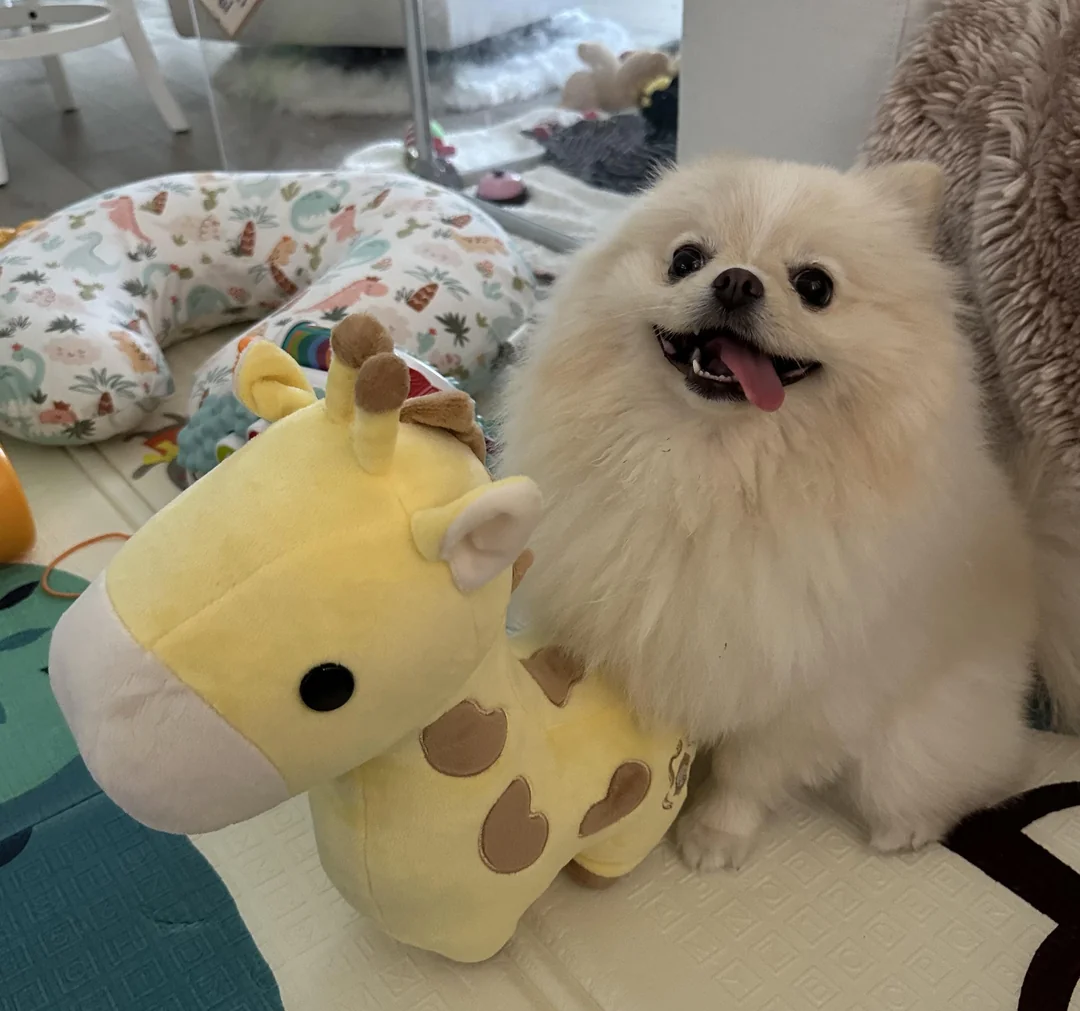
The Pomeranian: What You Are Really Getting Into
Pomeranians consistently rank among the most searched dog breeds globally, and the reasons are not difficult to understand. They photograph beautifully, they travel well, they do not need a large yard, and they tend to form unusually deep bonds with their people. What the search results do not always tell you is that these same dogs can bark for forty minutes straight, refuse to come when called, and develop serious behavioral issues if their owners treat them like accessories rather than dogs. This guide is built on that honesty. By the end, you will know whether a Pomeranian fits your actual life, not the Instagram version of it.
Pomeranian Breed History and Origin
The Pomeranian belongs to the spitz family, a group of northern breeds characterized by their thick double coats, erect ears, and tail carried over the back. The breed originates from the historical Pomerania region, now divided between northern Germany and Poland, where larger ancestors of today's Pomeranian were used as sled and herding dogs.
The transition to the toy-sized dog we know today happened largely through the influence of European royalty, most famously Queen Victoria of England. In 1888, she acquired a small Pomeranian during a trip to Florence and subsequently championed breeding toward a significantly reduced size. By the early 1900s, the Pomeranian had shrunk to roughly half its earlier weight and was firmly established as a fashionable companion breed. The American Kennel Club recognized the breed in 1900, and it has remained consistently popular ever since.
Pomeranian Characteristics: Appearance in Detail
Size and Build
- Weight: 3 to 7 pounds (1.4 to 3.2 kg) for breed standard; some individuals marketed as "teacup" weigh even less, which comes with additional health concerns
- Height: 6 to 7 inches (15 to 18 cm) at the shoulder
- Build: Compact and well-balanced with a slightly square outline
- Lifespan: 12 to 16 years on average, with many reaching their late teens
Coat and Color
The Pomeranian coat is one of its most defining features and also one of its highest maintenance requirements. It consists of two distinct layers: a dense, soft undercoat and a longer, harsher-textured outer coat that stands away from the body, creating the characteristic puffy appearance. The ruff around the neck and chest is especially pronounced.
The breed comes in more color variations than almost any other recognized breed, including:
- Orange and red (the most historically common and recognizable)
- Cream and white
- Black and black and tan
- Blue and blue sable
- Chocolate and beaver
- Merle (a pattern, not a base color)
- Parti-color (white base with patches)
- Sable (hairs tipped with black over various base colors)
Merle and rare color variations are often marketed at significantly higher prices. It is worth knowing that merle breeding requires careful genetic management to avoid associated health defects, particularly hearing and vision problems in dogs bred from two merle parents.
Pomeranian Temperament: The Real Story
Understanding Pomeranian temperament before you commit is essential, because the gap between the breed's reputation and its actual behavioral reality is wider than most people expect.
What Pomeranians Do Well
- Forming deep bonds: A well-socialized Pomeranian is genuinely devoted. They tend to follow their person from room to room and are highly attuned to emotional states.
- Alertness: They make excellent watchdogs in the true sense. They will notice and announce anything unusual happening around the home.
- Adaptability to living space: A Pomeranian does not care whether you live in a studio apartment or a large house, as long as their social and mental needs are met.
- Learning: They are quick and willing learners when trained correctly. They can master complex tricks and demonstrate genuine problem-solving ability.
- Entertaining personality: Life with a Pomeranian is rarely dull. Their confidence and expressiveness make them genuinely engaging companions.
Where Owners Struggle
- Barking: This is consistently the number one complaint from Pomeranian owners. The breed has a naturally high-pitched, persistent bark and will use it to communicate boredom, excitement, alarm, frustration, and sometimes nothing identifiable at all.
- Fragility: Their small bones are easily injured. A fall from a couch, a misplaced step, or rough handling from a child can cause fractures or dislocations.
- Stubbornness: Pomeranians are not passive. They have opinions and will test boundaries repeatedly, particularly if early training was inconsistent.
- Separation sensitivity: Many Pomeranians develop anxiety-related behaviors when left alone for extended periods. This is manageable but requires proactive conditioning.
- Small dog syndrome: A behavioral pattern that develops when owners excuse or laugh at behaviors in a small dog that they would never accept in a larger one. The result is a dog that has never learned appropriate boundaries and becomes increasingly difficult to live with.
Pomeranian Price: What Does a Pomeranian Actually Cost?
Pomeranian pricing is one of the most searched aspects of the breed, and there is genuinely wide variation that can be confusing for buyers approaching it for the first time.
Pomeranian Puppy Price From a Breeder
- Pet-quality puppy, reputable breeder: $1,500 to $4,000 in the United States; £1,500 to £3,500 in the UK
- Show-quality or champion-line puppy: $4,000 to $12,000+
- Rare color variations (merle, white, lavender): $3,000 to $8,000 and above
- Adult dogs from breeders: $500 to $2,000 depending on age and reason for rehoming
Pomeranian Adoption Cost
- Rescue organization: Typically $150 to $500, usually inclusive of spay/neuter, vaccinations, and microchip
- Municipal shelter: $50 to $250 depending on location
A Note on Teacup Pomeranians
"Teacup" is not a recognized size category by any kennel club. It is a marketing term applied to dogs bred below the standard weight range, often commanding dramatically inflated prices of $3,000 to $10,000+. These extremely undersized dogs carry significantly elevated health risks including hypoglycemia, heart defects, and skeletal fragility. Approach any breeder marketing teacup Pomeranians with serious caution.
Total Cost of Pomeranian Ownership
The purchase price is a fraction of what you will spend over the dog's lifetime. Our detailed resource on the real annual cost of owning a dog breaks this down comprehensively, but here is a realistic summary specific to Pomeranians:
- Food (small breed, high quality): $400 to $900 per year
- Routine veterinary care: $600 to $1,500 per year
- Professional grooming (every 6 to 8 weeks): $700 to $1,500 per year
- Dental care: $200 to $500 per year
- Parasite prevention: $200 to $400 per year
- Pet insurance (strongly recommended): $300 to $700 per year
- Unexpected veterinary costs: Budget $1,000 to $3,000 as an emergency reserve
Pomeranian Care: A Practical Daily and Weekly Guide
Grooming Requirements
Managing a Pomeranian coat is not a casual undertaking. Owners who do not go in prepared for this reality often find themselves overwhelmed by the volume and frequency of maintenance required.
- Brush the full coat at least three times per week using a pin brush, slicker brush, and metal comb. Work in sections and address the undercoat, not just the surface.
- During seasonal shedding in spring and autumn, daily brushing is not excessive. The undercoat blows out completely and will mat rapidly without intervention.
- Schedule professional grooming every six to eight weeks. A skilled groomer will shape the coat, address sanitary areas, clean ears, and trim nails.
- Never shave a Pomeranian to the skin. Post-clipping alopecia, a condition where the coat fails to regrow correctly after shaving, affects this breed at a notable rate. The double coat also serves critical thermoregulation functions in both heat and cold.
- Bathe every three to four weeks with a shampoo formulated for double-coated breeds. Dry thoroughly with a low-heat dryer to prevent the undercoat from matting while damp.
- Brush teeth two to three times per week minimum. Small breed dental disease is serious, progressive, and expensive to treat when left unaddressed.
- Check and clean ears weekly. Pomeranians with dense ear fur are prone to moisture retention and resulting infections.
Nutrition and Feeding
- Choose a high-quality dry kibble formulated specifically for toy or small breeds. The smaller kibble size supports dental health and appropriate caloric density.
- Feed adults twice daily. Feed puppies three to four times daily to prevent hypoglycemia.
- Pomeranians are prone to obesity. Measure portions rather than free-feeding and keep treats within ten percent of total daily caloric intake.
- Never offer chocolate, grapes, raisins, onion, garlic, xylitol, or macadamia nuts. These are toxic to dogs with consequences ranging from severe gastrointestinal distress to organ failure. If accidental ingestion occurs, knowing how to recognize pet poisoning symptoms and respond immediately could be the difference between a manageable situation and a tragedy.
Exercise Needs
- Two walks per day totaling 20 to 30 minutes meets the basic physical requirement for most adult Pomeranians.
- Mental exercise matters as much as physical exercise. Puzzle feeders, scent games, and short training sessions prevent the boredom that manifests as destructive behavior or compulsive barking.
- Use a well-fitted harness, not a neck collar. Tracheal collapse is a genuine structural risk in this breed and collar pressure directly aggravates it.
- Limit outdoor time in extreme heat. Their coat traps heat and they can overheat faster than owners typically expect.
Pomeranian Health: Common Conditions to Know
A responsible Pomeranian owner understands the breed's health vulnerabilities before they become emergency situations.
- Patellar luxation: The kneecap slips out of its groove, causing skipping gait, pain, and potential lameness. Ranges from Grade 1 (mild, manageable) to Grade 4 (surgical correction required).
- Tracheal collapse: Progressive weakening of the cartilage rings supporting the windpipe. Classic sign is a honking cough. Managed with medication and lifestyle adjustments; harness use is critical.
- Dental disease: Small mouths create overcrowding that accelerates plaque and tartar accumulation. Without consistent dental hygiene, periodontal disease can develop before age five.
- Alopecia X: A poorly understood hormonal condition causing symmetric hair loss, often starting at the rear and back. Not life-threatening, but cosmetically significant and currently without a definitive cure.
- Hypoglycemia: Low blood sugar, most dangerous in young puppies and very small adults. Recognized by weakness, disorientation, trembling, and in severe cases seizure or unconsciousness.
- Heart disease: Mitral valve disease is common in older Pomeranians. Annual cardiac screening after age seven is advisable.
- Eye conditions: Cataracts and dry eye occur in the breed. Regular eye exams after middle age are worthwhile.
Setting up a thorough health baseline from day one puts you in a far stronger position to catch problems early. Our guide on what to do at your first veterinary visit covers exactly what to discuss, what tests are worth running early, and how to establish a preventive care plan that serves your Pomeranian across their entire lifespan.
Pomeranian Training: A Realistic Approach
Pomeranians are teachable. That point needs to be stated clearly, because the breed has an undeserved reputation among people who have encountered poorly trained individuals and drawn the wrong conclusion. The training failures most commonly associated with this breed are almost entirely a result of owner behavior rather than breed limitation.
Foundation Principles
- Start immediately: Begin the day the puppy arrives home. There is no grace period where rules do not apply. Every interaction either reinforces appropriate behavior or undermines it.
- Use positive reinforcement only: Reward-based training is not just kinder with this breed; it is more effective. Pomeranians shut down under aversive methods and develop avoidance behaviors that complicate training further.
- Keep sessions brief: Twelve to fifteen minutes, two to three times daily. Pomeranians learn in short, high-engagement bursts, not extended drilling sessions.
- Apply rules consistently across every person in the household: If one person allows the dog on the sofa and another does not, the dog will learn that the rule is negotiable. Negotiable rules are not rules.
- Train the dog you have, not the dog you imagined: Adjust your expectations and methods based on what is actually working, not on what should theoretically work.
Socialization: The Most Important Investment You Can Make
The socialization window between eight and sixteen weeks is the single highest-leverage developmental period in a dog's life. What a Pomeranian puppy is exposed to positively during this time directly shapes how they process novelty, strangers, other animals, and unfamiliar environments as an adult. Missed socialization is one of the leading causes of anxiety, reactivity, and fear-based aggression in small breeds. Our complete puppy socialization guide for 8 to 16 weeks gives you a week-by-week framework for doing this correctly and safely.
Toilet Training
Toilet training is an area where Pomeranian owners frequently struggle. Small bladder capacity, a tendency toward independence, and the breed's dislike of outdoor conditions (rain, cold, heat) all contribute to a process that takes longer and requires more patience than owners of larger breeds typically experience. Consistency in schedule, immediate outdoor access after meals and naps, and complete avoidance of punishment for accidents are the three non-negotiable components. For detailed, apartment-specific and home-specific strategies covering both puppies and adult dogs, our dog toilet training guide is a practical resource worth bookmarking.
Managing Behavioral Challenges
When behavioral problems emerge, understanding the root cause is the only way to address them effectively. In Pomeranians, most problem behaviors are expressions of one of three things: under-stimulation, anxiety, or a gap in boundaries that the dog is filling in their own way.
- Excessive barking: Address by identifying triggers, teaching an incompatible behavior (such as going to a mat), and ensuring adequate physical and mental exercise.
- Resource guarding: Counter-conditioning through systematic desensitization. Never punish guarding, as it suppresses the warning signal without addressing the underlying anxiety.
- Separation anxiety: Gradual, systematic departure training starting with absences of seconds and building slowly over weeks. This is a time-intensive process but entirely manageable with the right approach.
- Reactivity toward other dogs: Usually rooted in undersocialization. Management plus positive exposure protocols are the standard approach.
For a structured approach to the full range of behavior challenges that commonly affect this breed, our guide to dog behavior problems and practical solutions provides evidence-based strategies that work in real households, not just controlled training environments.
Is a Pomeranian Right for Your Specific Situation?
Pomeranians Tend to Thrive With
- Owners who are home often, working from home, or retired
- Singles, couples, and families with children over eight years old
- Apartment and small-home dwellers who can commit to daily walks
- People who enjoy active engagement with their dog including training and play
- Experienced dog owners who understand boundary-setting and consistency
Pomeranians Tend to Struggle With
- Households with toddlers or very young children (injury risk is significant)
- Owners who travel frequently or work twelve-plus hour days without dog care support
- People seeking a quiet, undemanding companion
- Those unwilling or unable to commit to regular grooming investment
- Allergy sufferers (shedding is substantial despite the breed's small size)
How to Adopt a Pomeranian: Step-by-Step
Adoption is increasingly the preferred route for prospective Pomeranian owners who have done their research. Thousands of Pomeranians and Pomeranian mixes are in rescue each year, many surrendered by owners who did not fully understand the breed's needs. Choosing to adopt gives a dog in need a second chance while also connecting you with an animal whose personality and behavioral tendencies are usually already well-documented by the rescue.
The Adoption Process
- Identify rescue organizations or adoption platforms listing Pomeranians in your area
- Review individual dog profiles carefully, paying attention to behavioral notes, history, and any known medical conditions
- Submit an application that honestly describes your home, lifestyle, and experience with dogs
- Participate in a meet-and-greet to assess compatibility in person
- Complete the rescue's standard approval process (home visit or video call in many cases)
- Sign the adoption contract and pay the adoption fee, which typically covers sterilization, microchipping, and vaccinations
- Bring your dog home with all health documentation and a clear understanding of any ongoing medical or behavioral needs
You can view current Pomeranian dogs available for adoption directly through Petopic, where each listing includes verified health and behavioral information. If you are open to exploring other breeds alongside your search, browsing the broader dog adoption listings gives you a complete view of dogs currently waiting for homes.
Choosing a Responsible Breeder (If Adoption Is Not Right For You)
- A responsible breeder will screen you as thoroughly as you screen them.
- You will be able to visit the facility and see puppies with their mother in a clean, socialized environment.
- Health clearances for both parents will be documented and available for review.
- No puppy will be placed before eight weeks of age.
- The breeder will provide ongoing support and maintain a take-back policy if circumstances change.
- Pricing that seems suspiciously low is a red flag, not an opportunity. Irresponsible breeding operations often undercut on price while cutting corners on health and welfare.
Frequently Asked Questions About Pomeranians
How much does a Pomeranian cost?
A Pomeranian puppy from a reputable breeder typically costs between $1,500 and $4,000 in the United States. Show-quality lineage and rare color variations push prices significantly higher, sometimes exceeding $10,000. Adoption through a rescue organization usually ranges from $150 to $500 and includes spaying or neutering, vaccinations, and microchipping, making it the most cost-effective and ethical route for most buyers.
Is a Pomeranian a good family dog?
Pomeranians can be excellent family dogs under the right conditions. They are affectionate, loyal, and entertaining companions with people they know and trust. Their small and fragile build makes them poorly suited to households with toddlers or very young children, where the risk of accidental injury is significant. With older children and adults who understand appropriate handling, they integrate well into family life.
Are Pomeranians aggressive?
Pomeranians are not an inherently aggressive breed. Most aggression-adjacent behavior in Pomeranians is fear-based or rooted in poor early socialization and boundary setting. Dogs that have been allowed to guard resources, snap at strangers, or bully larger animals without correction are demonstrating the result of insufficient training, not a fundamental breed trait. With consistent, positive training from puppyhood, the vast majority of Pomeranians are friendly, manageable, and social.
How long do Pomeranians live?
The average Pomeranian lifespan is 12 to 16 years. Well-maintained individuals with good genetics, appropriate nutrition, and consistent veterinary care frequently live into their mid to late teens. This is a long-term commitment that should factor seriously into the decision to bring one home, particularly for older adopters or those with major life changes anticipated in the coming years.
Are Pomeranians easy to train?
Pomeranians are intelligent, quick learners with a genuine desire to engage. They are not always easy to train in the practical sense because their independence and occasional stubbornness require patient, consistent, and well-structured positive reinforcement. Owners who approach training informally or give up at the first sign of resistance typically struggle. Owners who commit to a structured approach generally find the breed responsive and rewarding to work with.
Do Pomeranians bark excessively?
Barking is one of the most widely reported challenges with the breed. Pomeranians are naturally vocal alert dogs and will use their voice to communicate about visitors, unfamiliar sounds, boredom, excitement, and perceived threats. Training can reduce problematic barking substantially, but the breed's tendency to vocalize cannot be eliminated entirely. Anyone in a noise-sensitive living situation should factor this in before committing.
Can Pomeranians be left alone?
Most adult Pomeranians can tolerate being alone for three to four hours if properly conditioned from puppyhood. Beyond that threshold, many will develop stress behaviors including destructive activity, incessant barking, and house soiling. Owners who are away from home for extended periods regularly should arrange for midday visits, dog daycare, or a compatible companion animal to reduce isolation-related distress.
A Pomeranian that is well matched to its owner and properly raised is one of the most rewarding companion dogs available. If everything in this guide resonates with your lifestyle and expectations, the next step is straightforward. Browse the Pomeranian dogs currently available for adoption on Petopic, find one whose story connects with yours, and take the first step toward something that, done right, will improve both of your lives considerably.