Free Adoption of African Grey Parrots in Manchester
There are 4 African Grey Parrot listings live right now, last updated 14 Jul 2026. Find free African... There are 4 African Grey Parrot listings live right now, last updated 14 Jul 2026. Find free African Grey Parrot adoption listings in Manchester for people who want a highly intelligent, long-lived an... There are 4 African Grey Parrot listings live right now, last updated 14 Jul 2026. Find free African Grey Parrot adoption listings in Manchester for people who want a highly intelligent, long-lived and emotionally sensitive companion bird but understand that this parrot needs far more than a cage and a few words of speech. African Grey Parrots can be exceptional talkers, strong routine-followers and deeply bonded birds, so adopters should check proof of lawful ownership, CITES or Article 10 paperwork where relevant, ring or microchip details, age, sex, Congo African Grey or Timneh Grey background, handling confidence, one-person bonding, biting history, screaming or contact calls, feather plucking, stress triggers, cage size, daily out-of-cage time, flight ability, diet, seed-only habits, fresh food routine, calcium and vitamin A intake, bathing, sleep schedule, beak and foot condition, droppings, breathing, avian vet records, PBFD or PDD history, psittacosis awareness, quarantine needs, behaviour with children, cats, dogs and other birds, Manchester flat suitability, safe transport and the real reason for rehoming across Manchester, Salford, Stockport, Trafford, Didsbury, Chorlton, Ancoats, Northern Quarter, Fallowfield, Withington, Oldham, Rochdale, Bury, Bolton, Wigan, Tameside, Warrington and Greater Manchester.
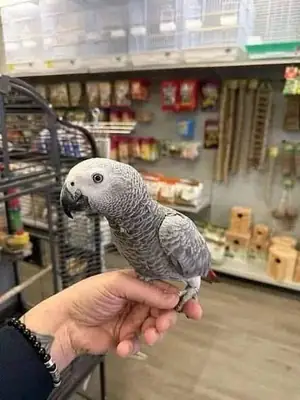
African Grey Parrots
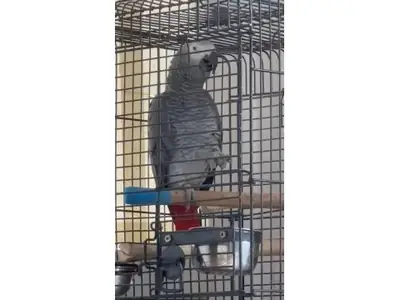
African Grey Parrot used to daily conversations looking for a new home
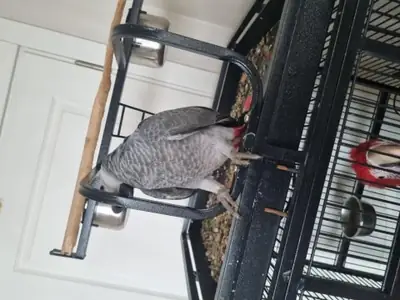
African Grey parrot that grew up around family conversations looking for a new home
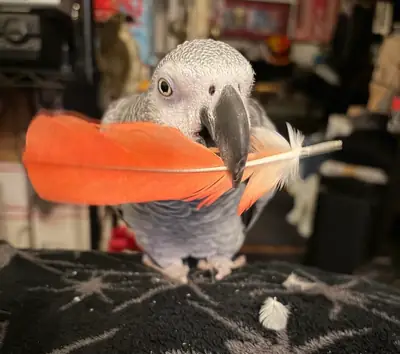
African Grey parrot that learned to live like a member of the family
Haven't found the pet you're looking for? Let people who want to find a new home for their pet reach out to you.
Create your free pet adoption request listing now and be seen by thousands of pet owners.
Other listings in your area
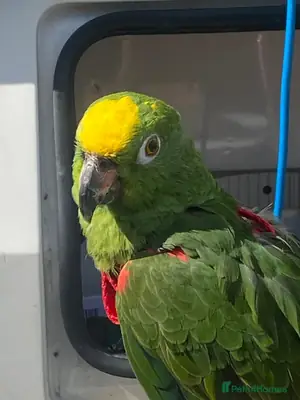
Amazon parrot
African Grey parrot that grew up around family conversations looking for a new home
African Grey Parrot used to daily conversations looking for a new home
African Grey parrot that learned to live like a member of the family
African Grey Parrots
Popular Searches
Free African Grey Parrot adoption Manchester
Free African Grey Parrot adoption in Manchester should be treated as a serious lifelong rehome, not a quick chance to get a talking bird. African Greys are intelligent, sensitive parrots that need routine, trust, space, mental work, safe handling and a home ready for decades of responsibility.
A strong listing on Petopic should explain ownership proof, CITES or Article 10 paperwork where relevant, ring or microchip details, age, sex, diet, cage size, daily out-of-cage time, talking habits, noise level, feather condition, biting history, vet notes and the exact reason for rehoming.
African Grey Parrot adoption Manchester
African Grey Parrot adoption in Manchester attracts people who want a clever, vocal and emotionally responsive bird. The mistake is choosing only because the parrot talks, then discovering the bird screams, plucks, bites, fears hands or bonds to one person only.
Ask about the bird’s normal day, trusted people, disliked people, words and sounds, sleep time, diet, cage position, vet history, feather condition, travel stress and whether the current owner can prove lawful ownership.
African Grey rehoming Manchester
African Grey rehoming in Manchester needs a clear reason. Owner illness, time pressure or family change is very different from rehoming caused by screaming, plucking, aggression, poor diet, missing paperwork, expensive vet care or unresolved stress.
Before collection, understand the bird’s routine: wake time, bedtime, food, bathing, cage time, out-of-cage hours, favourite person, fear triggers, words used, biting triggers and whether an avian vet has checked the bird recently.
African Grey rescue Manchester
African Grey rescue in Manchester can be a better route when the bird needs proper assessment before adoption. Many African Greys are rehomed because people underestimate intelligence, noise, boredom, bonding and long-term care.
Look for clear detail on diet, documents, feather plucking, screaming, biting, cage aggression, one-person bonding, other birds, children, dogs, cats, avian vet history and whether the bird needs an experienced parrot home.
Free to good home African Grey Manchester
Free to good home African Grey listings in Manchester can be genuine, but this phrase should make you more careful, not less. A free African Grey can still carry high vet, diet, housing and behaviour costs.
Ask for ownership proof, ring or microchip details, CITES or Article 10 paperwork where relevant, current photos or video, avian vet notes, cage setup, diet, feather condition, biting history and a safe handover plan.
African Grey Parrots for adoption Greater Manchester
African Grey Parrots for adoption across Greater Manchester may appear around Manchester, Salford, Stockport, Trafford, Didsbury, Chorlton, Ancoats, Fallowfield, Oldham, Rochdale, Bury, Bolton, Wigan and Tameside.
Widening the search helps because genuine African Grey rehomes are limited, but the match must still be judged by documents, health, diet, behaviour, cage size, daily routine and whether the adopter understands long-lived parrots.
Talking African Grey Parrot Manchester
Talking African Grey Parrot searches are powerful, but speech should not be the reason to adopt. Some African Greys mimic words, phones, alarms and voices brilliantly; others speak less and still need the same serious care.
Ask what the parrot already says, whether speech comes with screaming, whether it repeats distress sounds, whether it talks to people or objects and whether the bird is treated as a companion, not entertainment.
Congo African Grey adoption Manchester
Congo African Grey adoption in Manchester usually refers to the larger grey parrot with a red tail. The label should be backed by documents, ring or microchip details and ownership history where possible.
Ask about age, sex, CITES or Article 10 paperwork where relevant, diet, talking, handling, feather condition, plucking, biting, cage size and whether the bird has lived in a home similar to yours.
Timneh Grey Parrot adoption Manchester
Timneh Grey Parrot adoption in Manchester should not be mixed lazily with Congo African Grey listings. A Timneh Grey may have different size and appearance, but the same serious welfare checks apply.
Ask whether the bird is truly Timneh, whether documents match the species, whether ring or microchip details are present and whether diet, behaviour, vet history and handling are honestly described.
African Grey CITES paperwork Manchester
African Grey CITES paperwork in Manchester is not a minor detail. African Greys are highly protected, and any transfer involving payment or commercial use should be checked carefully before the bird changes hands.
Ask for species details, ownership history, ring or microchip number, documents that match the individual bird, and clear confirmation that the rehome is lawful and traceable.
African Grey Article 10 certificate Manchester
African Grey Article 10 certificate searches usually come from people worried about legal transfer. For free adoption, the situation may differ from commercial sale, but paperwork and ownership proof still matter.
Ask whether any payment, exchange, breeding, display or commercial element is involved. If yes, the paperwork should be checked before agreeing to anything.
Ringed African Grey Parrot Manchester
Ringed African Grey Parrot adoption is stronger when the ring number matches the paperwork and the bird’s history. A ring alone is not a complete welfare record.
Ask for clear ring details, age if known, species information, ownership proof and whether the ring is clean, comfortable and not causing injury or swelling.
Microchipped African Grey Manchester
Microchipped African Grey adoption can help confirm identity when documents rely on a chip. The chip number should match ownership records and any paperwork provided.
Ask who implanted the chip, whether an avian vet can scan it, whether keeper details can be updated and whether the current keeper has matching records.
One person African Grey Manchester
One person African Grey adoption in Manchester should be taken seriously. Some African Greys bond intensely to one person and reject partners, children, visitors or anyone who approaches the cage.
Ask who can handle the bird now, who cannot, whether it lunges at certain people, whether jealousy causes screaming or biting and whether a slow trust-building plan is realistic in your home.
Tame African Grey Parrot adoption Manchester
Tame African Grey Parrot adoption should be backed by current behaviour, not one old photo on a shoulder. A bird may step up for one owner and still be frightened, defensive or aggressive with a new person.
Ask for a recent video showing step-up, handling, return to cage, reaction to food bowls and how the bird behaves when the favourite person is not nearby.
African Grey biting Manchester
African Grey biting should be described directly before adoption. “Can be nippy” is useless if the bird bites from fear, cage guarding, hormones, jealousy, poor handling or pain.
Ask who the bird bites, when it happens, whether it breaks skin, whether warning signs appear and whether biting happens inside the cage, during step-up, around food or near the favourite person.
African Grey screaming Manchester
African Grey screaming in Manchester matters for flats, terraces, shared houses and neighbours. A Grey may contact-call, alarm-call, mimic loud sounds or scream when bored, frightened or left alone.
Ask when the screaming happens, how long it lasts, whether it is morning or evening based, whether neighbours complained and whether enrichment, sleep routine or attention patterns affect it.
Quiet African Grey Parrot Manchester
Quiet African Grey Parrot adoption should be checked carefully because quiet can mean settled, but it can also mean shut down, frightened or poorly stimulated.
Ask whether the bird talks, whistles, contact-calls, plays, explores, eats well and reacts normally to people. A silent bird with poor feathers or frozen posture needs deeper health and stress checks.
African Grey feather plucking Manchester
African Grey feather plucking adoption in Manchester needs full honesty. Plucking can be linked with stress, boredom, poor sleep, diet, illness, hormones, skin irritation or long-term emotional distress.
Ask when plucking started, whether skin is damaged, whether feathers regrow, whether the bird self-mutilates, whether diet changes helped and whether an avian vet ruled out medical causes.
Plucked African Grey adoption Manchester
Plucked African Grey adoption can be right for an experienced home, but the adopter must be realistic. Feathers may not fully return, and trust rebuilding can take months or years.
Ask for current photos, vet notes, diet history, sleep schedule, bathing routine, cage setup, stress triggers and whether the bird damages skin or only removes feathers.
African Grey stress signs Manchester
African Grey stress signs can be subtle. Freezing, pinning eyes, leaning away, feather chewing, sudden biting, screaming, reduced appetite, repetitive movements or fear of hands can all matter.
Ask what scares the bird, whether it dislikes towels, strangers, children, men, women, certain rooms, loud noises, new toys or changes in routine.
African Grey cage aggression Manchester
African Grey cage aggression should not be hidden. A bird that lunges at hands inside the cage may be fearful, territorial, hormonal or trained into defence by repeated poor handling.
Ask whether the bird exits voluntarily, steps up outside the cage, attacks food-bowl changes, guards toys or only allows the favourite person near the cage.
African Grey cage size Manchester
African Grey cage size in Manchester is a core adoption check. This bird needs a strong, spacious, safe cage with suitable bar spacing, proper locks, varied perches, toys, foraging and room to move comfortably.
Ask for cage dimensions, condition, cleaning routine, perch variety, toy safety and whether the bird also gets daily out-of-cage time in a safe room.
African Grey with cage Manchester
African Grey with cage in Manchester sounds convenient, but included cages can be too small, rusty, dirty, unsafe or emotionally tied to cage-guarding behaviour.
Ask whether the cage is large enough, safe, easy to clean, fitted with proper perches and toys, and whether the adopter should upgrade before bringing the bird home.
African Grey daily out-of-cage time Manchester
African Grey daily out-of-cage time is essential for movement, trust and mental health. A Grey kept in a cage most of the day may become bored, loud, fearful, plucked or defensive.
Ask how long the bird comes out, whether it flies, climbs, plays, forages, returns to the cage and whether windows, doors, kitchens, mirrors and pets are controlled during out time.
Flighted African Grey adoption Manchester
Flighted African Grey adoption can be excellent when the home is prepared. A flighted parrot needs safe windows, no open doors, no ceiling fans, no kitchen access during cooking and careful recall habits.
Ask whether the bird flies confidently, lands safely, panic-flies, returns to the cage and whether the current owner has a safe indoor flight routine.
Wing clipped African Grey Manchester
Wing clipped African Grey adoption needs caution because clipping can affect balance, confidence, safety and behaviour. A clipped bird can still fall badly or become more dependent and fearful.
Ask who clipped the wings, when it happened, whether feathers are regrowing, whether the bird can glide safely and whether confidence rebuilding will be needed.
African Grey diet Manchester
African Grey diet is one of the most important adoption checks. A seed-heavy routine may look normal to a casual owner but can be a long-term problem for health, feathers and weight.
Ask what the bird eats every day, whether pellets are used, what vegetables and safe fruits it accepts, whether calcium and vitamin A intake have been considered and whether diet changes have been guided carefully.
Seed only African Grey adoption Manchester
Seed only African Grey adoption in Manchester is a major warning sign. The bird may still be adoptable, but the adopter should expect a slow diet transition and possible avian vet involvement.
Ask how long the bird has eaten mostly seed, whether it accepts fresh food, whether it is overweight, whether feathers are poor and whether bloodwork or vet advice is available.
African Grey calcium Manchester
African Grey calcium questions matter because this species is often discussed around calcium balance and diet quality. Random supplementation without guidance is still a bad plan.
Ask what the bird eats, whether an avian vet has advised calcium support, whether bloodwork exists and whether the bird has weakness, seizures, poor feathers or egg-laying history if female.
African Grey fresh food routine Manchester
African Grey fresh food routine should be described clearly. A good rehome should not just say “eats well” while the bird lives on sunflower seeds and toast.
Ask what vegetables, leafy greens, safe fruits and pellets are accepted, how food is served, what is refused and whether uneaten fresh food is removed before spoiling.
African Grey bathing Manchester
African Grey bathing matters for feather condition and comfort. Some Greys enjoy misting, some prefer bowls, some hate showers because of past bad handling.
Ask how the bird bathes, how often, whether feathers look clean and smooth, whether dry skin or dust is excessive and whether bathing reduces feather chewing or stress.
African Grey sleep routine Manchester
African Grey sleep routine affects mood, biting, screaming and hormonal behaviour. A bird kept awake by TV, lights, visitors or late-night noise can become difficult fast.
Ask bedtime, wake time, cage cover routine, room location, night frights and whether the bird gets a consistent quiet dark period.
African Grey in flat Manchester
African Grey in flat Manchester can work only when noise, space, ventilation, neighbours, out-of-cage time and routine are realistic. A Grey is not a silent ornament for a small room.
Ask whether the bird is used to flats, hallway noise, lifts, neighbours, limited space and whether the cage location avoids kitchens, fumes, draughts and constant disturbance.
African Grey with children Manchester
African Grey with children should be judged carefully. A Grey may tolerate calm children, but sudden movement, shouting, grabbing or cage teasing can destroy trust and create biting.
Ask whether the bird has lived with children, what ages, whether it is scared by noise, whether it bites small hands and whether children can respect cage space and body language.
African Grey with cats Manchester
African Grey with cats in Manchester needs strict separation. A cat can injure a parrot quickly, and even stalking near the cage can create chronic stress.
Ask whether the bird has lived near cats, whether the cage can be kept in a secure cat-free room and whether flight time can happen behind closed doors with no cat access.
African Grey with dogs Manchester
African Grey with dogs should be managed carefully because barking, jumping, staring or chasing can frighten or injure a bird. A friendly dog is still a risk around a flying parrot.
Ask whether the bird has lived around dogs, whether the dog reacts to birds, whether rooms can be separated and whether flight time can happen without dog access.
African Grey with other birds Manchester
African Grey with other birds should be introduced slowly after quarantine. Some Greys tolerate other birds; others become jealous, territorial, stressed or aggressive.
Ask whether the Grey has lived with parrots before, whether it attacks smaller birds, whether it screams near other cages and whether separate housing is possible.
Bonded African Grey pair Manchester
Bonded African Grey pair adoption in Manchester should not be split casually. Pair-bonded parrots may become distressed, noisy, withdrawn or aggressive if separated.
Ask whether the birds preen, feed, mate, fight, sleep close, need separate cages or must stay together, and whether the adopter has enough space and experience for both.
Avian vet checked African Grey Manchester
Avian vet checked African Grey listings are stronger when the owner explains what was checked and when. “Healthy bird” means little without detail.
Ask about weight, feathers, beak, feet, droppings, breathing, bloodwork, calcium, disease testing, medication, feather plucking, diet advice and follow-up needs.
African Grey psittacosis Manchester
African Grey psittacosis awareness matters because some bird infections can affect people as well as birds. The right approach is health checking, quarantine and avian vet advice, not panic.
Ask about respiratory signs, eye or nose discharge, diarrhoea, weight loss, lethargy, contact with sick birds, testing, treatment and whether the bird has been quarantined before mixing with others.
African Grey PBFD Manchester
African Grey PBFD checks matter when a bird has abnormal feathers, feather loss, beak changes, weakness or contact with sick birds. Photos alone cannot rule this out.
Ask whether testing was done, whether results are available, whether other birds were exposed and whether an avian vet has investigated feather or beak changes.
African Grey PDD Manchester
African Grey PDD history should be asked about when the bird has weight loss, vomiting, undigested food in droppings, weakness or neurological signs.
Ask whether an avian vet investigated digestive or neurological symptoms, whether testing was done and whether the bird has long-term management needs.
African Grey droppings health Manchester
African Grey droppings health checks are simple but important. Sudden changes in colour, wateriness, smell, frequency or undigested food can signal diet change, stress or illness.
Ask whether droppings have changed, whether the bird has lost weight, whether the vent is clean and whether an avian vet has checked any abnormal pattern.
African Grey respiratory symptoms Manchester
African Grey respiratory symptoms should never be ignored. Tail bobbing, wheezing, open-mouth breathing, clicking, discharge or sitting fluffed up can become serious quickly.
Ask for a current resting video, whether an avian vet has checked the bird and whether the home has exposed the bird to smoke, aerosols, scented candles, cooking fumes or poor ventilation.
African Grey beak and foot health Manchester
African Grey beak and foot health should be visible in clear photos and videos. Overgrown beak, poor grip, swollen feet, pressure sores or nail problems can affect daily comfort.
Ask about perch variety, nail trims, beak trims, chewing options, foot sores, limping and whether an avian vet has checked any change.
African Grey transport Manchester
African Grey transport in Manchester needs planning because a parrot can panic, overheat, chew weak carriers or escape during handover. A safe travel carrier is not optional.
Ask whether the bird has travelled before, whether it is carrier trained, whether it becomes stressed in cars and whether collection can avoid draughts, heat, loud handling and delays.
African Grey adoption scams Manchester
African Grey adoption scams in Manchester can use copied photos, fake rescue stories, urgent courier fees, vague documents, “talking parrot” pressure and no current video.
Ask for current video, ownership proof, ring or microchip details, paperwork where relevant, safe viewing or collection, avian vet information and a clear reason for rehoming. If payment pressure comes before proof, walk away.
Manchester Salford Stockport African Grey adoption
African Grey adoption around Manchester, Salford, Stockport, Trafford, Didsbury, Chorlton, Oldham, Rochdale, Bury, Bolton, Wigan, Tameside and Warrington gives adopters more chances to find a genuine rehome.
Regional convenience only helps when the bird is suitable. Check documents, diet, cage size, feather condition, behaviour, noise, health records and safe transport before collection.
Free African Grey Parrot adoption Manchester
Free African Grey Parrot adoption in Manchester should be treated as a serious lifelong rehome, not a quick chance to get a talking bird. African Greys are intelligent, sensitive parrots that need routine, trust, space, mental work, safe handling and a home ready for decades of responsibility.
A strong listing on Petopic should explain ownership proof, CITES or Article 10 paperwork where relevant, ring or microchip details, age, sex, diet, cage size, daily out-of-cage time, talking habits, noise level, feather condition, biting history, vet notes and the exact reason for rehoming.
African Grey Parrot adoption Manchester
African Grey Parrot adoption in Manchester attracts people who want a clever, vocal and emotionally responsive bird. The mistake is choosing only because the parrot talks, then discovering the bird screams, plucks, bites, fears hands or bonds to one person only.
Ask about the bird’s normal day, trusted people, disliked people, words and sounds, sleep time, diet, cage position, vet history, feather condition, travel stress and whether the current owner can prove lawful ownership.
African Grey rehoming Manchester
African Grey rehoming in Manchester needs a clear reason. Owner illness, time pressure or family change is very different from rehoming caused by screaming, plucking, aggression, poor diet, missing paperwork, expensive vet care or unresolved stress.
Before collection, understand the bird’s routine: wake time, bedtime, food, bathing, cage time, out-of-cage hours, favourite person, fear triggers, words used, biting triggers and whether an avian vet has checked the bird recently.
African Grey rescue Manchester
African Grey rescue in Manchester can be a better route when the bird needs proper assessment before adoption. Many African Greys are rehomed because people underestimate intelligence, noise, boredom, bonding and long-term care.
Look for clear detail on diet, documents, feather plucking, screaming, biting, cage aggression, one-person bonding, other birds, children, dogs, cats, avian vet history and whether the bird needs an experienced parrot home.
Free to good home African Grey Manchester
Free to good home African Grey listings in Manchester can be genuine, but this phrase should make you more careful, not less. A free African Grey can still carry high vet, diet, housing and behaviour costs.
Ask for ownership proof, ring or microchip details, CITES or Article 10 paperwork where relevant, current photos or video, avian vet notes, cage setup, diet, feather condition, biting history and a safe handover plan.
African Grey Parrots for adoption Greater Manchester
African Grey Parrots for adoption across Greater Manchester may appear around Manchester, Salford, Stockport, Trafford, Didsbury, Chorlton, Ancoats, Fallowfield, Oldham, Rochdale, Bury, Bolton, Wigan and Tameside.
Widening the search helps because genuine African Grey rehomes are limited, but the match must still be judged by documents, health, diet, behaviour, cage size, daily routine and whether the adopter understands long-lived parrots.
Talking African Grey Parrot Manchester
Talking African Grey Parrot searches are powerful, but speech should not be the reason to adopt. Some African Greys mimic words, phones, alarms and voices brilliantly; others speak less and still need the same serious care.
Ask what the parrot already says, whether speech comes with screaming, whether it repeats distress sounds, whether it talks to people or objects and whether the bird is treated as a companion, not entertainment.
Congo African Grey adoption Manchester
Congo African Grey adoption in Manchester usually refers to the larger grey parrot with a red tail. The label should be backed by documents, ring or microchip details and ownership history where possible.
Ask about age, sex, CITES or Article 10 paperwork where relevant, diet, talking, handling, feather condition, plucking, biting, cage size and whether the bird has lived in a home similar to yours.
Timneh Grey Parrot adoption Manchester
Timneh Grey Parrot adoption in Manchester should not be mixed lazily with Congo African Grey listings. A Timneh Grey may have different size and appearance, but the same serious welfare checks apply.
Ask whether the bird is truly Timneh, whether documents match the species, whether ring or microchip details are present and whether diet, behaviour, vet history and handling are honestly described.
African Grey CITES paperwork Manchester
African Grey CITES paperwork in Manchester is not a minor detail. African Greys are highly protected, and any transfer involving payment or commercial use should be checked carefully before the bird changes hands.
Ask for species details, ownership history, ring or microchip number, documents that match the individual bird, and clear confirmation that the rehome is lawful and traceable.
African Grey Article 10 certificate Manchester
African Grey Article 10 certificate searches usually come from people worried about legal transfer. For free adoption, the situation may differ from commercial sale, but paperwork and ownership proof still matter.
Ask whether any payment, exchange, breeding, display or commercial element is involved. If yes, the paperwork should be checked before agreeing to anything.
Ringed African Grey Parrot Manchester
Ringed African Grey Parrot adoption is stronger when the ring number matches the paperwork and the bird’s history. A ring alone is not a complete welfare record.
Ask for clear ring details, age if known, species information, ownership proof and whether the ring is clean, comfortable and not causing injury or swelling.
Microchipped African Grey Manchester
Microchipped African Grey adoption can help confirm identity when documents rely on a chip. The chip number should match ownership records and any paperwork provided.
Ask who implanted the chip, whether an avian vet can scan it, whether keeper details can be updated and whether the current keeper has matching records.
One person African Grey Manchester
One person African Grey adoption in Manchester should be taken seriously. Some African Greys bond intensely to one person and reject partners, children, visitors or anyone who approaches the cage.
Ask who can handle the bird now, who cannot, whether it lunges at certain people, whether jealousy causes screaming or biting and whether a slow trust-building plan is realistic in your home.
Tame African Grey Parrot adoption Manchester
Tame African Grey Parrot adoption should be backed by current behaviour, not one old photo on a shoulder. A bird may step up for one owner and still be frightened, defensive or aggressive with a new person.
Ask for a recent video showing step-up, handling, return to cage, reaction to food bowls and how the bird behaves when the favourite person is not nearby.
African Grey biting Manchester
African Grey biting should be described directly before adoption. “Can be nippy” is useless if the bird bites from fear, cage guarding, hormones, jealousy, poor handling or pain.
Ask who the bird bites, when it happens, whether it breaks skin, whether warning signs appear and whether biting happens inside the cage, during step-up, around food or near the favourite person.
African Grey screaming Manchester
African Grey screaming in Manchester matters for flats, terraces, shared houses and neighbours. A Grey may contact-call, alarm-call, mimic loud sounds or scream when bored, frightened or left alone.
Ask when the screaming happens, how long it lasts, whether it is morning or evening based, whether neighbours complained and whether enrichment, sleep routine or attention patterns affect it.
Quiet African Grey Parrot Manchester
Quiet African Grey Parrot adoption should be checked carefully because quiet can mean settled, but it can also mean shut down, frightened or poorly stimulated.
Ask whether the bird talks, whistles, contact-calls, plays, explores, eats well and reacts normally to people. A silent bird with poor feathers or frozen posture needs deeper health and stress checks.
African Grey feather plucking Manchester
African Grey feather plucking adoption in Manchester needs full honesty. Plucking can be linked with stress, boredom, poor sleep, diet, illness, hormones, skin irritation or long-term emotional distress.
Ask when plucking started, whether skin is damaged, whether feathers regrow, whether the bird self-mutilates, whether diet changes helped and whether an avian vet ruled out medical causes.
Plucked African Grey adoption Manchester
Plucked African Grey adoption can be right for an experienced home, but the adopter must be realistic. Feathers may not fully return, and trust rebuilding can take months or years.
Ask for current photos, vet notes, diet history, sleep schedule, bathing routine, cage setup, stress triggers and whether the bird damages skin or only removes feathers.
African Grey stress signs Manchester
African Grey stress signs can be subtle. Freezing, pinning eyes, leaning away, feather chewing, sudden biting, screaming, reduced appetite, repetitive movements or fear of hands can all matter.
Ask what scares the bird, whether it dislikes towels, strangers, children, men, women, certain rooms, loud noises, new toys or changes in routine.
African Grey cage aggression Manchester
African Grey cage aggression should not be hidden. A bird that lunges at hands inside the cage may be fearful, territorial, hormonal or trained into defence by repeated poor handling.
Ask whether the bird exits voluntarily, steps up outside the cage, attacks food-bowl changes, guards toys or only allows the favourite person near the cage.
African Grey cage size Manchester
African Grey cage size in Manchester is a core adoption check. This bird needs a strong, spacious, safe cage with suitable bar spacing, proper locks, varied perches, toys, foraging and room to move comfortably.
Ask for cage dimensions, condition, cleaning routine, perch variety, toy safety and whether the bird also gets daily out-of-cage time in a safe room.
African Grey with cage Manchester
African Grey with cage in Manchester sounds convenient, but included cages can be too small, rusty, dirty, unsafe or emotionally tied to cage-guarding behaviour.
Ask whether the cage is large enough, safe, easy to clean, fitted with proper perches and toys, and whether the adopter should upgrade before bringing the bird home.
African Grey daily out-of-cage time Manchester
African Grey daily out-of-cage time is essential for movement, trust and mental health. A Grey kept in a cage most of the day may become bored, loud, fearful, plucked or defensive.
Ask how long the bird comes out, whether it flies, climbs, plays, forages, returns to the cage and whether windows, doors, kitchens, mirrors and pets are controlled during out time.
Flighted African Grey adoption Manchester
Flighted African Grey adoption can be excellent when the home is prepared. A flighted parrot needs safe windows, no open doors, no ceiling fans, no kitchen access during cooking and careful recall habits.
Ask whether the bird flies confidently, lands safely, panic-flies, returns to the cage and whether the current owner has a safe indoor flight routine.
Wing clipped African Grey Manchester
Wing clipped African Grey adoption needs caution because clipping can affect balance, confidence, safety and behaviour. A clipped bird can still fall badly or become more dependent and fearful.
Ask who clipped the wings, when it happened, whether feathers are regrowing, whether the bird can glide safely and whether confidence rebuilding will be needed.
African Grey diet Manchester
African Grey diet is one of the most important adoption checks. A seed-heavy routine may look normal to a casual owner but can be a long-term problem for health, feathers and weight.
Ask what the bird eats every day, whether pellets are used, what vegetables and safe fruits it accepts, whether calcium and vitamin A intake have been considered and whether diet changes have been guided carefully.
Seed only African Grey adoption Manchester
Seed only African Grey adoption in Manchester is a major warning sign. The bird may still be adoptable, but the adopter should expect a slow diet transition and possible avian vet involvement.
Ask how long the bird has eaten mostly seed, whether it accepts fresh food, whether it is overweight, whether feathers are poor and whether bloodwork or vet advice is available.
African Grey calcium Manchester
African Grey calcium questions matter because this species is often discussed around calcium balance and diet quality. Random supplementation without guidance is still a bad plan.
Ask what the bird eats, whether an avian vet has advised calcium support, whether bloodwork exists and whether the bird has weakness, seizures, poor feathers or egg-laying history if female.
African Grey fresh food routine Manchester
African Grey fresh food routine should be described clearly. A good rehome should not just say “eats well” while the bird lives on sunflower seeds and toast.
Ask what vegetables, leafy greens, safe fruits and pellets are accepted, how food is served, what is refused and whether uneaten fresh food is removed before spoiling.
African Grey bathing Manchester
African Grey bathing matters for feather condition and comfort. Some Greys enjoy misting, some prefer bowls, some hate showers because of past bad handling.
Ask how the bird bathes, how often, whether feathers look clean and smooth, whether dry skin or dust is excessive and whether bathing reduces feather chewing or stress.
African Grey sleep routine Manchester
African Grey sleep routine affects mood, biting, screaming and hormonal behaviour. A bird kept awake by TV, lights, visitors or late-night noise can become difficult fast.
Ask bedtime, wake time, cage cover routine, room location, night frights and whether the bird gets a consistent quiet dark period.
African Grey in flat Manchester
African Grey in flat Manchester can work only when noise, space, ventilation, neighbours, out-of-cage time and routine are realistic. A Grey is not a silent ornament for a small room.
Ask whether the bird is used to flats, hallway noise, lifts, neighbours, limited space and whether the cage location avoids kitchens, fumes, draughts and constant disturbance.
African Grey with children Manchester
African Grey with children should be judged carefully. A Grey may tolerate calm children, but sudden movement, shouting, grabbing or cage teasing can destroy trust and create biting.
Ask whether the bird has lived with children, what ages, whether it is scared by noise, whether it bites small hands and whether children can respect cage space and body language.
African Grey with cats Manchester
African Grey with cats in Manchester needs strict separation. A cat can injure a parrot quickly, and even stalking near the cage can create chronic stress.
Ask whether the bird has lived near cats, whether the cage can be kept in a secure cat-free room and whether flight time can happen behind closed doors with no cat access.
African Grey with dogs Manchester
African Grey with dogs should be managed carefully because barking, jumping, staring or chasing can frighten or injure a bird. A friendly dog is still a risk around a flying parrot.
Ask whether the bird has lived around dogs, whether the dog reacts to birds, whether rooms can be separated and whether flight time can happen without dog access.
African Grey with other birds Manchester
African Grey with other birds should be introduced slowly after quarantine. Some Greys tolerate other birds; others become jealous, territorial, stressed or aggressive.
Ask whether the Grey has lived with parrots before, whether it attacks smaller birds, whether it screams near other cages and whether separate housing is possible.
Bonded African Grey pair Manchester
Bonded African Grey pair adoption in Manchester should not be split casually. Pair-bonded parrots may become distressed, noisy, withdrawn or aggressive if separated.
Ask whether the birds preen, feed, mate, fight, sleep close, need separate cages or must stay together, and whether the adopter has enough space and experience for both.
Avian vet checked African Grey Manchester
Avian vet checked African Grey listings are stronger when the owner explains what was checked and when. “Healthy bird” means little without detail.
Ask about weight, feathers, beak, feet, droppings, breathing, bloodwork, calcium, disease testing, medication, feather plucking, diet advice and follow-up needs.
African Grey psittacosis Manchester
African Grey psittacosis awareness matters because some bird infections can affect people as well as birds. The right approach is health checking, quarantine and avian vet advice, not panic.
Ask about respiratory signs, eye or nose discharge, diarrhoea, weight loss, lethargy, contact with sick birds, testing, treatment and whether the bird has been quarantined before mixing with others.
African Grey PBFD Manchester
African Grey PBFD checks matter when a bird has abnormal feathers, feather loss, beak changes, weakness or contact with sick birds. Photos alone cannot rule this out.
Ask whether testing was done, whether results are available, whether other birds were exposed and whether an avian vet has investigated feather or beak changes.
African Grey PDD Manchester
African Grey PDD history should be asked about when the bird has weight loss, vomiting, undigested food in droppings, weakness or neurological signs.
Ask whether an avian vet investigated digestive or neurological symptoms, whether testing was done and whether the bird has long-term management needs.
African Grey droppings health Manchester
African Grey droppings health checks are simple but important. Sudden changes in colour, wateriness, smell, frequency or undigested food can signal diet change, stress or illness.
Ask whether droppings have changed, whether the bird has lost weight, whether the vent is clean and whether an avian vet has checked any abnormal pattern.
African Grey respiratory symptoms Manchester
African Grey respiratory symptoms should never be ignored. Tail bobbing, wheezing, open-mouth breathing, clicking, discharge or sitting fluffed up can become serious quickly.
Ask for a current resting video, whether an avian vet has checked the bird and whether the home has exposed the bird to smoke, aerosols, scented candles, cooking fumes or poor ventilation.
African Grey beak and foot health Manchester
African Grey beak and foot health should be visible in clear photos and videos. Overgrown beak, poor grip, swollen feet, pressure sores or nail problems can affect daily comfort.
Ask about perch variety, nail trims, beak trims, chewing options, foot sores, limping and whether an avian vet has checked any change.
African Grey transport Manchester
African Grey transport in Manchester needs planning because a parrot can panic, overheat, chew weak carriers or escape during handover. A safe travel carrier is not optional.
Ask whether the bird has travelled before, whether it is carrier trained, whether it becomes stressed in cars and whether collection can avoid draughts, heat, loud handling and delays.
African Grey adoption scams Manchester
African Grey adoption scams in Manchester can use copied photos, fake rescue stories, urgent courier fees, vague documents, “talking parrot” pressure and no current video.
Ask for current video, ownership proof, ring or microchip details, paperwork where relevant, safe viewing or collection, avian vet information and a clear reason for rehoming. If payment pressure comes before proof, walk away.
Manchester Salford Stockport African Grey adoption
African Grey adoption around Manchester, Salford, Stockport, Trafford, Didsbury, Chorlton, Oldham, Rochdale, Bury, Bolton, Wigan, Tameside and Warrington gives adopters more chances to find a genuine rehome.
Regional convenience only helps when the bird is suitable. Check documents, diet, cage size, feather condition, behaviour, noise, health records and safe transport before collection.
Frequently Asked Questions
What should I check before adopting an African Grey Parrot in Manchester?
Check proof of lawful ownership, CITES or Article 10 paperwork where relevant, ring or microchip details, age, sex, Congo African Grey or Timneh Grey background, diet, cage size, out-of-cage time, talking habits, screaming, biting, feather plucking, handling confidence, avian vet records, PBFD or PDD history, psittacosis awareness, quarantine needs and the reason for rehoming.
An African Grey is a highly intelligent companion bird, so adoption should be based on real care history, documents, health and behaviour, not just talking ability.
Can I adopt an African Grey Parrot for free in Manchester?
Yes, free African Grey adoption can happen through genuine rehoming, but the bird should still come with clear ownership, health and care information.
Ask for current photos or video, ring or microchip details, documents where relevant, diet routine, avian vet notes and the exact reason the parrot is being rehomed.
Is an African Grey Parrot a good adoption bird?
An African Grey can be a good adoption bird for an experienced, patient and stable home.
It may not suit someone who wants a low-maintenance pet, a silent bird or a parrot that can be left alone for long periods without daily interaction.
Are African Grey Parrots good for beginners?
African Greys are usually not ideal for beginners because they are intelligent, sensitive, long-lived and demanding.
A first-time parrot owner should only consider one with expert support and a realistic plan for diet, cage setup, training, vet care and long-term commitment.
How long do African Grey Parrots live?
African Grey Parrots can live for many decades with proper care.
Before adoption, think beyond the first year and plan for long-term housing, vet care, diet, routine and who will care for the bird if your circumstances change.
Do African Grey Parrots talk?
Many African Greys can mimic words and household sounds, but speech is never guaranteed.
Adopt based on welfare, health, temperament and fit, not only the hope that the bird will talk.
Are African Grey Parrots noisy?
African Greys can be noisy through contact calls, alarm calls, mimicry, whistling, talking or screaming.
Ask when the bird is loudest, whether neighbours have complained and whether noise increases when the bird is alone or stressed.
Can an African Grey live in a Manchester flat?
An African Grey can live in a flat only when space, noise, safe flight, ventilation, sleep routine and cage placement are managed properly.
Ask whether the bird is used to flat noise, neighbours, limited space and a safe indoor out-of-cage routine.
What is the difference between Congo African Grey and Timneh Grey?
Congo African Greys are usually larger and commonly recognised by a red tail, while Timneh Greys are often smaller with different colouring.
Ask the current keeper what species the bird is, and check whether ring, microchip and paperwork details match the bird.
Does an African Grey need CITES paperwork?
African Greys are highly protected, so paperwork and lawful ownership should be checked carefully.
If any payment, commercial transfer, breeding for sale or display for commercial use is involved, ask about the relevant certificate before agreeing to anything.
What is an Article 10 certificate for an African Grey?
An Article 10 certificate can be relevant when protected species are used commercially, sold or transferred in certain circumstances.
For a free rehome, still ask for proof of lawful ownership, species details, ring or microchip information and any documents that should stay with the bird.
Should an African Grey be ringed or microchipped?
A ring or microchip can help confirm identity and match the bird to documents.
Ask for the ring or chip details and check that they match any paperwork provided at handover.
What does one-person African Grey mean?
A one-person African Grey strongly prefers one person and may reject others.
Ask who can handle the bird now, who cannot and whether visitors, partners or children trigger defensive behaviour.
What does tame African Grey mean?
Tame should mean the bird is calm, confident and voluntarily interacts with people.
Ask for a recent video because a bird that is tame for one owner may need time before trusting a new person.
Do African Grey Parrots bite?
African Greys can bite from fear, pain, poor handling, cage guarding, jealousy, overstimulation or stress.
Ask when biting happens, who it happens to, whether warning signs appear and whether bites break skin.
Why do African Grey Parrots pluck feathers?
Feather plucking can be linked with stress, boredom, poor diet, illness, hormones, skin irritation, sleep problems or past trauma.
Ask when plucking started, whether skin is damaged, whether feathers regrow and whether an avian vet checked for medical causes.
Can I adopt a plucked African Grey?
Yes, a plucked African Grey can be adopted by an experienced home, but the adopter needs realistic expectations.
Feathers may not fully return, and the bird may need long-term diet, behaviour and veterinary support.
What are stress signs in an African Grey?
Stress signs can include freezing, leaning away, sudden biting, feather chewing, screaming, reduced appetite, repetitive movements and fear of hands.
Ask what triggers the bird and whether changes in routine, people, pets or rooms make behaviour worse.
What cage does an African Grey need?
An African Grey needs a large, strong and safe cage with proper bar spacing, locks, varied perches, foraging options and room to move comfortably.
The cage should not replace daily out-of-cage time in a safe room.
Does an African Grey need daily out-of-cage time?
Yes, an African Grey needs daily supervised time outside the cage for movement, enrichment and social contact.
Ask whether the bird flies, climbs, plays, returns to the cage and whether the home can be made safe.
Should I adopt a wing-clipped African Grey?
A wing-clipped African Grey needs careful handling because clipping can affect confidence, movement and safety.
Ask who clipped the wings, when it was done, whether feathers are regrowing and whether the bird can glide safely.
Is a flighted African Grey better?
A flighted African Grey can move naturally, but the home must be safe for flight.
Windows, doors, kitchens, ceiling fans, mirrors and other pets must be controlled before free flight indoors.
What should an African Grey eat?
An African Grey should have a balanced parrot diet with suitable pellets, vegetables, leafy greens, safe fruits and controlled treats.
Ask what the bird eats daily and whether diet changes have been guided gradually or by an avian vet.
Is a seed-only diet bad for African Greys?
A seed-only diet is a warning sign because it can be too limited for long-term health.
Ask how long the bird has eaten mostly seed, whether it accepts fresh food and whether an avian vet has checked diet-related health issues.
Do African Greys need calcium?
Calcium balance can be important for African Greys, but supplements should not be used randomly.
Ask whether an avian vet has advised calcium support and whether the bird has had bloodwork or health signs that make it relevant.
Do African Greys need vitamin A rich foods?
Suitable vegetables and leafy greens can help support a better diet than seed-heavy feeding.
Ask what fresh foods the bird already accepts and whether diet changes are introduced gradually.
Do African Greys need baths?
Many African Greys benefit from regular bathing, misting or shower routines that suit the individual bird.
Ask how the bird currently bathes and whether feathers stay clean, smooth and well preened.
How much sleep does an African Grey need?
An African Grey needs a consistent quiet sleep routine.
Ask about bedtime, wake time, room lighting, cage covering, night frights and whether late-night noise affects behaviour.
Can African Greys live with children?
African Greys can live with children only when handling is calm, supervised and respectful.
Ask whether the bird has lived with children before and whether noise, fast movement or touching causes stress or biting.
Can African Greys live with cats?
African Greys and cats need strict separation because cats can injure birds and cause stress.
Flight time should happen in a cat-free room with doors closed and the cage protected.
Can African Greys live with dogs?
African Greys and dogs should be managed carefully because barking, jumping or chasing can frighten or injure a bird.
Ask whether the bird has lived near dogs and whether rooms can be separated safely.
Can African Greys live with other birds?
African Greys may live near other birds in the right setup, but introductions must be slow and done after quarantine.
Ask whether the bird is territorial, bonded, fearful, aggressive or used to separate cages.
Should bonded African Greys stay together?
Bonded African Greys should not be separated casually because separation can cause stress, screaming, withdrawal or behaviour problems.
Ask whether the birds preen, feed, sleep close or become distressed when apart.
Should an African Grey be avian vet checked before adoption?
An avian vet check is valuable, especially if the bird has feather loss, breathing signs, weight loss, abnormal droppings, biting changes or behaviour changes.
Ask for recent vet notes, testing, medication details and follow-up needs before adoption.
Can African Greys carry psittacosis?
African Greys, like other parrots, can be relevant to psittacosis checks if there are respiratory signs, eye or nose discharge, diarrhoea, lethargy or exposure to sick birds.
Ask whether the bird has been tested, treated, quarantined or seen by an avian vet.
What illness signs should I check in an African Grey?
Check for fluffed posture, tail bobbing, wheezing, open-mouth breathing, discharge, poor appetite, weight loss, abnormal droppings, weakness, vomiting, poor feathers and sudden behaviour change.
Visible illness signs should be taken seriously because birds can hide sickness.
What is PBFD in African Greys?
PBFD is a disease concern in parrots that can affect feathers, beak and general health.
Ask whether testing has been done if the bird has abnormal feathers, beak changes or contact with sick birds.
What is PDD in African Greys?
PDD is a serious parrot disease concern that can involve digestive or neurological signs.
Ask about weight loss, vomiting, undigested food in droppings, weakness, testing and avian vet history.
What do abnormal droppings mean in an African Grey?
Abnormal droppings can be linked with diet change, stress, digestive problems, infection or other illness.
Ask whether droppings changed suddenly, whether food is undigested and whether the bird has lost weight.
What breathing signs are dangerous in African Greys?
Tail bobbing, wheezing, open-mouth breathing, clicking, nasal discharge or sitting fluffed up can be dangerous signs.
A bird with breathing symptoms should be checked by an avian vet before adoption.
How should I transport an African Grey in Manchester?
Use a strong, secure, well-ventilated travel carrier and avoid draughts, overheating, loud handling and long delays.
Ask whether the bird has travelled before and whether it becomes stressed in cars or carriers.
What should come with an African Grey at handover?
Useful handover details include proof of ownership, documents where relevant, ring or microchip details, diet routine, cage routine, sleep schedule, health records, medication, behaviour history and safe transport information.
The current keeper should also explain noise, biting, plucking, handling limits, favourite person, stress triggers and the real reason for rehoming.
How do I avoid African Grey adoption scams?
Watch for copied photos, fake rescue stories, urgent courier fees, vague documents, no current video, no ownership proof and pressure to pay before seeing the bird.
Ask for current video, ring or microchip details, paperwork where relevant, safe viewing or collection, avian vet history and a clear reason for rehoming before agreeing.