British Shorthair Breeding Listings and Mate Matching
There are 16 British Shorthair listings live right now, last updated 1 week ago. Explore professiona... There are 16 British Shorthair listings live right now, last updated 1 week ago. Explore professional British Shorthair breeding services with health guarantees at petopic.com. There are 16 British Shorthair listings live right now, last updated 1 week ago. Explore professional British Shorthair breeding services with health guarantees at petopic.com.
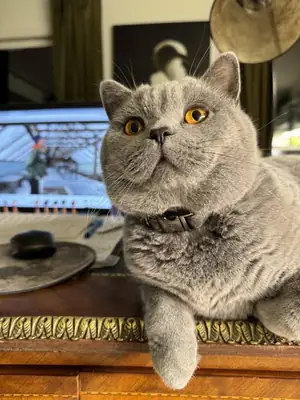
We are looking for a suitable companion for my purebred British cat.
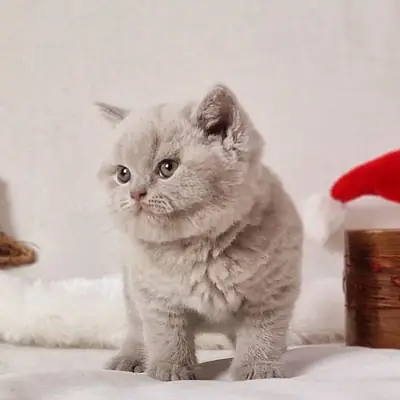
🐱 BRITISH SHORTHAIR CATS FOR SALE 🐱
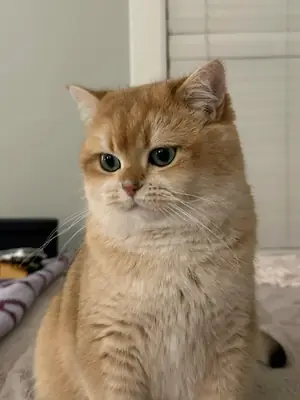
British Shorthair for Mating | Calm Temperament | Responsible Pairing Only
Mating
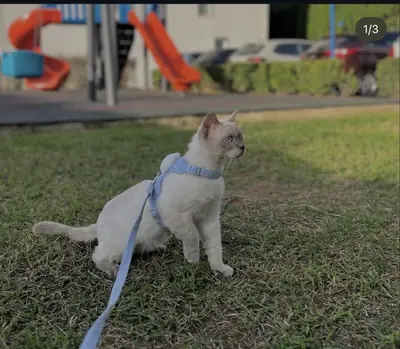
I am looking for a mate for my male blue point cat.
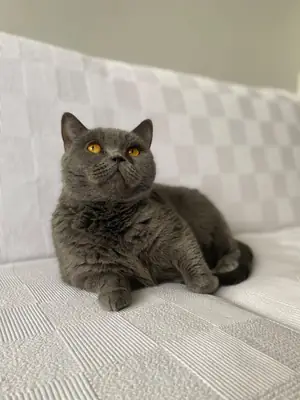
My lovely British girl
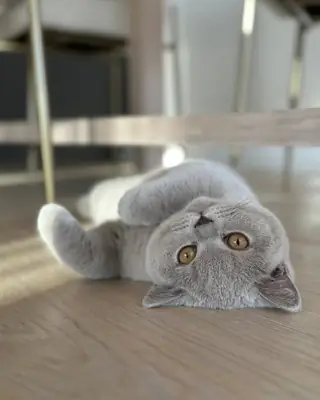
Male British Shorthair cats can be used for breeding.
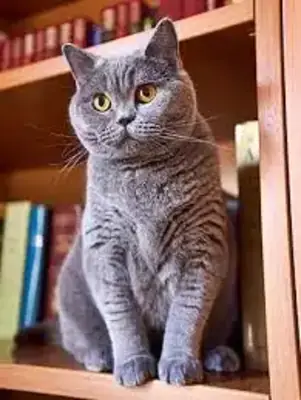
I'm looking for a mate for my cat because her mating season has arrived.
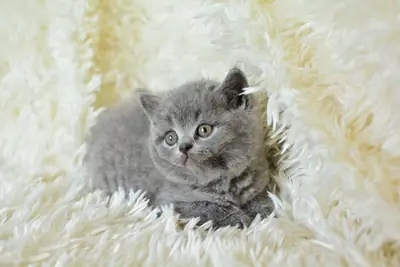
I want to breed my British cat
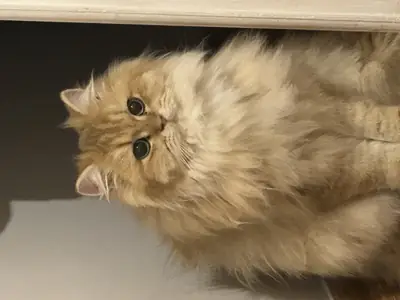
British Longhair
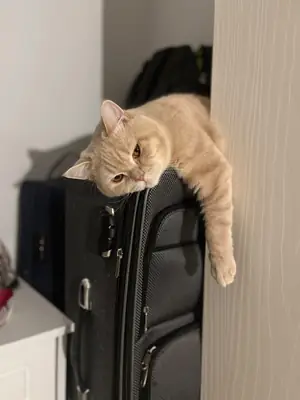
We are looking for a lady friend for my cat Latte...
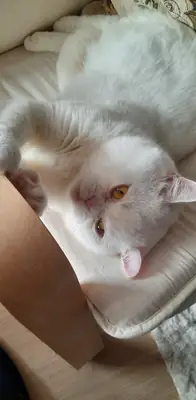
British shorthair
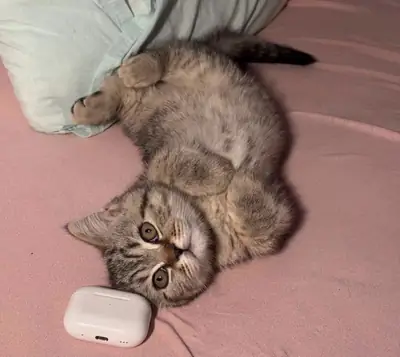
We are looking for a mate for my beautiful girl Ponçik
British Shorthair Care Guide: Traits, Grooming, Nutrition
British Shorthair 2026 guide covering temperament, enrichment, price forecasts, weight control, preventive healthcare, insurance planning, and travel tips.
Frequently Asked Questions
Frequently Asked Questions About British Shorthair Breeding
What is the ideal age for breeding British Shorthair cats?
For British Shorthair cats, the optimal breeding age is typically 12-18 months for females and 10-12 months for males. It's crucial to wait for the first heat cycle and ensure the cat has reached full physical maturity. Obtaining approval from your veterinarian and conducting health screenings is essential before breeding.
What health tests are required before breeding British Shorthair cats?
Essential pre-breeding health tests include: FIV (Feline Immunodeficiency Virus), FeLV (Feline Leukemia Virus), blood type determination, genetic disease screening (HCM - Hypertrophic Cardiomyopathy), and general health examination. These tests are mandatory for both prospective parents and ensure the health of future kittens.
How does the British Shorthair breeding process work?
The breeding process begins with selecting a suitable mate. During the female's heat cycle, she should be introduced to the male cat. Breeding typically lasts 2-3 days, and cats should be given time to acclimate to each other. After successful breeding, the gestation period is approximately 63-67 days.
When can British Shorthair kittens be separated from their mother?
British Shorthair kittens can be separated from their mother at the earliest when they are 12 weeks old. This period is critical for socialization, immune system development, and learning from the mother. Early separation can lead to behavioral and health issues.
Is a pedigree certificate required for British Shorthair breeding?
Yes, a pedigree certificate is essential for professional breeding. This document proves the cat's purebred status and shows its genetic history. Breeding cats without pedigree certificates prevents registration of kittens and makes it difficult to maintain breed standards.
What is the cost of breeding British Shorthair cats?
Breeding costs vary depending on the quality, pedigree, and health tests of the parents. Typically, breeding fees can be in the form of one of the born kittens or cash payment. Additional costs for health tests, veterinary check-ups, and pregnancy monitoring should also be considered.
What color combinations are suitable for British Shorthair breeding?
British Shorthairs can have many color combinations including blue, cream, white, black, red, and chocolate. Since color genetics are complex, knowing the color genes of the parents is important to achieve desired kitten colors. Experienced breeders can guide you on color genetics.
How many times can a British Shorthair female be bred per year?
For a healthy British Shorthair female, a maximum of 2 breedings per year is recommended. This is important to maintain the cat's physical and psychological health. At least 6 months should pass between each pregnancy to allow the cat's body to recover.
What are the common health issues in British Shorthair breeding?
British Shorthairs are generally healthy, but they can be prone to Hypertrophic Cardiomyopathy (HCM), Polycystic Kidney Disease (PKD), and obesity. Regular health screenings, genetic testing, and maintaining a healthy weight are crucial for breeding cats to minimize these risks in offspring.
How do I find a reputable British Shorthair breeding partner?
To find a reputable breeding partner, look for breeders registered with recognized cat associations, check their breeding history, request health certificates, and visit their facilities if possible. Reputable breeders will be transparent about their cats' health, genetics, and breeding practices.