Cat Breeding Listings and Mate Matching
There are 69 Cat listings live right now, last updated 2 weeks ago. Find suitable breeding partners ... There are 69 Cat listings live right now, last updated 2 weeks ago. Find suitable breeding partners for your cat on Petopic platform. Professional matching service for healthy kittens. There are 69 Cat listings live right now, last updated 2 weeks ago. Find suitable breeding partners for your cat on Petopic platform. Professional matching service for healthy kittens.
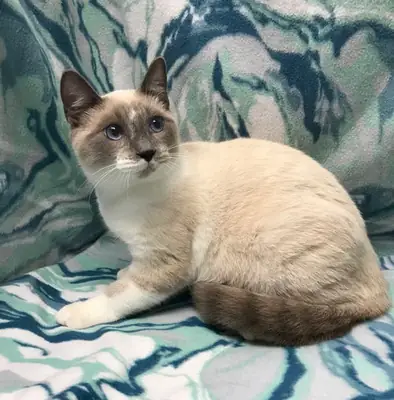
We are looking for a female suitable for our Siamese cat. I would appreciate it if anyone with experience would call.

Persian-Ragdoll cat
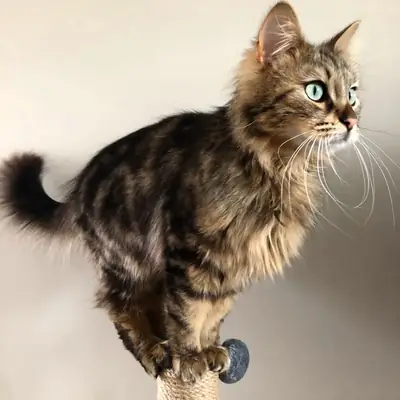
🐆🐱 BENGAL CATS FOR SALE 🐱🐆
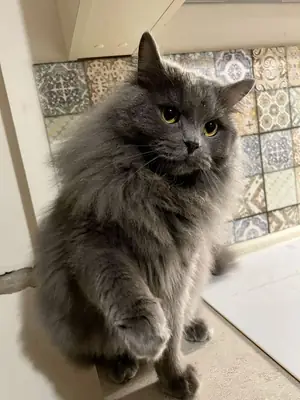
Persian male cat available for responsible breeding

Purebred Siamese male available for responsible breeding

Healthy and Purebred American Bobtail Male Suitable for Mating
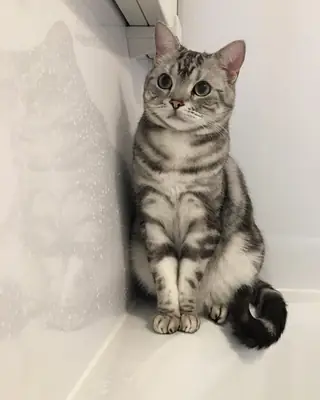
Male Domestic Shorthair Available for Mating

🐱💙 SIAMESE CATS FOR SALE 💙🐱
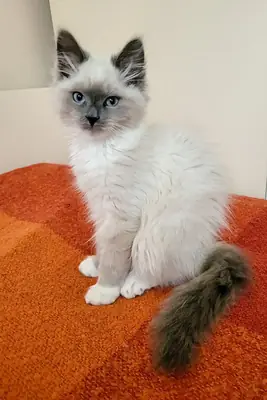
We want to breed our Siberian cat.

We are looking for a suitable companion for my purebred British cat.
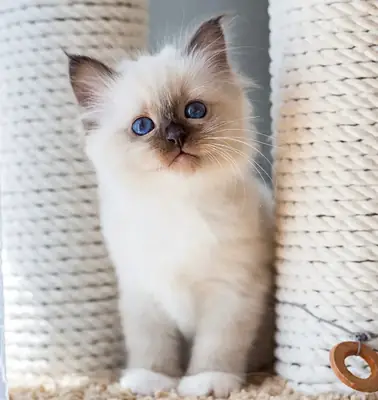
I'm Looking for a Mate for My Beautiful Birman Cat
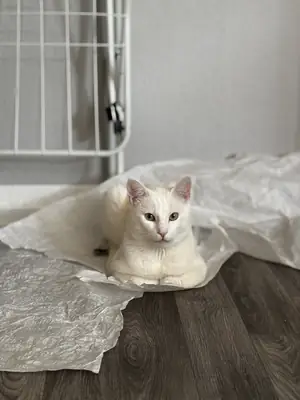
We want to breed our 1,5 y old male cat

🐱💙 BEAUTIFUL RAGDOLL CATS FOR SALE 💙🐱
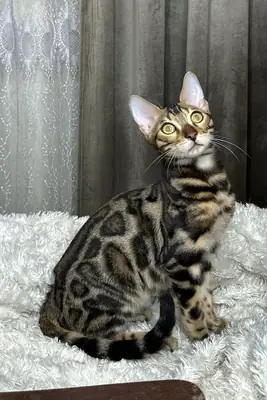
Mating Announcement for My Bengal Cat Raised in a Home Environment
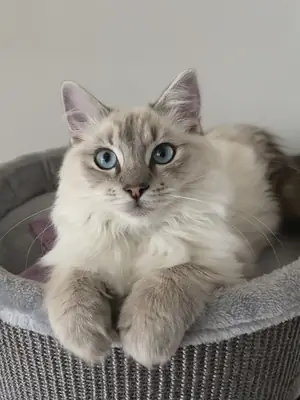
Strong and healthy Siberian male available for breeding
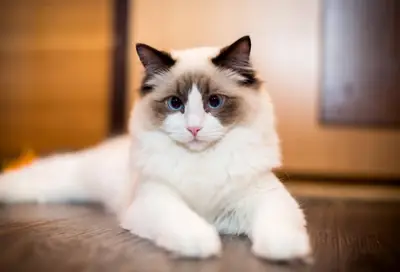
We want to breed our 2 year old Ragdoll cat.
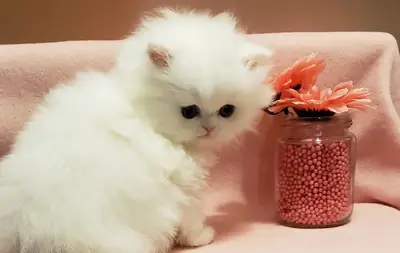
We are looking for a suitable companion for our purebred Persian cat.

British Shorthair for Mating | Calm Temperament | Responsible Pairing Only
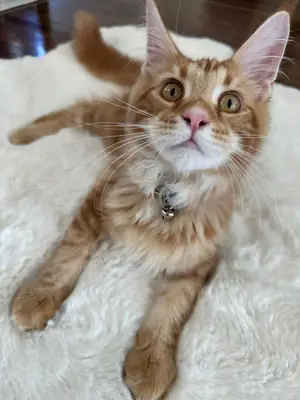
🐾 MAINE COON CATS FOR SALE 🐾
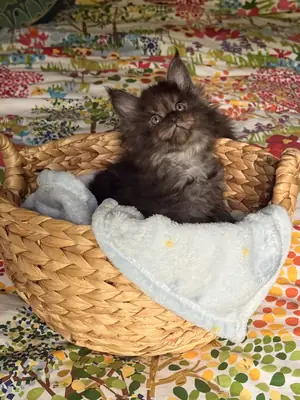
Beautiful CFA Maine Coon Kittens
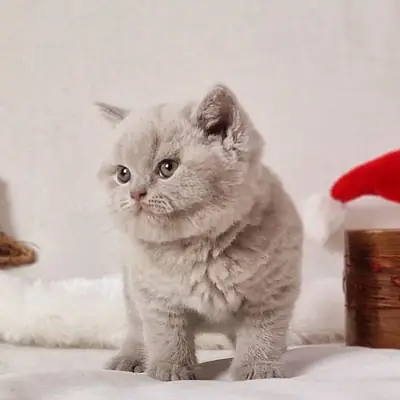
🐱 BRITISH SHORTHAIR CATS FOR SALE 🐱
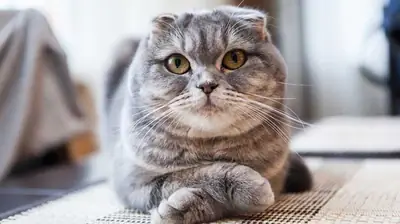
Looking for a Compatible Mate for a Purebred Scottish Fold

WE ARE LOOKING FOR TOSUN PASHA'S PRINCESS.
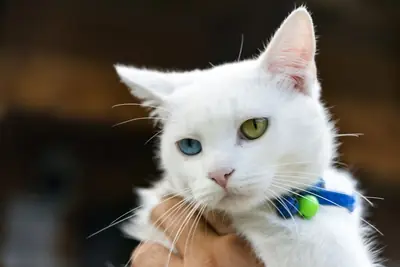
the most beautiful cat in the world

Siberian Cat for Breeding
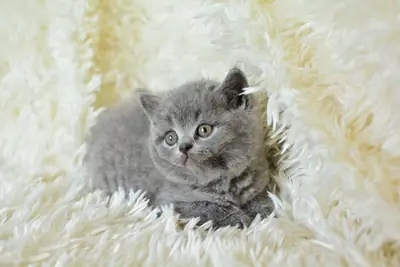
I want to breed my British cat
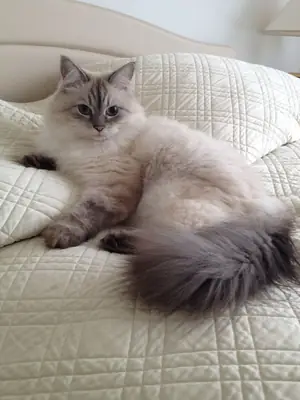
Siberian cat available for mating
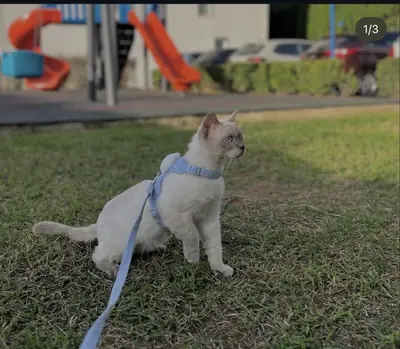
I am looking for a mate for my male blue point cat.
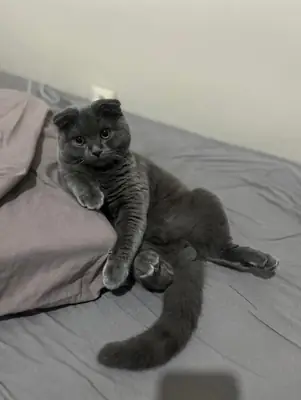
It's a very intelligent, calm, and beautiful animal. It gave birth to 5 pups last year; I'd like to take one.

My lovely British girl
Popular Searches
How to breed cats safely at home
Breeding cats requires careful planning, attention to health, and understanding feline behavior. Start by ensuring both the male and female cats are healthy, up-to-date on vaccinations, and free from genetic disorders. Provide a quiet, stress-free environment for mating, as cats are sensitive to noise and disruption. Adequate nutrition, including high-quality protein and essential vitamins, is crucial to prepare the female for pregnancy.
Observe the cats’ behavior closely; mutual grooming, purring, and gentle rubbing are positive signs of receptiveness. Avoid forcing interactions, as stress can prevent mating. Timing is critical, and understanding the female’s estrus cycle ensures higher success rates while minimizing risks.
Signs a female cat is ready to mate
Recognizing when a female cat is in heat is essential for successful breeding. Typical signs include frequent vocalization, increased rubbing against objects, a raised hindquarters posture, and affectionate behavior. She may also show restlessness or attention-seeking tendencies. Observing these behavioral cues helps in determining the optimal mating window.
Do not rely solely on timing; behavioral signs are more accurate than calendar estimates. Providing privacy and minimal disturbance will encourage natural mating behaviors and reduce stress-induced rejection by the female.
Preparing a male cat for breeding
The male cat, or tom, also requires preparation before breeding. Ensure he is healthy, well-fed, and has regular exercise to maintain stamina. Introduce the male gradually to the female’s environment to avoid stress and territorial disputes. Behavioral observation is key; a willing male will exhibit gentle sniffing, circling, and courting behavior. Avoid forced pairing as it may result in aggression or injury.
Some male cats may need encouragement through controlled interaction and familiarization with the female’s scent. Proper socialization increases successful mating rates while minimizing stress for both cats.
Gestation and care for pregnant cats
Pregnancy in cats lasts approximately 63-65 days. During this period, the female requires high-quality nutrition, comfortable bedding, and a stress-free environment. Regular veterinary check-ups ensure the health of both the mother and developing kittens. Monitor weight gain, appetite, and behavior, and be prepared to provide separate space for nesting.
Environmental enrichment, such as quiet hiding spots, promotes a sense of security and encourages natural nesting behavior. Avoid sudden changes or excessive handling, which may cause stress and affect pregnancy outcomes.
How to recognize mating behavior in cats
Mating behavior in cats can be subtle or pronounced depending on the individual. The female may assume a lordosis posture with raised hindquarters, tail to the side, and vocalizations signaling readiness. The male may sniff, circle, and mount gently. Observing these behaviors ensures mating occurs at the correct time and reduces the risk of injury.
Intervene only if aggression occurs; otherwise, let natural behavior guide the mating process. Ensuring a calm environment with minimal interference increases breeding success and maintains the well-being of both cats.
Nutrition for breeding cats
Nutrition plays a critical role in reproductive health. Both male and female cats should receive a diet rich in high-quality protein, taurine, vitamins, and minerals. For pregnant females, additional caloric intake and supplementation may be necessary to support fetal growth. Hydration must be consistent, and fresh water should always be available. Proper nutrition improves fertility, supports gestation, and ensures healthy kittens at birth.
Monitor weight and body condition to adjust feeding amounts. Avoid sudden dietary changes, which may cause stress or digestive upset, negatively impacting breeding outcomes.
Health checks before breeding cats
Before breeding, ensure both cats are thoroughly examined by a veterinarian. Check for common feline illnesses, parasites, and genetic conditions. Vaccinations, deworming, and overall physical condition must be up to date. Pre-breeding health assessments reduce risks to both parents and offspring and improve the likelihood of successful pregnancies.
Discuss any potential hereditary concerns with your veterinarian to prevent passing on genetic disorders. Responsible breeding prioritizes health, welfare, and ethical considerations over quantity.
Common challenges in cat breeding and solutions
Cat breeding presents challenges such as mismatched mating timing, aggression, stress, and health complications. Solutions include careful observation of estrus cycles, maintaining a calm and controlled environment, and separating incompatible cats. Veterinary guidance is essential if complications arise during mating, pregnancy, or labor.
Proper planning, patience, and understanding of feline behavior can prevent most common problems. Prioritizing the welfare of both cats ensures a safe and successful breeding process, resulting in healthy kittens and minimal stress for all involved.
Frequently Asked Questions
What age is appropriate for cat breeding?
Appropriate age ranges for cat breeding:
- Female Cats: First breeding between 12-18 months
- Male Cats: Can start breeding between 8-12 months
- Large Breeds: Later breeding age recommended
- Small Breeds: Can breed at earlier age
- Health Check: Veterinarian approval required
- Maximum Age: Breeding up to 6-7 years old
What tests should be done before cat breeding?
Tests that should be done before cat breeding:
- General Health Exam: Complete physical examination
- FIV/FeLV Test: Immune system diseases
- Genetic Tests: Hereditary disease screening
- Blood Tests: Biochemical and hematological tests
- Reproductive System: Reproductive organ examination
- Vaccination Check: Current vaccination status
How does the cat breeding process work?
Steps of the cat breeding process:
- Initial Meeting: Meeting and agreement between owners
- Health Check: Health tests for both cats
- Heat Cycle Tracking: Female cat's heat period
- Breeding Day: Determining appropriate time and place
- Pregnancy Follow-up: Monitoring the female cat
- Kitten Care: Post-birth care plan
How much does cat breeding cost?
Cat breeding costs:
- Health Tests: $40-120 range
- Breeding Fee: $80-300 range
- Veterinary Check: $15-40 range
- Pregnancy Follow-up: $25-60 range
- Birth Expenses: $40-150 range
- Total Cost: $200-670 range
What should be included in a cat breeding agreement?
What should be included in a cat breeding agreement:
- Party Information: Identity information of owners
- Cat Information: Breed, age, health status
- Financial Terms: Fee and payment method
- Kitten Rights: Kitten distribution and rights
- Responsibilities: Responsibilities of both parties
- Cancellation Terms: Agreement cancellation conditions