Free Adoption of British Shorthair Cats in Birmingham
There are 4 British Shorthair listings live right now, last updated 24 Aug 2026. Find free British S... There are 4 British Shorthair listings live right now, last updated 24 Aug 2026. Find free British Shorthair cat adoption listings in Birmingham for people who want a calm, sturdy, plush-coated compan... There are 4 British Shorthair listings live right now, last updated 24 Aug 2026. Find free British Shorthair cat adoption listings in Birmingham for people who want a calm, sturdy, plush-coated companion but still need the full truth before taking a cat home. British Shorthairs can be affectionate without being clingy, often suit quieter indoor routines, and may fit flats or family homes when introductions are handled properly, but adopters should check microchip transfer, vaccinations, neutering, litter training, weight, heart history, kidney concerns, dental care, behaviour with children, dogs and other cats, and the real reason for rehoming before choosing a free British Shorthair in Birmingham or the wider West Midlands.
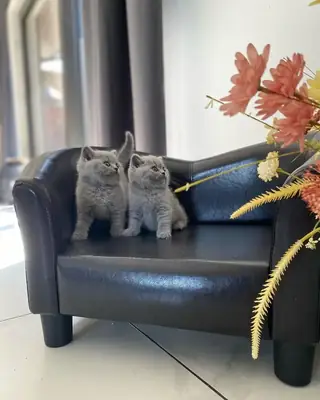
Lovely British Shorthair Kittens Seeking Caring Families
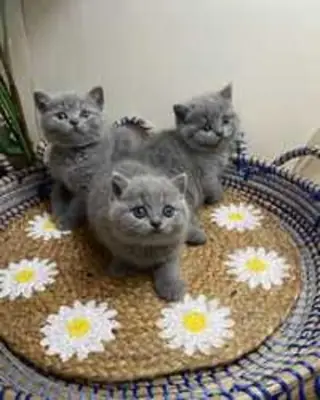
Blue British Shorthair Kittens Available Now.
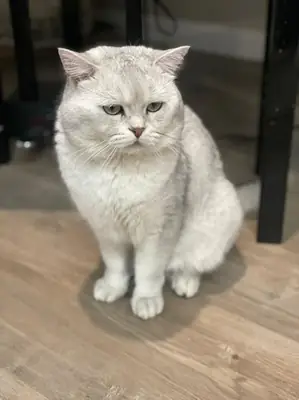
British shorthair cat available
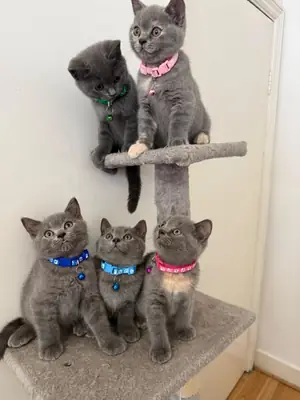
British shorthair kittens
Haven't found the pet you're looking for? Let people who want to find a new home for their pet reach out to you.
Create your free pet adoption request listing now and be seen by thousands of pet owners.
Other listings in your area
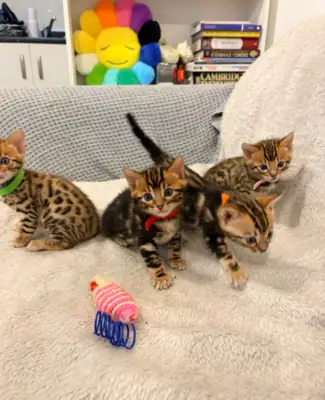
Bengal kittens ready to now
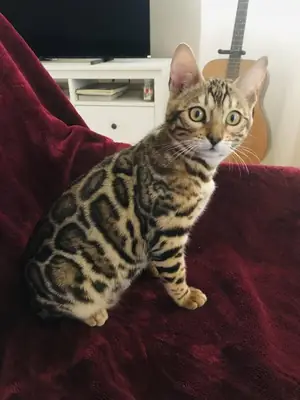
Bengal kitten
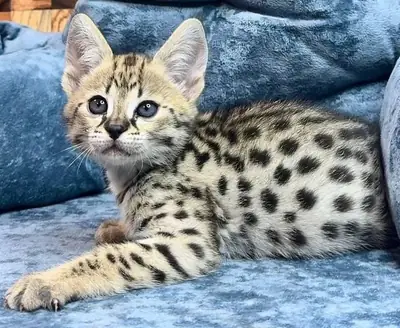
F1 - F6 Savannah Kittens Available
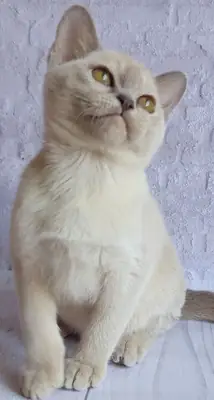
Сharming Lilac Burmese Kitten Archie is Waiting for his Family
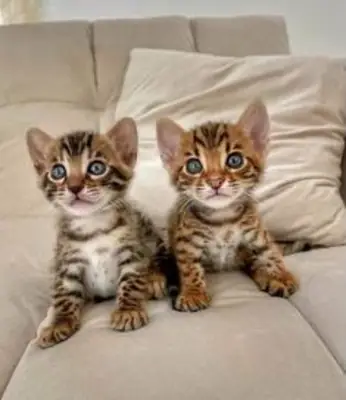
Bengal kittens
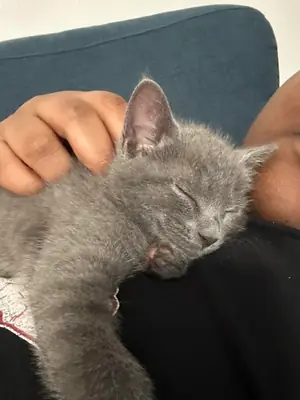
calm cat, prefers a more stable environment
Popular Searches
British Shorthair cat adoption Birmingham
British Shorthair cat adoption in Birmingham is usually searched by people who want a calm, solid, round-faced cat with a plush coat and a steady home temperament. That is a good reason to look, but it is not enough to adopt blindly.
The right British Shorthair listing should make the cat’s age, health, microchip, vaccination status, neutering, litter habits, weight, indoor or outdoor routine and personality clear. A British Shorthair may look soft and easy, but the adoption still needs evidence, not just a pretty photo.
Free British Shorthair cat adoption Birmingham
Free British Shorthair cat adoption in Birmingham can be genuine when an owner is moving, facing family changes, dealing with allergies, or trying to find a calmer home for a cat that no longer fits their routine. Free does not mean careless.
A no-fee British Shorthair still needs proper handover: microchip transfer, vet history, vaccination dates, neutering details, flea and worming record, food routine, litter brand, temperament notes and a clear rehoming reason. If the story is rushed or vague, slow down.
British Shorthair rehoming Birmingham
British Shorthair rehoming in Birmingham should focus on why the cat is leaving its current home. A cat rehomed because of owner circumstances is different from one rehomed because of spraying, fear, conflict with other cats, weight problems, vet costs or stress around children.
Before arranging collection, understand the cat’s normal day: where it sleeps, whether it enjoys handling, how it reacts to visitors, whether it hides, how it uses the litter tray and whether it has lived indoors, outdoors or both.
British Shorthair rescue Birmingham
British Shorthair rescue in Birmingham often attracts people who want a predictable, calmer cat rather than a high-energy kitten. A rescue British Shorthair may be settled, affectionate and easy to live with, but it may also need patience after losing its familiar home.
Look for clear notes on confidence, handling, noise tolerance, children, other cats, dogs, grooming, weight, food, medication and whether the cat needs an indoor-only home. Rescue should mean careful matching, not emotional impulse.
Adopt a British Shorthair in Birmingham
To adopt a British Shorthair in Birmingham, the best match is usually a home that wants a calm cat with presence rather than a cat that demands constant carrying. Many British Shorthairs enjoy being near people but do not always want to be picked up like a toy.
The strongest adoption choice is the cat whose routine, health record and temperament fit your home. Coat colour should come after litter habits, microchip transfer, weight, vet history and whether the cat can cope with your daily noise level.
British Shorthair cats for adoption West Midlands
British Shorthair cats for adoption across the West Midlands may appear around Birmingham, Solihull, Coventry, Wolverhampton, Walsall, Dudley, West Bromwich, Sutton Coldfield, Redditch and Worcester. Local reach helps because you can arrange safer viewing and a calmer handover.
Do not treat distance as the main win. A nearby British Shorthair with no microchip detail, no vet history and no clear reason for rehoming is still a weak adoption option.
British Shorthair kitten adoption Birmingham
British Shorthair kitten adoption in Birmingham gets a lot of attention because kittens are cute, chunky and easy to fall for. That is exactly why the checks need to be stricter.
A kitten should have age clarity, microchip details, vaccination plan, flea and worming record, feeding routine, litter training progress, socialisation notes and a safe leaving age. A tiny British Shorthair offered urgently with poor information is not a bargain; it is a risk.
Adult British Shorthair adoption Birmingham
Adult British Shorthair adoption in Birmingham can be more realistic than chasing kittens because the cat’s real personality is already visible. You can usually learn whether the cat is social, shy, independent, greedy, playful, tolerant or easily stressed.
An adult British Shorthair is often a strong fit for people who want a calmer companion and do not want the chaos of kitten training. The key is knowing weight, vet history, litter habits and how the cat behaves in a normal home.
Senior British Shorthair adoption Birmingham
Senior British Shorthair adoption in Birmingham can suit a quiet home beautifully, especially when the cat already has a stable temperament and clear routine. Older cats can be easier to understand than kittens, but they still need serious care planning.
Check weight, teeth, mobility, appetite, drinking, litter habits, heart checks, kidney history, medication and how the cat handles stairs, noise and handling. A senior British Shorthair can be a wonderful companion when the adopter is not pretending vet care is optional.
Blue British Shorthair adoption Birmingham
Blue British Shorthair adoption in Birmingham is colour-led because the blue-grey coat is the look many people picture first. That coat should not distract from the adoption decision.
A blue British Shorthair still needs the same checks: microchip, vaccination, neutering, litter habits, weight, heart history, kidney concerns, temperament and reason for rehoming. Colour makes the cat attractive; records make the adoption safer.
Lilac British Shorthair adoption Birmingham
Lilac British Shorthair adoption searches often come from people looking for a softer, pale coat colour. The danger is letting rarity or appearance make a weak listing feel special.
Before caring about colour, confirm whether the cat is healthy, litter trained, microchipped, vaccinated, neutered, comfortable being handled and suitable for your home. A lilac coat does not replace a proper adoption history.
Silver tabby British Shorthair adoption Birmingham
Silver tabby British Shorthair adoption in Birmingham attracts people who want a striking pattern as well as the breed’s sturdy build. Pattern is fine as a preference, but it should never become the main filter.
The better match is the cat with a clear health background, stable temperament, safe handover and honest home notes. A silver tabby British Shorthair with unclear ownership or missing vet information is not a strong adoption candidate.
Golden British Shorthair adoption UK
Golden British Shorthair adoption UK searches are often driven by appearance and social media popularity. That makes rushing dangerous because attractive cats are easy to use in vague or copied listings.
Use the same standard every time: proof the cat exists, current photos or video, microchip information, vet history, calm viewing, no pressure payment and a real explanation for rehoming.
British Shorthair indoor cat adoption Birmingham
British Shorthair indoor cat adoption in Birmingham can work well because many cats from this breed adapt to calmer indoor routines when they have space, enrichment and predictable care. Indoor does not mean ignored.
A good indoor setup includes scratching posts, climbing spots, play, safe windows, clean litter trays, weight control and quiet resting areas. A British Shorthair left to sleep and overeat all day can become bored and overweight.
British Shorthair flat friendly cat Birmingham
A British Shorthair can be a strong flat-friendly cat in Birmingham when the home is calm, safe and enriched. The issue is not just square footage; it is whether the cat can move, scratch, play, rest and use the litter tray without stress.
Check whether the cat has lived in a flat before, whether it is noisy at night, whether it scratches furniture, whether windows and balconies are secure and whether it copes with hallway noise or neighbours.
British Shorthair family cat adoption Birmingham
British Shorthair family cat adoption in Birmingham can suit homes that want a calm, steady cat rather than a frantic one. The breed’s gentle appearance does not mean every cat wants rough handling, constant cuddles or noisy children.
The right family match depends on the cat’s actual history with children, handling tolerance, hiding behaviour, food guarding, litter confidence and whether the children understand boundaries. A calm cat still needs respect.
British Shorthair with children Birmingham
A British Shorthair with children can work when the cat is confident and the children are old enough to be gentle. This cat may enjoy being nearby without wanting to be carried around.
Check whether the cat has lived with children, what ages, whether it hides from noise, whether it scratches when picked up and whether it needs a quiet room. The child’s behaviour matters as much as the cat’s temperament.
British Shorthair with dogs Birmingham
British Shorthair with dogs is possible, but it depends on previous exposure and the dog’s behaviour. A calm cat can still become stressed if the dog chases, barks, blocks exits or invades resting areas.
Look for evidence that the cat has lived with dogs before. Safe introductions need distance, escape routes, supervision and no forced contact. A British Shorthair’s calm face does not mean it is comfortable.
British Shorthair with other cats Birmingham
A British Shorthair with other cats may be sociable, neutral or territorial depending on personality and history. Do not assume the breed will automatically accept another cat.
Check whether the cat has lived with cats, whether it shares space calmly, whether it guards food or litter trays and whether it has ever sprayed or fought. Slow introductions are not optional; they are the difference between a match and a mess.
British Shorthair lap cat adoption
British Shorthair lap cat adoption searches can mislead people. Many British Shorthairs are affectionate and loyal, but not all want to sit on laps or be picked up frequently.
The better expectation is a companion cat that may enjoy being near you, following the household rhythm and receiving calm attention on its own terms. If you want a clingy cat, check the individual cat carefully instead of trusting the breed image.
Calm British Shorthair cat adoption
Calm British Shorthair cat adoption is a strong search intent because many people want a relaxed companion for a quieter home. Calm should not be confused with lifeless or low-maintenance.
A healthy British Shorthair still needs play, weight control, scratching, grooming, dental care, clean litter trays and mental stimulation. A calm cat can still become stressed, overweight or withdrawn when its routine is poor.
British Shorthair litter trained adoption Birmingham
British Shorthair litter trained adoption in Birmingham should include more detail than “uses tray”. You need to know tray type, litter type, accident history, spraying, stress toileting and whether the cat’s routine changed recently.
When a rehomed cat moves house, litter problems can appear if the setup changes too fast. Keep the first days quiet, use familiar litter if possible and place trays where the cat feels safe.
Microchipped British Shorthair adoption Birmingham
Microchipped British Shorthair adoption in Birmingham should include a proper keeper update. This matters for every cat, including indoor cats, because doors, windows, carriers and moving-day stress can all lead to escape.
Check the microchip number, database process and whether the current keeper details are accurate. Do not treat microchip transfer as a minor admin detail; it is part of safe ownership.
Vaccinated British Shorthair rehoming
Vaccinated British Shorthair rehoming should state what has been given, what is due next and whether a vet record is available. “Healthy” is not the same as documented.
Check boosters, flea treatment, worming, recent illness, dental checks, weight notes and any medication. A British Shorthair’s thick coat and sturdy body can hide problems from a casual glance.
Neutered British Shorthair adoption Birmingham
Neutered British Shorthair adoption in Birmingham is usually easier to manage, especially for adult cats. Neutering can reduce unwanted breeding, some roaming behaviour and certain household problems, but it does not fix every behaviour issue.
Check whether the cat is neutered, when it was done, whether recovery was normal and whether weight changed afterwards. If the cat is not neutered, understand the plan before adoption.
British Shorthair health problems adoption
British Shorthair health problems adoption searches should focus on heart, kidneys, weight, teeth and general mobility. This breed can look powerful and healthy while quietly carrying issues that need vet care.
Before adoption, check for heart history, kidney concerns, weight gain, dental disease, breathing changes, appetite shifts, drinking changes and any past tests. Honest health detail matters more than a perfect description.
British Shorthair HCM adoption
British Shorthair HCM adoption should be treated openly because heart disease changes future care, insurance choices and vet monitoring. A cat with a heart history may still be adoptable, but the adopter must know what they are taking on.
Check whether a murmur has been heard, whether scans were done, whether medication is used and whether the cat has ever shown breathing difficulty, weakness or sudden collapse. Silence around heart history is a bad sign.
British Shorthair PKD adoption
British Shorthair PKD adoption searches come from people who know kidney history can matter in this breed. A cat does not need perfect paperwork to be loved, but inherited kidney concerns should not be hidden.
Check for vet notes, testing history where available, drinking changes, weight loss, appetite issues, medication and diet advice. A rehoming story that avoids health questions is not strong enough.
Overweight British Shorthair adoption
Overweight British Shorthair adoption needs blunt honesty because this breed’s naturally chunky build is often used as an excuse for excess weight. Solid is not the same as obese.
Check current weight, food amount, treat habits, activity level, mobility and vet advice. A heavy British Shorthair may need measured feeding, play routines and patience, not endless “he likes his food” excuses.
British Shorthair grooming and shedding
British Shorthair grooming is usually manageable, but the dense plush coat still needs regular brushing, especially during shedding periods. Short hair does not mean no maintenance.
Check whether the cat tolerates brushing, nail trimming, dental handling and being examined. A calm grooming routine keeps the coat comfortable and helps owners notice skin, weight or pain changes earlier.
Private British Shorthair rehoming Birmingham
Private British Shorthair rehoming in Birmingham can be completely genuine, but it needs proper caution because private handovers may not have the structure of a rescue process.
Use a safe viewing plan, confirm ownership, check the microchip, ask for vet records, understand behaviour honestly and avoid pressure. A responsible owner should care where the British Shorthair goes, not just how quickly the cat leaves.
British Shorthair adoption fee Birmingham
British Shorthair adoption fee Birmingham searches usually compare rescue fees, private rehoming and free-to-good-home listings. Price alone tells you very little.
A reasonable adoption may include microchipping, neutering, vaccinations, flea and worm treatment, health checks or assessment. A free British Shorthair with missing records, no chip transfer and a rushed collection can become the more expensive option.
British Shorthair adoption scams Birmingham
British Shorthair adoption scams in Birmingham can use copied photos, rare colour bait, emotional urgency, delivery-only offers, deposit pressure and vague ownership stories. Attractive cats are easy bait for rushed decisions.
Look for current photos or video, proof of ownership, microchip information, vet history, a clear reason for rehoming and a safe handover. If payment is pushed before proof, walk away.
Birmingham Solihull Coventry British Shorthair adoption
British Shorthair adoption around Birmingham, Solihull, Coventry, Wolverhampton, Walsall, Dudley, West Bromwich, Sutton Coldfield, Redditch and Worcester gives adopters a better chance to view the cat safely before making a decision.
Use local access properly: meet calmly, check the cat’s condition, confirm documents, understand the routine and prepare the home before collection. Regional convenience only matters when the adoption match is already strong.
Frequently Asked Questions
What should I check before adopting a British Shorthair cat in Birmingham?
Check the cat’s age, microchip, vaccination status, neutering, litter training, vet records, weight, heart history, kidney concerns, dental care, temperament and reason for rehoming.
British Shorthairs can be calm and affectionate, but adoption should be based on evidence and home fit, not just coat colour or a round face.
Is a British Shorthair a good adoption cat?
Yes, a British Shorthair can be a very good adoption cat for a calm home that wants a steady companion.
The adopter should still be ready for weight control, dental care, grooming, vet checks and a cat that may prefer sitting nearby rather than being carried.
Can I find a free British Shorthair cat in Birmingham?
Free British Shorthair cats can appear through genuine rehoming, but they should still come with clear information.
Check ownership proof, microchip transfer, health history, vaccination status, neutering, litter habits and the real reason the cat is being rehomed.
Are British Shorthairs good indoor cats?
Many British Shorthairs can adapt well to indoor life if the home is calm, safe and enriched.
They still need play, scratching areas, climbing spaces, clean litter trays and measured feeding to avoid boredom and weight gain.
Can a British Shorthair live in a flat?
Yes, a British Shorthair can live in a flat when the cat has enough space, enrichment, safe windows and a quiet routine.
Ask whether the cat has lived in a flat before, reacts to corridor noise, scratches furniture or becomes restless indoors.
Are British Shorthairs good with children?
Some British Shorthairs are good with children, especially when children are calm and respectful.
Ask whether the cat has lived with children, whether it tolerates handling and whether it has a quiet place to retreat.
Can British Shorthairs live with dogs?
A British Shorthair may live with dogs if the cat has previous dog experience and the dog is calm around cats.
Introductions should be slow, supervised and supported with escape routes for the cat.
Can British Shorthairs live with other cats?
Some British Shorthairs can live with other cats, but the match depends on personality, territory and previous experience.
Ask whether the cat has shared a home with cats before, whether it guards food or litter trays and whether slow introductions are possible.
Are British Shorthairs lap cats?
Some British Shorthairs enjoy close contact, but many prefer sitting near people rather than being picked up or held for long periods.
Before adoption, ask how the individual cat reacts to handling, grooming, visitors and being lifted.
Should an adopted British Shorthair be microchipped?
Yes, a British Shorthair should be microchipped and the keeper details should be transferred correctly after adoption.
Ask for the microchip number, database process and proof that the chip matches the cat.
Should a British Shorthair be vaccinated before adoption?
Vaccination status should be clear before adoption. Ask what has been given, what is due next and whether a vet record is available.
Also check flea treatment, worming, recent illness and any current medication.
Should a British Shorthair be neutered before rehoming?
Many adult cats are neutered before rehoming, but not all.
Ask whether the British Shorthair is neutered, when it was done and whether a vet has advised neutering if it has not been done yet.
What health problems should I ask about in a British Shorthair?
Ask about heart history, kidney concerns, weight, dental disease, breathing changes, appetite, drinking, mobility and any medication.
A British Shorthair does not need perfect health to be adoptable, but the adopter needs honest information.
What is HCM in British Shorthair cats?
HCM means hypertrophic cardiomyopathy, a heart condition where the heart muscle becomes abnormally thick.
Ask whether a vet has heard a murmur, whether scans were done, whether medication is used and whether the cat has had breathing difficulty or weakness.
What is PKD in British Shorthair cats?
PKD means polycystic kidney disease, an inherited kidney condition that should be discussed honestly before adoption.
Ask about testing, vet notes, drinking changes, weight loss, appetite changes, medication and any diet advice.
Are British Shorthairs prone to weight gain?
Yes, British Shorthairs can gain weight if they are overfed or under-stimulated.
Ask about current weight, food amount, treats, play routine and whether a vet has advised weight loss.
Do British Shorthairs need much grooming?
British Shorthairs have short coats, but their dense plush fur still benefits from regular brushing.
Ask whether the cat tolerates brushing, nail trimming, dental handling and general grooming before adoption.
Is an adult British Shorthair a good adoption choice?
Yes, an adult British Shorthair can be a strong adoption choice because its temperament, routine and health needs are easier to understand.
Adult cats are often better for people who want a calmer companion and do not want the demands of kitten training.
How do I avoid British Shorthair adoption scams?
Watch for copied photos, urgent deposits, delivery-only offers, vague ownership stories, missing microchip details and no vet records.
Ask for current photos or video, proof of ownership, microchip information, safe viewing or collection and a clear reason for rehoming.
What should I prepare before bringing a British Shorthair home?
Prepare clean litter trays, familiar food, bowls, scratching posts, a bed, hiding spaces, toys, grooming brush, carrier, safe windows and a vet registration plan.
Keep the first week quiet and predictable. Do not force handling, visitors or quick introductions to children, dogs or other cats.