Pomeranian Free Adoption in Edinburgh
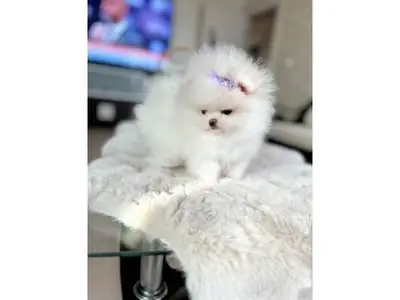
There's 1 Pomeranian listing live right now, last updated 23 Apr 2026. Find Pomeranian dogs for free... There's 1 Pomeranian listing live right now, last updated 23 Apr 2026. Find Pomeranian dogs for free adoption in Edinburgh with the details careful adopters need before bringing home a tiny companion:... There's 1 Pomeranian listing live right now, last updated 23 Apr 2026. Find Pomeranian dogs for free adoption in Edinburgh with the details careful adopters need before bringing home a tiny companion: age, sex, temperament, microchip status, vaccination record, neutering history, dental condition, coat care, barking level, toilet training, lead manners, separation anxiety, child and pet compatibility, previous home routine, reason for rehoming and any known health concerns such as patella, trachea, skin, eye or dental issues. Pomeranians are small, bright, confident dogs with big personalities and heavy grooming needs, so the right Edinburgh adoption match should focus on a safe home, honest history and long-term care rather than choosing only because the dog is free, fluffy, tiny or described as an easy lap dog.
Haven't found the pet you're looking for? Let people who want to find a new home for their pet reach out to you.
Create your free pet adoption request listing now and be seen by thousands of pet owners.
Quick Information
Other listings in your area
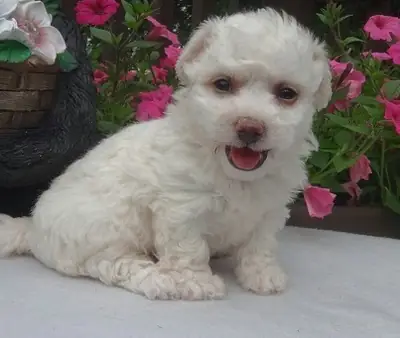
Bitchon Frise puppy for adoption
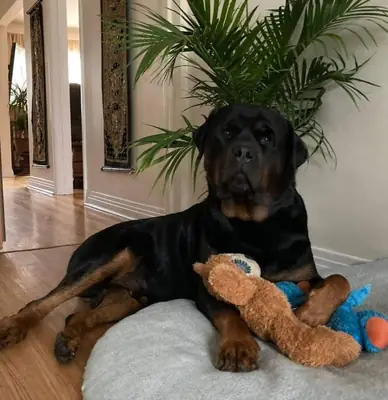
Rottweiler for Adoption in the UK | Loyal and Protective Companion
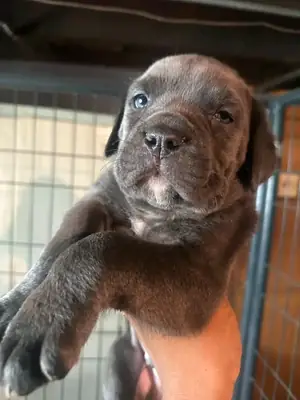
Pitbull Puppies For Sale
Poodle that deserves more attention than we can give
Gift a poodle puppies
French Bulldog Puppies For new home
Popular Searches
Pomeranian free adoption Edinburgh
Pomeranian free adoption in Edinburgh should be approached as a serious rehoming decision, not a quick way to get a small fluffy dog. A good listing should explain the dog’s age, behaviour, health, microchip status, vaccination record, coat condition and reason for rehoming.
Before adopting, ask how the Pomeranian behaves at home, on walks, around strangers, with other dogs and when left alone. Small size does not remove the need for training, grooming, vet care and daily structure.
Free Pomeranian adoption Edinburgh
Free Pomeranian adoption Edinburgh searches often come from people looking for a small companion dog for a flat, family home or older owner. The right match depends on temperament and care history more than cuteness.
Ask whether the dog is confident or nervous, quiet or barky, house-trained or still learning, comfortable with handling and able to cope with Edinburgh city noise, stairs, visitors and busy pavements.
Pomeranian rescue Edinburgh
Pomeranian rescue in Edinburgh should focus on giving a dog a stable second home. Rescue-style listings are strongest when they describe the dog honestly, including any barking, fear, grooming problems or medical needs.
Do not adopt only because the dog looks like a teddy bear. Pomeranians can be bold, noisy, sensitive and attached to their people, so the home must fit the dog’s actual personality.
Pomeranian rehoming Edinburgh
Pomeranian rehoming in Edinburgh usually happens because of moving, lack of time, owner illness, behaviour issues, grooming demands or a change in family circumstances. The reason matters because it tells you what support the dog may need next.
Ask how long the current owner has had the dog, why rehoming is needed now, whether the dog has bitten, barked excessively, escaped, guarded food or struggled with being left alone.
Small dog adoption Edinburgh
Small dog adoption in Edinburgh attracts people who want a compact companion for city life, but a Pomeranian is not automatically low-maintenance. The coat, barking, dental care and confidence level all matter.
Check whether the dog can walk safely on a lead, settle indoors, handle lift or stair routines, travel calmly and live with neighbours nearby without constant barking.
Toy dog adoption Edinburgh
Toy dog adoption in Edinburgh should still include proper vet checks, training expectations and handling rules. A tiny dog can be fragile, defensive or overwhelmed if treated like a toy.
Pomeranians need gentle handling, safe furniture access, controlled introductions and owners who understand that small dogs still need boundaries and exercise.
Free small dog Edinburgh
Free small dog Edinburgh searches can bring genuine rehoming posts, but they can also attract rushed decisions and fake listings. A real adoption should include clear photos, current videos, health details and safe handover plans.
Never judge by the word free alone. Ask for microchip transfer details, vet history, vaccination dates, behaviour notes and a meeting before agreeing to take the dog.
Adult Pomeranian adoption Edinburgh
Adult Pomeranian adoption in Edinburgh can be a strong choice because the dog’s size, coat, barking level and personality are already clearer than with a puppy.
Ask about previous home routine, toilet training, lead manners, dental care, grooming tolerance, separation anxiety, vet history and how the dog reacts to children, cats and other dogs.
Senior Pomeranian adoption Edinburgh
Senior Pomeranian adoption in Edinburgh should be honest about comfort, dental condition, mobility, eyesight, hearing, heart history and grooming needs. Older Poms can be wonderful companions when the home is realistic.
Ask whether the dog can manage stairs, cold weather, longer walks, vet visits and being handled for brushing. A calm senior dog still needs proper care, warmth and patience.
Pomeranian puppy free adoption Edinburgh
Pomeranian puppy free adoption in Edinburgh needs heavy caution. Free puppy posts can be genuine, but they are also common bait for scams, poor breeding or dogs with missing paperwork.
Ask why the puppy is free, whether it is microchipped, vaccinated, old enough to leave, eating independently, vet checked and safely socialised. If the seller avoids basic questions, walk away.
Microchipped Pomeranian adoption Edinburgh
Microchipped Pomeranian adoption in Edinburgh is not optional paperwork. The dog’s chip details should be accurate, transferable and linked to the real keeper.
Before adoption, ask for the chip status, database transfer process, vet record name and whether the dog’s identity matches the documents. A missing or unclear microchip is a serious red flag.
Vaccinated Pomeranian adoption Edinburgh
Vaccinated Pomeranian adoption in Edinburgh should include dates, not vague claims. Ask when the dog last had core vaccinations, boosters, parasite treatment and a general vet check.
If records are missing, plan a vet visit quickly after adoption and avoid risky dog contact until you know the dog’s protection status.
Pomeranian health check adoption Edinburgh
Pomeranian health check adoption in Edinburgh should cover more than weight and coat. Ask about knees, breathing, teeth, skin, eyes, ears, heart history, coughing, reverse sneezing and previous vet treatment.
A fluffy coat can hide thin body condition, skin irritation, matting and pain. Always check the dog’s movement, mouth, breathing and grooming tolerance before committing.
Pomeranian patella problem adoption
Pomeranian patella problem searches matter because small dogs can have kneecap issues that affect walking, jumping and long-term comfort. Do not ignore skipping, hopping or sudden back-leg lifting.
Ask whether the dog has ever limped, avoided stairs, cried when picked up, had knee checks or needed pain relief. A free dog with untreated pain is not free care.
Pomeranian trachea cough adoption
Pomeranian trachea cough adoption searches are important because toy breeds can have breathing or throat sensitivity. A repeated honking cough should not be dismissed as cute.
Ask whether the dog coughs when excited, pulling on lead, drinking, barking or being picked up. A harness, vet check and calm handling may be needed.
Pomeranian dental care adoption Edinburgh
Pomeranian dental care adoption in Edinburgh should be checked early because small dogs often need serious tooth and gum care. Bad breath, loose teeth and heavy tartar can mean pain and vet costs.
Ask when the dog last had a dental check, whether teeth have been removed, whether it eats dry or wet food comfortably and whether it lets people handle its mouth.
Pomeranian grooming adoption Edinburgh
Pomeranian grooming adoption in Edinburgh is a major intent because the double coat needs regular brushing and careful maintenance. A badly matted Pom may need professional help and patient handling.
Ask whether the dog accepts brushing, bathing, drying, nail trims and coat checks. Do not adopt a Pomeranian if you want a no-grooming dog.
Fluffy Pomeranian adoption Edinburgh
Fluffy Pomeranian adoption in Edinburgh is a high-click phrase, but the coat should make you ask more questions, not fewer. Dense fur can hide skin problems, fleas, matting and weight loss.
Ask for current full-body photos, grooming history, shedding level, skin condition and whether the dog has ever had coat loss or irritation.
White Pomeranian adoption Edinburgh
White Pomeranian adoption in Edinburgh should not be judged only by colour. Pale coats can show tear staining, skin irritation and grooming neglect more clearly, so ask for honest photos.
Check coat condition, eye staining, dental health, skin comfort, temperament and whether the dog has been groomed gently rather than shaved or handled roughly.
Orange Pomeranian adoption Edinburgh
Orange Pomeranian adoption in Edinburgh is common because many people picture the classic fox-like Pom look. Colour should not outrank temperament, health and routine.
Ask whether the dog barks at doors, guards toys, copes with grooming, walks calmly and settles indoors. A beautiful orange coat does not fix behaviour that the home cannot manage.
Black Pomeranian adoption Edinburgh
Black Pomeranian adoption in Edinburgh can appeal to adopters looking for a striking small dog, but dark coats can make skin flakes, thinning patches and fleas easier or harder to notice depending on lighting.
Ask for daylight photos, grooming history, skin condition, vet notes and whether the dog has any coat loss or itching.
Pomeranian apartment dog Edinburgh
Pomeranian apartment dog Edinburgh searches are realistic because Poms are small, but barking can become the real problem in flats. Size fits the flat; noise may not.
Ask whether the dog barks at lifts, neighbours, doorbells, hallway sounds, other dogs or being left alone. A flat-friendly Pom needs calm routines and training, not just a small body.
Pomeranian for flat Edinburgh
Pomeranian for flat in Edinburgh should mean a dog that can settle, toilet reliably, handle shared entrances and stay calm with nearby noise. Not every Pom suits flat living automatically.
Ask about stair use, lift confidence, hallway barking, toilet routine, alone time and whether the dog has lived in a flat before.
Pomeranian barking adoption Edinburgh
Pomeranian barking adoption in Edinburgh is one of the most important checks. Many Poms are alert and vocal, especially around doors, strangers and other dogs.
Ask what triggers barking, how long it lasts, whether the dog can be redirected and whether neighbours have complained. Do not adopt a barky dog into a home where noise will cause immediate conflict.
Pomeranian separation anxiety Edinburgh
Pomeranian separation anxiety in Edinburgh should be checked before adoption because small companion dogs can become distressed when left alone. This can mean barking, pacing, toileting, scratching or destructive behaviour.
Ask how long the dog can be left, what happens when the owner leaves, whether it has crate or safe-room experience and whether the adopter’s work schedule matches the dog’s needs.
House trained Pomeranian adoption Edinburgh
House trained Pomeranian adoption in Edinburgh should be confirmed with real routine details. A dog may be trained in one home but confused after moving.
Ask how often the dog goes out, whether it uses pads, whether accidents happen overnight, how it signals needing the toilet and whether cold or rain affects outdoor toileting.
Pomeranian good with children Edinburgh
Pomeranian good with children Edinburgh searches need careful answers. A Pom may be loving but still too fragile or defensive for rough handling.
Ask whether the dog has lived with children, whether it guards toys, snaps when lifted, dislikes sudden movement or becomes overwhelmed by noise. Children must be taught gentle handling.
Pomeranian good with cats Edinburgh
Pomeranian good with cats Edinburgh should be answered from real experience, not hope. Some Poms live peacefully with cats, while others chase, bark or become jealous.
Ask whether the dog has lived with cats, how it reacts indoors, whether it guards food and whether the cat will have safe escape spaces during introduction.
Pomeranian good with dogs Edinburgh
Pomeranian good with dogs Edinburgh searches should check confidence and manners. Some Poms act bigger than they are and may challenge larger dogs if not managed.
Ask how the dog behaves on lead, around off-lead dogs, with visitors’ dogs and in the home. A safe introduction matters more than assuming all small dogs get along.
Pomeranian adoption for elderly Edinburgh
Pomeranian adoption for elderly owners in Edinburgh can work well when the dog is calm, manageable and not too demanding. The wrong Pom can be too barky, too nervous or too energetic.
Ask about lead pulling, stair needs, grooming tolerance, lifting sensitivity, toilet routine and whether the dog can settle quietly beside someone at home.
Pomeranian adoption near Edinburgh
Pomeranian adoption near Edinburgh may include Leith, Musselburgh, Dalkeith, Livingston, Falkirk, Dunfermline, Kirkcaldy, Stirling and Glasgow when the best match is not inside the city.
Location helps, but do not choose the closest dog over the right dog. A healthier, better-described Pomeranian slightly farther away is stronger than a vague free listing nearby.
Free Pomeranian scam Edinburgh
Free Pomeranian scam Edinburgh searches are necessary because small fluffy dogs attract fake listings, stolen photos and deposit traps. Be suspicious of delivery-only offers, rushed messages, vague locations and excuses for avoiding a meeting.
Ask for current videos, microchip details, vet records, reason for rehoming and a safe handover. If money is requested before proof, treat it as a red flag.
Frequently Asked Questions
What should I check before adopting a free Pomeranian in Edinburgh?
Check the dog’s age, sex, microchip status, vaccination record, neutering history, dental condition, coat condition, temperament, toilet training, lead manners, barking level, separation anxiety and reason for rehoming.
Also ask about health concerns common in small dogs, including knees, breathing, teeth, skin, eyes and previous vet treatment.
Are Pomeranians good dogs for Edinburgh flats?
Pomeranians can live in flats because they are small, but barking and separation anxiety can make flat living difficult.
Ask whether the dog barks at hallway noise, lifts, neighbours, doors, other dogs or being left alone before adopting.
Is a free Pomeranian really free to care for?
No. Even when there is no adoption fee, a Pomeranian still needs food, grooming, vet care, parasite treatment, dental care, insurance or emergency savings and safe equipment.
A free dog with poor teeth, matted coat or untreated health issues can become expensive very quickly.
Should a Pomeranian be microchipped before adoption in Scotland?
Yes. Dogs in Scotland should be microchipped and the keeper details should be accurate.
Before adoption, ask how the microchip details will be transferred and make sure the dog’s identity matches the records.
What health problems should I ask about with a Pomeranian?
Ask about kneecap issues, coughing or trachea sensitivity, dental disease, skin problems, coat loss, eye problems, heart history, breathing changes and previous vet visits.
Do not rely only on photos. Watch the dog walk, breathe, eat, bark and tolerate handling.
Are Pomeranians high maintenance?
Yes, they can be high maintenance for their size. They need regular grooming, dental care, training, socialisation and careful handling.
Their small body does not mean they are a low-effort dog.
Do Pomeranians bark a lot?
Many Pomeranians are alert and vocal. They may bark at doors, strangers, other dogs, hallway sounds or being left alone.
Before adopting, ask what triggers barking, how long it lasts and whether the dog can be redirected calmly.
Are Pomeranians good with children?
Some Pomeranians are good with children, but their small size makes rough handling risky.
Ask whether the dog has lived with children, whether it snaps when lifted, guards toys or becomes nervous around noise and sudden movement.
Are Pomeranians good with cats?
Some Pomeranians can live with cats, but it depends on the dog’s chase drive, confidence and previous experience.
Ask whether the dog has lived with cats before and introduce slowly with safe escape spaces for the cat.
Are Pomeranians good with other dogs?
Some Pomeranians are sociable, while others are reactive, bossy or nervous around dogs.
Ask how the dog behaves on lead, with visiting dogs and around larger dogs before adoption.
Can Pomeranians be left alone?
Some can be left for short periods after training, but others develop separation anxiety.
Ask how long the dog can stay alone, whether it barks, scratches, toilets indoors or becomes distressed when the owner leaves.
Is an adult Pomeranian easier than a puppy?
Often, yes. With an adult Pomeranian, the size, coat, barking level and personality are clearer.
A puppy may need more toilet training, socialisation, supervision and bite inhibition work.
Should I adopt a senior Pomeranian?
A senior Pomeranian can be a lovely companion if you are prepared for dental checks, joint comfort, shorter walks and possible vet costs.
Ask about mobility, eyesight, hearing, heart history, medication and grooming tolerance.
How much grooming does a Pomeranian need?
Pomeranians need regular brushing and coat checks because their double coat can mat, trap dirt and hide skin problems.
Ask whether the dog accepts brushing, bathing, drying, nail trimming and professional grooming if needed.
Should a Pomeranian be shaved before adoption?
Shaving a Pomeranian is not a simple style choice because the double coat can be affected by poor grooming decisions.
If the dog has been shaved, ask why, whether there was matting, whether the coat is regrowing normally and whether a groomer or vet was involved.
Why is dental care important for Pomeranians?
Small dogs can develop dental problems that cause pain, bad breath, loose teeth and eating difficulty.
Ask when the dog last had a dental check and whether any teeth have been removed or need treatment.
What does patella trouble look like in a Pomeranian?
Signs can include skipping, hopping, lifting a back leg, limping, avoiding stairs or showing pain when handled.
Ask whether the dog has had knee checks or any history of lameness before adoption.
What does trachea sensitivity look like in a Pomeranian?
Signs can include a honking cough, coughing when excited, coughing when pulling on lead or breathing discomfort.
Ask whether the dog uses a harness, whether a vet has checked the cough and whether exercise or excitement makes it worse.
Is a Pomeranian suitable for first-time dog owners?
A Pomeranian can suit a first-time owner who is prepared for grooming, training, barking management, dental care and gentle handling.
It is a poor choice for someone who wants a silent, no-maintenance, always-calm dog.
Can a Pomeranian handle Edinburgh weather?
Pomeranians have a thick coat, but they still need sensible care in cold, wet and windy weather.
Keep walks safe, dry the coat properly after rain and check paws, belly fur and mats after outdoor time.
How much exercise does a Pomeranian need?
Pomeranians need daily walks, play and mental stimulation, but exercise should match the dog’s age, breathing, knees and fitness.
They are small, but they are not ornaments. A bored Pomeranian may bark, pace or become demanding.
What should I ask about toilet training?
Ask whether the dog toilets outside, uses pads, has accidents overnight, marks indoors or struggles in bad weather.
A change of home can temporarily disrupt toilet habits, so expect a settling-in period.
How do I avoid Pomeranian adoption scams in Edinburgh?
Watch for stolen photos, delivery-only offers, pressure for deposits, vague locations, no current videos, no microchip details and excuses for avoiding a meeting.
Ask for current proof, vet records, microchip transfer details, reason for rehoming and a safe handover before sending money.
Where near Edinburgh can I search for Pomeranian adoption?
Useful nearby searches can include Leith, Musselburgh, Dalkeith, Livingston, Falkirk, Dunfermline, Kirkcaldy, Stirling and Glasgow.
Choose the dog by health, behaviour and suitability first. The nearest free listing is not always the safest adoption.