Free Pomeranian Adoption in Liverpool
Find Pomeranian dogs for free adoption in Liverpool with the details careful adopters need before making contact: age, microchip status, keeper transf... Find Pomeranian dogs for free adoption in Liverpool with the details careful adopters need before making contact: age, microchip status, keeper transfer, neutering, vaccinations, weight, coat condition, grooming routine, dental history, breathing comfort, lead setup, barking level, separation behaviour, toilet training, child experience, dog compatibility, cat history and the real reason for rehoming. Pomeranians are small, lively, fluffy companion dogs with big personalities, strong alert instincts and delicate bodies, so the right adoption match should focus on honest behaviour notes, trachea and knee checks, safe handling, coat care, vet records, daily companionship and realistic home fit across Liverpool, Merseyside and nearby areas rather than choosing only because the dog is free, tiny, cute or described as easy.
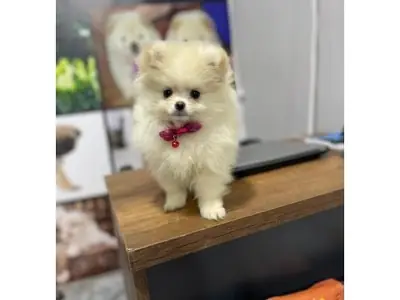
White adult Pomeranian female ready for a new home
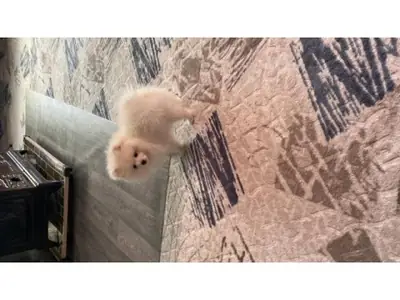
Adult white Pomeranian female available for adoption
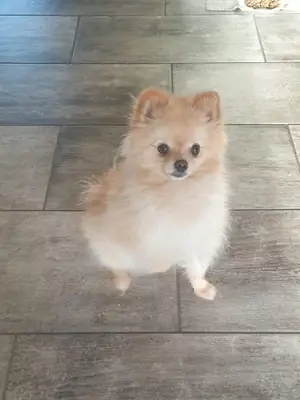
White Pomeranian that follows people everywhere in the house
Haven't found the pet you're looking for? Let people who want to find a new home for their pet reach out to you.
Create your free pet adoption request listing now and be seen by thousands of pet owners.
Quick Information
Other listings in your area
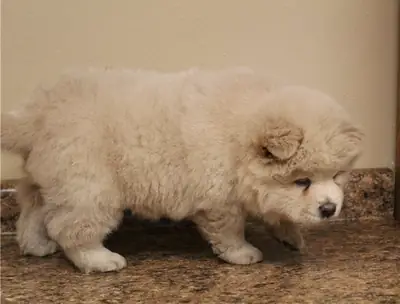
Chow Chow Puppies For Sale
Stunning Kc Registered Cavalier King Charles

Friendly brown Poodle that loves outdoor walks needs a new family
White adult Pomeranian female ready for a new home
Adult white Pomeranian female available for adoption
White Pomeranian that follows people everywhere in the house
Popular Searches
Free Pomeranian adoption Liverpool
Free Pomeranian adoption in Liverpool should be checked with more care than a normal “small dog wanted” search. A no-fee listing still needs clear details about age, microchip transfer, vaccinations, neutering, weight, coat condition, toilet training, barking level, health records and the real reason for rehoming.
A Pomeranian is small, but it is not a low-effort toy. The right home should be ready for grooming, gentle handling, safe stairs and sofas, dental care, lead safety, controlled socialisation and enough daily companionship to prevent stress.
Pomeranian dogs for adoption Liverpool
Pomeranian dogs for adoption in Liverpool can suit adopters who want a small, alert, affectionate companion with a bold personality. A strong listing should explain the dog’s actual daily behaviour, not just say “friendly” or “cute”.
Ask whether the dog barks at doors, pulls on lead, uses a harness, sleeps calmly, copes alone, accepts brushing, has dental issues, jumps from furniture or becomes nervous around children, large dogs or busy streets.
Pomeranian rescue Liverpool
Pomeranian rescue in Liverpool often attracts fast interest because the breed is small, photogenic and popular. That popularity should not make the adopter skip checks.
A useful rescue-style listing should explain microchip transfer, vet records, vaccination status, neutering, dental care, coat condition, barking level, toilet training, child history and whether the dog needs a calm home, experienced owner or another small-dog companion.
Pomeranian rehoming Liverpool
Pomeranian rehoming in Liverpool should always start with the real reason the dog needs a new home. A move, owner illness or work change is different from barking complaints, toilet accidents, separation anxiety, fear biting, coat neglect or vet costs.
Ask how long the owner has had the dog, what changed, whether behaviour support has been tried and whether any issue is being softened by words like “lively”, “protective”, “nervous” or “needs time”.
Pomeranian free to good home Liverpool
Pomeranian free to good home Liverpool searches need a strict filter. “Good home” should mean safe handling, microchip transfer, vet budget, grooming routine, dental checks, secure lead setup, calm introductions and a home that understands small-dog fragility.
Before adopting, ask about barking, toilet training, separation behaviour, patella history, trachea symptoms, tooth loss, coat loss, weight, child experience and whether the dog is comfortable being handled by more than one person.
Free Pomeranian puppies Liverpool
Free Pomeranian puppies in Liverpool will attract immediate attention, so weak details are a red flag. A puppy listing should include exact age, microchip status, vaccination plan, worming, flea treatment, feeding routine, toilet progress, socialisation, parent history where known and a clear reason for adoption.
Pomeranian puppies are tiny and delicate. Ask about eating frequency, weight, hypoglycaemia concerns, safe handling, stairs, sofa jumps, crate routine, grooming exposure and whether the puppy is ready for a structured home rather than constant carrying.
Adult Pomeranian adoption Liverpool
Adult Pomeranian adoption in Liverpool can be a better option than chasing puppies because the dog’s true size, barking level, coat condition, dental history, toilet habits and confidence around people are already easier to judge.
Ask whether the adult dog is cuddly, independent, nervous, reactive on lead, calm indoors, good with visitors, reliable with toilet training and able to settle without constant attention.
Senior Pomeranian adoption Liverpool
Senior Pomeranian adoption in Liverpool can suit a calm home, but older small dogs need honest planning around teeth, knees, breathing, heart notes, eyes, weight, coat care, medication and safe movement.
Ask about dental extractions, coughing, collapsing episodes, stiff legs, cloudy eyes, appetite, drinking, toilet accidents, recent vet notes and whether the dog still enjoys short walks or mostly wants gentle companionship.
Pomeranian adoption near me Liverpool
Pomeranian adoption near me in Liverpool often includes Birkenhead, Bootle, Crosby, Wallasey, Huyton, Prescot, St Helens, Widnes, Warrington, Southport, Wigan and wider Merseyside searches.
Local distance helps with safer meetings and calmer handover, but nearby is not enough. A local Pomeranian with vague health notes, no microchip transfer plan or unclear behaviour history is still a risky adoption option.
Pomeranian rescue Merseyside
Pomeranian rescue Merseyside searches are realistic because confirmed listings may not appear in Liverpool every day. Widening the area can help, but the checks should stay strict.
Compare listings by microchip transfer, vet records, dental history, trachea symptoms, knee issues, barking level, toilet training, coat condition, temperament, pet compatibility and the exact reason for rehoming.
Toy Pomeranian adoption Liverpool
Toy Pomeranian adoption in Liverpool is a common search phrase, but buyers and adopters should be careful with size labels. Tiny does not automatically mean healthier, easier or better.
Ask current weight, adult weight estimate if young, appetite, dental history, patella checks, breathing comfort and whether the dog can be handled safely without being treated like an accessory.
Teacup Pomeranian adoption Liverpool
Teacup Pomeranian adoption in Liverpool needs blunt caution. “Teacup” is often used to create demand around very tiny dogs, but extreme small size can bring extra fragility and health concerns.
Ask exact weight, age, feeding routine, vet notes, dental condition, knee history, breathing symptoms and whether the dog has ever had weakness, fainting, low blood sugar signs or injuries from jumps and rough handling.
Small Pomeranian adoption Liverpool
Small Pomeranian adoption in Liverpool should focus on safe living, not just cute size. A small dog can be injured by stairs, sofa jumps, rough play, large dogs or children who do not understand gentle handling.
Ask whether the dog can use ramps, whether it jumps from furniture, whether it has had leg injuries and whether it is confident outside without being carried everywhere.
Fluffy Pomeranian adoption Liverpool
Fluffy Pomeranian adoption in Liverpool attracts people through appearance, but the coat should be checked properly. A thick coat can hide skin irritation, fleas, bald patches, matting, weight problems or grooming neglect.
Ask for current full-body photos, not only face shots. Check whether the dog is brushed regularly, whether the coat sheds heavily, whether mats form behind the ears or legs and whether any hair loss has been seen.
Orange Pomeranian adoption Liverpool
Orange Pomeranian adoption in Liverpool is a strong colour-led search because orange and sable coats are the classic look many people imagine. Colour should be a preference, not the decision.
Ask about health, temperament, microchip transfer, dental care, grooming, barking, toilet training and whether the dog is comfortable with your home routine before caring about coat shade.
Cream Pomeranian adoption Liverpool
Cream Pomeranian adoption in Liverpool can draw attention because pale coats look soft and clean in photos. The listing still needs to show the real dog, not only a polished grooming moment.
Ask whether tear staining, skin irritation, coat thinning, matting, dental problems or weight issues are present, and whether the photos are recent and natural rather than heavily staged.
Black Pomeranian adoption Liverpool
Black Pomeranian adoption in Liverpool may attract people looking for a less common coat colour. Dark coats can make it harder to spot skin flakes, thinning patches or matting in poor photos.
Ask for clear daylight images, grooming history, coat texture, skin condition, dental notes, behaviour details and whether the dog has any fear, barking or handling problems hidden behind cute pictures.
White Pomeranian adoption Liverpool
White Pomeranian adoption in Liverpool can make people focus too much on appearance. A white coat may show tear staining, dirt and skin irritation clearly, but it can also be groomed for photos.
Ask about eye discharge, tear stains, grooming routine, skin health, coat loss, dental condition, hearing concerns if mentioned and whether the dog is relaxed outside normal grooming sessions.
Merle Pomeranian adoption Liverpool
Merle Pomeranian adoption in Liverpool needs careful checking because unusual colour can create urgency and hide weak information. A rare-looking coat is not a reason to ignore health, identity or behaviour details.
Ask whether the colour and breed are honestly described, whether the dog has any eye or hearing notes, whether vet records are available and whether the seller or current keeper can explain the dog’s background clearly.
Pomeranian for flat living Liverpool
A Pomeranian can live in a Liverpool flat if barking, stairs, toilet routine, neighbour noise, exercise and alone time are managed properly. Size alone does not make a dog flat-friendly.
Ask whether the dog barks at hallway sounds, lifts, doors, people outside, other dogs or delivery drivers. A tiny dog with constant alert barking can become a serious flat problem.
Apartment Pomeranian adoption Liverpool
Apartment Pomeranian adoption in Liverpool should focus on noise, routine and safe movement. A Pomeranian may not need a huge garden, but it does need training, enrichment, toilet consistency and safe handling around stairs and furniture.
Ask whether the dog is pad trained, outdoor trained, crate trained, barky when alone, nervous in communal areas and calm enough to settle after short walks and play sessions.
Pomeranian with children Liverpool
Pomeranian with children in Liverpool should be checked carefully because the dog is small and can be physically fragile. A child-friendly Pomeranian still needs gentle handling and proper supervision.
Ask what ages the dog has lived with, whether it has been grabbed, dropped, chased or startled before, whether it snaps when scared and whether it prefers older children who understand boundaries.
Pomeranian with other dogs Liverpool
Pomeranian with other dogs can work well when the dog is socialised and the other dogs are gentle. The risk is size mismatch, rough play or a bold Pomeranian challenging dogs much larger than itself.
Ask whether the Pomeranian has lived with dogs, whether it barks on lead, whether it guards food or laps and whether it plays safely with larger dogs or only suits small calm dogs.
Pomeranian with cats Liverpool
Pomeranian with cats in Liverpool needs actual history, not guesswork. Some Pomeranians live calmly with cats, while others bark, chase or become jealous around owner attention.
Ask whether the dog has lived with cats, whether it chases, whether it can be redirected and whether slow introductions can be managed safely in the new home.
Pomeranian for first time owners Liverpool
Pomeranian for first time owners in Liverpool can be realistic when the adopter understands that a tiny dog still needs structure, training, grooming, dental care and calm boundaries.
First-time adopters should be careful with listings that mention constant barking, snapping, separation anxiety, toilet accidents, coat loss, coughing, slipping knees or “doesn’t like strangers” without a clear explanation.
Pomeranian barking adoption Liverpool
Pomeranian barking adoption checks are essential because alert barking is one of the biggest small-dog mismatch points in flats, terraces and busy city homes.
Ask what triggers barking: doors, windows, strangers, other dogs, children, being left alone, excitement, fear or attention. “Only barks a little” is useless unless the owner explains when and how long.
Quiet Pomeranian adoption Liverpool
Quiet Pomeranian adoption in Liverpool needs proof, not hope. Some individuals are calmer than others, but a Pomeranian should not be adopted on the assumption that it will stay silent in a busy home.
Ask for videos or honest notes around doorbells, visitors, walks, other dogs, being left alone and night-time settling. If noise would threaten your tenancy or neighbour relationships, do not guess.
Pomeranian separation anxiety adoption
Pomeranian separation anxiety adoption questions matter because many small companion dogs are strongly attached to people and can struggle when left for long periods.
Ask how long the dog can be left, whether it barks, howls, scratches doors, toilets indoors, refuses food, shakes, chews or becomes frantic when someone returns. Do not adopt a dog that panics alone if your routine keeps you away all day.
Pomeranian toilet training adoption
Pomeranian toilet training adoption checks should be direct because tiny dogs can develop indoor accidents from poor routine, stress, marking, medical issues or inconsistent pad use.
Ask whether the dog toilets outside, uses pads, marks indoors, has accidents when left, urinates frequently, drinks more than normal or has been checked by a vet for any sudden change.
Pomeranian crate trained adoption Liverpool
Pomeranian crate trained adoption in Liverpool can be useful if the crate is a safe resting space, not a place where the dog is shut away for long hours.
Ask whether the dog sleeps in a crate, whether it cries, scratches, toilets inside, panics when shut in or uses the crate calmly during travel, visitors and rest periods.
Pomeranian lead walking adoption Liverpool
Pomeranian lead walking adoption details matter because a small dog can still pull, bark, lunge or panic outside. A collar can also put pressure on a delicate neck if the dog pulls.
Ask whether the dog uses a harness, whether it coughs on lead, whether it barks at dogs, whether it freezes on busy streets and whether it can walk calmly without being carried everywhere.
Pomeranian grooming adoption Liverpool
Pomeranian grooming adoption in Liverpool should be discussed before handover because the double coat needs regular brushing and should not be neglected until mats form.
Ask whether the dog accepts brushing, whether mats form behind the ears, around the legs or under the tail, whether professional grooming has been needed and whether the coat has ever been clipped too short.
Pomeranian shedding adoption Liverpool
Pomeranian shedding adoption searches are common because the fluffy coat can leave hair on clothes, sofas, bedding and carpets. Anyone expecting a no-shed small dog is choosing badly.
Ask how often the dog is brushed, whether shedding changes seasonally, whether hair comes out in clumps and whether bald patches, skin flakes or coat thinning have appeared.
Pomeranian coat loss adoption
Pomeranian coat loss adoption checks matter because bald patches, thinning coat or darkened skin can point to more than simple shedding. Do not accept “it will grow back” without context.
Ask when the coat loss started, whether a vet checked thyroid, skin, parasites or hormonal causes, whether the dog scratches and whether grooming or clipping made the coat worse.
Pomeranian dental care adoption Liverpool
Pomeranian dental care should be checked before adoption because small dogs often develop tooth and gum issues. Bad breath, missing teeth, drooling or avoiding hard food should not be ignored.
Ask when the dog last had a dental check, whether teeth have been removed, whether the gums bleed, whether the dog eats normally and whether future dental treatment is likely.
Pomeranian tracheal collapse adoption
Pomeranian tracheal collapse adoption questions are important because coughing, gagging or honking sounds can affect walking, excitement, weight control and handling.
Ask whether the dog coughs on lead, after barking, when excited, during exercise or at night, whether a vet has diagnosed tracheal collapse and whether a harness is used instead of neck pressure from a collar.
Pomeranian luxating patella adoption
Pomeranian luxating patella adoption checks matter because slipping kneecaps can cause skipping steps, limping, pain, reduced exercise and long-term joint problems.
Ask whether the dog skips on a back leg, holds a leg up, limps after play, avoids stairs, has vet notes, takes pain relief or has had surgery or exercise restrictions.
Pomeranian eye problems adoption
Pomeranian eye problems should be asked about before adoption because small breeds can have issues that affect comfort, sight and confidence.
Ask whether the dog has cloudy eyes, redness, discharge, squinting, inward-turning eyelids, bumping into objects, poor night vision or any vet eye notes.
Pomeranian skin problems adoption
Pomeranian skin problems can be hidden under the coat, so adopters should ask directly. Itching, flakes, redness, bald patches, dark skin, scabs or greasy coat should not be brushed off.
Ask whether the dog scratches, licks paws, loses coat, has allergies, needs medicated shampoo or has vet notes about skin treatment.
Pomeranian weight adoption Liverpool
Pomeranian weight adoption checks matter because a small amount of extra weight can put more pressure on the knees, breathing and joints. Tiny dogs can also be underweight or fragile if feeding is poor.
Ask current weight, appetite, food amount, treat habits, recent weight changes and whether a vet has advised weight loss, weight gain or careful feeding.
Microchipped Pomeranian adoption Liverpool
Microchipped Pomeranian adoption in Liverpool should include a clear keeper transfer process. The chip should match the dog, and the new keeper details should be updated after handover.
This matters because a newly adopted Pomeranian can panic, slip through a gap, bolt from arms, escape a loose harness or run in an unfamiliar area before it recognises the new home.
Vaccinated Pomeranian rehoming Liverpool
Vaccinated Pomeranian rehoming in Liverpool should state what has been given, what is due next and whether a vet record is available.
Also ask about flea treatment, worming, dental checks, coat condition, coughing, knee issues, eye health, skin problems, appetite, weight and any current medication. “Healthy” without records is too thin for a serious adoption decision.
Neutered Pomeranian adoption Liverpool
Neutered Pomeranian adoption in Liverpool can make adult rehoming simpler, but it does not replace checks on behaviour, weight, coat condition, dental history, toilet habits or pet compatibility.
Ask whether the dog is neutered, whether proof exists, when it was done and whether weight, coat, urinary habits, marking or behaviour changed afterwards.
Private Pomeranian rehoming Liverpool
Private Pomeranian rehoming in Liverpool can be genuine, but it needs careful checking. Some owners are honest; others may minimise barking, snapping, toilet accidents, separation anxiety, coat loss, dental disease, coughing or hidden vet costs.
Ask for microchip details, vet records, vaccination status, neutering proof, recent videos and the exact reason for rehoming. A responsible owner should care where the dog goes, not just how quickly it leaves.
Pomeranian adoption scam Liverpool
Pomeranian adoption scams in Liverpool can use stolen puppy photos, fake rescue stories, urgent transport fees, delivery-only offers and vague answers about ownership or vet history.
Ask for current videos, proof of ownership, microchip details, vet notes, a clear rehoming reason and a safe meeting plan. If the dog is supposedly free but the pressure is high, stop.
Liverpool Merseyside Pomeranian adoption
Liverpool, Birkenhead, Bootle, Crosby, Wallasey, Huyton, Prescot, St Helens, Widnes, Warrington, Southport and Wigan are realistic local search areas for Pomeranian adoption.
Use that reach properly: compare microchip transfer, vet records, dental history, trachea symptoms, knee health, coat condition, barking level, toilet training, temperament, pet compatibility and rehoming reason before arranging collection. The closest Pomeranian is not automatically the right Pomeranian.
Frequently Asked Questions
What should I check before adopting a free Pomeranian in Liverpool?
Check the dog’s age, microchip status, keeper transfer, vaccination history, neutering, vet records, weight, coat condition, grooming routine, toilet training, barking level and reason for rehoming.
For a Pomeranian, also ask about tracheal collapse, luxating patella, dental disease, eye problems, skin or coat loss, separation anxiety and whether the dog can live safely with children, cats or other dogs.
Is a Pomeranian a good adoption dog?
Yes, a Pomeranian can be a strong adoption choice for a home that wants a small, lively and affectionate companion dog.
The right match still depends on the individual dog’s health, barking level, toilet training, grooming needs, handling tolerance, time-alone behaviour and compatibility with the household.
Can I adopt a Pomeranian for free in Liverpool?
Free Pomeranian adoption listings may appear in Liverpool, but they are likely to attract quick interest because the breed is small and popular.
Do not choose only because there is no fee. Check microchip transfer, vet records, behaviour history, coat condition, dental health and the real reason for rehoming before committing.
Are Pomeranians good for first-time dog owners?
A Pomeranian can suit a first-time owner who is ready for grooming, training, dental care, safe handling and consistent boundaries.
It is a poor match for someone choosing only because the dog is tiny and cute, without preparing for barking, coat care, fragile legs, possible coughing and small-dog confidence issues.
Are Pomeranians good family dogs?
Pomeranians can be good family dogs in homes that understand their size, confidence and handling needs.
Ask whether the dog has lived with children, whether it snaps when startled, whether it jumps from furniture and whether children know how to handle a small dog gently.
Are Pomeranians good with children?
Some Pomeranians live well with respectful children, especially older children who understand gentle handling.
Ask what ages the dog has lived with, whether it has been grabbed, dropped, chased or startled before and whether it prefers a quieter home.
Can Pomeranians live with other dogs?
Some Pomeranians live well with other dogs, but size, play style and confidence matter.
Ask whether the Pomeranian has lived with dogs before, whether it barks on lead, whether it guards food or laps and whether it is safe with larger dogs.
Can Pomeranians live with cats?
Some Pomeranians can live with cats if they have suitable history and introductions are managed slowly.
Ask whether the dog has lived with cats, whether it chases, barks, becomes jealous or can be redirected calmly.
Can a Pomeranian live in a flat in Liverpool?
Yes, a Pomeranian can live in a flat if barking, toilet routine, stairs, neighbour noise, exercise and alone time are managed properly.
Ask whether the dog barks at doors, hallway sounds, visitors, other dogs or delivery drivers before assuming a small dog is flat-friendly.
Do Pomeranians bark a lot?
Many Pomeranians are alert and can bark at sounds, visitors, dogs, doors or being left alone.
Ask what triggers barking, how long it lasts, whether training has helped and whether the dog would suit your home layout and neighbours.
Can Pomeranians be left alone?
Some Pomeranians cope with predictable short periods alone, while others develop barking, toilet accidents or anxiety.
Ask how long the dog can be left, whether it barks, howls, scratches doors, toilets indoors, refuses food or becomes frantic when people return.
Are Pomeranians easy to toilet train?
Some Pomeranians are reliable, while others need careful routine because tiny dogs can develop indoor accidents from stress, marking or inconsistent training.
Ask whether the dog toilets outside, uses pads, marks indoors, has accidents when left or has any urinary issue that a vet has checked.
Should an adopted Pomeranian be microchipped?
Yes, the dog should be microchipped and the keeper details should be transferred correctly after adoption.
Ask how the microchip transfer will be handled before collection, especially because a newly adopted small dog can panic, slip a harness or run in an unfamiliar area.
Should a Pomeranian be vaccinated before adoption?
Vaccination status should be clear before adoption. Ask what has been given, what is due next and whether a vet record is available.
Also ask about flea treatment, worming, dental checks, coughing, knee issues, skin problems, appetite, weight and any current medication.
Should a Pomeranian be neutered before rehoming?
Many adult rehomed dogs are neutered, but not all. Ask whether the Pomeranian is neutered and whether proof or vet notes are available.
If the dog is not neutered, ask whether a vet has advised timing and whether the adopter is expected to arrange it.
Do Pomeranians need much grooming?
Yes, Pomeranians need regular grooming because their fluffy double coat can shed, tangle and hide skin problems.
Ask whether the dog accepts brushing, whether mats form, whether the coat has been clipped short and whether any coat loss has appeared.
Do Pomeranians shed?
Yes, Pomeranians can shed, especially during seasonal coat changes.
Regular brushing helps manage loose hair and gives you a chance to check the skin, coat texture, bald patches and body weight.
Are Pomeranians hypoallergenic?
No, Pomeranians should not be treated as allergy-free dogs.
If allergies matter, spend time with Pomeranians before adopting and remember that reactions can involve dander and saliva, not only visible hair.
Should I worry about Pomeranian coat loss?
Yes, coat loss, bald patches or darkened skin should be discussed before adoption.
Ask when it started, whether a vet checked skin, thyroid, parasites or hormonal causes and whether grooming or clipping made the coat worse.
What health issues should I ask about in a Pomeranian?
Ask about tracheal collapse, luxating patella, dental disease, eye problems, skin problems, coat loss, weight, coughing, fainting, appetite and medication.
The dog does not need a perfect health history to be adoptable, but the history should be clear and honest.
Should I ask about tracheal collapse in a Pomeranian?
Yes. Ask whether the dog coughs, gags, makes a honking sound, struggles after excitement or coughs when a collar puts pressure on the neck.
Also ask whether a vet has diagnosed tracheal collapse and whether the dog uses a harness for walks.
Should I ask about luxating patella in a Pomeranian?
Yes. Slipping kneecaps can cause skipping steps, limping, pain and reduced exercise tolerance.
Ask whether the dog holds a back leg up, skips when walking, avoids stairs, has vet notes, needs pain relief or has had surgery.
Should I ask about dental care in a Pomeranian?
Yes. Small dogs can develop dental disease, and dental pain may hide behind normal eating.
Ask when the dog last had a dental check, whether teeth have been removed, whether breath smells bad and whether future dental treatment is likely.
Should I ask about eye problems in a Pomeranian?
Yes. Ask whether the dog has cloudy eyes, redness, discharge, squinting, inward-turning eyelids, poor night vision or any vet eye notes.
Eye comfort matters even if the dog seems bright, playful and alert.
Is a senior Pomeranian a good adoption choice?
A senior Pomeranian can be a good adoption choice for a calm home that can manage dental care, gentle walks, safe handling, coat care and vet checks.
Ask about coughing, teeth, knees, eyes, medication, appetite, toilet habits, recent vet notes and whether the dog still enjoys short walks and quiet companionship.
Is a teacup Pomeranian safe to adopt?
Be careful with the word “teacup” because it is often used to create demand around very tiny dogs.
Ask exact weight, age, feeding routine, vet notes, dental condition, knee history, breathing symptoms and whether the dog has had weakness, fainting or injuries from falls.
Should a Pomeranian wear a harness or collar?
A harness is often safer for walks because it reduces pressure on the neck and windpipe.
Ask whether the dog coughs on a collar, pulls on lead and whether it is already comfortable wearing a properly fitted harness.
How do I avoid Pomeranian adoption scams in Liverpool?
Watch for stolen photos, fake rescue stories, delivery-only offers, urgent transport fees, missing microchip details, vague vet records and pressure to decide quickly.
Ask for current videos, proof of ownership, microchip information, vet notes, a clear rehoming reason and a safe meeting plan.
What should I prepare before bringing a Pomeranian home?
Prepare a secure harness, lead, ID tag, small bed, familiar food, bowls, grooming brush, comb, dental supplies, safe toys, vet registration and a calm settling area.
Keep the first week controlled. Do not rush children’s play, dog parks, sofa jumping, stairs, cat introductions or long periods alone before the dog has settled and the microchip transfer is complete.
Which areas near Liverpool should I search for Pomeranian adoption?
Useful nearby searches can include Birkenhead, Bootle, Crosby, Wallasey, Huyton, Prescot, St Helens, Widnes, Warrington, Southport and Wigan.
Distance should not beat health, behaviour, microchip transfer and seller transparency. The closest Pomeranian is not automatically the right Pomeranian.