Free Golden Retriever Adoption in London
There are 5 Golden Retriever listings live right now, last updated 2 days ago. Find Golden Retriever... There are 5 Golden Retriever listings live right now, last updated 2 days ago. Find Golden Retriever dogs for free adoption in London with the checks this gentle, social and high-shedding family dog g... There are 5 Golden Retriever listings live right now, last updated 2 days ago. Find Golden Retriever dogs for free adoption in London with the checks this gentle, social and high-shedding family dog genuinely needs before you bring one home: compare adult Golden Retrievers, puppies, senior dogs and Golden Retriever crosses on Petopic by age, microchip transfer, neutering, vaccination history, hip and elbow notes, eye checks, heart history, lumps, ear infections, skin allergies, weight, grooming needs, separation anxiety, lead manners, flat suitability, stairs, children, cats, other dogs and safe handover options across North London, South London, East London, West London, Central London, Croydon, Bromley, Richmond, Ealing, Hackney, Camden, Greenwich, Barnet, Enfield, Wandsworth, Wembley, Romford, Kingston and Greater London.

Golden Retriever Puppies Full of Personality

Golden retriever

Gift male and female Golden Retriever puppies

Friendly Golden Retriever who grew up surrounded by people

Adorable Golden Retriever Puppy For Adoption
Haven't found the pet you're looking for? Let people who want to find a new home for their pet reach out to you.
Create your free pet adoption request listing now and be seen by thousands of pet owners.
Quick Information
Other listings in your area

Beautiful litter of 6 Shih tzu puppies

Yellow Labrador Retriever Puppies – 9 Weeks Old – Ready for Their Forever Homes

Labrador that just needs more time than we can give

Adorable Toy Poodle Puppy (Red Brown) (Please contact me via email on photos )
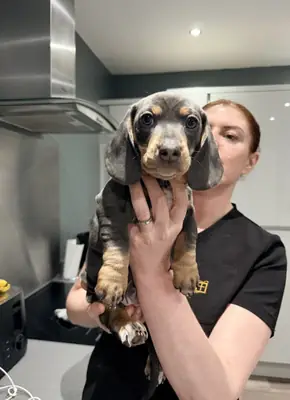
Miniature dachshund puppies available for adoption.

Pomeranian puppy
Popular Searches
Free Golden Retriever adoption London
Free Golden Retriever adoption in London should be judged by health records, temperament and daily routine before the dog’s soft expression. A Golden Retriever is a sociable, affectionate dog, but London life adds real checks: stairs, flats, busy streets, parks, public noise, travel, work hours and whether the dog can settle when people leave.
On Petopic, strong adoption listings should explain age, microchip transfer, neutering, vaccination history, hip and elbow notes, eye checks, heart history, lumps, ear infections, skin allergies, weight, grooming needs, separation anxiety, children, cats, other dogs and the exact reason for rehoming.
Golden Retriever dogs for free adoption in London
Golden Retriever dogs for free adoption in London can include adult companions, young dogs, senior dogs, retired breeding dogs, rescue cases and Golden Retriever crosses needing a better home.
The useful listing is the one that shows real life: whether the dog is calm indoors, good on lead, settled around traffic, comfortable with children, safe around cats, sociable with dogs, able to be left alone and up to date with vet care.
Golden Retriever rehoming London
Golden Retriever rehoming in London often happens because of landlord rules, smaller homes, owner illness, long work hours, separation stress, cost, allergies, moving abroad, new babies or a dog needing more time than the current home can give.
Ask why the Golden Retriever is being rehomed, how long the current keeper has owned it, whether it has moved homes before and what has genuinely been difficult. “Lovely dog, no time” is not enough detail for a responsible adoption decision.
Golden Retriever rescue London
Golden Retriever rescue in London needs patience because a rescued Golden may be affectionate but still anxious, overweight, under-trained, sore in the joints or unsettled by buses, lifts, crowds and busy parks.
Ask about vet records, previous homes, hips, elbows, eyes, ears, skin, weight, medication, children, cats, dogs and how the dog behaves on ordinary London walks rather than only in a quiet room.
Golden Retriever free to good home London
Golden Retriever free to good home listings in London can be genuine, but free does not mean low-cost. Food, grooming, insurance, joint care, ear treatment, training and vet checks can become serious long-term expenses.
A responsible listing should include microchip transfer, vaccination proof, neutering status, vet notes, behaviour detail and a calm handover plan. If the dog must leave immediately with no proper questions, slow down.
Golden Retriever adoption Greater London
Golden Retriever adoption across Greater London may include Croydon, Bromley, Richmond, Ealing, Hackney, Camden, Greenwich, Barnet, Enfield, Wandsworth, Hounslow, Kingston, Wembley, Romford and nearby commuter areas.
A wider local search helps because genuine free Golden Retriever rehoming is not common in every borough. Local distance helps you meet the dog properly, check documents, watch a normal walk and plan a safe journey home.
Adult Golden Retriever adoption London
Adult Golden Retriever adoption in London can be a strong choice because size, temperament, lead manners, grooming needs, weight, stairs and alone-time behaviour are already visible.
Ask whether the adult Golden is house trained, calm indoors, comfortable around lifts, settled with visitors, good near traffic, safe with children and able to relax after exercise. Adult behaviour gives evidence that puppy photos cannot.
Senior Golden Retriever adoption London
Senior Golden Retriever adoption can suit a calm London home that wants a gentle, known companion. Older Goldens may still be playful and affectionate, but age makes joint comfort, stairs, lifts, weight, teeth, lumps, hearing and medication more important.
Ask about hips, elbows, stiffness, appetite, lumps, dental care, medication, eyesight, hearing, stairs and exercise tolerance. A senior Golden needs comfort and honesty, not pity adoption.
Golden Retriever puppy free adoption London
Golden Retriever puppy free adoption in London should raise serious questions because Golden puppies are highly wanted. A free puppy can be genuine, but it can also hide fake photos, missing records, weak socialisation or a rushed handover.
Ask exact age, microchip status, vaccination plan, worming, flea treatment, parent background, toilet routine, confidence, handling and why such a high-demand puppy is being rehomed free.
Private Golden Retriever rehoming London
Private Golden Retriever rehoming in London can be genuine, but the adopter has to uncover the facts. Some owners minimise weight issues, ear infections, anxiety, jumping up, pulling, resource guarding, skin allergies or medical costs.
Ask for microchip transfer, vaccination records, vet history, normal walking videos, grooming notes, alone-time detail and the exact rehoming reason. A good keeper should care about the match, not just how quickly the dog leaves.
Retired breeding Golden Retriever adoption London
Retired breeding Golden Retriever adoption in London needs careful checking because the dog may be gentle but under-socialised, overweight, nervous indoors or unused to ordinary family routines.
Ask how many litters the dog had, whether it is neutered, whether it has lived as a family pet, whether it is house trained, whether vet records are available and whether hip, elbow, eye or heart history is clear.
Microchipped Golden Retriever adoption London
A microchipped Golden Retriever adoption listing should explain how keeper details will be transferred. The chip should match the dog, and the database transfer should be handled properly during adoption.
Ask for the microchip number, database process and proof that the current keeper is allowed to rehome the dog. Identity details should not be left vague until after the handover.
Vaccinated Golden Retriever rehoming London
Vaccinated Golden Retriever rehoming should state what has been given, what is due next and whether a vet record is available. “Healthy” is not the same as documented care.
Ask about boosters, flea treatment, worming, ear treatment, skin allergies, weight, medication, previous surgery and any ongoing condition. Good adoption detail protects both the dog and adopter.
Neutered Golden Retriever adoption London
Neutered Golden Retriever adoption in London can reduce unwanted breeding and may simplify some household management, but it does not automatically fix jumping, pulling, anxiety, weight gain or resource guarding.
Ask whether the dog is neutered, when it was done, whether recovery was normal and whether weight or behaviour changed afterwards. Adoption still needs routine, training and realistic care.
Golden Retriever hip dysplasia adoption London
Golden Retriever hip dysplasia history should be checked before adoption because a large, active dog needs comfortable movement for stairs, buses, car travel, park walks, play and everyday life.
Ask whether the dog limps, bunny-hops, struggles to rise, avoids stairs, has x-rays, takes supplements, uses pain relief or has exercise limits. A happy tail does not prove sound hips.
Golden Retriever elbow dysplasia adoption London
Golden Retriever elbow history matters because elbow discomfort can make a dog stiff, lame or reluctant to exercise. It can also affect weight, mood and long-term walking routine.
Ask about elbow scores if known, x-rays, limping, stiffness after rest, pain medication and whether the dog avoids certain surfaces or activities. Front-leg lameness deserves detail, not guesses.
Golden Retriever eye problems adoption London
Golden Retriever eye problems should be discussed before adoption because vision changes, cataracts, PRA history, discharge, cloudiness or squinting can affect long-term comfort and cost.
Ask whether the dog has had eye checks, whether parent history is known, whether the dog bumps into things, struggles in low light or has ever needed eye drops or specialist care.
Golden Retriever heart check adoption London
Golden Retriever heart history is worth asking about, especially with adult or senior dogs. A calm dog can still have a murmur, exercise intolerance or past vet comments that matter.
Ask whether a murmur has been heard, whether the dog tires quickly, coughs, faints, avoids exercise or has had any heart scan or medication. Medical silence is not medical clarity.
Golden Retriever lumps adoption London
Golden Retriever lumps should be asked about directly, especially in adult and senior dogs. Lumps can be harmless, but they can also need testing, removal or monitoring.
Ask whether any lump has been checked by a vet, whether needle tests or removals happened, whether new lumps are growing and whether records are available. Do not accept “just old age” without detail.
Golden Retriever ear infection adoption London
Golden Retriever ear infections should be checked before adoption because floppy ears, swimming, allergies and coat density can make ear problems recurring and painful.
Ask whether the dog shakes its head, scratches, smells, has wax, needs ear drops, has allergies or has had repeated vet visits. A dog with sore ears may also dislike grooming and handling.
Golden Retriever skin allergies adoption London
Golden Retriever skin allergies can show as itching, paw licking, hot spots, ear infections, redness, hair loss or repeated skin treatment. This matters before adoption because it can become a long-term cost.
Ask whether the dog needs special food, allergy medication, medicated shampoo, regular ear treatment or vet follow-up. Shiny coat photos do not prove allergy-free skin.
Overweight Golden Retriever adoption London
Overweight Golden Retriever adoption needs honesty because extra weight can worsen joint strain, stamina, heat tolerance and long-term comfort. Goldens can gain weight easily when food and treats are not managed.
Ask current weight, target weight, diet, treats, exercise level, joint signs and whether a vet has advised weight loss. Keeping a Golden lean is welfare, not vanity.
Golden Retriever shedding adoption London
Golden Retriever shedding is a real adoption factor in London flats, rented homes, shared houses and carpeted spaces. This is not a low-hair dog.
Ask how often the dog is brushed, whether mats form, whether the dog swims or gets muddy often and whether the adopter is ready for coat care, vacuuming and seasonal shedding.
Golden Retriever grooming adoption London
Golden Retriever grooming should be part of the adoption decision. The coat, feathering, ears, paws and tail can collect mud, water, burrs and mats after park walks and wet pavements.
Ask whether the dog accepts brushing, bathing, ear checks, paw handling and drying after walks. A Golden that hates grooming can become hard to maintain even if it looks perfect in photos.
Golden Retriever separation anxiety adoption London
Golden Retriever separation anxiety can show as barking, crying, chewing, pacing, door scratching or toileting indoors when left alone. London work routines can make this problem worse if the dog is expected to cope for long hours.
Ask how long the dog can be left, whether it sleeps alone, whether neighbours complained, whether crate training helped and whether the dog becomes distressed when people leave the room.
Golden Retriever resource guarding adoption London
Golden Retriever resource guarding should be asked about directly because some dogs guard food, toys, stolen socks, chews, beds or attention. The breed’s friendly reputation does not cancel this risk.
Ask whether the dog growls, freezes, runs away with objects, snaps or guards bowls. In homes with children, this question is not optional.
Golden Retriever with children London
A Golden Retriever with children can be an excellent family match when the dog is steady and the children are respectful. The risk is jumping, mouthing, food stealing, overexcitement or a large dog knocking over small children.
Ask whether the dog has lived with children, what ages, whether it guards food or toys, whether it jumps up and whether it relaxes after play. Family-friendly needs evidence, not just reputation.
Golden Retriever with cats London
A Golden Retriever with cats can work if the dog has calm history and the cat has safe escape space. Many Goldens are gentle, but some still chase through excitement or poor introductions.
Ask whether the dog has lived with cats, whether it chases, barks, stares, mouths or can be redirected. A cat-safe claim needs real experience, not wishful thinking.
Golden Retriever with other dogs London
A Golden Retriever with other dogs can be sociable, but the match still depends on age, confidence, sex, play style and whether the dog guards food or attention.
Ask whether the dog has lived with dogs, whether fights happened, whether it barks on lead and whether it overwhelms smaller or quieter dogs. “Good with dogs” still needs context.
Golden Retriever for first time owners London
Golden Retriever adoption for first-time owners can work, but only when the adopter understands grooming, exercise, training, shedding, weight control and vet costs. The breed is forgiving, not effortless.
A first-time adopter should be cautious with a Golden that has strong resource guarding, severe separation anxiety, poor lead manners, untreated ear problems or unclear medical history.
Golden Retriever for flats London
Golden Retriever adoption for flats in London is possible only for the right dog and a strong routine. Size, stairs, lifts, shedding, hallway noise, toilet access, exercise and alone-time all matter.
Ask whether the dog settles indoors, barks at neighbours, manages stairs, can be left calmly and gets enough outdoor activity. Flat-friendly means proven calm behaviour, not just a friendly breed name.
Golden Retriever no garden adoption London
A Golden Retriever without a garden can be manageable when the adopter has a reliable walking routine, nearby green space, toilet access and enough time. A garden helps, but it does not replace exercise or training.
Ask whether the dog is used to pavement walks, waits for toilet breaks, settles after activity and copes with leads, traffic and other dogs. No garden is not automatically a deal-breaker; weak routine is.
Golden Retriever London transport adoption
Golden Retriever adoption in London should include travel questions because the dog may need to handle cars, taxis, trains, busy pavements, lifts, stations or crowded streets.
Ask whether the dog travels calmly, gets car sick, panics around noise, pulls through crowds or refuses stairs. A dog that is calm in a house may still struggle with city movement.
Golden Retriever near Richmond Croydon Bromley Ealing
Golden Retriever adoption near Richmond, Croydon, Bromley, Ealing, Hackney, Camden, Greenwich, Barnet, Enfield, Wandsworth, Kingston, Wembley and Romford gives London adopters more realistic options without rushing into the first free listing.
Short distance helps you meet properly, check paperwork, watch normal lead behaviour and plan a calm journey home. Nearby is useful only when the dog’s health and rehoming history are clear.
Golden Retriever adoption scam London
Golden Retriever adoption scams in London can use stolen photos, fake urgent rehoming stories, delivery-only offers, missing microchip details, no vet records and pressure for deposits or transport fees.
Ask for current videos, proof of ownership, microchip information, vet history, normal walking footage, grooming notes and a safe viewing or collection plan. If the person avoids proof but pushes urgency, walk away.
Frequently Asked Questions
What should I check before adopting a Golden Retriever in London?
Check the dog’s age, microchip transfer, neutering, vaccination history, vet records, hip and elbow notes, eye checks, heart history, lumps, ear infections, skin allergies, weight, grooming needs, separation anxiety, lead manners, stairs, flat suitability, children, cats, other dogs and the reason for rehoming.
A Golden Retriever is a sociable, affectionate dog, but adoption should still be based on health clarity, behaviour and daily care, not only the breed’s family-friendly reputation.
Can I adopt a Golden Retriever for free in London?
You may find free Golden Retriever rehoming listings in London, but free adoption still needs proper checks.
Ask for microchip details, vet records, vaccination history, neutering status, joint notes, ear history, behaviour details and a clear handover plan. Free does not mean low-cost care.
Is a Golden Retriever a good adoption dog?
A Golden Retriever can be an excellent adoption dog for a home that can provide companionship, exercise, grooming, training and vet care.
The right match depends on the individual dog’s health, age, energy, weight, temperament, alone-time behaviour and experience with children or other pets.
Can a Golden Retriever live in a London flat?
A Golden Retriever may live in a flat if the individual dog is calm indoors and the owner can provide enough exercise, grooming, toilet access and routine.
Ask about barking, stairs, lifts, shedding, hallway noise, alone-time behaviour and whether the dog settles after walks.
Can I adopt a Golden Retriever in London without a garden?
Some Golden Retrievers can live well without a garden if they have a reliable walking routine, toilet access, enough exercise and calm indoor structure.
Ask whether the dog is used to pavement walks, waits for toilet breaks, settles after activity and handles traffic, leads and other dogs calmly.
Are Golden Retrievers good with children?
Many Golden Retrievers are good with children, but every dog still needs checking as an individual.
Ask whether the dog has lived with children, what ages, whether it jumps up, mouths hands, steals food, guards toys or becomes overexcited in busy rooms.
Can Golden Retrievers live with cats?
Some Golden Retrievers live peacefully with cats, especially when they have previous experience and calm introductions.
Ask whether the dog has lived with cats, whether it chases, barks, stares, mouths or can be redirected. Cats need safe escape spaces during introductions.
Can Golden Retrievers live with other dogs?
Many Golden Retrievers can live with other dogs, but the match depends on temperament, confidence, play style and whether either dog guards food or attention.
Ask whether the Golden has lived with dogs, whether fights happened, whether it barks on lead and whether a calm meet can be arranged.
Are Golden Retrievers good for first-time dog owners?
A Golden Retriever can suit a first-time owner who is ready for training, grooming, shedding, exercise, food costs and vet care.
A first-time adopter should be careful with a dog that has strong resource guarding, severe anxiety, poor lead manners, untreated ear problems or unclear medical history.
Do Golden Retrievers shed a lot?
Yes, Golden Retrievers shed and need regular brushing.
Ask how often the dog is groomed, whether mats form, whether the dog accepts brushing and whether the adopter is ready for coat care and regular cleaning at home.
Do Golden Retrievers need a lot of grooming?
Golden Retrievers need regular brushing, ear checks, paw care and drying after wet or muddy walks.
Ask whether the dog accepts brushing, bathing, ear handling, foot handling and coat drying before assuming grooming will be easy.
Do Golden Retrievers get ear infections?
Golden Retrievers can get ear infections, especially when allergies, swimming, moisture or wax build-up are involved.
Ask whether the dog shakes its head, scratches, smells, has wax, needs ear drops or has had repeated vet visits for ear problems.
Are Golden Retrievers prone to skin allergies?
Some Golden Retrievers have skin allergies that show as itching, paw licking, hot spots, ear infections, redness or hair loss.
Ask whether the dog needs special food, allergy medication, medicated shampoo, regular ear treatment or ongoing vet care.
Should I ask about hip dysplasia before adopting a Golden Retriever?
Yes, hip comfort is important in a large, active dog.
Ask whether the dog limps, bunny-hops, struggles to rise, avoids stairs, has x-rays, takes supplements, uses pain relief or has exercise limits.
Should I ask about elbow dysplasia before adoption?
Yes, elbow comfort matters because elbow pain can make a Golden Retriever stiff, lame or reluctant to exercise.
Ask about elbow scores if known, x-rays, limping, stiffness after rest, pain medication and any exercise restrictions.
Should I ask about eye problems in a Golden Retriever?
Yes, eye history should be part of the adoption conversation.
Ask about eye checks, PRA background, cataracts, discharge, cloudiness, squinting, vision changes and whether the dog has ever needed eye drops or specialist care.
Should I ask about heart problems before adopting a Golden Retriever?
Yes, ask whether a vet has ever heard a murmur or mentioned heart concerns.
Also ask whether the dog coughs, tires quickly, faints, avoids exercise or takes heart medication.
Should I worry about lumps on a Golden Retriever?
Lumps should always be checked rather than guessed at.
Ask whether any lump has been examined by a vet, tested, removed or monitored, and whether records are available.
Do Golden Retrievers gain weight easily?
Golden Retrievers can gain weight when food, treats and exercise are not managed carefully.
Ask current weight, target weight, diet, treat habits, activity level and whether a vet has advised weight loss.
How much exercise does a Golden Retriever need in London?
A Golden Retriever usually needs daily walks, play, training and mental activity.
The routine should match age, weight, joints, health and temperament. London adopters should also ask whether the dog handles traffic, parks, leads and other dogs calmly.
Can Golden Retrievers be left alone?
Some Golden Retrievers can be left for short periods if trained gradually and given a stable routine.
Others bark, cry, chew, scratch doors, pace or toilet indoors. Ask how long the dog can be left and what happens during that time.
Do Golden Retrievers guard food or toys?
Some Golden Retrievers may guard food, toys, stolen items, beds or attention.
Ask whether the dog growls, freezes, snaps, runs away with objects or becomes tense when people approach bowls or toys.
Is an adult Golden Retriever easier than a puppy?
An adult Golden Retriever can be easier to assess because size, temperament, weight, grooming tolerance, lead manners and alone-time behaviour are already visible.
Ask why the adult dog is being rehomed and whether it has any health, behaviour, ear, skin, joint or anxiety issues.
Is a senior Golden Retriever a good adoption choice?
A senior Golden Retriever can be a wonderful adoption choice for a calm home that wants a known companion.
Ask about joints, stairs, lumps, teeth, medication, hearing, vision, appetite and exercise tolerance before deciding.
Should an adopted Golden Retriever be microchipped?
Yes, the dog should be microchipped and keeper details should be transferred correctly after adoption.
Ask for the chip number, database process and proof that the dog matches the listing before completing the handover.
Should vaccination status be clear before Golden Retriever adoption?
Yes, vaccination status should be clear before adopting a Golden Retriever.
Ask what has been given, what is due next, whether a vet record is available and whether flea and worm treatment are up to date.
Should a Golden Retriever be neutered before rehoming?
Some adult Golden Retrievers are neutered before rehoming, but not all.
Ask whether the dog is neutered, when it was done, whether recovery was normal and whether weight or behaviour changed afterwards.
Is a Golden Retriever cross easier than a pure Golden Retriever?
Not automatically. A Golden Retriever cross may still have shedding, energy, size, food drive, joint concerns, ear problems or separation anxiety.
Ask what the dog is crossed with, adult size, temperament, health history, coat type and behaviour before assuming it will be easier.
How do I avoid Golden Retriever adoption scams in London?
Watch for stolen photos, urgent rehoming stories, delivery-only offers, missing microchip details, no vet records and pressure for deposits or transport fees.
Ask for current videos, proof of ownership, microchip information, vet history, normal walking footage, grooming notes and a safe viewing or collection plan.
What should I prepare before bringing a Golden Retriever home in London?
Prepare a suitable collar or harness, secure lead, ID tag, bed, bowls, familiar food, grooming brush, towels, safe travel setup, enrichment toys, vet registration, insurance if possible and a calm sleeping area.
Keep the first week predictable. Use controlled walks, slow introductions, careful feeding, clear house rules and early vet review if there are joint, ear, skin, lump or weight concerns.