London British Shorthair Cat Adoption
There are 3 British Shorthair listings live right now, last updated 1 week ago. Find British Shortha... There are 3 British Shorthair listings live right now, last updated 1 week ago. Find British Shorthair Cat adoption listings in London and compare calm, sturdy, affectionate cats looking for safe indo... There are 3 British Shorthair listings live right now, last updated 1 week ago. Find British Shorthair Cat adoption listings in London and compare calm, sturdy, affectionate cats looking for safe indoor homes with owners ready for responsible long-term care. On Petopic, you can review British Shorthair kittens, adults and rehoming profiles by age, temperament, health, microchip status, neutering, vaccination history, weight, coat condition, litter habits, child suitability, other-pet compatibility and flat-friendly living needs before adopting a British Shorthair Cat that truly fits your London home.
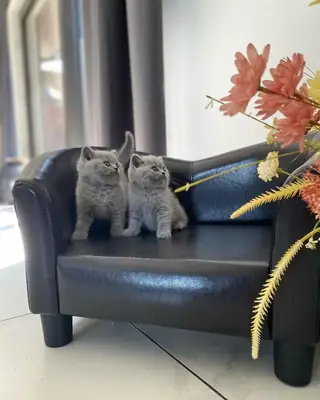
Adorable British Shorthair Kittens Looking for Loving Homes
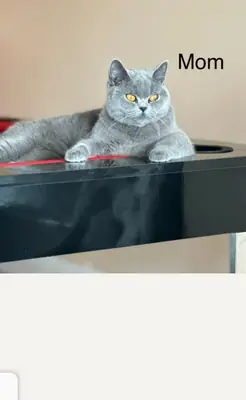
Beautiful British shorthair kittens for adoption available

Free British Shorthair from shelter
Haven't found the pet you're looking for? Let people who want to find a new home for their pet reach out to you.
Create your free pet adoption request listing now and be seen by thousands of pet owners.
Other listings in your area
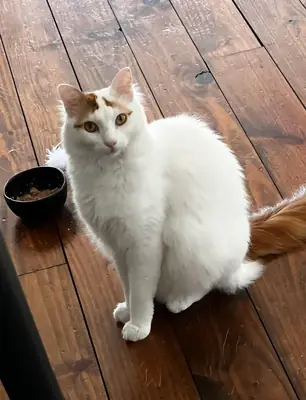
Turkish van cat used to apartment life
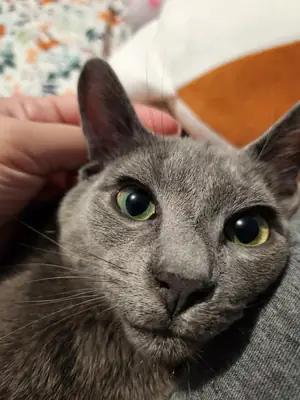
Russian blue cat raised indoors
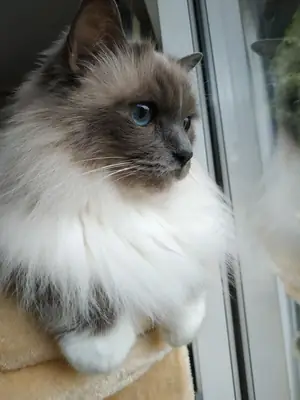
Birman cat used to quiet homes
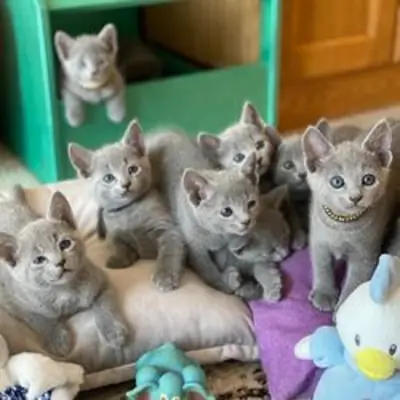
Russian Blue kittens ready for their new homes
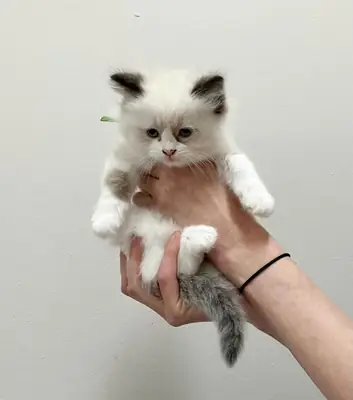
Cute Ragdoll kitten
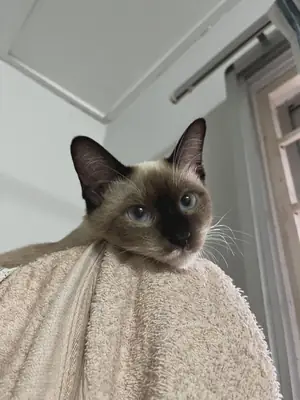
Siamese cat that doesn’t like being alone too long
Popular Searches
British Shorthair Cat for adoption in London
Looking for a British Shorthair Cat for adoption in London usually means wanting a calm, round-faced, plush-coated cat with a steady personality. That is a good starting point, but it is not enough. A British Shorthair is still a real cat with health needs, weight risks, grooming needs, litter preferences and boundaries around handling.
On Petopic, London British Shorthair adoption listings should be checked for age, health, microchip status, neutering, vaccination history, temperament, litter habits, weight, coat condition and whether the cat is used to indoor life. A strong listing does not just say “beautiful British Shorthair”; it explains what the cat is like to live with every day.
Adopt a British Shorthair Cat in London
Adopting a British Shorthair Cat in London should be a lifestyle match, not a reaction to a cute face and dense blue coat. This breed often suits quieter homes, flats and owners who want a calm companion nearby rather than a clingy lap cat. Expect independence, dignity and affection on the cat’s terms.
Before applying, check whether the cat has lived in a flat or house, whether it can be left during work hours, whether it enjoys being stroked but dislikes being carried, and whether it has lived with children or other pets. The right British Shorthair is not the prettiest one; it is the one whose routine fits your real London life.
British Blue Cat adoption London
Many people in London search for “British Blue Cat” when they mean a blue-coated British Shorthair. The colour may be famous, but it should not be the main reason to adopt. A blue coat and copper eyes do not tell you whether the cat is confident, overweight, sociable, shy, playful, tolerant of brushing or happy around children.
A useful listing should describe the individual cat clearly: age, weight, coat condition, grooming tolerance, appetite, litter use, indoor routine, previous home and personality. If the profile only pushes the colour, the listing is weak. Colour attracts attention; behaviour and health decide whether the adoption works.
British Shorthair kitten for adoption London
A British Shorthair kitten in London can look calm and easy because of the breed’s rounded, soft appearance. That is where people get lazy. A kitten still needs socialisation, safe rooms, litter learning, play, feeding consistency, vet care and gentle handling from the start.
A proper kitten listing should state the exact age, microchip status if old enough, vaccination stage, parasite treatment, feeding routine, litter habits, early environment and confidence around people. A kitten described only as “chunky, blue and cute” is not enough. You are not adopting a photo; you are taking responsibility for a growing cat.
Adult British Shorthair Cat for adoption
An adult British Shorthair Cat can be a stronger choice than a kitten for many London homes because the personality is already clearer. You can see whether the cat is calm, reserved, affectionate, independent, playful, tolerant of children, happy indoors or uncomfortable with too much handling.
A good adult adoption listing should explain why the cat is being rehomed, whether it is neutered, whether it is microchipped, how it behaves around visitors, how it uses the litter tray, what it eats and whether it has any known health needs. Adult adoption is not second best; for this breed, it can be the most realistic option.
British Shorthair rescue near London
British Shorthair rescue near London may appear under breed rehoming, indoor cat adoption, adult cat adoption or British Blue cat listings. Because this breed is popular, serious profiles should separate genuine rehoming from vague, rushed or incomplete posts.
Searches across North London, East London, South London, West London and Greater London can help when the right cat is not in your immediate borough. Location matters, but suitability matters more. A nearby British Shorthair with hidden health, weight or behaviour issues is not a good match just because collection is easy.
British Shorthair Cat for flat in London
A British Shorthair can suit flat living in London if the home is calm, safe and properly set up. This cat can do well indoors with scratching posts, clean litter, resting spaces, window views, gentle play and a predictable routine. Flat-friendly does not mean ignored indoors.
Before adopting, ask whether the cat has lived indoors before, whether it tries to escape, whether it copes with being left, whether it is noisy at night and whether windows or balconies need extra safety measures. A British Shorthair may be calm, but it still needs stimulation, space and daily care.
British Shorthair indoor cat London
Many London adopters look for an indoor British Shorthair because busy roads, shared entrances, balconies and dense neighbourhoods make outdoor access risky. This breed can often adapt well to indoor life, but only if the home gives the cat enough comfort and activity.
A good indoor setup includes safe windows, scratching areas, clean litter, good food control, play sessions and resting spots away from noise. Before adoption, ask if the cat has always lived indoors or if it is used to going outside. Forcing an outdoor-experienced cat into a small flat without preparation can create stress.
British Shorthair weight control and diet
Weight control is one of the biggest issues weak adopters ignore with British Shorthairs. The breed’s solid body can make excess weight look “chunky” or “cute” until it becomes a health problem. A calm indoor cat with too much food and too little play can gain weight quickly.
A proper adoption listing should mention current weight, food routine, appetite, activity level and any vet advice. Ask whether the cat free-feeds, begs, steals food or needs measured meals. If you want this breed, you need to manage diet like an adult, not romanticise obesity as breed type.
British Shorthair coat care and shedding
The British Shorthair coat is short, but it is dense. That means shedding, loose undercoat and seasonal grooming still matter. This is not a long-haired cat, but it is also not a zero-care cat. Regular brushing helps keep the coat comfortable and reduces loose hair around the home.
Before adoption, ask whether the cat accepts brushing, nail trimming and handling. Some British Shorthairs dislike being picked up or overhandled, so grooming should be calm and respectful. A listing that mentions coat condition and grooming tolerance is much more useful than one that only says “plush coat”.
British Shorthair health checks before adoption
Health checks matter before adopting a British Shorthair. Ask about weight, dental health, breathing, heart history, kidney or urinary issues, coat and skin condition, appetite, litter habits, vaccinations, parasite treatment, microchip status and previous vet care.
A serious listing should not hide behind “healthy cat” with no detail. If the cat is overweight, has dental problems, has repeated vet visits, has urinary signs or needs a special diet, that should be visible before adoption. The goal is not to reject every cat with needs; the goal is to know exactly what care you are taking on.
British Shorthair Cat with children
A British Shorthair can suit families with children if the cat is confident, calm and used to respectful handling. But this breed’s steady nature should not be confused with endless tolerance. Many British Shorthairs prefer sitting near people rather than being carried around or squeezed.
A good listing should state whether the cat has lived with children, how it reacts to noise, whether it enjoys handling, whether it hides from visitors and whether it needs a quieter home. The right family cat is not the one that “puts up with everything”; it is the one whose boundaries are understood.
British Shorthair with other cats or dogs
If you already have another cat or dog, British Shorthair adoption needs more care than people assume. Some British Shorthairs tolerate calm dogs or pets they have grown up with, but others prefer being the only cat and may dislike sharing territory.
The listing should say whether the cat has lived with other cats, calm dogs or busy pets, whether it is territorial, whether it hides under stress and whether it needs separate resources. “Good with pets” is too vague. Compatibility needs history, patience and controlled introductions.
British Shorthair rehoming in London
British Shorthair rehoming in London should be handled with complete honesty. If the cat dislikes being carried, needs weight management, must stay indoors, cannot live with other cats, has urinary issues or needs a quiet home, that should be written clearly.
A strong rehoming profile gives fewer but better enquiries. It should explain the reason for rehoming, current routine, health needs, personality, diet, litter habits, grooming tolerance and ideal home. Hiding difficult details may place the cat faster, but it increases the risk of another failed home.
Frequently Asked Questions
How can I adopt a British Shorthair Cat in London?
To adopt a British Shorthair Cat in London, review listings that clearly explain the cat’s age, health, microchip status, neutering, vaccination history, temperament, litter habits, weight, coat condition and previous home environment. A photo and breed name are not enough.
Before arranging a meeting, ask whether the cat is used to indoor living, whether it accepts brushing, whether it can live with children or other pets, and whether it has any known health or weight concerns. The right adoption should be based on daily care compatibility, not just appearance.
Is a British Blue Cat the same as a British Shorthair?
British Blue usually refers to a blue-coated British Shorthair, but British Shorthairs can appear in many colours and patterns. The blue coat is popular, but colour should not be the main adoption criterion.
Before adopting, focus on the individual cat’s health, personality, weight, grooming tolerance, litter habits and suitability for your home. A blue coat does not guarantee the right temperament or care match.
Is a British Shorthair suitable for first-time cat owners?
A British Shorthair can suit first-time cat owners if the person understands its calm but independent nature. This cat may be affectionate, but it often prefers contact on its own terms and may not enjoy being carried or handled roughly.
First-time owners should choose a profile with clear health information, stable litter habits, known indoor behaviour and realistic notes about personality. A calm adult British Shorthair may be easier to understand than a kitten with vague information.
Can a British Shorthair live in a London flat?
Yes, a British Shorthair can live well in a London flat if the home is safe, calm and enriched. It needs clean litter, scratching posts, resting spaces, measured food, play and secure windows or balconies.
Before adoption, ask whether the cat has lived indoors before, whether it tries to escape, whether it copes with being left and whether it becomes stressed by noise. Flat living works only when the environment is properly prepared.
Should a British Shorthair be kept indoors?
Many British Shorthairs can do well as indoor cats, especially in busy London areas with traffic, shared entrances and outdoor risks. Indoor life can be safe and comfortable if the home has enrichment, play, scratching areas and window safety.
If the cat has previously had outdoor access, ask how it behaves indoors and whether it becomes frustrated. If it has always been indoor-only, do not suddenly push it outside. The safest choice depends on the individual cat’s history and confidence.
Do British Shorthair Cats need much grooming?
British Shorthairs have short but dense coats, so they still need regular brushing, especially during moulting periods. Grooming helps remove loose hair and keeps the coat comfortable.
Before adoption, ask whether the cat accepts brushing, nail trimming and being handled. Some British Shorthairs dislike too much physical handling, so grooming should be calm, gentle and consistent.
What health issues should I check before adopting a British Shorthair?
Before adopting a British Shorthair, ask about weight, dental health, heart history, kidney or urinary issues, coat and skin condition, appetite, litter habits, vaccinations, parasite treatment, microchip status and previous veterinary care.
A responsible listing should explain known health needs clearly. If the cat is overweight, on a special diet, has urinary problems, dental disease or repeated vet visits, those details should be discussed before adoption.
Are British Shorthairs good with children?
A British Shorthair may be good with children if it has the right temperament and the children are calm and respectful. This breed can be tolerant, but it should not be chased, grabbed, squeezed or carried around against its will.
Before adoption, ask whether the cat has lived with children, how it reacts to noise, whether it enjoys handling and whether it needs a quiet home. Children must be taught to respect the cat’s space, food, litter tray and resting time.
Can a British Shorthair live with other cats or dogs?
Some British Shorthairs can live with other cats or calm dogs, especially if they have grown up with them, but this should not be assumed. Some individuals prefer being the only pet and may dislike sharing territory.
Before adoption, ask whether the cat has lived with other pets, whether it hides, hisses, guards resources or becomes stressed. Introductions should be gradual, with separate spaces, scent swapping and supervision.
Why is weight control important for British Shorthairs?
British Shorthairs have a sturdy build, so extra weight can be missed or excused as normal breed shape. Too much weight can affect movement, comfort and long-term health, especially in indoor cats with low activity.
Before adoption, ask the cat’s current weight, feeding routine, appetite, activity level and whether a vet has recommended weight control. Measured meals and play are part of responsible care for this breed.
Does a British Shorthair in England need a microchip?
Yes. Pet cats in England must be microchipped by the time they are 20 weeks old, including indoor cats. Before adoption, ask whether the cat is microchipped and whether the keeper details can be updated correctly.
Microchip details should match the new owner after adoption. This protects the cat if it is lost, stolen or accidentally escapes from a flat, carrier or shared entrance.
What should I prepare before bringing home a British Shorthair Cat?
Prepare a quiet starter room with litter tray, food, water, bedding, hiding space, scratching post, brush, toys and a safe carrier. The cat should be allowed to settle slowly instead of being forced to explore the whole home immediately.
You should also prepare for measured feeding, regular brushing, vet checks, microchip detail updates and a calm routine. A British Shorthair needs a home that is ready before arrival, not one that improvises after problems appear.
What questions should I ask before adopting a British Shorthair in London?
Ask the cat’s age, reason for rehoming, microchip status, neutering, vaccination history, health issues, weight, diet, grooming tolerance, litter habits and previous living environment.
Also ask whether the cat can live with children, other cats or dogs, whether it is indoor-only, how it handles being left alone and what kind of home would suit it best. If the answers are vague, slow down. With a British Shorthair, missing care details become real daily work after adoption.