1/6
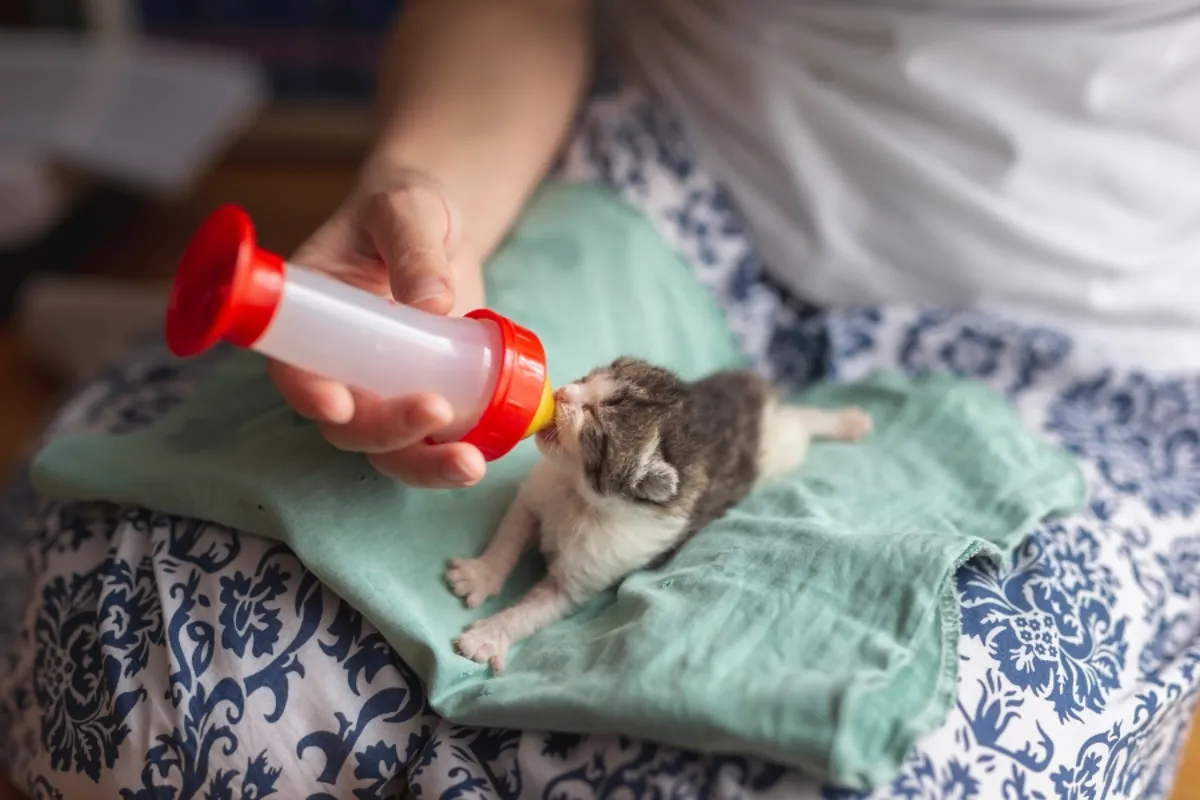


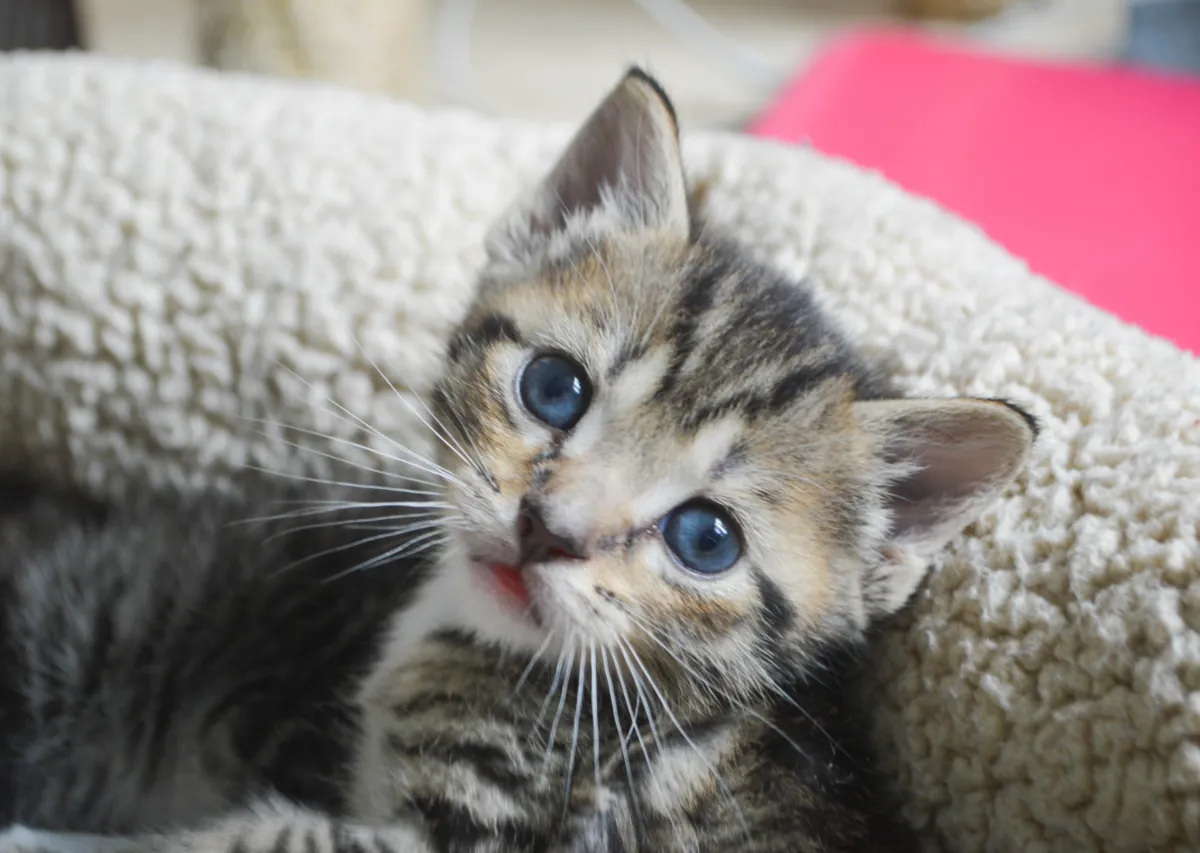
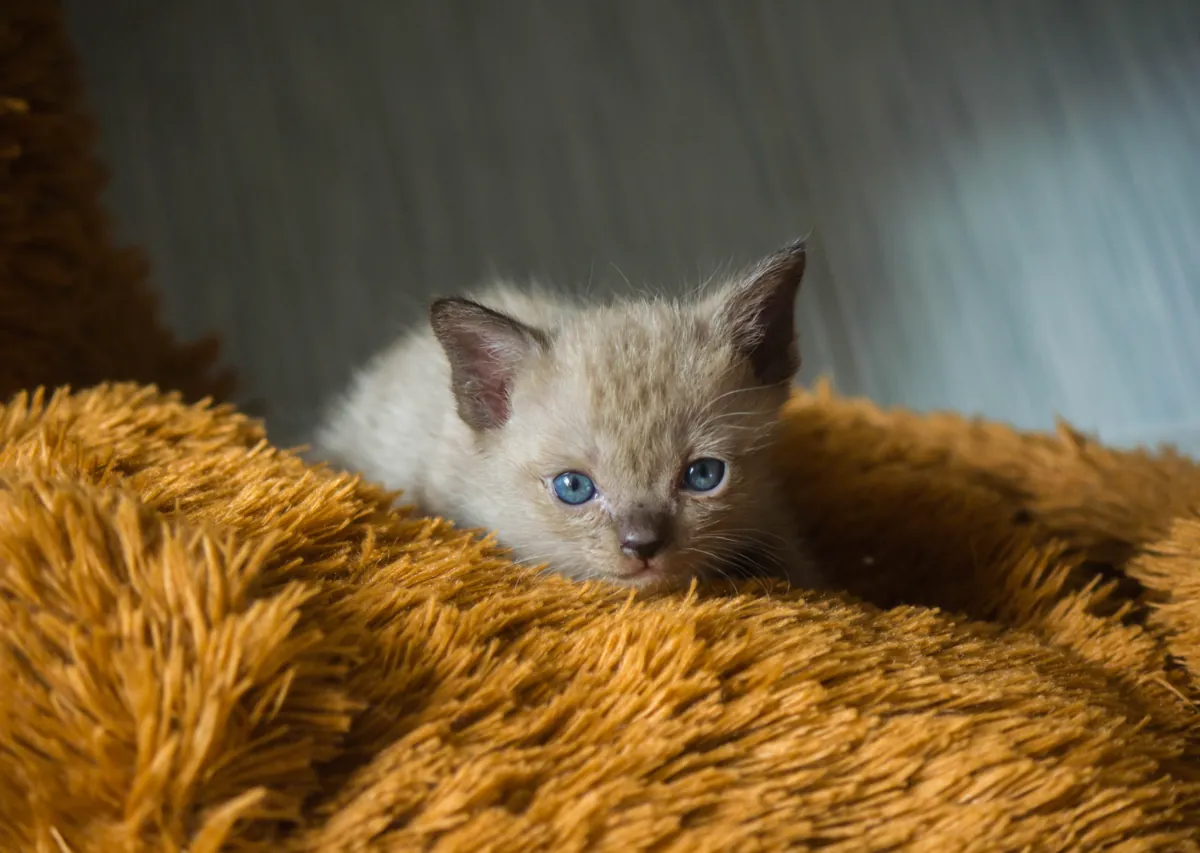
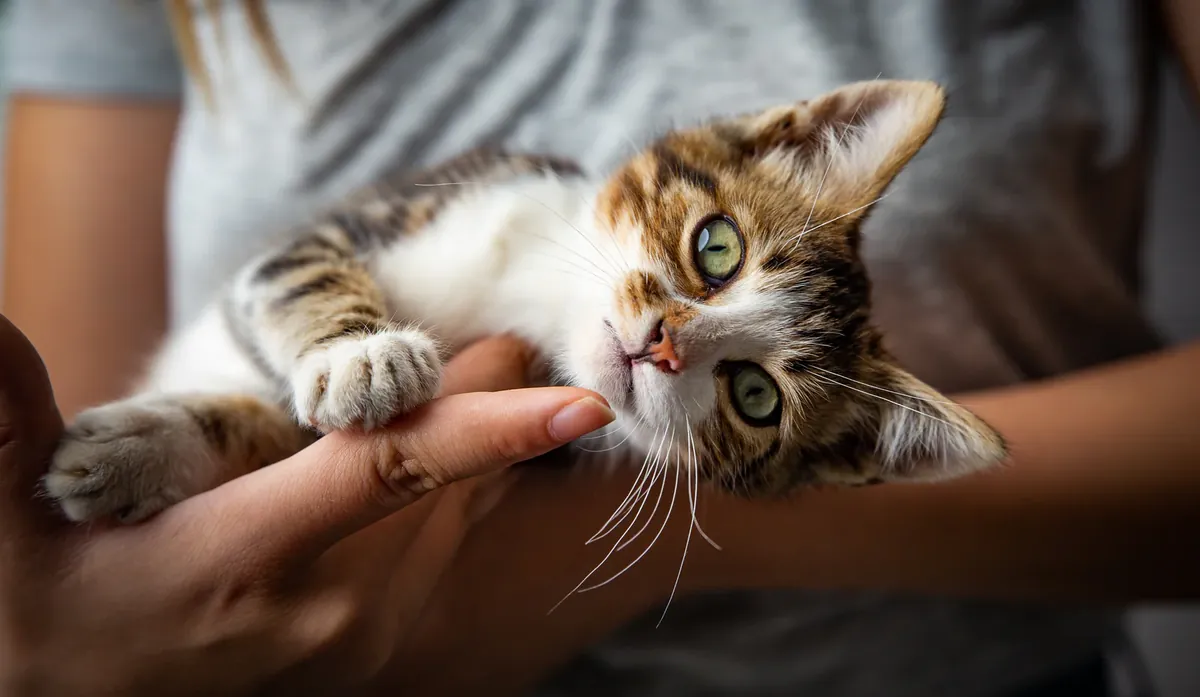
Руководство по уходу за котенком: кормление, приучение к лотку и первые недели дома.
Описание
Практическое руководство для начинающих, объясняющее, как ухаживать за новым котенком, включая режим кормления, приучение к лотку, социализацию, уход за шерстью и первые визиты к ветеринару. Предназначено для начинающих владельцев кошек, которые хотят получить четкие и реалистичные рекомендации, а не расплывчатые советы.
Содержание
<article class="pet-guide legal-guide">
<header>
<h1>Kitten Care Guide: Feeding, Litter Training, and First Weeks at Home</h1>
<p class="lead">
Bringing a kitten home is exciting, but the first weeks are critical for long-term behavior and health.
This guide explains how to properly care for a young kitten, including feeding routines, litter training,
socialization, grooming, and early veterinary care.
</p>
</header>
<section id="environment">
<h2>1. Preparing a Safe Environment</h2>
<p>
Kittens are small, curious, and completely unaware of danger. Before bringing one home, remove hazards such as
exposed wires, toxic plants, small swallowable objects, and open windows. A quiet and controlled space helps
the kitten adjust faster and reduces stress.
</p>
</section>
<section id="feeding">
<h2>2. Feeding Your Kitten Properly</h2>
<ul>
<li>Feed high-quality kitten food appropriate for their age.</li>
<li>Offer small meals multiple times a day instead of one large portion.</li>
<li>Always provide fresh, clean water.</li>
<li>Avoid feeding human food unless you are absolutely sure it is safe.</li>
</ul>
<p>
Kittens grow fast, and poor nutrition at this stage creates long-term health problems. This is not the place to save money.
</p>
</section>
<section id="litter-training">
<h2>3. Litter Training Basics</h2>
<p>
Most kittens instinctively use a litter box, but they still need guidance. Place the litter box in a quiet and accessible area.
After eating or waking up, gently place the kitten in the box to reinforce the habit.
</p>
<p>
Keep the litter clean. If it smells bad, the kitten will avoid it. That’s on you, not the animal.
</p>
</section>
<section id="socialization">
<h2>4. Socialization and Behavior</h2>
<p>
Early socialization shapes a kitten’s personality. Exposure to gentle human interaction, normal household sounds,
and safe environments helps prevent fear and aggression later in life.
</p>
<ul>
<li>Handle your kitten gently every day</li>
<li>Introduce new experiences slowly</li>
<li>Avoid overwhelming situations</li>
</ul>
</section>
<section id="play">
<h2>5. Play and Mental Stimulation</h2>
<p>
Kittens have high energy and need daily play. This is not optional — it prevents destructive behavior and supports development.
</p>
<ul>
<li>Use interactive toys like feather wands or balls</li>
<li>Avoid using your hands as toys</li>
<li>Rotate toys to keep interest high</li>
</ul>
</section>
<section id="grooming">
<h2>6. Basic Grooming Habits</h2>
<p>
Even if your kitten is short-haired, early grooming is important. Brushing, nail trimming, and gentle handling
should start early so the kitten becomes comfortable with it.
</p>
<ul>
<li>Brush regularly to reduce shedding</li>
<li>Check ears and eyes for dirt or discharge</li>
<li>Trim nails carefully when needed</li>
</ul>
</section>
<section id="vet-care">
<h2>7. First Veterinary Visits</h2>
<p>
A vet visit should happen soon after bringing your kitten home. This includes vaccinations, parasite checks,
and general health evaluation. Waiting until something is wrong is a rookie mistake.
</p>
<p>
Early care prevents bigger problems later — both medically and financially.
</p>
</section>
<section id="advice">
<h2>8. Practical Tips for New Owners</h2>
<ol>
<li>Keep a consistent daily routine for feeding and play.</li>
<li>Be patient — accidents and mistakes will happen.</li>
<li>Use positive reinforcement instead of punishment.</li>
<li>Invest in proper food, litter, and basic equipment from the start.</li>
</ol>
</section>
<footer>
<p><strong>Note:</strong> This guide is for general informational purposes.
Always consult a qualified veterinarian for specific health concerns or questions about your kitten.</p>
</footer>
</article>
Rehber Bilgileri
Rehber Türü
care
İçerik Türü
article
Hedef Tür
cat
Zorluk Seviyesi
beginner
Okuma Süresi
7 dakika
Kelime Sayısı
820 kelime
Etiketler
kitten care, new kitten, cat care, litter training, kitten feeding, kitten behavior
Целевой вид
cat
Специфичный для породы
All cat breeds

Комментарии и Отзывы