Abyssinian Cats: 2026 Breed Guide
The Abyssinian cat is a captivating blend of ancient history and modern elegance, known for its distinctive ticked coat and lively nature. In this comprehensive guide, we explore essential characteristics, from their active temperament to the hereditary health conditions you should be aware of.
1. Breed Identity & Standards
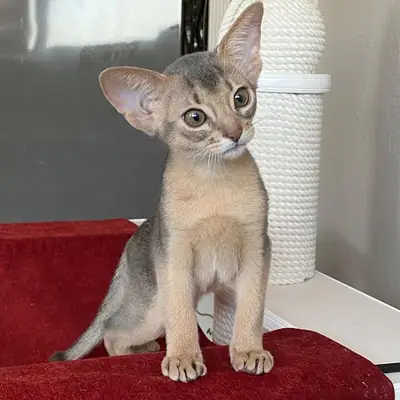
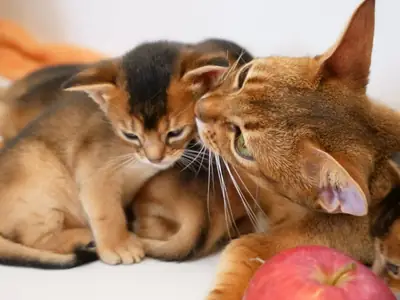
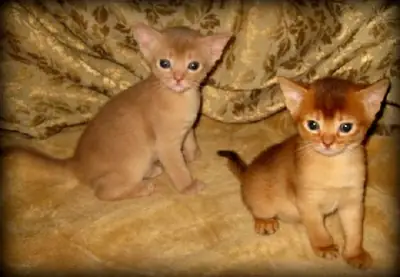
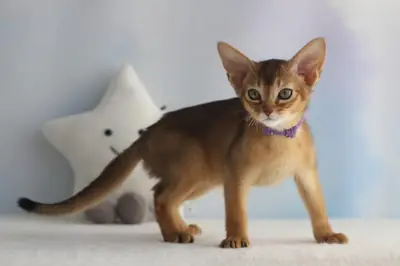
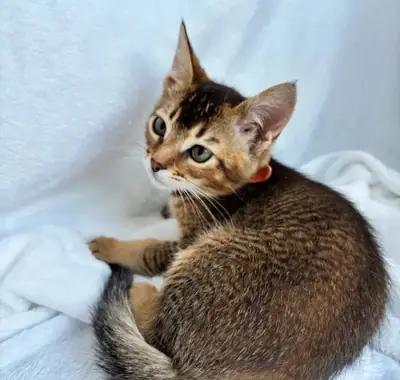
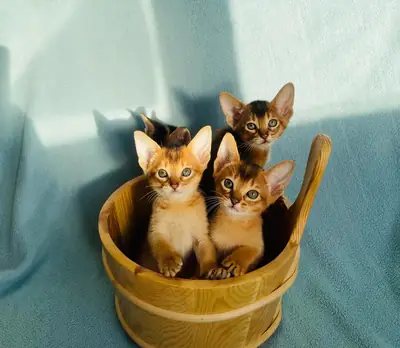
Originating from what is now modern-day Ethiopia, the Abyssinian cat is often associated with ancient Egyptian depictions of cats. They are a medium-sized breed, typically weighing between 6 to 10 pounds (2.7 to 4.5 kg) and standing about 8 to 10 inches (20 to 25 cm) tall at the shoulder. The breed is renowned for its short, ticked coat, which comes in a variety of colors including ruddy, red, blue, and fawn. The lifespan of an Abyssinian cat ranges from 12 to 15 years, provided they receive proper care.
| Trait | Typical Value | Why it Matters |
|---|---|---|
| Origin | Ethiopia | Historic roots add to their allure |
| Size | Medium (6-10 lbs) | Ideal for various living spaces |
| Coat | Ticked | Unique appearance and easy grooming |
| Lifespan | 12-15 years | Relatively long-lived for cats |
2. Temperament & Instincts
Abyssinians are known for their playful and energetic nature. They thrive on interaction and are often described as being “dog-like” in their loyalty and affection towards their human companions. This breed is highly curious, always eager to explore new environments and activities. Their intelligence and agility make them adept at learning tricks and engaging in interactive play.
Despite their playful demeanor, Abyssinians are generally not overly vocal, preferring to communicate through subtle gestures and body language. However, they do require mental and physical stimulation to prevent boredom, which can lead to mischievous behavior. Their instinctive curiosity and adventurous spirit are a nod to their historical reputation as descendants of sacred temple cats.
3. Daily Activity / Enrichment Needs by Life Stage
To cater to their active nature, Abyssinians require regular play and enrichment. This need varies with age, but maintaining a stimulating environment is key to their well-being.
| Life Stage | Activity Level | Notes |
|---|---|---|
| Kitten | High | Interactive play multiple times a day |
| Adult | Moderate | Daily play sessions and mental challenges |
| Senior | Low to Moderate | Gentler play, focus on mental stimulation |
4. Purchase/Adoption Price Framework
The cost of acquiring an Abyssinian cat can vary significantly based on location, breeder reputation, and whether the cat is pedigreed or adopted from a rescue organization.
| Source | Price Range (USD) | Notes |
|---|---|---|
| Breeder | $900 - $2,500+ | Higher for show-quality cats |
| Rescue/Adoption | $75 - $200 | Typically includes basic health checks |
5. First-Year Setup + Monthly Running Cost
Owning an Abyssinian involves specific setup and ongoing costs. Proper budgeting ensures a healthy and happy life for your cat.
| Expense | First-Year Cost (USD) | Monthly Cost (USD) |
|---|---|---|
| Neutering/Spaying | $100 - $300 | - |
| Vaccinations | $75 - $150 | - |
| Microchipping | $25 - $50 | - |
| Litter Box & Accessories | $50 - $100 | $10 - $20 |
| Food | $200 - $400 | $20 - $50 |
| Toys & Enrichment | $50 - $100 | $10 - $20 |
| Parasite Control | $50 - $100 | $10 - $20 |
Total First-Year Cost: $550 - $1,200; Monthly Cost: $50 - $90
6. Nutrition by Life Stage
Abyssinians benefit from a balanced diet tailored to their life stage. Proper nutrition supports their active lifestyle and overall health.
| Life Stage | Diet Type | Notes |
|---|---|---|
| Kitten | High-protein, high-calorie | Supports growth and energy needs |
| Adult | Balanced diet | Maintain healthy weight and energy |
| Senior | Lower-calorie, joint support | Focus on joint health and weight management |
7. Grooming / Coat & Hygiene Care
The Abyssinian's short, fine coat requires minimal grooming. Regular brushing can help remove dead hair and reduce shedding, although they are not heavy shedders. A weekly brushing is usually sufficient to maintain their coat's health and shine.
Dental care is crucial for Abyssinians, as they are prone to periodontal disease. Regular tooth brushing and dental check-ups are advised. Additionally, routine nail trimming and monitoring for ear cleanliness will help keep your Abyssinian in top condition.
8. Health
Abyssinians are generally healthy, but they are predisposed to certain hereditary conditions. Prospective owners should be aware of these and seek a veterinarian's guidance for regular screenings.
- Progressive Retinal Atrophy (PRA): A degenerative eye disorder that can lead to blindness.
- Renal Amyloidosis: A kidney condition that may affect the breed.
- Patellar Luxation: A joint condition that can cause mobility issues.
- Periodontal Disease: A common dental issue in cats.
Regular vet check-ups, including eye exams and kidney function tests, are recommended to catch these conditions early. Veterinary costs for managing these issues can vary, so budget accordingly.
9. Training / Behaviour Priorities
Abyssinians are intelligent cats that respond well to training, especially when it involves interactive play and positive reinforcement. Socialization is crucial, as it helps them adjust to various environments and situations.
Scratching redirection is important, as Abyssinians are active scratchers. Provide multiple scratching posts to satisfy this instinct and protect your furniture. Litter box training is typically straightforward, but ensuring a clean and accessible litter box is essential to prevent issues.
10. Home Environment Fit
Abyssinians adapt well to a variety of living situations, but they thrive in environments that provide ample stimulation and exploration opportunities. They are generally suitable for apartments as long as they have plenty of vertical space and interactive toys.
Coexistence with other pets is typically harmonious, provided proper introductions are made. Abyssinians often do well with other cats and cat-friendly dogs, but their high energy level may overwhelm smaller pets. They are generally good with children who understand how to interact respectfully with cats.
11. Lifestyle Fit Matrix
| Lifestyle | Fit Verdict | Reason |
|---|---|---|
| Active, Interactive Home | Excellent | Thrives on play and interaction |
| Quiet, Low-Activity Home | Moderate | May become bored without stimulation |
| Families with Children | Good | Affectionate and playful disposition |
| Single Pet Household | Good | Enjoys being the center of attention |
12. Breeder / Shelter / Adoption Checklist
- Request health screenings for PRA and renal health.
- Verify vaccination records and deworming history.
- Observe the cat's environment for cleanliness and socialization.
- Ask about the cat's diet and care routine.
- Meet both parents of the kitten, if possible, to assess temperament.
- Ensure the shelter or breeder provides a health guarantee.
13. FAQ
Do Abyssinians shed a lot?
Abyssinians have a short, fine coat that sheds minimally compared to other breeds. Regular brushing can help manage any shedding and maintain coat health.
Are Abyssinians good for first-time cat owners?
While they are affectionate and intelligent, Abyssinians do require significant interaction and stimulation. First-time owners should be prepared for their energetic nature.
How long do Abyssinians live?
Abyssinians typically have a lifespan of 12 to 15 years, though with excellent care, some may live even longer. Regular veterinary check-ups contribute to a healthy life.
Are Abyssinians prone to any health issues?
Yes, they are predisposed to conditions like Progressive Retinal Atrophy and renal amyloidosis. Routine vet visits and early screenings are recommended to manage health risks.
14. 2026 Note & Closing Verdict
As of 2026, the Abyssinian remains a popular choice for those seeking an active and engaging feline companion. Their ancient lineage adds to their mystique, while their playful nature makes them a delightful addition to many homes. Prospective owners should be prepared for their energetic and curious temperament, ensuring they have the time and resources to meet the breed's needs.
Who should consider adopting an Abyssinian? Active families or individuals who can provide an engaging environment will find a perfect match in this breed. However, those seeking a more laid-back or independent cat might find the Abyssinian's demands for attention challenging.