Aegean Cats 2026: Temperament, Adoption Costs, and Health Insights
The Aegean cat, a naturally occurring breed from the Greek islands, is known for its playful demeanor and moderate vocal nature. This guide covers everything from their grooming needs to potential health concerns.
1. Breed identity & standards
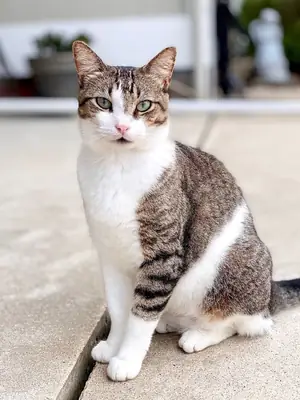
The Aegean cat originates from the Cycladic Islands of Greece, where it has naturally developed over centuries. This breed is medium-sized, typically weighing between 3.5 to 5.5 kilograms (7.7 to 12.1 pounds) and measuring about 20 to 25 centimeters (7.9 to 9.8 inches) at the shoulder. Known for their semi-longhair coats, Aegeans often display a bi-color or tri-color pattern, predominantly featuring white with black, blue, or red patches. With a lifespan averaging 10 to 15 years, they are often compared to the Turkish Van due to their similar appearance and fondness for water.
| Trait | Typical Value | Why it Matters |
|---|---|---|
| Size | 3.5-5.5 kg | Medium size makes them suitable for various living spaces. |
| Coat | Semi-longhair | Requires regular grooming to prevent matting. |
| Lifespan | 10-15 years | Indicates a relatively long commitment for potential owners. |
| Color | Bi-color or tri-color | Distinctive appearance that is visually appealing. |
2. Temperament & instincts
Aegean cats are highly sociable and enjoy the company of humans and other animals. They are known for their playful and active nature, which is a reflection of their historical role as pest controllers in fishing villages. Their natural environment has also contributed to a moderate level of independence, allowing them to entertain themselves when necessary.
The breed is moderately vocal, often using a range of sounds to communicate with their owners. This trait stems from their social nature and desire to interact. They have a mild prey drive, so providing toys that mimic hunting can satisfy their instinctual needs and keep them mentally stimulated.
3. Daily activity / enrichment needs by life stage
Aegean cats require regular mental and physical stimulation to maintain their health and happiness. Their activity needs vary by life stage, as detailed below:
| Life Stage | Target | Notes |
|---|---|---|
| Kitten | 1-2 hours daily | Frequent play sessions to support development. |
| Adult | 30-60 minutes daily | Interactive toys and climbing structures recommended. |
| Senior | 15-30 minutes daily | Gentle activity to maintain mobility and mental acuity. |
4. Purchase/adoption price framework
Adopting or purchasing an Aegean cat can vary widely in cost depending on the source and the animal's health status. Below is a general framework:
| Source | Cost (USD) | Notes |
|---|---|---|
| Shelter/Rescue | $50-$150 | Adoption fees typically include vaccinations and spaying/neutering. |
| Breeder | $200-$600+ | Price depends on pedigree and health testing. |
5. First-year setup + monthly running cost
Owning an Aegean cat involves initial setup costs and ongoing monthly expenses. Here's a breakdown:
| Item | Cost (USD) | Notes |
|---|---|---|
| Initial Vet Visit | $100-$200 | Includes initial vaccinations and check-up. |
| Neuter/Spay | $50-$150 | One-time cost for sterilization. |
| Microchip | $25-$50 | Important for identification. |
| Litter Boxes | $20-$40 | Consider multiple for larger homes. |
| Scratching Posts | $15-$30 | Essential for claw maintenance. |
| Monthly Food | $20-$40 | High-quality diet recommended. |
| Monthly Litter | $10-$20 | Clumping litter preferred for ease of cleaning. |
| Annual Total | $500-$800+ | Varies based on food and healthcare choices. |
6. Nutrition by life stage
Aegean cats benefit from a balanced diet tailored to their life stage. Nutritional needs change from kittenhood to senior years:
| Life Stage | Diet | Notes |
|---|---|---|
| Kitten | High-protein, high-fat | Supports growth and development. |
| Adult | Balanced diet | Maintains healthy weight and energy levels. |
| Senior | Lower calorie, joint support | Helps with aging-related issues. |
7. Grooming / coat & hygiene care
Despite their semi-longhair coat, Aegean cats are relatively low maintenance when it comes to grooming. Weekly brushing is sufficient to keep their coat healthy and reduce shedding. This also helps in preventing hairballs, a common issue in longer-haired cats. Regular dental hygiene is recommended to prevent periodontal disease, and claws should be trimmed as needed to prevent overgrowth.
8. Health
Aegean cats are generally robust, but like all breeds, they can be prone to certain health conditions. Prospective owners should be aware of the following:
- Hypertrophic Cardiomyopathy (HCM): A common heart condition in cats that requires monitoring and management.
- Feline Lower Urinary Tract Disease (FLUTD): Affects bladder and urethra, often diet-related.
- Obesity: Common in less active cats; managed through diet and exercise.
Veterinary costs can range, with regular check-ups averaging $50-$100 per visit, and specific treatments for conditions like HCM potentially being more costly.
9. Training / behaviour priorities
Aegean cats benefit from early socialization and basic training to ensure they adapt well to household routines. Litter training is typically straightforward with this breed, but scratching behavior should be redirected to appropriate surfaces early on. Providing a variety of toys and scratching posts can significantly reduce unwanted behavior.
10. Home environment fit
Aegean cats are adaptable and can thrive in both apartment and house settings, provided they have enough room to explore and play. They coexist well with children, other cats, and even friendly dogs. However, they do appreciate some outdoor access or at least a window perch to observe the outside world, reflecting their natural origins.
11. Lifestyle fit matrix
| Lifestyle | Fit Verdict | Reason |
|---|---|---|
| Busy Professionals | Moderate | Independent but requires interaction when home. |
| Families with Children | High | Playful and tolerant with kids. |
| Single Pet Owners | High | Bond well with their human. |
| Multi-Pet Households | High | Social nature suits diverse environments. |
12. Breeder / shelter / adoption checklist
- Confirm the cat is microchipped and registered.
- Request vaccination and health records.
- Ensure the cat has been tested for FeLV/FIV.
- Check for signs of good socialization and temperament.
- Inspect living conditions if possible.
- Ask about the cat's diet and feeding schedule.
13. FAQ
Do Aegean cats shed a lot?
Aegean cats have a moderate shedding level. Regular weekly brushing helps manage loose hair and reduces shedding, making them relatively low maintenance compared to other long-haired breeds.
Are Aegean cats good with children?
Yes, Aegean cats are generally good with children. Their playful and tolerant nature allows them to interact well with kids, making them a suitable choice for families.
What is the typical lifespan of an Aegean cat?
Aegean cats typically live between 10 to 15 years. With proper care, including regular veterinary check-ups and a balanced diet, they can enjoy a long and healthy life.
How much exercise do Aegean cats need?
Aegean cats require daily play and enrichment activities. As they are active cats, engaging them with interactive toys and play sessions for 30-60 minutes daily is beneficial for their health and well-being.
14. 2026 note and closing verdict
In 2026, the Aegean cat continues to be a cherished breed for its unique blend of independence and sociability. Potential adopters should consider their own lifestyle and the cat's needs to ensure a harmonious and rewarding relationship. While they are adaptable, they thrive with families and owners who can provide regular interaction and enrichment. If you appreciate an active, vocal cat that enjoys both companionship and occasional solitude, the Aegean may be the perfect addition to your home.