American Bobtail 2026: Temperament, Health & Adoption Costs Unveiled
The American Bobtail is a fascinating breed known for its distinctive tail and robust health. This guide will delve into the specific characteristics that make the American Bobtail a unique addition to any family, including its playful temperament and manageable grooming needs.
1. Breed Identity & Standards
The American Bobtail, originating from the United States, is recognized for its uniquely shortened tail, which is typically one-third to half the length of a regular cat's tail. This medium to large-sized breed usually weighs between 7 to 16 pounds (3 to 7 kg) and stands about 9 to 10 inches (23 to 25 cm) tall. Their lifespan ranges from 13 to 15 years, reflecting their generally robust health.
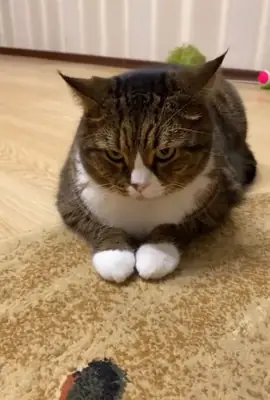
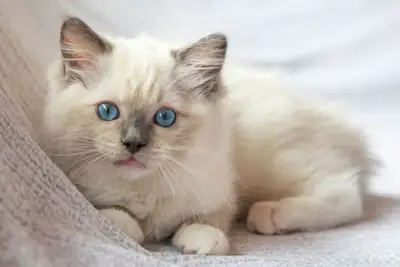
They sport a dense, double-layered coat that can be short or long, with colors and patterns varying widely from solid to tabby, and even shaded or spotted forms. It's important to note that their wild appearance might lead to confusion with breeds like the Manx or Japanese Bobtail, but their genetic makeup and tail characteristics are distinct.
| Trait | Typical Value | Why it Matters |
|---|---|---|
| Origin | United States | Reflects breed history and adaptation |
| Size | 7-16 pounds | Indicates space and diet needs |
| Coat Variations | Short & Long | Grooming and shedding considerations |
2. Temperament & Instincts
The American Bobtail is renowned for its playful and friendly disposition, often described as dog-like in its social interactions. They are known for their intelligence and adaptability, making them well-suited to dynamic environments. This breed's history as a natural breed, developed through natural selection rather than intense human intervention, contributes to its hardy nature and balanced temperament.
Despite their wild appearance, these cats exhibit a gentle demeanor and a strong bond with their human families. They have a moderate energy level, meaning they enjoy play sessions but also value downtime. Their sociable nature allows them to integrate well into families with children or other pets, but they may also display a curious independence typical of many domestic cats.
3. Daily Activity & Enrichment Needs by Life Stage
American Bobtails require regular mental and physical stimulation to maintain their well-being. Their exercise needs vary with age, and providing appropriate enrichment is crucial for their health.
| Life Stage | Target | Notes |
|---|---|---|
| Kitten | 30-60 minutes daily | Interactive toys and safe exploration |
| Adult | 20-40 minutes daily | Engaging playtime and puzzle feeders |
| Senior | 10-20 minutes daily | Gentle play and mental stimulation |
4. Purchase/Adoption Price Framework
The cost of acquiring an American Bobtail can vary significantly depending on the source. Adopting from a shelter or rescue might incur a fee ranging from $75 to $150, whereas purchasing from a breeder, especially one who provides health-tested kittens, can range from $600 to upwards of $1,200 USD or GBP. These prices often reflect the breeder's investment in genetic health testing and quality care.
| Source | Cost Range | Notes |
|---|---|---|
| Shelter/Rescue | $75 - $150 | Lower cost, chance to save a life |
| Breeder | $600 - $1,200+ | Includes health testing and pedigree |
5. First-Year Setup & Monthly Running Cost
Owning an American Bobtail involves initial setup costs and ongoing monthly expenses. It's essential to plan for these to ensure a comfortable life for your pet.
| Expense | Cost Range | Notes |
|---|---|---|
| Neuter/Spay | $100 - $200 | One-time surgical cost |
| Vaccinations | $75 - $150 | Annual cost for core vaccines |
| Microchip | $25 - $50 | Permanent identification |
| Litter Box & Scratching Post | $50 - $100 | Essential for indoor life |
| Monthly Litter & Food | $30 - $50 | Ongoing maintenance cost |
Estimated Total First-Year Cost: $600 - $1,200
6. Nutrition by Life Stage
The dietary needs of an American Bobtail change as they age, and it's crucial to provide appropriate nutrition at each stage.
| Life Stage | Dietary Focus | Notes |
|---|---|---|
| Kitten | High protein, balanced fats | Supports growth and development |
| Adult | Balanced nutrients, weight control | Maintains optimal health |
| Senior | Joint support, easily digestible | Supports aging needs |
7. Grooming, Coat & Hygiene Care
The American Bobtail's coat, whether short or long, is relatively low-maintenance compared to other breeds. Regular brushing once or twice a week is usually sufficient to manage shedding and prevent matting, especially for long-haired variants. Due to their double coat, they may shed more heavily during seasonal changes, necessitating more frequent grooming sessions.
Dental care is also important; regular teeth brushing and dental check-ups can prevent periodontal disease. Nail trimming should be done every few weeks, and ear checks should be part of their routine care to prevent infections.
8. Health
The American Bobtail is generally a healthy breed, but like all cats, they can be predisposed to certain health conditions. Ethical breeders will often test for genetic health issues and provide health guarantees.
- Hip Dysplasia: Though rare, it can occur and affects mobility.
- Hypertrophic Cardiomyopathy (HCM): A heart condition seen in many cat breeds.
- Obesity: A common issue in domestic cats, managed with diet and exercise.
Routine veterinary check-ups and a balanced diet are crucial in maintaining the health of an American Bobtail, with annual costs for veterinary care averaging between $100 and $300 USD.
9. Training & Behaviour Priorities
Training an American Bobtail involves reinforcing positive behaviours and redirecting negative ones. Litter training is usually straightforward due to their natural instincts, but providing multiple litter boxes can prevent territorial disputes in multi-cat households.
Socialization from a young age can enhance their adaptability and friendliness. Encouraging play and providing scratching posts can prevent destructive behaviours. While independent, they thrive on interaction, making engagement with family members a priority.
10. Home Environment Fit
American Bobtails are adaptable to various living situations, including apartments and houses. Their moderate energy level makes them suitable for small spaces, provided they have sufficient playtime and enrichment. They typically get along well with children and other pets, including dogs, given proper introductions and socialization.
Despite their tolerance for indoor life, American Bobtails enjoy exploring, so secure outdoor enclosures or supervised outdoor activities can provide additional stimulation. As with any cat, ensuring a safe environment free from hazards is essential.
11. Lifestyle Fit Matrix
| Lifestyle | Fit Verdict | Reason |
|---|---|---|
| Single Professional | High | Low maintenance, independent |
| Family with Children | High | Friendly and playful |
| Apartment Dweller | Moderate | Requires enrichment |
| Frequent Traveler | Low | Prefers stable environment |
12. Breeder / Shelter / Adoption Checklist
- Verify the breeder's or shelter's reputation and reviews.
- Ensure the kitten or cat has been health-checked by a veterinarian.
- Ask for documentation of vaccinations and deworming.
- Inquire about the cat's socialization history and behaviour with other animals.
- Evaluate the cleanliness and conditions of the breeding or shelter environment.
- Request any genetic testing results, particularly for HCM.
13. FAQ
Does the American Bobtail shed a lot?
American Bobtails do shed, particularly during seasonal changes. Regular brushing can help manage shedding, especially for long-haired variants, and maintain coat health.
Is the American Bobtail good with children?
Yes, American Bobtails are generally good with children. Their playful and friendly nature makes them excellent companions for families, provided they are socialized from a young age.
What health issues are common in American Bobtails?
Common health issues in American Bobtails include hip dysplasia and hypertrophic cardiomyopathy (HCM). Regular veterinary check-ups and early detection are key to managing these conditions.
How much exercise does an American Bobtail need?
American Bobtails have moderate exercise needs. Daily play sessions of 20-40 minutes for adults help maintain their physical and mental health. Interactive toys and puzzles are great for enrichment.