Asian Cats in 2026: Understanding Temperament, Health, and Adoption Costs
The Asian cat, renowned for its elegant appearance and versatile nature, is a captivating addition to any household. This guide delves into the specific traits, health concerns, and financial considerations associated with adopting this breed, providing prospective owners with a comprehensive understanding of what to expect.
1. Breed identity & standards
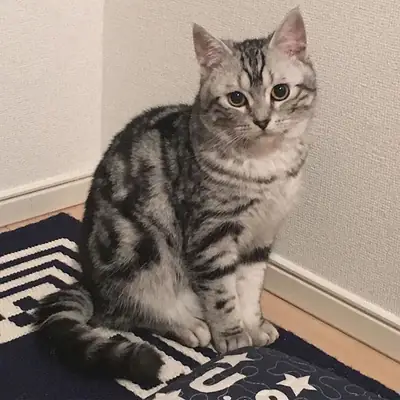
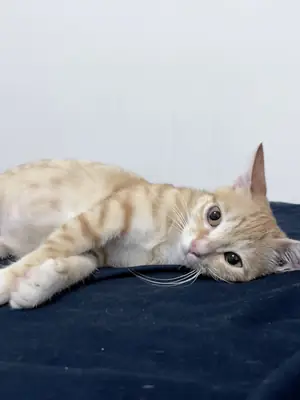
The Asian cat originates from the United Kingdom and is a part of the broader group of Asian breeds derived from the Burmese. Unlike the Burmilla or the Bombay, the Asian cat encompasses a variety of coat patterns and colors, including tabby, self-colored, and tortoiseshell. Typically, these cats weigh between 3.5 to 6 kilograms and stand at a height of about 25 to 30 centimeters. Their lifespan ranges from 12 to 15 years, making them a long-term companion. They are often compared to the Burmese due to their similar build but differ in their wider range of coat colors and patterns.
| Trait | Typical value | Why it matters to an adopter |
|---|---|---|
| Origin | United Kingdom | Understanding the breed’s history aids in appreciating its characteristics. |
| Weight | 3.5 - 6 kg | Helps in selecting appropriate resources and care. |
| Coat varieties | Multiple colors and patterns | Ensures you know grooming needs and potential allergies. |
| Lifespan | 12 - 15 years | Long-term commitment required from potential adopters. |
2. Temperament & instincts
Asian cats are known for their playful and affectionate nature. They exhibit a high level of intelligence and curiosity, often engaging in exploratory behaviors around the home. Historically, these cats have been bred to combine the sociability and charm of the Burmese with a wider variety of appearances. This blend results in a cat that is both independent and eager for interaction, striking a balance between companionship and self-reliance.
Despite their independent streak, Asian cats often form strong bonds with their owners, enjoying interactive play sessions and showing a penchant for problem-solving activities. They are moderately vocal, communicating their needs and moods with a soft, melodious voice. Their friendly disposition makes them well-suited for households with children and other pets, provided introductions are managed carefully.
3. Daily activity / exercise needs by life stage
Asian cats, like many intelligent breeds, require mental and physical stimulation to stay healthy and content. Their exercise needs vary by age but generally include play and exploration.
| Life stage | Target | Notes |
|---|---|---|
| Kitten | 2-3 hours daily | Includes interactive play and climbing activities. |
| Adult | 1-2 hours daily | Incorporate puzzle toys and agility exercises. |
| Senior | 30 minutes - 1 hour daily | Gentle play and scratching posts to keep them engaged. |
4. Purchase/adoption price framework
The cost of adopting or purchasing an Asian cat can vary significantly based on several factors, such as pedigree, health testing, and breeder reputation.
| Source | Price range (USD) | Notes |
|---|---|---|
| Breeder | $500 - $1,500+ | Higher for health-tested and show-quality cats. |
| Rescue or shelter | $75 - $200 | Adoption fees often include vaccinations and spaying/neutering. |
5. First-year setup + monthly running cost
Owning an Asian cat involves both initial setup costs and ongoing monthly expenses, which should be considered carefully.
| Item | Cost range (USD) | Notes |
|---|---|---|
| Initial supplies (litter box, bed, toys) | $100 - $300 | Quality items that will last are a good investment. |
| Neuter/spay | $50 - $200 | One-time cost depending on the clinic/location. |
| Vaccinations | $50 - $100 | Annual cost for essential vaccines. |
| Monthly food | $20 - $50 | Premium diets may cost more but provide better nutrition. |
| Monthly litter | $10 - $30 | Depends on brand and type of litter used. |
Yearly total range: $500 - $1,000
6. Nutrition by life stage
Proper nutrition is vital for the health and wellbeing of Asian cats, with requirements changing as they age.
| Life stage | Dietary needs | Notes |
|---|---|---|
| Kitten | High protein, high calorie | Supports growth and development. |
| Adult | Balanced diet with controlled calories | Maintains health and weight. |
| Senior | Lower calorie, joint support | Helps manage weight and mobility. |
7. Grooming / coat & hygiene care
Asian cats are relatively low-maintenance when it comes to grooming, thanks to their short and smooth coats. Regular weekly brushing can help remove loose hairs and reduce shedding, while also providing an opportunity to check for any skin issues. Despite their short coats, they are not hypoallergenic, so potential owners with allergies should spend time with an Asian cat before committing.
Regular nail trimming and dental care are essential components of their grooming routine. Owners should also invest in quality scratching posts to help maintain the cat's claws naturally. Dental health can be supported with tooth brushing or dental treats, as recommended by a veterinarian.
8. Health
While generally healthy, Asian cats can be predisposed to certain hereditary conditions that potential adopters should be aware of. Ethical breeders will often screen for these conditions to ensure the health of their kittens.
- Hypertrophic Cardiomyopathy (HCM): A heart condition that can be screened for by reputable breeders.
- Diabetes Mellitus: More common in overweight cats, highlighting the importance of weight management.
- Gingivitis and Dental Disease: Regular dental care is crucial to prevent these issues.
Veterinary costs for treating these conditions can vary, with routine check-ups ranging from $50 to $100, while more serious conditions like HCM may require more extensive testing and treatment, leading to higher costs.
9. Training / behaviour priorities
Training an Asian cat focuses primarily on encouraging positive behaviors and managing its natural instincts. Litter box training is typically straightforward, but it's important to maintain a clean and accessible litter area to prevent issues.
Scratching behavior should be directed towards appropriate surfaces like scratching posts. Providing a variety of posts and pads can help satisfy their need to scratch and prevent furniture damage. Additionally, socialization with humans and other pets should be encouraged through positive interactions and play.
10. Home environment fit
Asian cats adapt well to different living environments, whether it's a spacious house or a cozy apartment. Their moderate energy levels mean they enjoy exploring their surroundings, so enriching their environment with climbing spaces and interactive toys is beneficial.
They generally coexist well with children and other pets, provided introductions are supervised and gradual. However, due to their playful nature, they may not be the best fit for homes with very young children who may not understand how to interact respectfully with a cat.
11. Lifestyle fit matrix
| Lifestyle | Fit Verdict | Reason |
|---|---|---|
| Apartment living | Good | Adaptable and enjoys indoor environments. |
| Families with children | Excellent | Affectionate and playful with proper introductions. |
| Single professionals | Good | Independent yet enjoys interaction. |
| Multi-pet households | Good | Social and capable of coexisting with other animals. |
12. Breeder / shelter / adoption checklist
- Verify the breeder's registration with a recognized cat association.
- Request health screening documentation, especially for HCM.
- Observe the condition and social behavior of the kittens.
- Ensure the kitten has received initial vaccinations and deworming.
- Visit the shelter or breeder in person to assess living conditions.
- Ask about the kitten's diet and care routine to maintain continuity.
13. FAQ
Do Asian cats shed a lot?
Asian cats have a short coat that sheds minimally compared to long-haired breeds. Regular brushing helps manage shedding and maintain a healthy coat.
Are Asian cats good with children?
Yes, Asian cats are known for their friendly and playful nature, making them excellent companions for children. Proper introductions and supervision are recommended.
How long do Asian cats live?
The average lifespan of an Asian cat is between 12 to 15 years, though some may live longer with proper care and regular veterinary check-ups.
What health issues are common in Asian cats?
Asian cats can be predisposed to conditions like Hypertrophic Cardiomyopathy (HCM) and dental disease. Regular health screenings and preventive care can help manage these risks.
14. Closing verdict: Who should adopt an Asian cat?
Asian cats are a wonderful choice for individuals or families seeking a sociable, intelligent, and adaptable feline companion. They thrive in various environments and get along well with children and other pets, provided they are introduced properly. However, potential adopters should be prepared for the long-term commitment of caring for a cat that lives up to 15 years and be attentive to their grooming and health needs.