Bombay Cats in 2026: Temperament, Costs, and Health Insights for New Owners
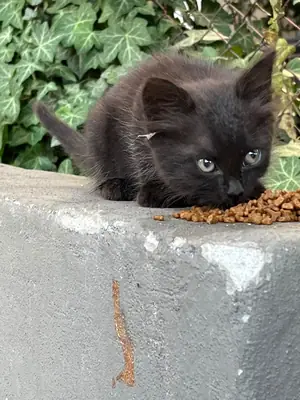
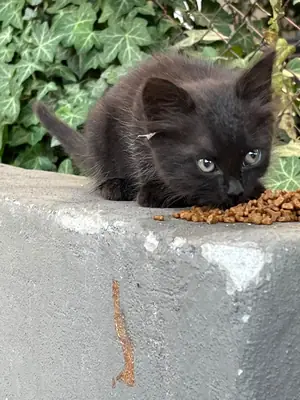
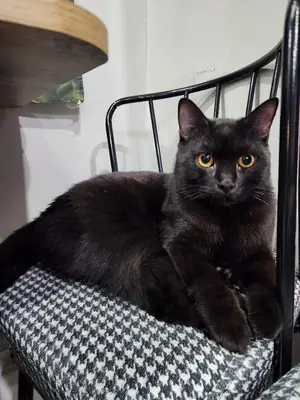
The Bombay cat is renowned for its striking resemblance to a miniature panther and its affectionate personality. With a sleek black coat and striking copper eyes, this breed offers a unique combination of beauty and companionship. This guide provides comprehensive insights into their care, health, and suitability for various lifestyles.
1. Breed Identity & Standards
Originating from the United States, the Bombay cat was developed in the 1950s by breeding a sable Burmese with a black American Shorthair. This breed was created to mimic the exotic look of a black panther, hence its nickname, the "Parlor Panther." Bombays typically weigh between 8 to 15 pounds (3.6 to 6.8 kg) and stand about 9 to 13 inches (23 to 33 cm) tall at the shoulder.
Their coat is short, dense, and lustrous, uniformly black from the roots to the tips. The breed's lifespan ranges from 12 to 16 years, provided they receive proper care. While Bombays have a distinct appearance, they can sometimes be confused with other black cats, such as the British Shorthair or the standard Domestic Shorthair.
| Trait | Typical Value | Why it Matters |
|---|---|---|
| Origin | United States | Developed for aesthetic appeal |
| Weight | 8-15 lbs (3.6-6.8 kg) | Medium-sized, manageable weight |
| Coat | Short, black | Low maintenance, minimal shedding |
2. Temperament & Instincts
Bombay cats are known for their friendly and outgoing nature. They are often described as "dog-like" due to their tendency to follow their owners around and their eagerness to greet visitors at the door. This sociable attitude is a direct result of their Burmese ancestry, which contributes to their affectionate demeanor.
Despite their playful and energetic nature, Bombays are also quite adaptable and can enjoy quiet moments lounging in the sun. They thrive in environments where they receive plenty of attention and mental stimulation. Their playful instincts make them excellent companions for children and other pets, provided proper introductions are made.
3. Daily Activity & Enrichment Needs by Life Stage
Bombay cats require regular playtime to keep them mentally and physically stimulated. Their playful nature means they enjoy interactive toys and games that mimic hunting.
| Life Stage | Target | Notes |
|---|---|---|
| Kitten | 1-2 hours/day | Frequent short play sessions |
| Adult | 30-60 minutes/day | Interactive play and puzzle toys |
| Senior | 15-30 minutes/day | Gentle play to maintain mobility |
4. Purchase/Adoption Price Framework
The cost of acquiring a Bombay cat can vary widely based on the source. Pedigree Bombays from reputable breeders are more expensive, while adoption from shelters is more budget-friendly.
| Source | Price Range (USD) | Notes |
|---|---|---|
| Breeder | $600-$1,200+ | Health-tested lines |
| Rescue/Shelter | $75-$200 | Includes vaccinations and spay/neuter |
5. First-Year Setup + Monthly Running Cost
Owning a Bombay cat involves initial setup costs and ongoing monthly expenses. Here's a breakdown of typical costs associated with caring for this breed.
| Item | First-Year Cost (USD) | Monthly Cost (USD) |
|---|---|---|
| Neuter/Spay | $100-$300 | - |
| Vaccinations | $60-$150 | - |
| Microchip | $40-$60 | - |
| Litter Box & Scratching Post | $60-$100 | - |
| Food | - | $30-$50 |
| Litter | - | $15-$25 |
| Parasite Control | - | $10-$20 |
Estimated Yearly Total: $500-$1,200
6. Nutrition by Life Stage
Proper nutrition is essential for the health and longevity of a Bombay cat. Their diet should be tailored to their life stage and activity level.
| Life Stage | Dietary Needs | Notes |
|---|---|---|
| Kitten | High protein, fat | Supports growth and energy |
| Adult | Balanced diet | Maintain healthy weight |
| Senior | Low-calorie, joint support | Prevent obesity, support joints |
7. Grooming / Coat & Hygiene Care
Bombay cats have a short, sleek coat that requires minimal grooming. Regular brushing helps to keep their coat shiny and reduces shedding. These cats are known to be fastidious self-groomers, but occasional bathing can help maintain their coat's luster.
Nail trimming should be performed every couple of weeks to prevent overgrowth and discomfort. Dental hygiene is equally important; brushing their teeth regularly helps prevent periodontal disease, a common issue in cats.
8. Health
Bombay cats are generally healthy, but like all breeds, they are prone to certain hereditary conditions. Ethical breeders perform health screenings to minimize these risks. Regular veterinary check-ups are essential to maintain their well-being.
- Hypertrophic Cardiomyopathy (HCM): A common heart condition in cats, characterized by thickening of the heart muscle.
- Craniofacial Abnormalities: Occasionally seen due to their Burmese lineage, affecting their facial structure.
- Respiratory Issues: Can occur due to their short muzzle.
Veterinary costs for managing these conditions can vary, with routine check-ups typically ranging from $50 to $100 per visit.
9. Training / Behaviour Priorities
Training a Bombay cat involves reinforcing positive behaviors and redirecting unwanted ones. Socialization from a young age is crucial to foster their friendly nature. Redirect scratching to appropriate surfaces like scratching posts and ensure litter box habits are encouraged from the start.
Interactive play is not only a fun way to bond but also a method to curb potential behavioral issues stemming from boredom.
10. Home Environment Fit
Bombay cats are well-suited to a variety of living situations, whether it's a bustling family home or a quiet apartment. Their adaptable nature means they can thrive in smaller spaces as long as they have plenty of enrichment opportunities. They generally coexist well with children and other pets, especially if introduced at a young age.
While they enjoy indoor life, providing them with a window perch or safe outdoor enclosure can enrich their environment.
11. Lifestyle Fit Matrix
| Lifestyle | Fit Verdict | Reason |
|---|---|---|
| Single Urban Professional | High | Low maintenance, affectionate |
| Family with Kids | High | Playful, good with children |
| Frequent Traveler | Moderate | Requires companionship |
| Senior Citizen | High | Companionable and low upkeep |
12. Breeder / Shelter / Adoption Checklist
- Verify breeder's registration with a recognized cat association.
- Request health screening results for Hypertrophic Cardiomyopathy (HCM).
- Inquire about socialization practices with kittens.
- Ensure kittens are at least 12 weeks old before adoption.
- Check vaccination and deworming records.
- Observe the kitten's interaction with littermates and humans.
13. FAQ
Do Bombay cats shed a lot?
Bombay cats have a short, dense coat that sheds minimally. Regular brushing helps manage any loose hair and keeps their coat looking sleek.
Are Bombay cats good with children?
Yes, Bombay cats are known for their playful and gentle nature, making them excellent companions for families with children. Proper introductions and supervised interactions are important.
Do Bombay cats require a lot of grooming?
No, their grooming needs are minimal. Weekly brushing and regular nail trimming are usually sufficient to maintain their coat and overall hygiene.
What health issues are Bombay cats prone to?
Bombay cats may be predisposed to Hypertrophic Cardiomyopathy (HCM), craniofacial abnormalities, and respiratory issues. Regular veterinary check-ups are essential for early detection and management.
14. 2026 Note & Closing Verdict
In 2026, the Bombay cat continues to be a popular choice for those seeking a visually striking and affectionate feline companion. Their adaptability and friendly nature make them suitable for a wide range of households. However, prospective owners should be prepared to provide the attention and enrichment these sociable cats crave.
Who should adopt: Individuals and families looking for a playful, affectionate cat that thrives on interaction.
Who should not adopt: Those unable to commit to regular companionship and enrichment activities, as Bombays can become bored without sufficient mental and physical stimulation.