Burmese Cats 2026: Temperament, Costs, and Health Secrets for New Owners
The Burmese cat is a charismatic and affectionate breed known for its sleek coat and striking eyes. Originating from Southeast Asia, these cats are celebrated for their engaging personalities and playful nature. This comprehensive guide explores their unique traits, care requirements, and what potential adopters need to know about their health and costs.
1. Breed Identity & Standards
The Burmese cat breed traces its roots back to Southeast Asia, specifically Thailand and Burma (now Myanmar). This breed was initially developed in the United States in the 1930s through selective breeding. The Burmese is a medium-sized cat, typically weighing between 8 to 12 pounds (3.6 to 5.4 kg) and standing around 9 to 13 inches (23 to 33 cm) tall at the shoulder.
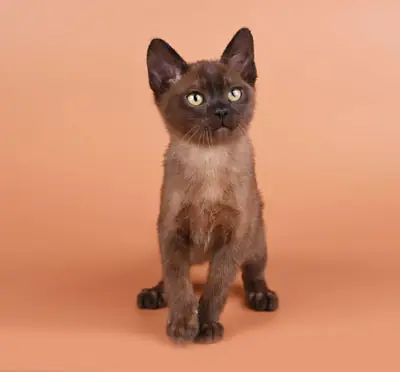
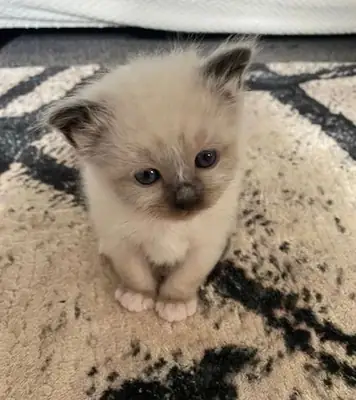
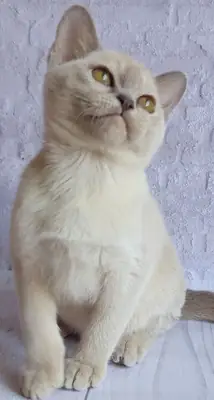
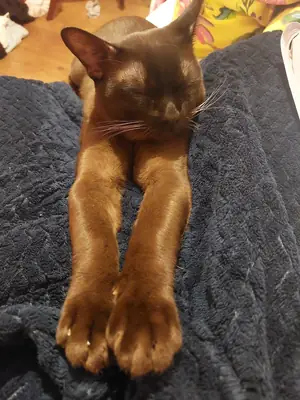
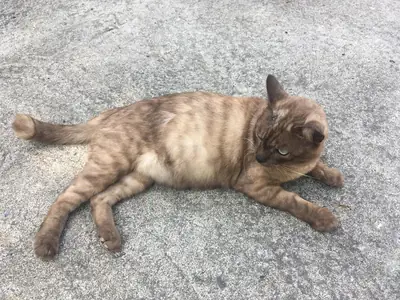
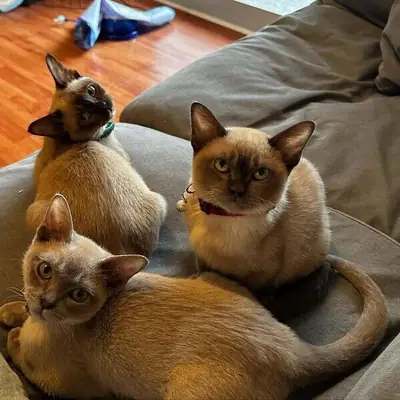
Their coat is short, fine, and glossy, coming in a variety of solid colors including sable, champagne, blue, and platinum. The eyes of a Burmese cat are large, round, and typically a captivating gold or yellow. Burmese cats are often confused with the Bombay breed due to their similar appearance, but Bombays exclusively have a black coat.
| Trait | Typical Value | Why it Matters |
|---|---|---|
| Origin | Southeast Asia | Understanding breed history helps predict behavior. |
| Weight | 8-12 lbs (3.6-5.4 kg) | Ideal for those seeking a medium-sized cat. |
| Coat Colors | Sable, Champagne, Blue, Platinum | Provides aesthetic variety for potential owners. |
| Lifespan | 15-18 years | Long lifespan indicates a long-term commitment. |
2. Temperament & Instincts
Burmese cats are known for their sociable and affectionate nature. They tend to form strong bonds with their human companions, often following them from room to room and seeking close physical contact. This can be attributed to their history as treasured companions in Buddhist temples.
These cats are also highly intelligent and curious, exhibiting a playful demeanor well into adulthood. They enjoy interactive play and puzzle toys that stimulate their minds. Despite their playful side, Burmese cats are also known for their gentle nature, making them excellent companions for families with children.
3. Daily Activity / Enrichment Needs by Life Stage
Ensuring that a Burmese cat receives adequate physical and mental stimulation is crucial for their well-being. Their playful and curious nature requires regular engagement through play and exploration.
| Life Stage | Target | Notes |
|---|---|---|
| Kitten | 30-60 mins/day | Focus on interactive toys to develop motor skills. |
| Adult | 20-40 mins/day | Maintain physical health and prevent obesity. |
| Senior | 15-30 mins/day | Gentle play to keep mobility without over-exertion. |
4. Purchase/Adoption Price Framework
The cost of adopting or purchasing a Burmese cat can vary significantly based on several factors such as breeder reputation, geographic location, and whether the cat is purebred with pedigree papers.
| Source | Cost (USD) | Notes |
|---|---|---|
| Rescue/Shelter | $75 - $150 | Adoption fees are generally lower but vary by shelter. |
| Breeder (non-pedigree) | $600 - $1,000+ | Costs vary based on breeder and cat's lineage. |
| Breeder (pedigree) | $1,200 - $2,500+ | Higher cost reflects lineage and health guarantees. |
5. First-Year Setup + Monthly Running Cost
Owning a Burmese cat involves initial setup costs and ongoing expenses. These costs can vary based on personal choices and geographic location.
| Item | Cost Range (USD) | Notes |
|---|---|---|
| Initial Veterinary Care | $200 - $500 | Includes vaccinations, spaying/neutering. |
| Essential Supplies | $150 - $300 | Includes litter box, scratching post, and toys. |
| Monthly Food and Litter | $40 - $80 | Varies based on choice of food brand. |
| Annual Total | $600 - $1,000+ | Includes routine vet care and supplies. |
6. Nutrition by Life Stage
Providing a balanced diet tailored to each life stage is essential for the health of a Burmese cat. Their dietary needs will change as they age, requiring adjustments to their feeding regimen.
| Life Stage | Dietary Needs | Notes |
|---|---|---|
| Kitten | High protein, high fat | Supports growth and development. |
| Adult | Balanced diet with moderate protein | Maintains weight and overall health. |
| Senior | Low calorie, high fiber | Prevents obesity and supports digestion. |
7. Grooming / Coat & Hygiene Care
Burmese cats have a low-maintenance grooming routine thanks to their short, fine coat. They shed minimally, which is a plus for those with mild allergies. Weekly brushing is usually sufficient to keep their coat healthy and reduce shedding around the home.
Regular nail trimming and dental care are important aspects of their hygiene routine. Owners should also be vigilant about cleaning their cat's ears and providing dental treats or toys to promote oral health.
8. Health
Burmese cats are generally healthy but are predisposed to certain hereditary conditions. Prospective owners should be aware of these and ensure proper health screenings when acquiring a kitten from a breeder.
- Diabetes Mellitus: A metabolic disorder that may require insulin management.
- Hypokalemia: A condition characterized by low potassium levels, affecting muscle function.
- Gingivitis: Inflammation of the gums, common in many cat breeds.
- Congenital Vestibular Disease: A genetic condition affecting balance and coordination.
Routine veterinary check-ups are essential to catch any potential health issues early. Expect to spend around $100-$300 annually on vet care, depending on the health of the individual cat.
9. Training / Behaviour Priorities
Burmese cats are intelligent and respond well to training, which can help manage their playful and sometimes mischievous nature. Litter training should be straightforward, as they are naturally clean animals.
Socialization is important, especially if the cat is to share a home with other pets or children. Providing scratching posts and redirecting scratching behavior can prevent damage to furniture. Engaging in regular play sessions will also satisfy their need for mental and physical stimulation.
10. Home Environment Fit
Due to their social nature, Burmese cats thrive in environments where they receive plenty of attention. They are well-suited to both apartments and larger homes, provided they have enough stimulation and companionship.
Burmese cats are generally good with children and can coexist peacefully with other pets if introduced properly. Their adaptable nature makes them a good choice for families, singles, or seniors seeking a loving companion.
11. Lifestyle Fit Matrix
| Lifestyle | Fit Verdict | Reason |
|---|---|---|
| Family with Children | Excellent | Affectionate and playful, good with kids. |
| Single Professional | Good | Enjoys companionship but can be independent during work hours. |
| Senior Citizens | Excellent | Gentle nature and loving demeanor. |
| Multi-pet Household | Good | Adapts well if introduced carefully. |
12. Breeder / Shelter / Adoption Checklist
- Confirm the cat has been vaccinated and microchipped.
- Request health screenings for hereditary conditions like diabetes.
- Ask about the kitten's socialization with humans and other animals.
- Visit the breeder's facilities to assess cleanliness and care standards.
- Ensure the breeder provides a written health guarantee.
- Inquire about the cat's diet and adjust gradually if needed.
13. FAQ
Do Burmese cats shed a lot?
Burmese cats have a fine, short coat and shed minimally compared to other breeds. Regular weekly brushing helps to manage any loose hair and keeps their coat healthy.
Are Burmese cats good with children?
Yes, Burmese cats are known for their gentle and affectionate nature, making them excellent companions for children. They enjoy playtime and are generally tolerant of the lively energy that kids bring.
What is the average lifespan of a Burmese cat?
With proper care, a Burmese cat can live between 15 to 18 years. Regular veterinary check-ups and a balanced diet contribute to their longevity.
Do Burmese cats require a lot of attention?
Burmese cats are social and enjoy the presence of their human companions. While they can handle some alone time, they thrive in environments where they receive ample attention and interaction.