Chantilly Cats in 2026: Temperament, Costs, and Health Insights
The Chantilly cat, often enveloped in mystery, presents a unique blend of traits that appeal to cat enthusiasts. Known for their semi-long, silky coats and affectionate nature, Chantilly cats are a rare find in the feline world. This guide explores their temperament, health predispositions, and what prospective owners need to consider.
1. Breed Identity & Standards
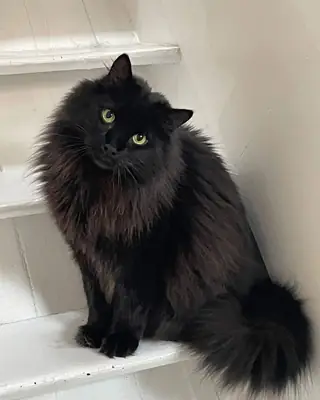
The Chantilly cat, sometimes referred to as the Chantilly-Tiffany, has a somewhat debated origin, but many agree it initially appeared in North America in the late 1960s. This breed is recognized for its elegant semi-long coat, typically a rich chocolate brown, although other colors like cinnamon, fawn, and blue are possible. Chantilly cats are medium-sized, with males typically weighing between 10 to 12 pounds (4.5 to 5.4 kg) and females slightly lighter at 8 to 10 pounds (3.6 to 4.5 kg). These cats usually live for about 12 to 16 years, making them a long-term companion.
| Trait | Typical Value | Why It Matters |
|---|---|---|
| Origin | North America | Understanding origin helps trace breed traits. |
| Weight | 8-12 pounds | Helps anticipate dietary and care needs. |
| Coat Type | Semi-long, silky | Influences grooming requirements. |
| Lifespan | 12-16 years | Indicates long-term commitment. |
2. Temperament & Instincts
Chantilly cats are known for their sweet and loving personalities. Historically, they have been kept as companion animals, which has fostered their affectionate nature. They are often described as "velcro cats" due to their tendency to stick close to their human companions. Unlike some breeds, Chantilly cats are not overly vocal, preferring to communicate with soft chirps and trills rather than loud meows. This makes them ideal for quieter households.
Despite their affectionate nature, Chantilly cats have a balanced energy level. They enjoy interactive play, often engaging in activities that stimulate their hunting instincts, such as feather toys and laser pointers. However, they are equally content lounging in a sunbeam or curling up on a lap for a nap. Their adaptability makes them suitable for various living situations, provided they receive adequate attention.
3. Daily Activity / Enrichment Needs by Life Stage
Chantilly cats require a moderate amount of daily enrichment to keep them mentally and physically stimulated. While they are not as high-energy as some other breeds, they do benefit from engaging activities that mimic their natural hunting behaviors.
| Life Stage | Target | Notes |
|---|---|---|
| Kitten | 30 minutes | Interactive play to develop physical skills. |
| Adult | 20-30 minutes | Moderate play and social interaction. |
| Senior | 15-20 minutes | Gentle play to maintain mobility. |
4. Purchase/Adoption Price Framework
The cost of acquiring a Chantilly cat can vary significantly based on the source. While they are a rare breed, potential owners should consider both adoption and purchase from breeders.
| Source | Price Range (USD) | Notes |
|---|---|---|
| Breeder | $500-$1,200+ | Higher cost for pedigree lines. |
| Adoption | $75-$200 | Adoption fees typically include initial vet care. |
5. First-Year Setup + Monthly Running Cost
Owning a Chantilly cat involves both initial setup costs and ongoing monthly expenses. Prospective owners should budget accordingly to ensure their pet receives proper care.
| Item | Cost (USD) | Notes |
|---|---|---|
| Neutering/Spaying | $100-$300 | One-time surgical cost. |
| Vaccinations | $50-$100 | Initial and booster vaccines. |
| Microchip | $25-$50 | For identification and safety. |
| Litter Box & Litter | $150/year | Includes litter box and monthly litter supply. |
| Food | $200-$300/year | Quality cat food for balanced nutrition. |
| Toys & Enrichment | $50-$100/year | Variety of toys for mental stimulation. |
| Total Estimated First-Year Cost | $675-$1,100+ | Includes setup and initial medical expenses. |
6. Nutrition by Life Stage
Proper nutrition is crucial for maintaining the health and vitality of a Chantilly cat throughout its life stages. A balanced diet supports their active lifestyle and longevity.
| Life Stage | Dietary Needs | Notes |
|---|---|---|
| Kitten | High protein, DHA | Supports growth and brain development. |
| Adult | Balanced diet | Maintains weight and energy levels. |
| Senior | Lower calories, joint support | Prevents obesity, supports aging joints. |
7. Grooming / Coat & Hygiene Care
The Chantilly cat's semi-long coat requires regular grooming to prevent matting and reduce shedding. Weekly brushing is recommended to keep their coat in pristine condition and minimize hairballs. Additionally, regular nail trimming and dental care are essential components of their grooming routine. While they are not heavy shedders, seasonal changes may increase shedding, necessitating more frequent grooming sessions during these periods.
8. Health
Chantilly cats are generally healthy, though they may be predisposed to certain conditions. Responsible breeders screen for these issues to ensure the health of their kittens. Regular veterinary check-ups are crucial for early detection and management of potential health problems.
- Gingivitis: Dental care is essential to prevent gum disease.
- Hypertrophic Cardiomyopathy (HCM): A heart condition that may require monitoring.
- Obesity: Maintaining a healthy weight through diet and exercise is vital.
Vet costs can vary, but owners should budget for annual check-ups and potential treatments, which could range from $100 to $500 annually depending on the cat's health needs.
9. Training / Behaviour Priorities
Chantilly cats are intelligent and can be trained to follow basic commands, although their independent nature means they may require patience and consistency. Litter training is typically straightforward, but providing a clean, easily accessible litter box is important. Redirecting scratching to appropriate posts is another key training focus, as is socialization to ensure they are comfortable around new people and environments.
10. Home Environment Fit
Chantilly cats are adaptable to both apartment and house living, provided they receive sufficient interaction and mental stimulation. They are well-suited to families with children and can generally coexist peacefully with other pets, including cats and dogs, especially if introduced properly. Indoor living is recommended to protect them from external dangers and to manage their health more effectively.
11. Lifestyle Fit Matrix
| Lifestyle | Fit Verdict | Reason |
|---|---|---|
| Single, works long hours | Moderate | Needs companionship, may require additional pet or interactive toys. |
| Family with children | Excellent | Affectionate nature suits families well. |
| Retirees | Good | Enjoys calm environments and companionship. |
| Multiple pets | Good | Generally friendly with other animals if introduced properly. |
12. Breeder / Shelter / Adoption Checklist
- Verify health screening for common conditions like HCM.
- Ask for vaccination and medical history documentation.
- Ensure the cat is spayed or neutered if age-appropriate.
- Observe the cat's temperament; look for sociability and curiosity.
- Confirm the breeder or shelter's reputation through reviews or references.
- Request a visit to see the cat's living conditions and interactions.
13. FAQ
Are Chantilly cats hypoallergenic?
No, Chantilly cats are not hypoallergenic. While their coat may produce less dander than some breeds, they can still trigger allergies in sensitive individuals.
How much grooming do Chantilly cats require?
Chantilly cats require weekly grooming to maintain their semi-long coat and reduce shedding. Extra grooming may be needed during shedding seasons.
Do Chantilly cats get along with other pets?
Yes, Chantilly cats typically get along well with other pets, especially if they are introduced slowly and properly socialized.
What is the average lifespan of a Chantilly cat?
Chantilly cats have an average lifespan of 12 to 16 years, depending on their health and care throughout their life.