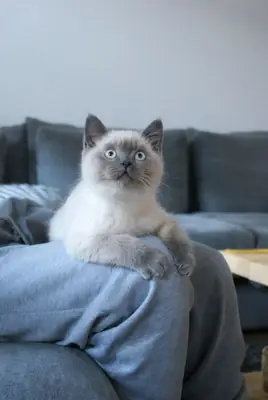
Colorpoint Shorthair: Characteristics and Ownership Guide 2026
The Colorpoint Shorthair is a breed known for its striking appearance and vocal nature. As a close relative of the Siamese, this breed combines beauty with an affectionate personality, making it a unique choice for cat enthusiasts. This guide will delve into the specifics of caring for a Colorpoint Shorthair, including its health predispositions and financial considerations.
1. Breed identity & standards
The Colorpoint Shorthair is a breed that originated in the United States, developed through the selective breeding of Siamese cats with American Shorthairs to introduce new color variations. Recognized for its sleek, elegant appearance, the breed maintains the same basic body structure as the Siamese but with a broader range of color points. Typical adult Colorpoint Shorthairs weigh between 5 to 10 pounds (2.3 to 4.5 kg) and stand about 9 to 10 inches (23 to 25 cm) tall at the shoulder.
The breed's coat is short, fine, and lies close to the body, requiring minimal grooming. It features a variety of point colors, including red, cream, tortoiseshell, and tabby, expanding beyond the traditional Siamese palette. The average lifespan of a Colorpoint Shorthair ranges from 12 to 16 years, although individual longevity can vary.
| Trait | Typical value | Why it matters to an adopter |
|---|---|---|
| Origin country | United States | Understanding its background helps in appreciating its unique color variations. |
| Weight range | 5 - 10 lbs (2.3 - 4.5 kg) | Compact size makes it suitable for most home environments. |
| Coat varieties | Multiple point colors | Diverse coat colors offer aesthetic appeal. |
| Lifespan | 12 - 16 years | Potential for long companionship with proper care. |
2. Temperament & instincts
The Colorpoint Shorthair inherits much of its temperament from its Siamese ancestors. It is highly vocal, often engaging in conversations with its human companions through a range of distinct meows and purrs. This sociability means the breed thrives on interaction and can become distressed if left alone for prolonged periods. Its need for companionship makes it a fitting choice for households where someone is often home.
This breed is also known for its playful and energetic nature. Colorpoint Shorthairs enjoy interactive play and are known to entertain themselves with toys if their human companions are unavailable. Despite their playful demeanor, they are generally gentle and adapt well to the presence of children and other pets, provided they are introduced appropriately.
3. Daily activity / exercise needs by life stage
While the Colorpoint Shorthair is relatively active, its exercise needs can often be met through indoor play. It's important to tailor enrichment activities to the cat's age and energy level. Here is a guide to their activity needs by life stage:
| Life stage | Target | Notes |
|---|---|---|
| Kitten | 30 - 60 minutes | Interactive play and exploration are crucial for development. |
| Adult | 20 - 40 minutes | Maintain engagement through toys and playtime. |
| Senior | 10 - 20 minutes | Gentler play to accommodate lower energy levels. |
4. Purchase/adoption price framework
Adopting a Colorpoint Shorthair can vary in cost depending on the source and location. Here are typical price ranges:
| Source | Price range (USD) | Notes |
|---|---|---|
| Breeder | $800 - $2,000+ | Prices vary with pedigree and breeder reputation. |
| Rescue/Shelter | $75 - $150 | Adoption fees are generally lower but may include vaccinations. |
| Health-tested lines | $1,500 - $3,000+ | Includes genetic testing and guarantees. |
5. First-year setup + monthly running cost
Owning a Colorpoint Shorthair involves both initial setup costs and ongoing expenses. Potential adopters should budget for these costs:
| Item | Cost (USD) | Notes |
|---|---|---|
| Initial setup (neuter, vaccines, microchip) | $250 - $500 | Includes essential medical and identification costs. |
| Litter box & supplies | $30 - $100 | Essential for indoor cats. |
| Scratching post | $20 - $75 | Helps maintain claws and prevent furniture damage. |
| Monthly food & litter | $50 - $100 | Ongoing cost for basic care. |
| Annual total | $850 - $1,500 | Includes all initial and recurring costs. |
6. Nutrition by life stage
Proper nutrition is crucial for the health and well-being of a Colorpoint Shorthair. Diet should be adjusted based on the cat's age and activity level:
| Life stage | Dietary needs | Notes |
|---|---|---|
| Kitten | High protein, high calorie | Supports rapid growth and development. |
| Adult | Balanced diet | Maintain weight and health with quality cat food. |
| Senior | Lower calorie, joint support | Avoid obesity and support joint health. |
7. Grooming / coat & hygiene care
The Colorpoint Shorthair requires minimal grooming due to its short, fine coat. Regular brushing, about once a week, helps to manage shedding and reduce hairballs. Unlike long-haired breeds, this cat does not require frequent baths unless it becomes particularly dirty.
Nail trimming should be done every few weeks, and dental hygiene is crucial; regular tooth brushing can help prevent dental disease, a common issue in cats. Providing dental treats or toys can also contribute to oral health.
8. Health
Colorpoint Shorthairs are generally healthy, but they share some genetic predispositions with their Siamese relatives. Prospective owners should be aware of the following conditions:
- Progressive Retinal Atrophy (PRA)
- Congenital heart defects
- Respiratory issues
- Gingivitis and dental disease
Routine veterinary check-ups and proactive health screenings can help manage these risks. Costs for routine vet visits and vaccinations are generally between $100 and $300 annually.
9. Training / behaviour priorities
While cats are not trained in the same way as dogs, Colorpoint Shorthairs can benefit from behavior-focused interactions. Litter training should start early, and providing multiple scratching posts can help redirect scratching behavior away from furniture.
Socialization is key for this breed. Regular interaction with different people and environments can help prevent anxiety. It's also important to engage them in interactive play to satisfy their hunting instinct and mental stimulation needs.
10. Home environment fit
Colorpoint Shorthairs are adaptable and can thrive in various living conditions, including apartments, provided their social and environmental needs are met. They require space to explore but do not necessarily need access to the outdoors, which can help reduce risks of injury and disease.
They generally get along well with children and other pets if introduced properly. However, their vocal nature may not suit very quiet households or those sensitive to noise.
11. Lifestyle fit matrix
| Lifestyle | Fit Verdict | Reason |
|---|---|---|
| Busy single professional | Moderate | Requires daily interaction; consider adopting two for companionship. |
| Family with children | High | Affectionate and playful, enjoys activity and interaction. |
| Quiet, rural household | Low | May become lonely or bored without regular interaction. |
| Apartment living | High | Compact size and adaptable nature suit smaller spaces. |
12. Breeder / shelter / adoption checklist
- Verify breeder's health screenings for genetic conditions.
- Check vaccination records and ensure they are up to date.
- Ensure the cat is well-socialized and comfortable with handling.
- Review contract for return policy or health guarantees.
- Look for signs of a clean and enriching environment.
- Ask about the kitten's diet and any specific care instructions.
13. FAQ
Does the Colorpoint Shorthair shed a lot?
While the Colorpoint Shorthair does shed, its short coat means shedding is less noticeable compared to long-haired breeds. Regular brushing can help manage shedding and maintain a healthy coat.
Is the Colorpoint Shorthair good with children?
Yes, Colorpoint Shorthairs are generally good with children. They are playful and enjoy interaction, making them a great choice for families. Proper introductions are important to ensure a positive relationship.
What is the lifespan of a Colorpoint Shorthair?
The average lifespan of a Colorpoint Shorthair is between 12 and 16 years. With proper care, some may live even longer, enjoying a healthy and active life.
Are Colorpoint Shorthairs hard to train?
Colorpoint Shorthairs are intelligent and can learn quickly, especially when it comes to litter box habits and using scratching posts. Consistent interaction and positive reinforcement are key to effective training.
How vocal is the Colorpoint Shorthair?
The breed is known for being quite vocal, often engaging in conversations with its owners. They express themselves with a range of sounds, making them ideal for those who appreciate an interactive pet.