Cymric Cats 2026: Temperament, Health Risks, and Adoption Costs
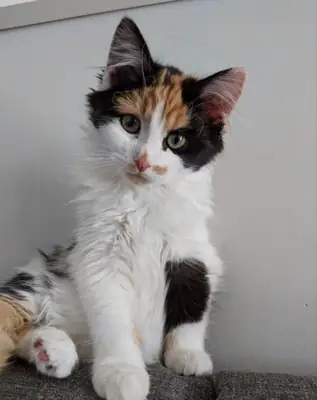
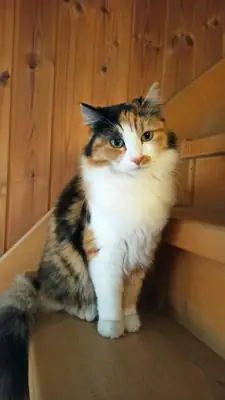
The Cymric is a unique cat breed known for its distinct lack of a tail and luxurious long coat. Originating from the Isle of Man, these cats captivate with their playful nature and strong build. In this guide, we explore their health predispositions and cost considerations.
1. Breed Identity & Standards
The Cymric cat, essentially the long-haired version of the Manx, hails from the Isle of Man. This breed is renowned for its taillessness, a result of a dominant genetic mutation. Cymrics are medium to large-sized cats, typically weighing between 8–12 pounds (3.6–5.4 kg). They have a compact and muscular build, contributing to their robust appearance. Their double coat is thick and comes in various colors and patterns, including tabby, solid, and bi-color.
| Trait | Typical Value | Why it Matters |
|---|---|---|
| Origin | Isle of Man | Historical and genetic significance |
| Size | 8–12 pounds (3.6–5.4 kg) | Indicates their robust nature |
| Coat | Long, double-layered | Requires regular grooming |
| Lifespan | 12–16 years | Relatively long-lived |
2. Temperament & Instincts
Cymrics are known for their playful and affectionate nature. Despite their origins as working cats, they have adapted well to domestic life. These cats are intelligent and curious, often engaging in interactive play that stimulates their mind. Their history as mousers means they retain a strong prey drive, so providing toys that mimic hunting can be beneficial.
Social by nature, Cymrics tend to form close bonds with their human companions. They enjoy interactive play and can be quite vocal when seeking attention. While they appreciate company, they also value their independence, making them well-suited for owners who appreciate a balance between interaction and autonomy.
3. Daily Activity / Enrichment Needs by Life Stage
Cymric cats require regular mental and physical stimulation throughout their lives. Understanding their activity needs at different life stages is crucial for their well-being.
| Life Stage | Target | Notes |
|---|---|---|
| Kitten | 30–60 minutes daily | Interactive play to develop skills |
| Adult | 20–40 minutes daily | Balance of play and relaxation |
| Senior | 15–30 minutes daily | Gentle play to maintain mobility |
4. Purchase/Adoption Price Framework
The cost of acquiring a Cymric cat can vary significantly based on factors such as breeder reputation, pedigree, and geographical location. Adoption fees are typically lower.
| Source | Price Range (USD) | Notes |
|---|---|---|
| Breeder | $400–$1,500+ | Higher for show-quality cats |
| Shelter | $75–$150 | Includes basic health checks |
| Rescue | $100–$300 | May include additional care |
5. First-Year Setup + Monthly Running Cost
Owning a Cymric involves initial setup costs and ongoing monthly expenses. These costs ensure the cat's health and happiness.
| Item | First-Year Cost (USD) | Monthly Cost (USD) |
|---|---|---|
| Neutering/Spaying | $100–$250 | - |
| Vaccinations | $75–$150 | - |
| Microchipping | $25–$60 | - |
| Litter Box & Supplies | $50–$150 | $15–$30 |
| Food | - | $20–$50 |
| Parasite Control | - | $10–$20 |
| Scratching Post | $20–$70 | - |
| Total | $270–$680 | $45–$100 |
6. Nutrition by Life Stage
Cymric cats benefit from a diet tailored to their life stage to ensure optimal health and longevity.
| Life Stage | Dietary Needs | Notes |
|---|---|---|
| Kitten | High protein, DHA | Supports growth and development |
| Adult | Balanced protein, fat | Maintains weight and health |
| Senior | Supplements for joint health | Supports aging joints and bones |
7. Grooming / Coat & Hygiene Care
The Cymric's dense double coat requires regular grooming to prevent matting and reduce shedding. Weekly brushing is usually sufficient, but during shedding seasons, more frequent grooming may be necessary. Regular nail trimming and dental care are also important to maintain overall health.
Given their long hair, Cymrics can be prone to hairballs. Providing hairball control foods or supplements can help manage this issue. Regular dental checks are also recommended, as dental disease can be a concern in cats.
8. Health
Cymric cats are generally healthy, but they can be predisposed to certain hereditary conditions. Ethical breeders will test for these and provide health records. Some common issues include:
- Manx Syndrome (spina bifida)
- Arthritis
- Cystitis
- Corneal Dystrophy
Veterinary costs can vary widely, but potential owners should budget for regular check-ups and any necessary treatments, which can be expensive if chronic conditions arise.
9. Training / Behaviour Priorities
Training a Cymric focuses on stimulating their intelligence and providing social interaction. Litter box habits are generally straightforward, but ensuring a clean and accessible environment is crucial. Scratching behavior should be redirected to appropriate posts early on, and socialization is key to a well-adjusted cat.
Cymrics thrive with positive reinforcement techniques and interactive play sessions that challenge their natural instincts and intelligence.
10. Home Environment Fit
Cymrics adapt well to various living environments, including apartments, as long as they receive adequate attention and stimulation. They typically do well with children and other pets, provided introductions are managed carefully. Their playful nature makes them suitable companions for active households.
However, care should be taken to ensure they have safe indoor environments, as their taillessness can affect their balance and agility, making outdoor adventures riskier.
11. Lifestyle Fit Matrix
| Lifestyle | Fit Verdict | Reason |
|---|---|---|
| Busy Professionals | Moderate | Independent but needs interaction |
| Families with Children | High | Playful and social |
| Single Pet Owners | High | Forms strong bonds |
| Multi-pet Households | Moderate | Requires careful introductions |
12. Breeder / Shelter / Adoption Checklist
- Verify breeder's reputation and ask for references.
- Request health screenings for genetic issues.
- Ensure the cat is well-socialized from a young age.
- Visit the breeding/shelter facility if possible.
- Check vaccination and health records.
- Understand the breeder's return policy and guarantees.
13. FAQ
Are Cymric cats good with children?
Yes, Cymric cats are generally excellent with children. Their playful and gentle nature makes them suitable companions for kids. As with any pet, it's important to supervise interactions and teach children how to handle cats respectfully.
Do Cymric cats require a lot of grooming?
Cymrics do require regular grooming due to their long, dense coats. Weekly brushing helps prevent tangles and reduces shedding. During shedding seasons, more frequent grooming may be necessary.
What health issues are common in Cymric cats?
Cymric cats may face health issues such as Manx Syndrome, arthritis, cystitis, and corneal dystrophy. Regular veterinary check-ups and proper care can help manage these conditions effectively.
Are Cymric cats suitable for apartment living?
Yes, Cymric cats can adapt well to apartment living. They are relatively independent and can thrive in smaller spaces as long as they receive adequate attention, enrichment, and playtime.
14. Conclusion & 2026 Note
In 2026, the Cymric remains a distinctive and delightful choice for cat lovers who appreciate a playful, intelligent, and social feline companion. Potential adopters should be prepared for grooming responsibilities and regular health monitoring. This breed is ideal for those seeking a cat that balances independence with affection.
Who should adopt a Cymric? Individuals or families who can provide a stimulating environment and regular companionship will find the Cymric to be a rewarding pet. However, those who cannot commit to regular grooming or who need a completely low-maintenance pet may need to consider other breeds.