Cyprus Cats: The Definitive 2026 Guide to Traits, Care, and Adoption
The Cyprus cat, known for its adaptability and robust health, is a fascinating blend of independence and sociability. This guide explores their unique characteristics, from coat varieties and grooming needs to health predispositions and adoption insights.
1. Breed Identity & Standards
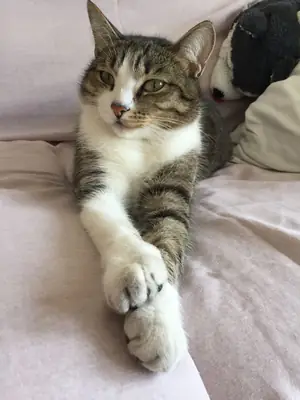
The Cyprus cat, often considered a natural breed, hails from the island of Cyprus. Its origins date back thousands of years, with a lineage believed to connect back to the cats of ancient Egypt. This breed is characterized by a medium to large build, with males typically weighing between 10-15 pounds (4.5-6.8 kg) and females slightly smaller at 8-12 pounds (3.6-5.4 kg). Cyprus cats have a variable coat, ranging from short to semi-long, often featuring a mix of colors and patterns. They are known for their bushy tails and tufted ears, traits that may remind some of the Maine Coon or Norwegian Forest Cat, although they are distinct breeds.
| Trait | Typical Value | Why it Matters |
|---|---|---|
| Origin | Cyprus | Historic island environment influences behavior and adaptability. |
| Size | Medium to Large | Varies with diet and exercise; affects space needs. |
| Coat | Short to Semi-Long | Impacts grooming frequency and shedding levels. |
| Lifespan | 12-15 years | Longevity can impact lifelong care commitments. |
2. Temperament & Instincts
Cyprus cats are known for their independent yet social nature. Historically, they thrived in the wild landscapes of Cyprus, hunting for their food, which has imbued them with a strong prey drive. They are agile and enjoy interactive play that mimics hunting. Despite their independent tendencies, Cyprus cats are also affectionate and often enjoy human companionship, making them ideal for families or individuals who appreciate a cat with a balanced disposition.
Another notable trait is their vocalization. While not as talkative as Siamese cats, Cyprus cats communicate through a variety of meows and purrs, often greeting their owners or expressing curiosity. This vocal nature, combined with their playful instincts, makes them engaging pets that enjoy participating in household activities.
3. Daily Activity / Enrichment Needs by Life Stage
Given their active nature, Cyprus cats benefit from daily enrichment activities tailored to their life stage. Providing adequate stimulation and exercise is crucial to their well-being and helps prevent obesity.
| Life Stage | Target | Notes |
|---|---|---|
| Kitten | 60-90 minutes of play | Interactive toys and climbing structures are ideal. |
| Adult | 30-60 minutes of play | Engage with puzzle toys or laser pointers. |
| Senior | 15-30 minutes of gentle activity | Encourage movement to maintain joint health. |
4. Purchase/Adoption Price Framework
Adopting a Cyprus cat can vary in cost depending on the source. Generally, adoption fees are lower than purchasing from a breeder, and health-tested lines will command higher prices.
| Source | Price Range (USD) | Notes |
|---|---|---|
| Shelter Adoption | $75-$150 | Includes basic vaccinations and spay/neuter. |
| Private Breeder | $300-$600+ | Higher for pedigree and health-tested lines. |
5. First-Year Setup + Monthly Running Cost
Setting up a home for a Cyprus cat involves some initial investment, followed by regular monthly costs for food, healthcare, and other necessities.
| Item | Cost (USD) | Notes |
|---|---|---|
| Initial Vet Check & Vaccinations | $150-$250 | Includes basic immunizations and health check. |
| Spay/Neuter | $100-$200 | One-time cost for surgery; reduces health risks. |
| Litter Box & Accessories | $50-$100 | Includes box, scoop, and initial litter supply. |
| Monthly Food | $20-$50 | Varies with diet choice and brand. |
| Monthly Litter | $10-$20 | Regular replenishment needed. |
| Yearly Total Range | $500-$800 | Includes unexpected vet visits or emergency care. |
6. Nutrition by Life Stage
Proper nutrition is vital for maintaining the health and vitality of Cyprus cats. Their dietary needs change as they progress through different life stages.
| Life Stage | Dietary Focus | Notes |
|---|---|---|
| Kitten | High protein, balanced fat | Supports growth and development. |
| Adult | Balanced diet with moderate fat | Maintain weight and support activity levels. |
| Senior | Low calorie, joint support | Prevent obesity and support joint health. |
7. Grooming / Coat & Hygiene Care
Cyprus cats require regular grooming, especially those with semi-long coats. Regular brushing helps reduce shedding and prevents matting. While they are generally good at self-grooming, supplemental care ensures their coat remains healthy and reduces hairball formation. Nail trimming and regular dental care are also essential to maintain overall hygiene.
8. Health
While Cyprus cats are generally healthy due to their diverse gene pool, there are a few health conditions to be aware of. Ethical shelters and breeders often screen for these conditions to ensure the well-being of cats.
- Hypertrophic Cardiomyopathy (HCM): A heart condition that can affect their health as they age.
- Feline Allergic Dermatitis: Skin sensitivities that may require dietary adjustments or environmental changes.
- Dental Disease: Regular dental check-ups are recommended to prevent tartar build-up and gingivitis.
Routine veterinary care, including annual check-ups and vaccinations, is crucial to maintaining their health. Vet costs can vary, but expect routine visits to be approximately $100-$200 annually.
9. Training / Behaviour Priorities
Cyprus cats are intelligent and trainable, though they maintain a degree of independence. Focus on litter training, which they typically learn quickly, and provide ample scratching posts to redirect natural clawing instincts. Early socialization will ensure they are comfortable around other pets and people, enhancing their adaptability.
10. Home Environment Fit
Cyprus cats are versatile and can adapt to both apartment and house living. They need space to explore and prefer environments where they can observe their surroundings. Access to window perches or outdoor enclosures can enrich their environment. They generally get along well with children and other pets, provided introductions are managed carefully to ensure a harmonious household.
11. Lifestyle Fit Matrix
| Lifestyle | Fit Verdict | Reason |
|---|---|---|
| Single Professional | Excellent | Independent but appreciates company when home. |
| Family with Children | Very Good | Playful and sociable; enjoys interactive play. |
| Senior Citizen | Good | Companionable and low-maintenance grooming. |
| Active Household | Excellent | Engages well with active play and exploration. |
| Frequent Traveler | Moderate | May need more attention and stimulation when home. |
12. Breeder / Shelter / Adoption Checklist
- Request detailed health history and any known genetic testing results.
- Observe the cat's temperament and behavior in various environments.
- Ensure the cat has been vaccinated and spayed/neutered.
- Inquire about the cat's socialization and exposure to other animals.
- Confirm that the cat has undergone recent veterinary evaluations.
- Discuss the adoption contract and any return policies or support provided.
13. FAQ
Do Cyprus cats shed a lot?
Cyprus cats can shed moderately, especially those with semi-long coats. Regular grooming helps manage shedding and keeps their coat healthy.
Are Cyprus cats good with children?
Yes, Cyprus cats are generally good with children. They are playful and tolerant, making them suitable companions for kids who understand how to treat cats respectfully.
What is the average lifespan of a Cyprus cat?
The average lifespan of a Cyprus cat is between 12 to 15 years, provided they receive proper care, nutrition, and regular veterinary check-ups.
Do Cyprus cats require special diets?
While Cyprus cats do not require special diets, a balanced diet appropriate for their age and activity level is important. Consult a veterinarian for dietary recommendations specific to your cat's needs.
Can Cyprus cats live in apartments?
Yes, Cyprus cats are adaptable and can thrive in apartment settings. Ensure they have enough enrichment and space to explore to keep them satisfied and stimulated.
14. Final Thoughts on Adopting a Cyprus Cat in 2026
Adopting a Cyprus cat can be a rewarding experience, thanks to their affectionate nature and adaptability. They make excellent companions in various living situations, including apartments and homes with children or other pets. However, potential adopters should be prepared for the grooming needs and ensure they provide ample enrichment to keep these intelligent cats engaged. If you seek a playful yet independent feline friend, the Cyprus cat could be the perfect addition to your home.