Domestic Longhair Cats in 2026: Temperament, Health & Adoption Costs
The Domestic Longhair is a diverse and adaptable breed, known for its wide range of coat colors and patterns. These cats have a genetic pool that offers robust health but also requires regular grooming due to their long fur.
1. Breed identity & standards
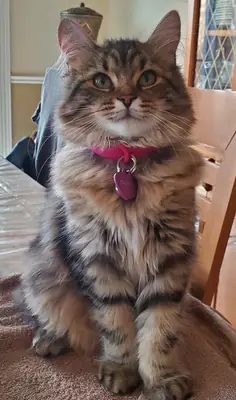
Domestic Longhairs are not a standardized breed but rather a mixed-breed group characterized by their long, luxurious fur. Originating from various regions due to natural breeding, they are prevalent across the globe. Their size can vary significantly, typically weighing between 5 to 10 kg (11 to 22 lbs) and standing 23 to 28 cm (9 to 11 inches) tall at the shoulder. These cats have a lifespan of 12 to 18 years, depending on their care and environment.
| Trait | Typical Range | Why It Matters |
|---|---|---|
| Origin | Various | Diverse genetic background |
| Weight | 5-10 kg | Variety in size and health needs |
| Coat | Long, varied colors | Requires regular grooming |
| Lifespan | 12-18 years | Potential for long companionship |
2. Temperament & instincts
Domestic Longhairs are known for their independent yet affectionate nature. They often possess a curious and playful demeanor, inherited from their diverse ancestry. Unlike some pedigreed breeds, their behavior is not uniform, but they generally exhibit a friendly disposition towards humans and other pets. This breed's independence means they might not be as clingy as others, making them suitable for owners who appreciate a more self-sufficient feline.
Despite their independent spirit, Domestic Longhairs enjoy interactive play and affectionate moments with their owners. They may display a moderate prey drive, often engaging in playful hunting behaviors with toys. Vocalization can vary widely; some may be quite talkative, while others are more reserved. Their adaptable nature allows them to fit into various living situations, from bustling families to quieter homes.
3. Daily activity / exercise needs by life stage
While not overly demanding, Domestic Longhairs benefit from regular enrichment and play to maintain their physical and mental health. Their needs can vary with age, but engaging them with toys and activities helps keep them healthy and happy.
| Life Stage | Target | Notes |
|---|---|---|
| Kitten | 60 minutes/day | Focus on short, interactive play sessions |
| Adult | 30-45 minutes/day | Engage with a mix of toys and human interaction |
| Senior | 15-30 minutes/day | Gentle play to maintain mobility |
4. Purchase/adoption price framework
Adopting a Domestic Longhair can vary widely in cost depending on the source. Generally, these cats are available through shelters and rescues at a lower price than pedigreed breeds.
| Source | Price Range | Details |
|---|---|---|
| Shelter/Rescue | $50-$150 USD | Includes initial vet check |
| Private Adoption | $0-$100 USD | Varies by individual circumstances |
| Breeder | $200-$500 USD+ | Rare, as they are not a pedigreed breed |
5. First-year setup + monthly running cost
Owning a Domestic Longhair involves initial setup costs and ongoing monthly expenses. Proper budgeting ensures they receive the necessary care and attention.
| Expense | Cost Range | Details |
|---|---|---|
| Neuter/Spay | $100-$300 USD | One-time surgical cost |
| Vaccinations | $75-$150 USD | Initial series essential for health |
| Microchip | $25-$50 USD | Permanent identification |
| Litter Box & Supplies | $50-$100 USD | Initial setup for hygiene |
| Scratching Post | $20-$50 USD | Essential for claw maintenance |
| Monthly Food | $20-$50 USD | Quality diet for health |
| Monthly Litter | $10-$20 USD | Regular replacement needed |
Total first-year cost: $400-$850 USD
6. Nutrition by life stage
Proper nutrition is vital for the health and longevity of Domestic Longhairs. Their dietary needs change as they grow from kittens to adults and into their senior years.
| Life Stage | Dietary Needs | Notes |
|---|---|---|
| Kitten | High protein, DHA | Supports growth and brain development |
| Adult | Balanced diet | Maintains health and energy |
| Senior | Lower calorie | Prevents obesity and supports joint health |
7. Grooming / coat & hygiene care
Grooming is an essential part of caring for a Domestic Longhair. Their long fur can easily become matted without regular attention. Weekly brushing is recommended to minimize shedding and prevent hairballs. In addition to coat care, regular dental hygiene and nail trimming are crucial to their overall health.
Due to their long fur, these cats may be more prone to hairballs, which can be managed with specialized diets or supplements. Owners should also provide scratching posts to help maintain their claws and prevent excessive wear on furniture.
8. Health
Domestic Longhairs generally enjoy robust health thanks to their diverse genetic backgrounds, but there are some conditions to be aware of. While not as prone to genetic disorders as purebred cats, they may still encounter common feline ailments.
- Obesity: Regular monitoring of diet and activity is essential.
- Dental Disease: Routine dental care is crucial to prevent issues.
- Hairballs: Can be managed with diet and regular grooming.
- Parasites: Regular deworming and flea prevention are recommended.
Average veterinary costs can vary, but routine check-ups and vaccinations typically range from $100 to $300 USD annually.
9. Training / behaviour priorities
Training a Domestic Longhair involves focusing on litter habits, socialization, and providing appropriate outlets for their natural behaviors. Ensuring they have access to scratching posts and a variety of toys can prevent unwanted behaviors.
Socialization is key to helping them adjust to different environments and people. Providing positive experiences with various stimuli during their kitten stage can lead to a well-adjusted adult cat.
10. Home environment fit
Domestic Longhairs are adaptable to a variety of living situations. They can thrive in both apartments and houses, provided they have enough space to explore and play. Their independent nature allows them to be left alone during the day, making them a good choice for working individuals.
They typically get along well with children and other pets, including dogs, if properly introduced. However, supervision is advised when introducing them to small animals due to their potential prey drive.
11. Lifestyle fit matrix
| Lifestyle | Fit Verdict | Reason |
|---|---|---|
| Busy Professional | Good | Independent, low maintenance during work hours |
| Family with Kids | Excellent | Affectionate and playful with children |
| Senior Citizens | Good | Calm and easygoing nature suits laid-back lifestyle |
| Multi-Pet Household | Excellent | Generally sociable with other animals |
12. Breeder / shelter / adoption checklist
- Verify the health history of the cat and its parents if available.
- Check for current vaccinations and deworming status.
- Assess the cat's temperament through a visit or video call.
- Ensure the cat has been microchipped for identification.
- Review any adoption contracts or agreements thoroughly.
- Prepare your home with necessary supplies before bringing the cat home.
13. FAQ
Does the Domestic Longhair shed a lot?
Yes, Domestic Longhairs do shed, particularly during seasonal changes. Regular grooming can help control shedding and reduce hairballs.
Are Domestic Longhairs good with children?
Domestic Longhairs typically have a friendly and playful nature, making them a good fit for families with children. Supervision is recommended to ensure interactions are gentle.
What health issues are common in Domestic Longhairs?
While generally healthy, they can be prone to obesity, dental disease, and hairballs. Regular veterinary care and a balanced diet help mitigate these issues.
How long do Domestic Longhairs live?
With proper care, Domestic Longhairs can live between 12 to 18 years. Their lifespan can be influenced by genetics, diet, and overall health care.
14. Closing verdict
The Domestic Longhair is an ideal choice for those seeking a versatile and affectionate feline companion. Their adaptability and generally robust health make them suitable for a wide range of lifestyles. However, potential owners should be prepared for regular grooming and be aware of their potential health issues. If you're looking for a cat that combines beauty with a laid-back nature, the Domestic Longhair might just be the perfect fit.