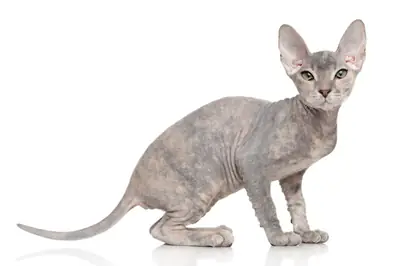
Donskoy Cats 2026: Temperament, Health Insights, and Adoption Costs
The Donskoy cat, known for its distinctive hairless appearance and friendly disposition, offers a unique companion experience. Originating from Russia, this breed is not only visually striking but also has specific health considerations and price points to be aware of.
1. Breed Identity & Standards
The Donskoy, also referred to as the Don Sphynx, hails from Russia and is easily recognizable by its hairless body. This breed was first discovered in 1987 and is characterized by its medium size, with adult males typically weighing between 4.5 to 6 kg (10 to 13 lbs) and females slightly lighter. Height ranges from 20 to 25 cm (8 to 10 inches) at the shoulder. The coat can vary from completely hairless to having a light down, known as 'velour,' 'brush,' or 'flock' types. Donskoys usually live between 12 to 15 years when provided with proper care. They are often confused with the Sphynx cat, but the Donskoy has a genetic mutation distinct from its Canadian counterpart.
| Trait | Typical Value | Why it Matters |
|---|---|---|
| Origin | Russia | Understanding origin helps in knowing breed history and traits. |
| Weight | 4.5 - 6 kg (10 - 13 lbs) | Weight influences dietary and health management. |
| Coat Type | Hairless, Velour, Brush | Different coat types require distinct grooming needs. |
| Lifespan | 12 - 15 years | Knowing lifespan helps in planning for long-term care. |
| Height | 20 - 25 cm (8 - 10 inches) | Height can affect space requirements and activity levels. |
2. Temperament & Instincts
Donskoy cats are renowned for their sociable and affectionate nature. Unlike many other cats, they thrive on human interaction and can be quite vocal, often engaging in "conversations" with their owners. Their history as a domestic breed means they lack strong hunting instincts, making them less likely to exhibit prey-driven behaviors. They are highly curious and intelligent, often exploring their surroundings with enthusiasm. This breed is known to be somewhat "dog-like" in loyalty, often following their owners from room to room.
Despite their independence, Donskoys do not enjoy being left alone for long periods and can develop separation anxiety. They are generally good with children and other pets, making them a versatile choice for families. Their playful demeanor means they enjoy interactive games and mental challenges, which help to keep them stimulated and happy.
3. Daily Activity & Enrichment Needs by Life Stage
| Life Stage | Target | Notes |
|---|---|---|
| Kitten | 30 - 60 min/day | Engage with toys that stimulate curiosity and physical activity. |
| Adult | 45 - 90 min/day | Incorporate interactive play and climbing opportunities. |
| Senior | 30 - 45 min/day | Gentle play to maintain mobility and mental engagement. |
4. Purchase/Adoption Price Framework
| Source | Price Range (USD) | Notes |
|---|---|---|
| Breeder | $1,500 - $3,000+ | High-quality lines with health testing may cost more. |
| Rescue/Adoption | $100 - $300 | Adoption fees cover basic vet checks and spay/neuter. |
5. First-Year Setup & Monthly Running Cost
| Item | Cost (USD) | Notes |
|---|---|---|
| Initial Vet Visits | $200 - $400 | Includes vaccinations and health check. |
| Neuter/Spay | $100 - $250 | One-time expense. |
| Microchip | $25 - $50 | Helps in pet recovery if lost. |
| Litter Box & Supplies | $50 - $100 | Includes litter and scooping tools. |
| Monthly Food | $20 - $40 | Quality diet affects overall health. |
| Annual Total | $1,000 - $1,500 | Includes all setup and monthly costs. |
6. Nutrition by Life Stage
| Life Stage | Diet Type | Notes |
|---|---|---|
| Kitten | High-protein kitten food | Supports rapid growth and development. |
| Adult | Balanced adult cat food | Maintain healthy weight and energy levels. |
| Senior | Senior formula cat food | Lower in calories, supports joint health. |
7. Grooming / Coat & Hygiene Care
Despite their hairless appearance, Donskoys require regular grooming to maintain their skin health. Without fur to absorb oils, their skin can become oily, necessitating weekly baths to prevent buildup and potential skin infections. Their ears should also be cleaned regularly to prevent wax buildup. Owners should monitor skin for signs of irritation or sunburn, as Donskoys are susceptible to both. Nail trimming and dental hygiene are equally important; regular tooth brushing can help prevent periodontal disease.
8. Health
- Skin Conditions: Prone to dermatitis due to lack of fur protection.
- Dental Issues: Regular brushing needed to prevent periodontal disease.
- Hypertrophic Cardiomyopathy (HCM): Screening recommended in breeding lines.
Owners should ensure regular veterinary check-ups to monitor these potential health issues. Preventive care, including vaccinations and parasite control, is crucial for maintaining overall health. Veterinary costs can vary, but routine annual check-ups typically range from $100 to $300, depending on services.
9. Training / Behaviour Priorities
Training a Donskoy cat focuses primarily on socialization and litter habits. Given their social nature, early exposure to various environments, people, and other pets can help mitigate anxiety and unwanted behaviors. Litter training should start early, with positive reinforcement used to encourage proper habits. Scratching behavior can be managed by providing appropriate scratching posts and redirecting any undesired activity.
10. Home Environment Fit
Donskoy cats adapt well to both apartments and larger homes, provided they receive ample attention and interaction. They are suitable for families with children and can coexist peacefully with other pets, including dogs, if introduced properly. However, due to their lack of fur, they are not well-suited for outdoor living and should be kept indoors to protect against environmental hazards such as sunburn and temperature extremes.
11. Lifestyle Fit Matrix
| Lifestyle | Fit Verdict | Reason |
|---|---|---|
| Busy Professionals | Moderate | Requires interaction; consider two cats for company. |
| Families with Kids | High | Friendly and enjoys play with children. |
| Solo Households | High | Enjoys companionship and attention. |
| Outdoor Enthusiasts | Low | Best suited for indoor living only. |
12. Breeder / Shelter / Adoption Checklist
- Verify the breeder's reputation and check for any complaints or issues.
- Ensure the cat is screened for Hypertrophic Cardiomyopathy (HCM).
- Check vaccination records and ensure they are up-to-date.
- Ask about the cat's socialization with people and other pets.
- Confirm the return policy in case the adoption doesn't work out.
- Request a copy of the health guarantee and any genetic testing results.
13. FAQ
Do Donskoy cats shed?
Donskoy cats are known for their hairless appearance, so they do not shed in the traditional sense. However, those with a 'brush' or 'velour' coat may lose minimal hair. Regular skin care is essential to manage oil buildup.
Are Donskoy cats good for apartments?
Yes, Donskoy cats adapt well to apartment living due to their moderate activity levels and need for human interaction. They thrive in environments where they receive plenty of attention and mental stimulation.
What is the lifespan of a Donskoy cat?
With proper care, Donskoy cats typically live between 12 to 15 years. Regular veterinary visits and a balanced diet contribute to a longer, healthier life.
Are Donskoy cats hypoallergenic?
While no cat is completely hypoallergenic, Donskoys produce fewer allergens due to their lack of fur. People with mild allergies may find them more tolerable, but it's essential to spend time with the breed before adoption to ensure compatibility.
14. 2026 Note and Closing Verdict
As of 2026, the Donskoy cat continues to capture the hearts of pet lovers with its distinctive appearance and engaging personality. Prospective owners should be prepared for a cat that thrives on interaction and requires specific skin care routines. This breed is ideal for those who can provide a stable indoor environment and are looking for a loyal, affectionate companion. If you're unable to meet these needs, consider whether a different breed might be a better fit for your lifestyle.