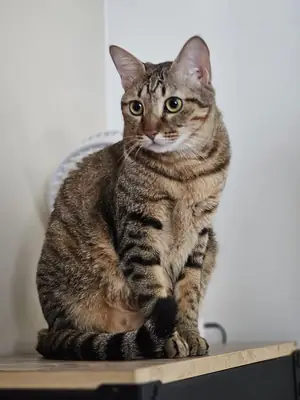
Dragon Li Cats 2026: Temperament, Health, and Adoption Costs Unveiled
The Dragon Li is a captivating feline with a rich history and unique characteristics. Known for its independent nature and striking coat pattern, this breed hails from China and offers a fascinating blend of wild instincts and domesticated charm. This guide explores the Dragon Li's temperament, health considerations, and what to expect when adopting one.
1. Breed identity & standards
The Dragon Li, also known as the Chinese Li Hua or Li Hua Mao, is a domestic cat breed that originated in China. It's believed to descend from a wild cat species native to the Chinese mountains, giving it a distinctive appearance that resembles wildcats. Dragon Lis are medium to large-sized cats, typically weighing between 11 to 15 pounds (5 to 7 kg). They possess a muscular build and a short, dense coat with a unique golden-brown tabby pattern, often with a “broken mackerel” stripe pattern that adds to their wild look.
| Trait | Typical value | Why it matters to an adopter |
|---|---|---|
| Origin country | China | Understanding the breed's history enhances appreciation of its traits. |
| Size | Medium to large | Helps in planning space and resources. |
| Weight | 11–15 lbs (5–7 kg) | Important for dietary and health management. |
| Coat pattern | Golden-brown tabby | Aesthetic appeal and grooming needs. |
| Lifespan | 12–15 years | Indicates long-term commitment and care. |
2. Temperament & instincts
The Dragon Li is known for its independent and intelligent nature. These cats are often described as having a wild spirit, which can be traced back to their origins. They exhibit a strong prey drive, making interactive toys and games that simulate hunting an excellent choice for them. Despite their independence, Dragon Lis are also known to form strong bonds with their human families. They appreciate attention and can be affectionate, though they often prefer to initiate interactions on their own terms.
Socially, Dragon Lis are typically reserved with strangers, but they are generally friendly once they become accustomed to new people. Their vocalizations are moderate, and they tend to communicate through body language and subtle sounds rather than loud meowing. This makes them suitable for a quieter household where their calm demeanor can be appreciated.
3. Daily activity / enrichment needs by life stage
To keep a Dragon Li mentally and physically stimulated, providing daily enrichment is key. Their wild ancestry means they thrive on activities that challenge their intelligence and satisfy their hunting instincts.
| Life stage | Target | Notes |
|---|---|---|
| Kitten | 30–60 minutes of play | Interactive play helps in developing coordination and strength. |
| Adult | 60–90 minutes of enrichment | Rotate toys and games to maintain interest and prevent boredom. |
| Senior | 30 minutes of gentle play | Focus on low-impact activities to accommodate aging joints. |
4. Purchase/adoption price framework
When considering the adoption or purchase of a Dragon Li, potential owners should be prepared for a range of costs depending on the source. Prices can vary significantly based on whether the cat is adopted from a shelter, bought from a breeder, or rescued.
| Source | Price range (USD) | Notes |
|---|---|---|
| Breeder | $300–$600+ | Higher prices for health-tested and pedigree lines. |
| Shelter | $50–$150 | Adoption fees often include basic vaccinations and spaying/neutering. |
| Rescue organization | $100–$200 | Fees typically support ongoing rescue efforts and care. |
5. First-year setup + monthly running cost
Owning a Dragon Li involves initial setup costs as well as ongoing monthly expenses. Here’s a breakdown to help potential owners budget accordingly.
| Expense | Cost range (USD) | Notes |
|---|---|---|
| Neuter/spay | $100–$300 | One-time procedure; often covered in adoption fees. |
| Initial vaccinations | $50–$100 | Essential for protecting against common feline diseases. |
| Microchip | $25–$50 | Permanent identification for safety. |
| Litter box & scratching post | $50–$150 | Necessary for appropriate indoor behavior. |
| Monthly food & litter | $40–$80 | Varies based on diet quality and litter type. |
| Yearly total | $780–$1,260 | Includes initial setup and monthly costs for the first year. |
6. Nutrition by life stage
The Dragon Li requires a balanced diet that changes with its life stage. Proper nutrition is crucial for maintaining their health and vitality.
| Life stage | Dietary needs | Notes |
|---|---|---|
| Kitten | High protein, high calorie | Supports rapid growth and development. |
| Adult | Balanced protein, moderate calorie | Maintains lean muscle and energy levels. |
| Senior | Easy-to-digest, joint support | Focus on maintaining weight and joint health. |
7. Grooming / coat & hygiene care
Dragon Lis have a short, dense coat that is relatively easy to maintain. Regular grooming helps reduce shedding and keeps their coat healthy. Weekly brushing is typically sufficient to remove loose hairs and reduce the risk of hairballs. Bathing is rarely necessary unless the cat gets particularly dirty.
In addition to coat care, regular nail trimming and dental hygiene are important. Cat-specific toothpaste and toothbrushes can help maintain oral health, while scratching posts help with natural nail wear. Routine veterinary check-ups will assist in keeping their overall health in check.
8. Health
The Dragon Li is generally a healthy breed, but like all cats, it can be predisposed to certain health conditions. Ethical breeders and responsible shelters will often screen for these issues to ensure healthy offspring and adoptions. Potential health concerns include:
- Hypertrophic Cardiomyopathy (HCM): A heart condition that can lead to heart failure if not monitored.
- Polycystic Kidney Disease (PKD): A genetic disorder that can impair kidney function over time.
- Obesity: Common in indoor cats, which can exacerbate other health issues.
Regular veterinary check-ups and a healthy diet can help manage these risks. Owners should plan for potential veterinary expenses, which can vary widely based on location and specific health needs.
9. Training / behaviour priorities
Training a Dragon Li involves leveraging their natural intelligence and curiosity. While they may not require the same training as dogs, there are key areas to focus on:
Litter box habits are typically instinctual, but providing a clean and accessible litter box is crucial. Scratching should be directed to appropriate surfaces like scratching posts to prevent damage to furniture. Socialization from a young age can help mitigate their natural wariness of strangers, making them more adaptable to new environments and people.
10. Home environment fit
Dragon Lis can adapt to various living situations, from apartments to larger homes. Their independent nature suits them to households that offer space for exploration and play. While they are not overly demanding of attention, they thrive in environments where they can engage in interactive play and have access to vertical spaces like cat trees.
They generally coexist well with other pets, particularly if introduced properly. However, due to their prey drive, care should be taken when introducing them to smaller animals such as birds or rodents. Families with children will find that Dragon Lis can be playful and tolerant, though supervision is advised to ensure respectful interactions.
11. Lifestyle fit matrix
| Lifestyle | Fit verdict | Reason |
|---|---|---|
| Single professional | Good | Low maintenance with moderate attention needs. |
| Family with young children | Moderate | Requires supervision with small children. |
| Active senior | Good | Independent yet affectionate, suitable for a quieter lifestyle. |
| Multi-pet household | Good | Generally sociable with other pets if introduced properly. |
12. Breeder / shelter / adoption checklist
- Confirm the cat's health history and any genetic testing results.
- Check for up-to-date vaccinations and medical records.
- Observe the cat's behavior in different settings (if possible).
- Ask about the cat's socialization history and exposure to other animals.
- Inquire about any past or ongoing medical treatments.
- Ensure the adoption contract includes return policy for any unforeseen circumstances.
13. FAQ
Do Dragon Lis shed a lot?
Dragon Lis have a short, dense coat that sheds moderately. Regular brushing can help manage shedding and reduce hairballs. They're not considered a hypoallergenic breed, so those with allergies should spend time with the breed prior to adoption.
Are Dragon Lis good with children?
Dragon Lis are generally tolerant and can be playful with children. However, they prefer interactions on their own terms. Supervision is advised to ensure children respect the cat's boundaries and understand how to interact appropriately.
What is the lifespan of a Dragon Li?
Dragon Lis typically live between 12 to 15 years, assuming they receive proper care and nutrition. Regular veterinary check-ups and a balanced diet are essential for a long, healthy life.
How much exercise does a Dragon Li need?
While Dragon Lis are not as high-energy as some breeds, they still require daily enrichment and play. Interactive toys and climbing structures can help satisfy their instinctual needs and prevent boredom.
What health problems are Dragon Lis prone to?
Though generally healthy, Dragon Lis can be predisposed to conditions like Hypertrophic Cardiomyopathy (HCM), Polycystic Kidney Disease (PKD), and obesity. It's important to monitor their health and consult with a veterinarian for regular check-ups.