Exotic Shorthair 2026: Temperament, Health Insights, and Adoption Costs
The Exotic Shorthair is beloved for its plush coat and affectionate demeanor. Known as the "lazy man's Persian," this breed combines the Persian's charming appearance with easier grooming needs. Dive into their unique traits and see if this breed is the right fit for your home.
1. Breed identity & standards
The Exotic Shorthair originated in the United States during the 1960s as breeders aimed to create a Persian-like cat with a shorter coat. This was achieved through crossbreeding Persians with American Shorthairs. The result is a breed with a compact, muscular body, weighing between 3.5 to 6 kg (7.7 to 13.2 lbs) and standing around 25 to 30 cm (10 to 12 inches) tall at the shoulder. The Exotic Shorthair boasts a lifespan of approximately 12 to 15 years.
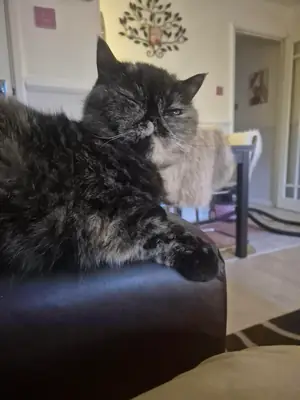
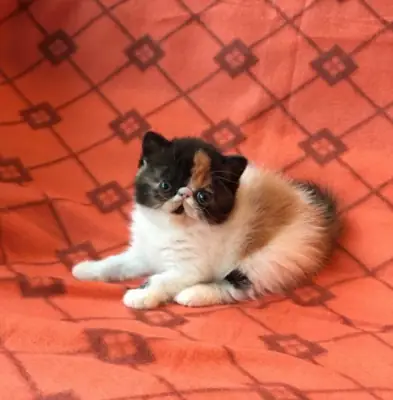
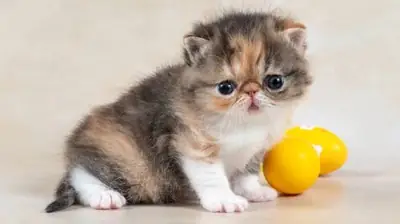
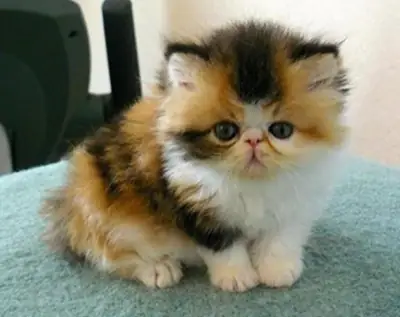
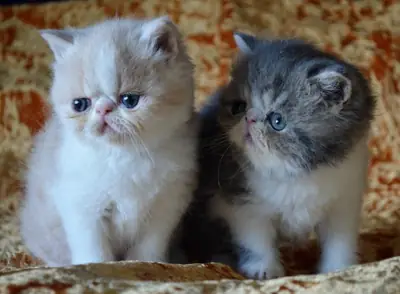
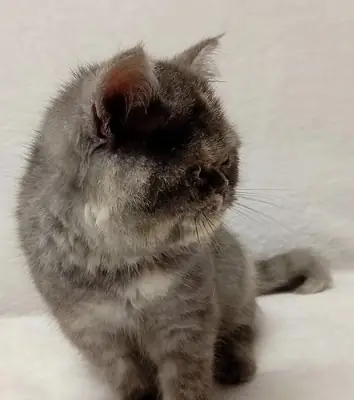
Their coat is plush and dense, available in a wide range of colors and patterns, including solid, tabby, and bi-color. Due to their distinct appearance, they are often compared to Persians but are easier to care for due to their short coat.
| Trait | Typical Value | Why it Matters |
|---|---|---|
| Origin | United States | Origin influences behavior and health traits. |
| Weight | 3.5-6 kg | Determines diet and exercise needs. |
| Coat | Plush, dense | Impacts grooming frequency. |
| Lifespan | 12-15 years | Helps plan for long-term care. |
2. Temperament & instincts
The Exotic Shorthair is known for its calm and gentle nature. Much like their Persian relatives, they enjoy a relaxed lifestyle and are often described as "lap cats." This breed is less vocal than many others, making them a good choice for those who prefer a quieter feline companion. Despite their serene disposition, they can be playful and enjoy interactive toys that stimulate their curiosity.
While they are independent enough to be left alone during the day, Exotic Shorthairs thrive in the company of their human companions. They form strong bonds with their families and are typically friendly with other pets, including dogs and other cats. Their gentle nature makes them suitable for families with children.
3. Daily activity / enrichment needs by life stage
While Exotic Shorthairs are not as active as some other breeds, they do benefit from regular play and engagement to maintain their physical and mental health.
| Life Stage | Target | Notes |
|---|---|---|
| Kitten | 60 minutes/day | Interactive play to build strength and coordination. |
| Adult | 30-45 minutes/day | Toys and puzzles to stimulate their mind. |
| Senior | 15-30 minutes/day | Gentle play to maintain mobility. |
4. Purchase/adoption price framework
The cost of adopting or purchasing an Exotic Shorthair can vary significantly based on factors like pedigree, breeder reputation, and geographical location.
| Source | Price Range (USD) | Notes |
|---|---|---|
| Breeder | $1,200 - $3,000+ | Higher for show-quality or rare colors. |
| Rescue/Adoption | $75 - $200 | Includes basic health checks and vaccinations. |
5. First-year setup + monthly running cost
Owning an Exotic Shorthair involves initial setup costs and ongoing monthly expenses. Proper budgeting ensures you can provide a healthy and comfortable environment.
| Item | Cost (USD) | Notes |
|---|---|---|
| Initial Vet Visit | $100 - $200 | Exam, vaccinations, microchipping. |
| Neutering/Spaying | $150 - $300 | One-time surgical procedure. |
| Litter Box & Supplies | $50 - $150 | Includes litter and scooper. |
| Scratching Post | $30 - $70 | Essential for claw maintenance. |
| Monthly Food | $20 - $50 | Quality diet for health maintenance. |
| Annual Total | $600 - $1,200 | Includes ongoing care and supplies. |
6. Nutrition by life stage
Providing the right nutrition is critical to the overall health and longevity of an Exotic Shorthair.
| Life Stage | Dietary Needs | Notes |
|---|---|---|
| Kitten | High protein, balanced fats | Support growth and energy. |
| Adult | Balanced diet, controlled portions | Maintain healthy weight. |
| Senior | Lower calorie, joint support | Prevent obesity and support mobility. |
7. Grooming / coat & hygiene care
The Exotic Shorthair's plush coat requires regular grooming to keep it in top condition. Weekly brushing helps remove loose hairs and prevent matting, while also reducing hairball occurrences. Their eyes may require daily cleaning due to tear staining, a common issue in flat-faced breeds.
Regular dental care is also crucial. Introduce tooth brushing early to minimize periodontal disease. Trim their nails every few weeks, and ensure they have scratching posts to help with natural claw maintenance. Regular grooming routines not only enhance their coat but also strengthen the bond between you and your pet.
8. Health
Exotic Shorthairs are generally healthy but can be predisposed to certain hereditary conditions. Ethical breeders conduct health screenings to minimize these risks.
- Polycystic Kidney Disease (PKD): A genetic disorder affecting kidney function.
- Brachycephalic Airway Syndrome: Common in flat-faced breeds, impacting breathing.
- Dental Disease: Regular dental checks are advised.
- Obesity: Monitor diet to prevent weight-related health issues.
Regular veterinary check-ups are essential, with costs varying based on location and specific needs. A typical annual veterinary care budget ranges from $200 to $500.
9. Training / behaviour priorities
Training an Exotic Shorthair involves instilling good litter habits and providing opportunities for mental stimulation. Start litter training early and offer positive reinforcement. Scratching behavior should be redirected to appropriate surfaces like scratching posts to protect furniture. Toys and interactive play help satisfy their curiosity.
Socialization is key to ensuring they remain friendly and adaptable to changes in their environment. Although generally easygoing, exposing them to different experiences and people from a young age will further enhance their sociability.
10. Home environment fit
Exotic Shorthairs make excellent companions in both apartments and houses due to their manageable size and calm demeanor. They do not require extensive outdoor space but appreciate safe, supervised outdoor time if available. These cats are well-suited to living with children and other pets, provided introductions are handled carefully.
Ensure your home has ample space for their essentials, such as litter boxes and scratching posts, and consider their need for quiet, comfortable resting areas. Their low-key nature means they adapt well to various living situations, provided they receive adequate attention and care.
11. Lifestyle fit matrix
| Lifestyle | Fit Verdict | Reason |
|---|---|---|
| Busy Professional | Good | Low maintenance and independent. |
| Family with Children | Excellent | Gentle and sociable, suitable for kids. |
| Senior Citizens | Excellent | Calm, loving, and easygoing. |
| Frequent Traveler | Moderate | Needs companionship while owner is away. |
12. Breeder / shelter / adoption checklist
- Request health clearances for PKD and other genetic conditions.
- Observe the cat's behavior and sociability.
- Check for a clean, well-maintained environment.
- Ensure vaccinations are up to date.
- Discuss the breeder's or shelter's return policy.
- Ask for references or testimonials from previous adopters.
13. FAQ
Do Exotic Shorthairs shed a lot?
Exotic Shorthairs do shed, but less than their Persian counterparts. Regular brushing helps manage shedding and keeps their coat healthy.
Are Exotic Shorthairs good with children?
Yes, they are known for their gentle and affectionate nature, making them excellent companions for families with children.
What is the average lifespan of an Exotic Shorthair?
With proper care, Exotic Shorthairs typically live between 12 to 15 years, although some may live longer.
How much do Exotic Shorthairs cost?
Prices vary, ranging from $1,200 to $3,000+ for pedigreed cats, while adoption fees range from $75 to $200.
14. Final notes and adoption suitability
Exotic Shorthairs are ideal for those seeking a low-maintenance, affectionate companion. They suit a variety of living environments and are particularly well-matched to families and seniors. However, they may not be the best choice for those who travel frequently without arrangements for their care.
Overall, if you're looking for a loving, easygoing feline friend, the Exotic Shorthair could be a perfect match for your lifestyle.