Foldex Cat Guide 2026: Unique Temperament, Budget Insights & Health Essentials
The Foldex cat, known for its charming blend of Scottish Fold and Exotic Shorthair traits, offers a distinctive personality and appearance. Prospective owners should be aware of its unique grooming requirements and potential health issues, such as osteochondrodysplasia.
1. Breed Identity & Standards
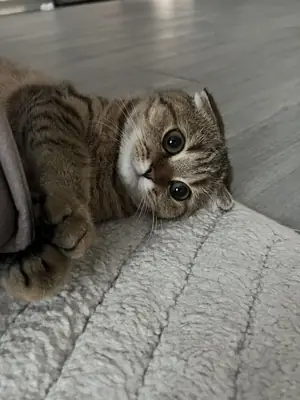
The Foldex cat originated in Canada during the 1990s, combining the appealing traits of the Scottish Fold and the Exotic Shorthair. This charming breed is known for its folded ears and plush coat. Typically, Foldex cats weigh between 3.6 to 6.8 kg (8 to 15 lbs) and have a compact, muscular build. Their coats can vary widely in color and pattern, including solid, tabby, and bi-color varieties. The breed's lifespan ranges from 12 to 15 years, similar to its parent breeds. It's important to note that Foldex cats should not be confused with purely Scottish Folds or Exotic Shorthairs, as they possess a unique combination of features from both.
| Trait | Typical Value | Why it matters |
|---|---|---|
| Weight | 3.6 - 6.8 kg | Compact and muscular build |
| Coat | Various colors and patterns | Requires regular grooming |
| Lifespan | 12 - 15 years | Long-term commitment |
2. Temperament & Instincts
The Foldex cat's temperament is as endearing as its appearance. They are known for being gentle, affectionate, and sociable. This breed enjoys human interaction and often seeks out companionship, making them excellent pets for families or individuals looking for a loving companion. While they possess a playful nature, they are less demanding than some more energetic breeds.
Though they might inherit a certain degree of independence from their Exotic Shorthair lineage, Foldex cats typically appreciate a balanced blend of both play and relaxation. Their gentle demeanor makes them suitable for homes with children and other pets, as they are generally non-aggressive and adaptable to various home environments.
3. Daily Activity & Enrichment Needs by Life Stage
Foldex cats are moderately active and thrive with a mix of play and relaxation. Providing engaging toys and interactive play sessions can be beneficial. Here's a breakdown of their activity needs by life stage:
| Life Stage | Target | Notes |
|---|---|---|
| Kitten | 30-45 min/day | Short, frequent play sessions |
| Adult | 20-30 min/day | Interactive toys and puzzles |
| Senior | 15-20 min/day | Gentle play and mental stimulation |
4. Purchase/Adoption Price Framework
The cost of acquiring a Foldex cat can vary significantly depending on their lineage, health screenings, and breeder reputation. Adoption fees are generally lower:
| Type | Price Range (USD) | Notes |
|---|---|---|
| Breeder | $800 - $1500+ | Pedigree lines with health tests |
| Rescue/Adoption | $75 - $200 | Lower cost, often includes vet checks |
5. First-Year Setup & Monthly Running Cost
Owning a Foldex cat involves initial setup costs and ongoing expenses to ensure their health and happiness. Here's an estimate:
| Expense Type | Cost (USD) | Notes |
|---|---|---|
| Initial Veterinary Care (vaccines, neuter/spay) | $200 - $400 | Key health services |
| Litter Box & Accessories | $50 - $100 | One-time purchase |
| Scratching Posts | $20 - $50 | Essential for claw maintenance |
| Monthly Food | $30 - $50 | Quality diet for health |
| Monthly Litter | $15 - $25 | Regular upkeep |
| Annual Total | $800 - $1500 | Varies by individual needs |
6. Nutrition by Life Stage
Providing appropriate nutrition throughout a Foldex cat's life is crucial for its health and well-being. Consider these guidelines:
| Life Stage | Dietary Needs | Notes |
|---|---|---|
| Kitten | High-protein, high-fat | Supports growth and development |
| Adult | Balanced diet | Maintains healthy weight and energy |
| Senior | Low-fat, high-fiber | Supports joint health and digestion |
7. Grooming / Coat & Hygiene Care
Foldex cats require regular grooming to maintain their plush coats and overall hygiene. Weekly brushing helps reduce shedding and prevent matting. Additionally, regular ear cleaning is crucial due to their folded ears, which can trap dirt and lead to infections. Nail trimming and dental hygiene should also be part of their routine care.
8. Health Considerations
Foldex cats are generally healthy but can be predisposed to certain hereditary conditions. Prospective owners should be aware of these potential health issues:
- Osteochondrodysplasia: A genetic condition affecting cartilage and bone development, common in folded-ear breeds.
- Polycystic Kidney Disease (PKD): A condition that can cause kidney failure in cats, necessitating regular veterinary check-ups.
- Hypertrophic Cardiomyopathy (HCM): A heart condition that requires monitoring and potential treatment.
Regular health screenings and veterinary check-ups are recommended to monitor and manage these conditions. Veterinary costs can vary, but owners should budget for potential treatments and ongoing care.
9. Training & Behaviour Priorities
Training a Foldex cat involves reinforcing positive behaviors and providing environmental enrichment. Focus on litter box habits and scratching redirection to promote healthy behaviors. Socialization from a young age can help them adapt to new situations and reduce anxiety.
10. Home Environment Fit
Foldex cats adapt well to various living environments, including apartments and houses. They thrive in homes where they receive adequate attention and interaction. While they are generally good with children and other pets, introductions should be supervised to ensure harmonious relationships. Their moderate activity level means they do not require large spaces but do benefit from interactive toys and climbing structures.
11. Lifestyle Fit Matrix
| Lifestyle | Fit Verdict | Reason |
|---|---|---|
| Busy Professional | Moderate | Requires some daily interaction |
| Family with Young Kids | High | Gentle and tolerant |
| Pet-Only Household | High | Enjoys companionship |
12. Breeder / Shelter / Adoption Checklist
- Verify the cat's health history and any hereditary conditions.
- Ask if the cat has been screened for PKD and HCM.
- Ensure the cat has had appropriate vaccinations and veterinary care.
- Observe the cat's temperament and socialization during visits.
- Request to see the living conditions of the cat and its parents if possible.
- Confirm if the cat has been spayed or neutered.
13. FAQ
Do Foldex cats shed a lot?
Foldex cats have a plush coat that does shed, though regular grooming can manage this. Weekly brushing is recommended to reduce loose fur and prevent matting.
Are Foldex cats good with children?
Yes, Foldex cats are generally good with children due to their gentle and tolerant nature. However, as with all pets, interactions should be supervised to ensure the safety of both the cat and the children.
What health issues are common in Foldex cats?
Common health issues in Foldex cats include osteochondrodysplasia, PKD, and HCM. Regular veterinary check-ups are important for early detection and management of these conditions.
Can Foldex cats live in apartments?
Yes, Foldex cats can adapt well to apartment living. They do not require large spaces but benefit from enrichment like interactive toys and climbing structures to keep them engaged.
14. Conclusion: Is the Foldex Right for You?
The Foldex cat is an excellent choice for those seeking a gentle, affectionate companion with a unique appearance. They fit well into a variety of home environments, including those with children and other pets. However, potential owners should be prepared for regular grooming and vigilant about their health needs, particularly concerning hereditary conditions. If you're ready for the commitment, a Foldex cat can be a delightful addition to your family.