Himalayan Cats 2026: Temperament, Cost, and Health Insights for Prospective Adopters
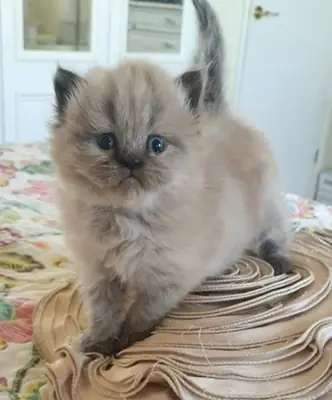
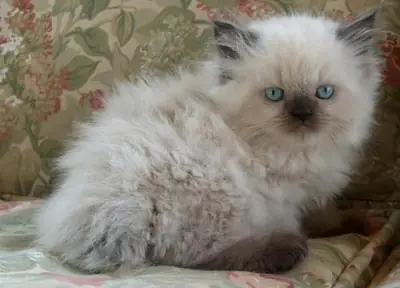
The Himalayan cat, known for its striking appearance and gentle temperament, is a breed that combines the best of the Persian and Siamese. With its luxurious coat and deep blue eyes, this breed demands specific care and attention, making it essential to understand its unique needs.
1. Breed identity & standards
The Himalayan cat is a crossbreed between the Persian and the Siamese, showcasing the best features of both. Originating in the United States around the 1950s, this breed was developed to combine the Persian's long hair and the Siamese's striking color points. A typical Himalayan weighs between 7 to 12 pounds (3.2 to 5.4 kg) and stands about 10 to 12 inches (25 to 30 cm) tall. The coat is long and dense, requiring regular grooming, and comes in color points like blue, chocolate, lilac, and seal. With a lifespan ranging from 9 to 15 years, these cats are easily confused with the Persian due to their coat but distinguished by their color points and Siamese-like vocalizations.
| Trait | Typical Value | Why it Matters to an Adopter |
|---|---|---|
| Coat | Long, dense | Requires regular grooming to prevent matting |
| Weight | 7-12 pounds (3.2-5.4 kg) | Ideal for indoor living; moderate size |
| Lifespan | 9-15 years | Long-term commitment; potential for significant veterinary care |
2. Temperament & instincts
Himalayans are known for their calm and gentle demeanor, a trait inherited from their Persian lineage. They are affectionate and enjoy spending time with their human companions, often following them around the house. These cats are not excessively vocal, but they may have moments of Siamese-like chattiness, especially when they seek attention. Despite their tranquil nature, Himalayans can be playful and curious, requiring interactive playtime to keep them mentally stimulated.
Their historical breeding purpose combined the Persian's laid-back nature with the Siamese's intelligence and social tendencies. This blend makes them ideal for families and individuals who can dedicate time to engage with their pets. While they enjoy being petted and cuddled, they also appreciate their independence, making them less demanding than some other breeds when it comes to constant attention.
3. Daily activity / exercise needs by life stage
Himalayan cats require regular playtime to maintain their physical and mental health. While they're not as high-energy as some breeds, engaging in daily activities is crucial.
| Life Stage | Target | Notes |
|---|---|---|
| Kitten | 30-60 minutes/day | Focus on interactive toys and socialization |
| Adult | 20-40 minutes/day | Include a mix of play and mental stimulation |
| Senior | 15-30 minutes/day | Gentle play to maintain mobility |
4. Purchase/adoption price framework
The cost of acquiring a Himalayan cat can vary widely based on factors like pedigree, health screenings, and breeder reputation.
| Source | Price Range (USD) | Notes |
|---|---|---|
| Reputable Breeder | $500-$2,500+ | Higher costs for show-quality or rare colors |
| Adoption | $75-$200 | Typically includes vaccinations and spaying/neutering |
| Rescue | $100-$300 | Often includes initial vet care |
5. First-year setup + monthly running cost
Owning a Himalayan involves initial setup costs and ongoing monthly expenses.
| Expense | First-Year Cost (USD) | Monthly Cost (USD) |
|---|---|---|
| Neuter/Spay | $100-$300 | - |
| Vaccinations | $75-$150 | - |
| Litter Supplies | $50-$100 | $20-$30 |
| Food | $200-$300 | $20-$40 |
| Grooming Tools | $30-$60 | - |
| Total Yearly Cost | $800-$1,500 | |
6. Nutrition by life stage
Himalayans require a balanced diet tailored to their life stage to maintain optimal health.
| Life Stage | Dietary Needs | Notes |
|---|---|---|
| Kitten | High protein, DHA | Supports growth and brain development |
| Adult | Balanced protein and fat | Maintains weight and energy levels |
| Senior | Reduced calories, joint support | Prevents obesity and supports mobility |
7. Grooming / coat & hygiene care
Himalayans require frequent grooming due to their long, dense coats. Daily brushing is recommended to prevent tangles and matting, while regular bathing can help reduce shedding and oil buildup. Special attention should be paid to the eyes, which may tear frequently, requiring daily wiping to prevent staining. Regular dental care, including brushing and professional cleanings, is also essential to prevent periodontal disease.
8. Health
Himalayans may be predisposed to certain hereditary conditions, and potential owners should be aware of these health concerns.
- Polycystic Kidney Disease (PKD)
- Hypertrophic Cardiomyopathy (HCM)
- Respiratory Issues due to brachycephalic features
- Dental Disease
Reputable breeders test for PKD and HCM, and regular veterinary check-ups are crucial to manage potential health issues. Costs for addressing these conditions can vary, with initial diagnostic screenings ranging from $150 to $500.
9. Training / behaviour priorities
Training a Himalayan involves fostering good litter habits and encouraging scratching on designated posts. Early socialization is crucial, as it helps them adapt to new environments and reduces stress-related behaviors. Redirecting scratching behavior to appropriate surfaces can prevent damage to furniture, while consistent litter box maintenance will encourage proper use.
10. Home environment fit
Himalayans are well-suited to indoor living, thriving in both apartments and larger homes. They require a peaceful environment and a space where they can retreat for some quiet time. These cats can coexist harmoniously with children and other pets, provided their interactions are gentle and supervised. However, due to their respiratory sensitivities, overly hot or humid environments should be avoided.
11. Lifestyle fit matrix
| Lifestyle | Fit Verdict | Reason |
|---|---|---|
| Single Adult | Moderate | Enjoys companionship but not demanding |
| Family with Children | Good | Affectionate and tolerant |
| Busy Professional | Moderate | Independent but requires grooming |
| Senior Citizen | Excellent | Calm and gentle nature |
12. Breeder / shelter / adoption checklist
- Verify PKD and HCM health screenings.
- Ensure vaccinations are up to date.
- Request a health guarantee from breeders.
- Observe the cat's temperament and social behavior.
- Check for any signs of respiratory distress.
- Review adoption or purchase contract thoroughly.
13. FAQ
Do Himalayans shed a lot?
Yes, Himalayans do shed, particularly during seasonal changes. Regular grooming helps manage shedding and keeps their coat healthy.
Are Himalayans good with kids?
Himalayans are generally good with children, thanks to their gentle and tolerant nature. Supervision is recommended to ensure respectful interactions.
What is the lifespan of a Himalayan?
Himalayans typically live between 9 to 15 years. With proper care, some may live longer, enjoying a healthy life into their senior years.
Do Himalayans require special diets?
While they don't require special diets, Himalayans benefit from high-quality cat food tailored to their life stage to prevent obesity and support general health.
14. Final thoughts for 2026
As we look toward 2026, the Himalayan cat remains a beloved choice for those seeking a blend of beauty and companionship. Their specific health needs and grooming requirements mean potential owners should be prepared for dedicated care. Himalayans are best suited for adopters who appreciate their serene nature and can provide a stable, loving environment. If you enjoy quiet companionship with the occasional playful interaction, the Himalayan may just be the perfect feline friend for you.