Lykoi Cats 2026: Unveiling Their Unique Temperament, Health, and Adoption Costs
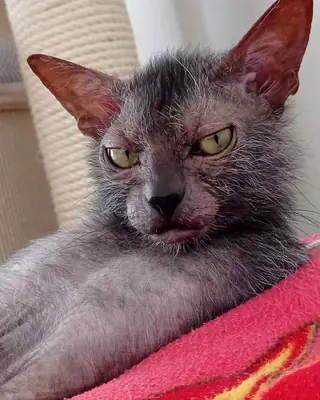
The Lykoi cat, often referred to as the 'werewolf cat', is notable for its distinctive appearance and intriguing temperament. This guide explores their unique coat, health predispositions, and what potential adopters should consider.
1. Breed Identity & Standards
The Lykoi cat, a recent addition to the feline world, originated in the United States. Developed from domestic shorthairs with a natural mutation, these cats are not genetically connected to any specific breed but are recognized for their signature appearance. Adult Lykoi cats typically weigh between 2.3 kg and 4.5 kg (5 to 10 lbs) and reach a height of 20 to 25 cm (8 to 10 inches).
Their coat is partially hairless, with a unique roan pattern giving them a 'werewolf' look. This pattern is caused by an incomplete dominance gene mutation affecting hair follicles, leading to areas with sparse hair. Lykoi cats have a life expectancy of 10 to 15 years. While they might resemble Sphynx cats due to some hairlessness, they are genetically distinct.
| Trait | Typical value | Why it matters |
|---|---|---|
| Origin | United States | Developed through natural mutation from domestic cats. |
| Weight | 2.3-4.5 kg | Ideal for tracking growth and health. |
| Coat | Partial hairless, roan | Unique appearance, requires special grooming attention. |
| Lifespan | 10-15 years | Provides insight into long-term care and commitment. |
2. Temperament & Instincts
Lykoi cats possess a temperament as unique as their appearance. They are known for their playful yet cautious nature, which can be traced back to their origins as domestic shorthairs. These cats often exhibit a strong prey drive, making interactive play with toys an essential part of their daily routine. They enjoy exploring and may sometimes appear aloof, but they are generally affectionate once they form a bond with their human companions.
Despite their wild looks, Lykoi cats are not more aggressive than other breeds. They are curious and intelligent, often engaging in problem-solving activities. Their vocalization level is moderate, and they tend to communicate through body language and soft meows. This makes them suitable for households that appreciate a quieter feline presence.
3. Daily Activity / Enrichment Needs by Life Stage
Ensuring proper mental and physical stimulation is crucial for Lykoi cats. Their inquisitive nature benefits from structured play and exploration opportunities.
| Life Stage | Target | Notes |
|---|---|---|
| Kitten | 30-45 minutes daily | Focus on interactive toys and basic training. |
| Adult | 45-60 minutes daily | Incorporate varied play and environmental enrichment. |
| Senior | 20-30 minutes daily | Gentle play to maintain mobility and mental activity. |
4. Purchase/Adoption Price Framework
The cost of acquiring a Lykoi can vary widely, reflecting factors such as breeder reputation and geographical location. Here is a general framework in USD and GBP.
| Purchase Type | Cost Range (USD) | Cost Range (GBP) |
|---|---|---|
| Breeder (Pet Quality) | $1,500 - $2,500+ | £1,200 - £2,000+ |
| Breeder (Show Quality) | $2,500 - $3,500+ | £2,000 - £2,800+ |
| Rescue/Adoption | $100 - $300 | £80 - £240 |
5. First-Year Setup + Monthly Running Cost
Owning a Lykoi involves various initial and recurring costs. Below is an overview of expected expenses in the first year.
| Item | Cost (USD) | Cost (GBP) |
|---|---|---|
| Initial Vet Check & Vaccinations | $200 - $400 | £160 - £320 |
| Spaying/Neutering | $150 - $300 | £120 - £240 |
| Litter Box & Supplies | $50 - $100 | £40 - £80 |
| Scratching Posts & Toys | $75 - $150 | £60 - £120 |
| Monthly Food & Litter | $30 - $50 | £25 - £40 |
| Total First-Year Cost | $1,000 - $1,800 | £800 - £1,440 |
6. Nutrition by Life Stage
Proper nutrition is key to maintaining the health and vitality of a Lykoi cat throughout its life.
| Life Stage | Dietary Needs | Notes |
|---|---|---|
| Kitten | High protein, high calorie | Supports rapid growth and development. |
| Adult | Balanced diet with balanced protein and fats | Maintain healthy weight and muscle mass. |
| Senior | Lower calorie, joint support | Focus on joint health and reduced caloric intake. |
7. Grooming / Coat & Hygiene Care
Despite their partial hairlessness, Lykoi cats require regular grooming to manage their unique coat. Their roan fur can shed significantly, and regular brushing helps keep shedding under control. Bathing may be required more often than with fully-coated breeds to prevent oil buildup on their skin. Additionally, regular nail trimming and dental care are essential to maintain overall health.
Owners should be aware that their sparse coat does not protect them well against cold weather, necessitating a warm indoor environment during colder months. Regular checks and cleanings of their ears and eyes are also recommended to prevent infections.
8. Health
The Lykoi breed is generally healthy but can be predisposed to certain conditions. Potential adopters should inquire about genetic testing and health screenings from breeders or shelters. Regular veterinary check-ups are crucial to maintaining health and preventing disease.
- Skin Conditions: Due to their unique coat, Lykoi cats may be prone to skin issues if not groomed properly.
- Dental Disease: Regular dental hygiene is essential to prevent periodontal disease.
- Heart Disease: Potential risk of hypertrophic cardiomyopathy (HCM), though not breed-specific, should be screened for in routine health checks.
Veterinary care costs can range from $100 to $300 per visit, depending on the services required.
9. Training / Behaviour Priorities
Lykoi cats benefit greatly from early socialization and positive reinforcement training. Encouraging good litter habits and providing scratching alternatives are essential. These cats are intelligent and benefit from interactive puzzle toys and problem-solving games that stimulate their minds.
Being naturally curious, Lykoi cats should be trained to respond to their name and come when called, which can enhance safety and owner-cat interaction. Training sessions should be short, engaging, and consistent to maintain their interest.
10. Home Environment Fit
Lykoi cats are adaptable and can thrive in various home environments, including apartments and houses. However, their social nature means they do best in homes where they receive regular interaction and mental stimulation. While they generally get along with other pets, introductions should be managed carefully to ensure harmonious relationships.
These cats enjoy having both vertical and horizontal spaces to explore, so providing cat trees and shelves can enhance their living environment. Due to their partial hairlessness, Lykoi cats are more comfortable in warm environments and should be kept indoors to prevent exposure to extreme temperatures.
11. Lifestyle Fit Matrix
| Lifestyle | Fit Verdict | Reason |
|---|---|---|
| Busy Professional | Moderate Fit | Requires playtime but can be alone for part of the day. |
| Family with Children | Good Fit | Adaptable and enjoys interactive play with kids. |
| Senior Citizen | Good Fit | Affectionate but not overly demanding in energy needs. |
| Multi-Pet Household | Good Fit | Generally gets along with other pets with proper introduction. |
| Frequent Traveler | Poor Fit | Prefers consistent companionship and stability. |
12. Breeder / Shelter / Adoption Checklist
- Ensure the breeder or shelter provides a health certificate and up-to-date vaccination records.
- Inquire about genetic testing for common conditions such as HCM.
- Ask to meet the kitten's parents to observe temperament and overall health.
- Verify the kitten has been socialized with humans and other animals.
- Confirm the Lykoi's unique coat traits to ensure authenticity.
- Request references or reviews from previous adopters.
13. FAQ
Does the Lykoi cat shed a lot?
Yes, despite their sparse fur, Lykoi cats can shed significantly. Regular grooming can help manage shedding and maintain the health of their unique coat.
Are Lykoi cats good with children?
Lykoi cats are generally good with children. Their playful and curious nature makes them engaging companions for kids, though supervised interaction is recommended to ensure gentle handling.
What health screenings are recommended for Lykoi cats?
Potential owners should inquire about screenings for hypertrophic cardiomyopathy (HCM) and ensure regular dental check-ups. Veterinary consultations can provide a comprehensive health assessment.
What is the average lifespan of a Lykoi cat?
The average lifespan of a Lykoi cat is typically between 10 to 15 years, with proper care and regular veterinary check-ups contributing to a long, healthy life.
Can Lykoi cats live with other pets?
Lykoi cats can coexist with other pets when properly introduced. They are generally sociable with other cats and dogs, but careful management of initial interactions is essential.
14. 2026 Note & Adoption Verdict
As awareness of the Lykoi breed grows, 2026 sees a continued interest in their unique appearance and engaging personalities. However, potential adopters must be prepared for the distinctive grooming and environmental needs these cats require.
Who should adopt a Lykoi: Those who appreciate their unusual appearance and have the time to engage with a playful, intelligent cat.
Who should not adopt a Lykoi: Individuals seeking a low-maintenance pet or who cannot provide the warm indoor environment they need.