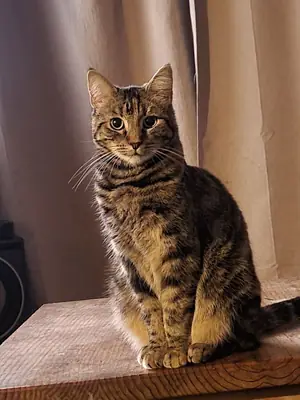
Manx Cats 2026: Temperament, Health, and Costs for First-Time Owners
The Manx cat is renowned for its distinctive taillessness and playful demeanor. These cats hail from the Isle of Man and are known for their robust health and unique appearance. In this comprehensive guide, we explore the breed's characteristics, care needs, and what potential owners should know before adopting.
1. Breed Identity & Standards
The Manx cat originates from the Isle of Man, located between Great Britain and Ireland. This breed is best known for its lack of a tail, although some Manx cats have a short tail or even a full tail. They are medium-sized cats, typically weighing between 8–12 pounds (3.6–5.4 kg). The coat can be short or long, with a variety of colors and patterns, including tabby, solid, and calico.
The lifespan of a Manx cat averages 12–14 years, though with proper care, they can live even longer. They are often confused with the Japanese Bobtail, another breed with a short tail, but the Manx has a rounder body and a different tail structure. Their compact and solid build is characteristic of a breed historically adapted to rugged island life.
| Trait | Typical Value | Why it Matters |
|---|---|---|
| Origin | Isle of Man | Unique island adaptations |
| Average Weight | 8–12 pounds (3.6–5.4 kg) | Medium size with a solid build |
| Coat Varieties | Short and long, various colors | Diverse appearances |
| Lifespan | 12–14 years | Longevity with proper care |
2. Temperament & Instincts
Manx cats are known for their playful and affectionate nature. Historically, they were adept hunters, a trait that has persisted into modern times. This makes them active and engaging companions who enjoy interactive play. Their intelligence is notable, and they often seek out mental stimulation.
Their social nature means they typically get along well with other pets and children. However, they can also exhibit a strong independent streak, reflecting their island heritage. While not overly vocal, they communicate effectively through body language and occasional chirps and trills, making them charming housemates.
3. Daily Activity / Enrichment Needs by Life Stage
Manx cats require regular mental and physical stimulation to maintain their health and happiness. Their activity needs can vary significantly with age.
| Life Stage | Target | Notes |
|---|---|---|
| Kitten | 60 minutes daily | Interactive play and exploration |
| Adult | 30–45 minutes daily | Challenging toys and puzzles |
| Senior | 15–30 minutes daily | Gentle play and mental engagement |
4. Purchase/Adoption Price Framework
The cost of acquiring a Manx cat can vary based on factors such as pedigree, age, and source. It's important for potential owners to consider both the initial cost and the ongoing expenses of owning a cat.
| Source | Price Range (USD) | Notes |
|---|---|---|
| Breeder | $400–$1,500+ | Pedigree and health-tested lines |
| Rescue/Shelter | $75–$150 | Includes initial vetting |
5. First-Year Setup + Monthly Running Cost
Owning a Manx cat involves initial setup costs and ongoing monthly expenses. It's crucial for potential owners to budget for these costs to ensure the well-being of their pet.
| Expense | Cost (USD) | Notes |
|---|---|---|
| Neuter/Spay | $100–$300 | One-time cost |
| Vaccinations | $75–$150 | Annual boosters required |
| Microchip | $25–$50 | One-time cost for identification |
| Litter Box & Supplies | $100–$200 annually | Includes litter and cleaning supplies |
| Food | $20–$40 monthly | Quality diet for health maintenance |
| Annual Total | $500–$1,000 | Varies with lifestyle choices |
6. Nutrition by Life Stage
Proper nutrition is essential for the health and longevity of a Manx cat. Their dietary needs change as they age, requiring adjustments to their feeding regimen.
| Life Stage | Dietary Needs | Notes |
|---|---|---|
| Kitten | High protein, DHA | Supports growth and brain development |
| Adult | Balanced diet with taurine | Maintains health and energy |
| Senior | Lower calories, joint support | Addresses aging-related changes |
7. Grooming / Coat & Hygiene Care
Manx cats are relatively low-maintenance in terms of grooming, but regular care is still essential to keep them healthy and comfortable. They shed moderately, so weekly brushing is recommended to reduce shedding and prevent hairballs, especially in long-haired varieties.
Nail trimming should be done every few weeks to prevent overgrowth and associated issues. Dental hygiene is also crucial, as it helps prevent periodontal disease. Regular checkups with a veterinarian will help ensure that dental and overall health are maintained.
8. Health
Manx cats are generally healthy, but they can be predisposed to certain genetic conditions. One of the most notable is Manx Syndrome, a spinal defect resulting from the gene that causes taillessness. Ethical breeders will screen for this and other conditions to minimize risk.
- Manx Syndrome: A spinal cord defect common in tailless varieties.
- Arthritis: Can occur due to abnormal spine development.
- Corneal Dystrophy: Affects the eyes, leading to vision problems.
Regular veterinary checkups are essential to monitor for these conditions and others. Potential owners should budget for routine vet visits and be prepared for possible health issues.
9. Training / Behaviour Priorities
Training a Manx cat involves focusing on litter habits and socialization. They are intelligent and can learn quickly, making them responsive to positive reinforcement methods. Encouraging proper scratching behavior by providing scratching posts is essential to protect home furnishings.
Socialization from a young age will help them become well-adjusted adults. Given their playful nature, providing a variety of toys and interactive playtime is crucial to keep them mentally stimulated and happy.
10. Home Environment Fit
Manx cats can adapt to various living environments, whether it's an apartment or a house. They do well indoors and do not require access to outdoors, making them suitable for urban settings. Their sociable nature means they typically coexist peacefully with other pets and children.
However, it's important to provide ample space for play and exploration. High perches and window views can enrich their indoor life. Owners should be mindful of their potential for high energy and playfulness, ensuring their home environment is safe and stimulating.
11. Lifestyle Fit Matrix
| Lifestyle | Fit Verdict | Reason |
|---|---|---|
| Apartment Living | Good Fit | Adaptable to indoor environments |
| Families with Children | Excellent Fit | Playful and sociable |
| Single Owners | Good Fit | Affectionate and independent |
| Multiple Pet Households | Good Fit | Coexists well with other animals |
| Frequent Travelers | Poor Fit | Requires regular companionship |
12. Breeder / Shelter / Adoption Checklist
- Confirm the cat is a true Manx with the desired tail type.
- Request health screenings for Manx Syndrome and other genetic issues.
- Ensure vaccinations are up to date.
- Inquire about socialization history and temperament.
- Verify spay/neuter status or future plans.
- Ask for a trial adoption period to assess fit.
13. FAQ
Do Manx cats shed a lot?
Manx cats shed moderately, similar to other cat breeds. Regular grooming, especially for long-haired varieties, can help manage shedding and reduce hairballs. Weekly brushing is typically sufficient for maintaining their coat's health and appearance.
What is Manx Syndrome?
Manx Syndrome is a genetic condition affecting the spine and sometimes the nerves. It is associated with the Manx gene responsible for their taillessness. Symptoms can include bowel or urinary incontinence and hind limb paralysis. Ethical breeders screen for this condition to reduce its incidence.
Are Manx cats good with children?
Yes, Manx cats are typically excellent with children. Their playful and gentle nature makes them suitable companions for kids. They enjoy interactive play and can form strong bonds with family members, making them great pets for households with children.
How long do Manx cats live?
The average lifespan of a Manx cat is 12–14 years, though with proper care, they can live longer. Regular veterinary checkups, a balanced diet, and a stimulating environment contribute to their longevity and quality of life.
14. Closing Verdict
Manx cats are a unique and charming breed, well-suited to a variety of living situations. They make excellent companions for families, singles, and those living in apartments. However, they do require regular interaction and mental stimulation, so they may not be the best fit for individuals who travel frequently or are away from home for extended periods. Proper care and attention to their health needs will ensure that they remain a delightful addition to any household.