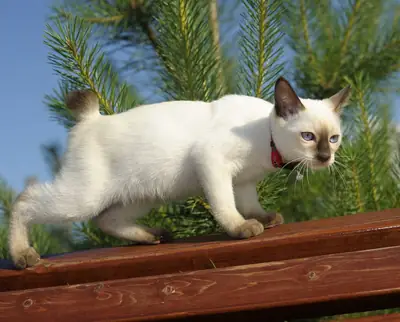
Mekong Bobtail 2026: Temperament, Pricing, and Health Insights
The Mekong Bobtail is a distinctive breed recognized for its short, kinked tail and strikingly social nature. Originating from Southeast Asia, this breed combines a unique appearance with a playful temperament, making it an intriguing choice for cat enthusiasts.
1. Breed Identity & Standards
The Mekong Bobtail hails from Southeast Asia, particularly around the Mekong River, which explains its evocative name. This breed is known for its medium-sized, muscular body, and distinctive bobbed tail, which can vary in length but typically measures around 3 to 8 cm. The coat is short and silky, often coming in a variety of color points akin to the Siamese, such as seal, blue, chocolate, and lilac. The average lifespan of a Mekong Bobtail is approximately 12 to 16 years, reflecting its generally robust health.
While the Mekong Bobtail is sometimes confused with the Japanese Bobtail or the Siamese due to its pointed coloration and similar tail structure, its unique origins and specific breed standards set it apart. This breed's standards highlight its friendly nature and distinctive appearance, making it a sought-after pet for those interested in unique feline companions.
| Trait | Typical Value | Why it Matters |
|---|---|---|
| Origin | Southeast Asia | Reflects its unique cultural heritage |
| Size | Medium | Suitable for most living spaces |
| Coat | Short, silky | Low maintenance grooming |
| Tail | 3 to 8 cm bobbed | Unique to the breed |
| Lifespan | 12-16 years | Long-term companion |
2. Temperament & Instincts
The Mekong Bobtail is renowned for its friendly and sociable nature, often forming strong bonds with its human companions. This breed is playful and interactive, enjoying games and activities that engage both its body and mind. Due to its historical role as a companion in Southeast Asian palaces, the Mekong Bobtail exhibits a calm yet curious demeanor, making it an ideal pet for families and individuals alike.
While they are generally not as vocal as the Siamese, Mekong Bobtails communicate effectively with their owners through a range of soft chirps and purrs. They tend to adapt well to indoor environments, provided they receive adequate mental stimulation and physical activity. Their inherent social nature means they can often get along well with other pets, including dogs, when introduced properly.
3. Daily Activity / Enrichment Needs by Life Stage
While Mekong Bobtails are adaptable, they thrive in environments where their need for interaction and stimulation is met. Here’s a guide to their activity needs across different life stages:
| Life Stage | Target | Notes |
|---|---|---|
| Kitten | 2-3 hours of play | High energy levels; interactive toys are ideal |
| Adult | 1-2 hours of play | Maintain engagement with interactive play |
| Senior | 0.5-1 hour of gentle play | Focus on mental stimulation and gentle activities |
4. Purchase/Adoption Price Framework
The price of acquiring a Mekong Bobtail can vary significantly based on factors such as location, breeder reputation, and whether the cat is a pedigree or mixed breed. Here is a general framework:
| Source | Price Range (USD) | Notes |
|---|---|---|
| Reputable Breeder | $500 - $1,200+ | Health-tested, pedigree lines |
| Rescue or Shelter | $50 - $150 | Adoption fees often include initial vet checks |
| Online/Marketplace | $300 - $800 | Varies widely; verify seller credentials |
5. First-Year Setup + Monthly Running Cost
Owning a Mekong Bobtail involves both initial setup costs and ongoing monthly expenses. Here’s what a prospective owner might expect:
| Item | Cost Range (USD) | Notes |
|---|---|---|
| Neutering/Spaying | $100 - $300 | One-time cost |
| Vaccinations | $75 - $150 | Initial and booster shots |
| Microchip | $25 - $50 | One-time cost |
| Litter Box & Supplies | $50 - $100 | Includes litter for initial months |
| Monthly Food & Litter | $30 - $70 | Ongoing monthly expenses |
| Annual Veterinary Check-ups | $100 - $200 | Preventive healthcare |
Total First-Year Cost Range: $500 - $1,000+
6. Nutrition by Life Stage
Proper nutrition is crucial for the Mekong Bobtail at every stage of life. Here’s a guideline to ensure their dietary needs are met:
| Life Stage | Dietary Needs | Notes |
|---|---|---|
| Kitten | High protein, specific kitten formula | Supports growth and development |
| Adult | Balanced diet with quality proteins | Maintains health and energy |
| Senior | Lower calorie, joint support | Prevents obesity and supports aging joints |
7. Grooming / Coat & Hygiene Care
The Mekong Bobtail’s short, silky coat requires relatively low maintenance. Regular weekly brushing will help remove loose hairs and reduce shedding. This routine also helps prevent hairballs, a common concern for cats with this type of coat. Additionally, routine dental care is important; brushing their teeth regularly can prevent periodontal disease, a common issue in many cat breeds. Nail trimming every few weeks will keep their claws at a healthy length and prevent damage to furniture or accidental scratches during play.
8. Health
Overall, the Mekong Bobtail is a healthy breed but like all cats, they can be prone to certain health issues. Prospective owners should be aware of these potential conditions and ensure regular veterinary care.
- Hypertrophic Cardiomyopathy (HCM): A common heart disease in cats that can be screened for by a veterinarian.
- Dental Disease: Regular dental care is essential to prevent this common issue.
- Obesity: Maintaining a balanced diet and regular exercise are crucial to prevent weight-related issues.
Veterinary costs can vary, but routine annual check-ups typically range from $100 to $200 USD, with additional costs for specific screenings or treatments.
9. Training / Behaviour Priorities
While cats are often considered independent creatures, the Mekong Bobtail benefits from certain behavioral guidance to ensure a harmonious household. Litter box training is usually straightforward with this breed, as they are naturally clean animals. It’s important to provide suitable scratching posts to deter them from using furniture. Socialization with humans and other pets can also be beneficial, particularly if they are to share a home with other animals. Encourage interaction with a variety of toys to keep their minds stimulated and prevent boredom.
10. Home Environment Fit
Mekong Bobtails are adaptable to various living situations, whether in an apartment or a larger home. They do not require outdoor access but appreciate safe, supervised outdoor experiences if possible. They are generally good with children and can coexist with other pets, making them a versatile choice for families. However, it is essential to ensure that introductions are managed carefully to ensure a peaceful cohabitation.
11. Lifestyle Fit Matrix
| Lifestyle | Fit Verdict | Reason |
|---|---|---|
| Single, Busy Professional | Good | Independent yet social, low maintenance |
| Family with Children | Excellent | Friendly and playful |
| Senior Citizen | Good | Calm and affectionate |
| Other Pets in Home | Good | Adaptable with proper introductions |
12. Breeder / Shelter / Adoption Checklist
- Confirm the source is reputable; ask for references from previous adopters.
- Request health screenings for common genetic conditions like HCM.
- Ensure vaccinations are up to date.
- Ask about the cat's socialization and exposure to different environments.
- Check the living conditions at the breeder's or shelter's facility.
- Discuss any previous medical treatments or surgeries the cat may have had.
13. FAQ
How much does a Mekong Bobtail cost?
The cost of a Mekong Bobtail can range from $50 to $1,200 or more, depending on whether you adopt from a shelter or purchase from a breeder. Pedigree cats with health clearances tend to be at the higher end of this range.
Are Mekong Bobtails good with children?
Yes, Mekong Bobtails generally have a friendly and playful nature, making them well-suited to homes with children. Their social disposition allows them to bond well with younger family members.
Do Mekong Bobtails shed a lot?
The Mekong Bobtail has a short, silky coat that sheds minimally. Regular brushing can help manage shedding and maintain their coat's health and appearance.
What health issues are common in Mekong Bobtails?
Mekong Bobtails are generally healthy, but they can be prone to conditions like hypertrophic cardiomyopathy and dental disease. Regular veterinary check-ups can help manage these risks effectively.
14. 2026 Note & Verdict
As of 2026, demand for unique and sociable cat breeds like the Mekong Bobtail continues to grow. This breed's balance of independence and affection makes it ideal for a variety of households. However, prospective owners should be prepared to engage them with interactive play and provide regular health check-ups to ensure a long, healthy life.
In conclusion, the Mekong Bobtail is a wonderful choice for those seeking a loyal and engaging feline companion. They fit well into families, singles with a busy lifestyle, and homes with other pets, provided introductions are managed properly. Those who prioritize a playful yet low-maintenance pet will find the Mekong Bobtail an excellent addition to their home.