Minskin 2026: Temperament, Health Insights, and Adoption Costs
The Minskin is a unique cat breed known for its distinctively short legs and sparse coat. With its origins in the early 2000s, it boasts a playful temperament and some specific health considerations. This guide delves into what makes the Minskin special, from its physical characteristics to its ideal home environment.
1. Breed identity & standards
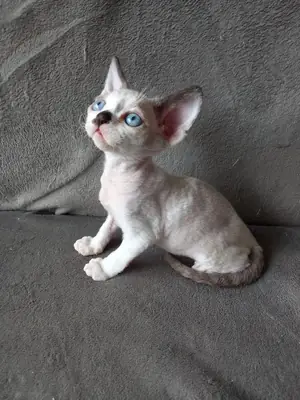
The Minskin is a relatively new breed, developed in Boston, USA, by crossing the Munchkin and the Sphynx breeds, among others. This breed is characterized by its small stature, short legs, and partially hairless body, making it quite distinctive in the feline world. A typical Minskin weighs between 2.3 to 4.5 kg (5 to 10 lbs) and stands about 19 to 23 cm (7.5 to 9 inches) tall at the shoulder.
The Minskin's coat can range from almost completely hairless to having a sparse layer of fur, often described as a "cashmere" texture. The breed's lifespan typically ranges from 12 to 15 years, provided they are well cared for. Due to their unique appearance, they are sometimes confused with the Bambino cat, which also features a similar hairless trait and short legs.
| Trait | Typical Value | Why it Matters |
|---|---|---|
| Origin | USA | Understanding breed origins can help predict behavior and health. |
| Weight | 2.3 to 4.5 kg | Compact size makes them suitable for apartments. |
| Coat | Sparse to hairless | Requires specific grooming and skin care. |
| Lifespan | 12 to 15 years | Long-term commitment for potential owners. |
2. Temperament & instincts
The Minskin is known for its playful and affectionate nature, often described as a "people-oriented" cat. This breed enjoys interacting with humans and tends to follow their owners around the house, making them excellent companions for those who seek an engaging pet. Their history of being bred from social breeds like the Sphynx contributes to their outgoing and friendly demeanor.
Despite their small size, Minskins are quite active and enjoy engaging in playful activities. They have a moderate energy level and can often be found exploring their environment or engaging in interactive play. While they are generally not vocal, they can express themselves through a variety of chirps and trills, adding to their charm.
3. Daily activity / enrichment needs by life stage
Minskins require regular enrichment activities throughout their lives to stay healthy and happy. Their curious nature makes them eager participants in interactive play, and they benefit greatly from toys that stimulate them mentally and physically.
| Life Stage | Target | Notes |
|---|---|---|
| Kitten | 30-45 minutes daily | Use a variety of toys to keep kittens engaged. |
| Adult | 20-30 minutes daily | Interactive play helps prevent obesity and boredom. |
| Senior | 15-20 minutes daily | Gentle play supports joint health and mobility. |
4. Purchase/adoption price framework
The cost of acquiring a Minskin can vary widely based on factors like the breeder's reputation, the cat's lineage, and whether the kitten is pedigreed. Prices can range significantly, reflecting the breed's rarity and specialized breeding.
| Source | Price Range (USD) | Notes |
|---|---|---|
| Breeder | $1,500 - $3,500+ | Higher prices for show-quality or rare colors. |
| Rescue/Adoption | $75 - $150 | Adoption fees often include vaccinations and spaying/neutering. |
5. First-year setup + monthly running cost
Owning a Minskin involves initial setup costs, as well as ongoing expenses for food, healthcare, and enrichment. The first year is typically the most expensive due to setup costs.
| Item | Cost (USD) | Notes |
|---|---|---|
| Initial Setup | $500 - $1,000 | Includes litter boxes, scratching posts, and toys. |
| Monthly Food | $20 - $30 | Quality cat food to support health. |
| Vet Visits | $100 - $200 annually | Includes routine check-ups and vaccinations. |
| Annual Total | $1,000 - $1,500 | Varies based on individual needs and emergencies. |
6. Nutrition by life stage
Minskins have specific dietary needs at different life stages to support their health and growth. High-quality cat food is essential for maintaining their energy levels and skin condition.
| Life Stage | Diet | Notes |
|---|---|---|
| Kitten | High-protein kitten formula | Supports growth and development. |
| Adult | Balanced adult cat diet | Avoids excessive weight gain. |
| Senior | Senior-specific diet | Supports aging joints and digestion. |
7. Grooming / coat & hygiene care
Despite their partial hairlessness, Minskins require regular grooming to maintain healthy skin. Bathing is necessary every few weeks to prevent oil buildup, which is common in hairless breeds. Regular nail trimming and dental care are also essential parts of their hygiene routine.
Their sparse coat minimizes shedding, but it does not eliminate it entirely. Owners should be prepared to clean their ears regularly, as wax buildup can occur more frequently in hairless breeds.
8. Health
While generally healthy, Minskins can be predisposed to certain conditions due to their genetic makeup. Prospective owners should be aware of these potential health issues and choose breeders who conduct appropriate health screenings.
- Hypertrophic Cardiomyopathy (HCM): A heart condition that can be screened for in breeding cats.
- Lordosis: A spinal condition seen in some Munchkin descendants.
- Skin Infections: Due to their hairless nature, regular bathing is crucial to prevent issues.
Routine veterinary visits are vital to monitor their health and manage any conditions early. Costs for treatment can vary, but owners should budget for potential health-related expenses.
9. Training / behavior priorities
Training a Minskin involves focusing on socialization and litter training from a young age. Their intelligent and curious nature means they respond well to positive reinforcement techniques. Redirecting scratching behavior to appropriate posts is also important to protect furniture.
Socialization is crucial, especially if they are to live with other pets or children. Gradually exposing them to various environments and situations helps foster a well-rounded and confident cat.
10. Home environment fit
The compact size and friendly nature of the Minskin make them well-suited for apartment living. They thrive in environments where they receive plenty of attention and have access to interactive play. Minskins generally do well with children and other pets, provided they are introduced gradually and respectfully.
Due to their curiosity and playfulness, a secure indoor environment with plenty of vertical space, such as cat trees, is ideal. This setup allows them to explore and exercise safely.
11. Lifestyle fit matrix
| Lifestyle | Fit Verdict | Reason |
|---|---|---|
| Busy professional | Moderate | Requires interaction but can adapt if enriched. |
| Family with children | High | Playful nature makes them great with kids. |
| Single apartment dweller | High | Compact size and sociability are ideal for apartments. |
| Senior citizens | Moderate | Low maintenance but needs regular play. |
12. Breeder / shelter / adoption checklist
- Verify breeder's references and reputation.
- Ensure kittens are socialized from a young age.
- Request health screenings for HCM.
- Check vaccination and deworming records.
- Confirm adoption policies and post-adoption support.
- Visit the cattery or shelter to assess conditions.
13. FAQ
Do Minskins shed?
Minskins have minimal shedding due to their sparse coat, but they are not entirely shed-free. Regular grooming and bathing help control any shedding and maintain healthy skin.
What is the lifespan of a Minskin?
Minskins typically live between 12 to 15 years. Proper care, including regular veterinary visits and a healthy diet, can contribute to a longer and healthier life.
Are Minskins good with other pets?
Minskins are generally sociable and can get along well with other pets if introduced properly. Early socialization and gradual introductions are key to successful cohabitation.
What health issues are common in Minskins?
Minskins can be prone to hypertrophic cardiomyopathy (HCM), lordosis, and skin infections. Regular veterinary check-ups and early screening can help manage these potential issues.
14. Final thoughts
Choosing a Minskin as a pet involves understanding their unique needs and characteristics. They are well-suited for those looking for a playful and affectionate companion, especially in smaller living spaces. However, potential owners should be prepared for their grooming needs and possible health concerns. With the right care, Minskins can be a delightful addition to many households.