Munchkin Cats in 2026: Temperament, Health, and Adoption Costs Unveiled
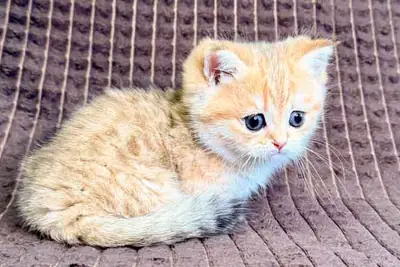
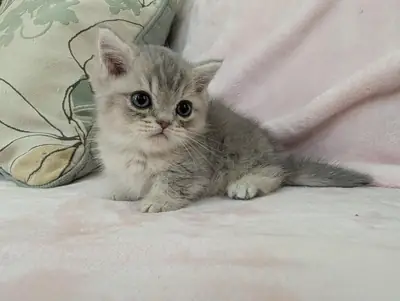
The Munchkin cat, known for its distinctive short legs, is a playful and curious breed that captivates many feline enthusiasts. Despite their unique appearance, Munchkins can be prone to certain hereditary health conditions, making informed adoption decisions crucial. This guide offers a comprehensive look at their characteristics, health needs, and what to expect financially and behaviorally.
1. Breed identity & standards
The Munchkin cat, originating in the United States in the 1980s, is easily recognized by its short legs, a result of a genetic mutation. This medium-sized cat typically weighs between 5 to 9 pounds (2.3 to 4.1 kg) and stands about 6 to 9 inches (15 to 23 cm) tall. The breed's coat can vary widely, with both longhair and shorthair varieties, and comes in a plethora of colors and patterns. Munchkins typically have a lifespan of 12 to 15 years when well cared for.
| Trait | Typical Value | Why it Matters |
|---|---|---|
| Origin | United States | Understanding origin helps in knowing the breed's background and development. |
| Weight | 5-9 lbs (2.3-4.1 kg) | Helps determine appropriate diet and care needs. |
| Coat Variety | Longhair/Shorthair | Influences grooming requirements. |
| Lifespan | 12-15 years | Provides insight into long-term commitment. |
2. Temperament & instincts
Munchkin cats are renowned for their playful and curious nature, often likened to kittens throughout their lives. Their short stature does not hinder their agility and desire to explore; they are known to dash around the home with surprising speed and grace. While they enjoy play and interaction, they are also content to bask in a sunny spot, making them adaptable to various living situations.
The breed's history of spontaneous genetic mutation has not curtailed their social instincts. Munchkins generally exhibit a friendly disposition, getting along well with children and other pets. However, their inquisitive nature means they might need some supervision around fragile items, as their curiosity often leads them into mischief.
3. Daily activity / enrichment needs by life stage
Keeping a Munchkin cat mentally stimulated and physically active is crucial for its well-being. While they may not require as much exercise as some high-energy breeds, engaging them with interactive play is essential.
| Life Stage | Target | Notes |
|---|---|---|
| Kitten | 30-45 minutes/day | Mix of play and exploration to develop motor skills. |
| Adult | 20-30 minutes/day | Interactive toys and moderate play to maintain health. |
| Senior | 15-20 minutes/day | Gentle play to keep joints active and mind engaged. |
4. Purchase/adoption price framework
The cost of acquiring a Munchkin cat can vary significantly depending on the source. Registered breeders tend to charge more for pedigreed kittens, particularly those with documented health screenings.
| Source | Price Range (USD) | Notes |
|---|---|---|
| Breeder | $1,000 - $2,500+ | Higher cost for pedigree and health-tested lines. |
| Rescue/Adoption | $75 - $200 | Lower cost, often includes basic vet care. |
5. First-year setup + monthly running cost
The initial setup and ongoing costs for a Munchkin should be carefully considered. New owners should budget for both immediate necessities and regular maintenance.
| Item | Cost (USD) | Details |
|---|---|---|
| Neuter/Spay | $100 - $300 | Recommended for health and behavioral benefits. |
| Initial Vaccines | $75 - $150 | Essential for disease prevention. |
| Microchip | $25 - $50 | For identification and safety. |
| Litter Box & Supplies | $50 - $100 | Includes box, scoop, and initial litter. |
| Scratching Post | $20 - $75 | Helps prevent destructive scratching. |
| Yearly Total | $800 - $1,500 | Includes food, vet visits, and routine care. |
6. Nutrition by life stage
Proper nutrition is key to a Munchkin's health. Their diet should be tailored to their age, activity level, and health status.
| Life Stage | Diet Type | Notes |
|---|---|---|
| Kitten | High-protein kitten food | Supports growth and energy needs. |
| Adult | Balanced adult cat food | Maintains weight and energy. |
| Senior | Senior formula | Lower calorie, joint support. |
7. Grooming / coat & hygiene care
Munchkin cats have varied grooming needs depending on their coat type. Shorthair Munchkins typically require less grooming than their longhair counterparts, but regular brushing helps reduce shedding and prevent hairballs. Longhair Munchkins should be brushed several times a week to keep their coat free of tangles and mats.
Regardless of coat length, regular nail trimming and dental care are essential. Dental hygiene often involves either brushing their teeth or providing dental treats to prevent periodontal disease. Owners should also check and clean their ears regularly to prevent infections.
8. Health
Munchkin cats, like any breed with a distinct physical trait, have some health concerns to be aware of. While their shortened legs do not generally cause issues, there are potential hereditary conditions that prospective owners should consider.
- Lordosis: A condition where the spine curves downwards, potentially causing breathing issues.
- Pectus Excavatum: A deformity of the chest wall that can affect respiratory function.
- Obesity: Due to their shorter legs, Munchkins may have a predisposition to obesity, which can exacerbate other health issues.
Regular veterinary check-ups are essential for early detection and management of these conditions. Costs for routine vet visits and potential treatments can vary, but budgeting around $100 - $300 annually for routine care is advisable.
9. Training / behavior priorities
While Munchkins are generally easygoing, training is essential to help them adapt to their environment and develop good habits. Litter training is usually straightforward, but it is important to provide a clean and accessible litter box. Redirecting scratching behavior to designated posts can help protect furniture.
Socialization is also key. Introducing them to a variety of people, pets, and environments can help reduce anxiety and ensure they grow into well-adjusted adults. Using positive reinforcement techniques, such as treats and affection, can be particularly effective.
10. Home environment fit
The Munchkin's adaptable and sociable nature makes them suitable for both apartments and larger homes. While they enjoy exploring and playing, they do not require vast spaces, making them an excellent choice for city dwellers.
Munchkins typically get along well with children and other pets, provided proper introductions are made. However, it's crucial to ensure that young children understand how to interact gently with these smaller cats to prevent accidental injuries.
11. Lifestyle fit matrix
| Lifestyle | Fit Verdict | Reason |
|---|---|---|
| Active Singles | Good | Enjoys play but also independent enough for busy days. |
| Families with Children | Excellent | Friendly and enjoys interaction, provided children are gentle. |
| Senior Citizens | Excellent | Low-maintenance and affectionate. |
| Other Pets | Good | Generally gets along with other cats and dogs. |
| Apartment Living | Excellent | Adaptable to smaller spaces and enjoys indoor life. |
12. Breeder / shelter / adoption checklist
- Confirm the cat's health history and any genetic testing results.
- Meet the kitten's parents, if possible, to observe temperament.
- Ensure the cat is up-to-date on vaccinations and has been dewormed.
- Ask for documentation regarding spaying/neutering.
- Verify the breeder or shelter's reputation and visit the facility.
- Receive a written contract or adoption agreement detailing terms.
13. FAQ
Are Munchkin cats prone to health problems?
While generally healthy, Munchkins can be predisposed to conditions like lordosis and obesity. Regular vet check-ups help manage these risks.
Do Munchkin cats shed a lot?
Munchkin cats' shedding varies based on their coat type. Regular grooming helps manage shedding and reduces hairball formation.
Are Munchkin cats good for apartments?
Yes, Munchkin cats adapt well to apartment living due to their moderate activity needs and friendly nature. They thrive in smaller spaces with proper enrichment.
Do Munchkin cats get along with dogs?
With proper introductions, Munchkin cats typically get along well with dogs. Their social nature often makes them compatible with other pets.
What should I feed my Munchkin cat?
Feed your Munchkin a balanced diet appropriate for their life stage. Consult a veterinarian for specific dietary recommendations based on your cat's health and activity level.
14. 2026 note and closing verdict
As of 2026, the Munchkin cat remains a popular choice for those seeking a playful and affectionate companion. However, potential adopters should be mindful of the breed's health considerations and be prepared for the financial commitment involved in providing them a healthy, happy life.
Who should adopt a Munchkin cat? If you are looking for a sociable and playful pet that is good with families and adapts well to different living environments, the Munchkin cat could be a perfect match. Avoid adopting if you are not prepared to meet their specific health needs and grooming requirements.