Napoleon Cat Guide 2026: Temperament, Costs, Health Insights
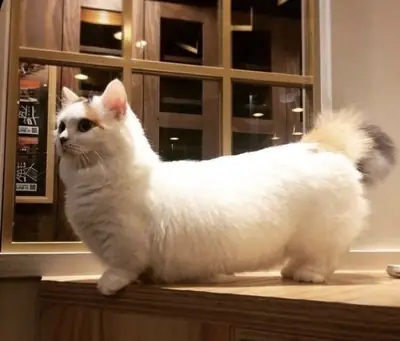
The Napoleon cat, known for its distinctive short legs and charming personality, offers a unique combination of Persian and Munchkin traits. Prospective owners will appreciate their manageable size and affectionate nature, but should also be aware of potential health considerations unique to this breed.
1. Breed Identity & Standards
The Napoleon cat, also referred to as the Minuet, is a hybrid breed that combines the characteristics of the Persian and the Munchkin. Originating in the United States, this breed was developed in the early 2000s to create a cat with a Persian's facial features and a Munchkin's short legs. Typically, Napoleons weigh between 2.3 to 4.5 kg (5 to 10 lbs) and stand about 20 to 25 cm (8 to 10 inches) tall. They exhibit a variety of coat colors and patterns, with the luxurious, dense coat reminiscent of their Persian ancestry. The average lifespan of a Napoleon cat ranges from 12 to 15 years.
| Trait | Typical Value | Why it matters to an adopter |
|---|---|---|
| Origin | United States | Understanding the breed's origin can help potential owners appreciate its unique characteristics. |
| Size | 2.3-4.5 kg (5-10 lbs) | A manageable size for most living spaces. |
| Coat | Varied colors, dense | Requires regular grooming to prevent mats. |
| Lifespan | 12-15 years | Reflects the breed's overall health and longevity. |
2. Temperament & Instincts
Napoleon cats are known for their gentle and affectionate disposition. They tend to be playful, yet not overly energetic, making them excellent companions for families and individuals alike. Their Persian heritage contributes to a calm demeanor, while the Munchkin influence adds a dash of curiosity and playfulness. Despite their short legs, they are surprisingly agile and enjoy interactive play.
These cats are sociable and tend to form strong bonds with their human families. They are not typically vocal, which can be a relief for those seeking a quieter pet. However, they do appreciate attention and may follow their owners around the house, seeking interaction. Their friendly nature extends to other pets, making them a good fit for multi-pet households.
3. Daily Activity / Enrichment Needs by Life Stage
Napoleon cats thrive on play and interaction, but their exercise needs are modest compared to more active breeds. Providing them with toys and interactive play sessions will keep them healthy and happy.
| Life Stage | Target | Notes |
|---|---|---|
| Kitten | 20-30 minutes daily | Encourage exploration and gentle play to develop coordination. |
| Adult | 15-20 minutes daily | Interactive toys and moderate play keep them engaged. |
| Senior | 10-15 minutes daily | Gentle play to maintain mobility and mental stimulation. |
4. Purchase/Adoption Price Framework
The cost of acquiring a Napoleon cat can vary widely based on factors such as pedigree, breeder reputation, and location. Adopters should consider these ranges when planning their budget.
| Source | Price Range (USD) | Notes |
|---|---|---|
| Breeder | $1,000 - $3,000+ | Higher prices for show-quality or rare colors. |
| Rescue/Adoption | $150 - $500 | Typically includes initial veterinary care. |
5. First-Year Setup + Monthly Running Cost
Owning a Napoleon cat involves initial setup costs and ongoing expenses. Understanding these can help prospective owners budget effectively.
| Item | Cost (USD) | Notes |
|---|---|---|
| Spay/Neuter | $100 - $300 | Essential for health and behavior management. |
| Vaccinations | $75 - $150 | Includes core vaccines for kittens. |
| Microchip | $25 - $50 | Important for identification and recovery. |
| Litter Box & Supplies | $50 - $100 | Includes initial setup and one month's supply. |
| Monthly Food | $20 - $40 | Quality cat food suitable for their life stage. |
| Yearly Total | $500 - $1,000+ | Depending on individual needs and preferences. |
6. Nutrition by Life Stage
Proper nutrition is crucial for the health and longevity of Napoleon cats. Their diet should be tailored to their age and activity level.
| Life Stage | Dietary Needs | Notes |
|---|---|---|
| Kitten | High protein, high calorie | Supports growth and development. |
| Adult | Balanced diet | Focus on maintaining healthy weight and coat. |
| Senior | Lower calorie, joint support | Diet adjustments to prevent obesity and support joint health. |
7. Grooming / Coat & Hygiene Care
Napoleon cats require regular grooming to maintain their coat's health and appearance. Their dense, plush coat is prone to matting if not properly cared for. Weekly brushing is recommended to remove loose hair and prevent tangles. During shedding seasons, more frequent grooming might be necessary to manage hairballs.
Regular dental care is also important to prevent periodontal disease, which is common in many cat breeds. Brushing their teeth weekly and providing dental treats can help maintain oral health. Additionally, keeping their nails trimmed and ears clean will contribute to their overall well-being.
8. Health
While Napoleon cats are generally healthy, they can be predisposed to certain hereditary conditions. Prospective owners should be aware of these potential issues and choose breeders who provide health testing and guarantees.
- Polycystic Kidney Disease (PKD): A genetic condition inherited from Persian ancestors, PKD can lead to kidney failure if not monitored.
- Hypertrophic Cardiomyopathy (HCM): This heart condition can affect cats of all breeds, including Napoleons.
- Obesity: Due to their lower activity levels, Napoleons can become overweight, leading to other health issues.
Regular veterinary check-ups and a balanced diet can help manage these risks. Veterinary costs for managing these conditions can vary, but early detection and treatment are crucial.
9. Training / Behaviour Priorities
Training a Napoleon cat involves fostering good litter habits and encouraging positive social behaviors. While they are generally easygoing, it's important to provide them with a stimulating environment to prevent boredom-related behaviors. Redirecting scratching behavior to appropriate surfaces and encouraging play can prevent damage to household items.
Socialization is also key, especially if the Napoleon cat will be living with other pets or children. Early exposure to various stimuli will help them develop into well-rounded adults.
10. Home Environment Fit
Napoleon cats are well-suited for a variety of living situations, including apartments and houses. Their small size and moderate activity level make them adaptable to indoor life, although they do appreciate safe outdoor enclosures for fresh air and exploration.
They are generally good with children and other pets, provided they are introduced properly. Their friendly nature and low vocalization make them ideal companions for quieter households, although they thrive in environments where they receive plenty of attention.
11. Lifestyle Fit Matrix
| Lifestyle | Fit Verdict | Reason |
|---|---|---|
| Single Adult | Good | A loving companion that doesn't demand constant attention. |
| Family with Children | Excellent | Friendly, playful, and tolerant of children's antics. |
| Active Outdoor Enthusiast | Fair | Prefers indoor life but enjoys occasional outdoor enclosures. |
| Senior Citizens | Excellent | Calm, low-maintenance, and affectionate nature. |
12. Breeder / Shelter / Adoption Checklist
- Check for health screenings, especially for PKD and HCM.
- Request a detailed health history of the kitten or cat.
- Visit the breeding facility or shelter to assess living conditions.
- Ensure the cat is socialized with humans and other animals.
- Verify the breeder's or shelter's reputation through reviews and references.
- Confirm the return policy in case the adoption doesn't work out.
13. FAQ
Does the Napoleon cat shed a lot?
Napoleon cats have a dense coat that does shed, particularly during seasonal changes. Regular grooming can help manage shedding and reduce hairballs.
Is the Napoleon cat good with children?
Yes, Napoleon cats are known for their friendly and tolerant nature, making them excellent companions for children. They enjoy playtime and are generally patient with kids.
What is the average lifespan of a Napoleon cat?
Napoleon cats typically live between 12 to 15 years, with proper care and regular veterinary check-ups. Their lifespan can vary based on genetics and health care.
Are Napoleon cats hard to train?
Napoleon cats are not particularly difficult to train. With consistent positive reinforcement and socialization, they learn litter habits and respond well to interactive play.
How much does it cost to own a Napoleon cat?
The initial purchase price can range from $150 for adoption to over $3,000 for a show-quality kitten. Annual costs, including food and veterinary care, can range from $500 to $1,000 depending on individual needs.
2026 Note & Closing Verdict
As of 2026, the Napoleon cat continues to capture the hearts of cat enthusiasts with its unique blend of playful and affectionate traits. This breed is well-suited for families, individuals, and seniors who appreciate a loving yet low-maintenance companion. However, potential adopters should be prepared for regular grooming and vigilant health monitoring, particularly for hereditary conditions. If you're seeking a friendly, adaptable feline friend, the Napoleon cat may be the perfect addition to your home.