Ocicat 2026: Temperament, Price, and Health Insights for Prospective Owners
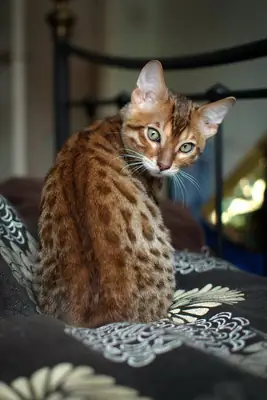
The Ocicat is a fascinating feline breed known for its striking wild appearance yet domesticated nature. With origins tracing back to a serendipitous crossbreeding, this breed boasts a distinct spotted coat and a lively, sociable temperament.
1. Breed Identity & Standards
Originating from the United States in the 1960s, the Ocicat was created unintentionally from a breeding program that involved Siamese and Abyssinian cats, later introducing American Shorthairs. The breed was named for its resemblance to the ocelot, a wild cat species, though it shares no wild ancestry. Recognized for its large, athletic build, Ocicats typically weigh between 6 to 15 pounds (2.7 to 6.8 kg) and stand about 9 to 11 inches (23 to 28 cm) tall at the shoulder.
| Trait | Typical Value | Why It Matters |
|---|---|---|
| Origin | United States | Understanding the breed's background helps appreciate its traits. |
| Size | 6-15 lbs (2.7-6.8 kg) | Medium to large size influences space and handling needs. |
| Coat | Short, spotted | Unique appearance and low grooming requirements. |
| Lifespan | 12-15 years | Average lifespan aids in planning for long-term care. |
2. Temperament & Instincts
The Ocicat is known for its energetic and sociable nature, often described as dog-like in its behavior. This breed thrives on interaction, both with humans and other pets, making it an excellent choice for families who can provide ample attention. Despite its wild appearance, the Ocicat is friendly and extroverted, often seeking out companionship rather than being solitary.
Historically influenced by the intelligent Abyssinian and the vocal Siamese, Ocicats are talkative and curious, often exploring their surroundings with vigor. They are known to easily adapt to training and can even learn to perform tricks, which reflects their high intelligence and playful instincts. However, their active nature means they require plenty of mental and physical stimulation to prevent boredom-related behaviors.
3. Daily Activity / Enrichment Needs by Life Stage
Ocicats require a stimulating environment to channel their energy positively. Here's how their needs change with age:
| Life Stage | Target | Notes |
|---|---|---|
| Kitten | 30-60 minutes daily | Interactive play to develop coordination and social skills. |
| Adult | 60-90 minutes daily | Engage with toys, puzzles, and companionship to maintain health. |
| Senior | 30 minutes daily | Gentle play to encourage activity without overexertion. |
4. Purchase/Adoption Price Framework
The cost of acquiring an Ocicat varies based on factors such as pedigree and location. Generally, the price range is as follows:
| Source | Price (USD) | Notes |
|---|---|---|
| Breeder | $800 - $2,500+ | Higher costs for pedigreed lines with health screenings. |
| Rescue/Adoption | $100 - $300 | Lower fees, great for those looking to provide a home to a cat in need. |
5. First-Year Setup + Monthly Running Cost
Caring for an Ocicat involves initial setup and ongoing costs, including food, healthcare, and grooming essentials.
| Item | Cost (USD) | Notes |
|---|---|---|
| Initial Veterinary Care | $200 - $500 | Includes vaccines, spaying/neutering, and microchipping. |
| Food & Litter (Monthly) | $30 - $60 | Quality food and litter to maintain health and hygiene. |
| Toys & Enrichment | $50 - $100 | Essential for mental stimulation and exercise. |
| Yearly Total | $1,000 - $1,500 | Estimated comprehensive cost for the first year. |
6. Nutrition by Life Stage
Feeding the Ocicat properly is crucial for their health and well-being. Here's a guideline based on life stage:
| Life Stage | Dietary Needs | Notes |
|---|---|---|
| Kitten | High protein, DHA-rich | Supports rapid growth and cognitive development. |
| Adult | Balanced protein and fat | Maintains energy levels and supports muscle mass. |
| Senior | Low-calorie, high fiber | Helps prevent obesity and supports digestive health. |
7. Grooming / Coat & Hygiene Care
The Ocicat's short, dense coat is relatively low-maintenance, requiring only occasional brushing to remove loose hairs and reduce shedding. They groom themselves effectively, but regular nail trimming and dental care are essential to prevent overgrowth and oral health issues. Unlike some long-haired breeds, Ocicats do not typically suffer from hairballs, making them easier to manage in this regard.
8. Health
While generally healthy, Ocicats can be predisposed to certain hereditary conditions. Prospective owners should be aware of these potential health concerns and seek breeders or shelters that provide health screenings.
- Hypertrophic Cardiomyopathy (HCM): A heart condition that can be monitored through regular veterinary check-ups.
- Renal or kidney issues: Routine blood work can help detect early signs.
- Progressive Retinal Atrophy (PRA): A genetic eye condition that leads to vision loss over time.
Regular veterinary care and a balanced diet can mitigate many health risks. Owners should anticipate vet costs ranging from $150 to $500 annually, depending on the necessary tests and treatments.
9. Training / Behaviour Priorities
Training an Ocicat requires addressing their natural behaviors and instincts. Litter box habits are generally easy to establish due to their intelligent nature. However, redirecting scratching to appropriate surfaces is essential to prevent damage to furniture. Socialization is key, as Ocicats thrive on interaction and can become anxious without enough engagement.
10. Home Environment Fit
Ocicats adapt well to various living situations, including apartments, provided they receive adequate enrichment and companionship. They coexist peacefully with children and other pets, making them versatile family members. However, their active nature requires space to explore and play, and they may not thrive in a solitary environment.
11. Lifestyle Fit Matrix
Considering an Ocicat involves aligning their needs with your lifestyle:
| Lifestyle | Fit Verdict | Reason |
|---|---|---|
| Busy professional | Moderate | Requires commitment to interactive play and social time. |
| Family with children | High | Enjoys active play and companionship with kids. |
| Single pet owner | Low | May become lonely without another pet or regular interaction. |
| Multiple pet household | High | Thrives in social environments with other pets. |
12. Breeder / Shelter / Adoption Checklist
- Confirm health screenings for common genetic issues like HCM and PRA.
- Observe the kitten's interaction with littermates and humans.
- Request a veterinary health certificate for vaccinations and deworming.
- Inspect the living conditions and ensure cleanliness.
- Ask about the parents' temperament and health history.
- Check for a spay/neuter agreement if adopting from a shelter.
13. FAQ
Are Ocicats hypoallergenic?
Ocicats are not considered hypoallergenic. While they have a short coat, they still produce allergens like most cats. Regular grooming and cleaning can help manage allergen levels in the home.
Do Ocicats require a lot of grooming?
No, their short coat requires minimal grooming. Regular brushing helps reduce shedding and keeps their coat healthy. Nail trimming and dental care are more frequent grooming needs.
Are Ocicats good with other pets?
Yes, Ocicats are generally friendly and sociable with other pets. Proper introduction and socialization are key to ensuring harmonious relationships, especially with dogs or new cats.
What health issues are common in Ocicats?
While generally healthy, Ocicats can be prone to Hypertrophic Cardiomyopathy, renal issues, and Progressive Retinal Atrophy. Regular veterinary check-ups are essential for early detection and management.
14. Who Should / Should Not Adopt an Ocicat
Ocicats are ideal for active families who can provide plenty of interaction and stimulation. They thrive in environments where they receive ample attention and companionship, both from humans and other pets. Conversely, they may not be the best choice for individuals who are frequently away from home or unable to engage with them regularly.