Oregon Rex Cats: 2026 Guide to Temperament, Costs, and Health Insights
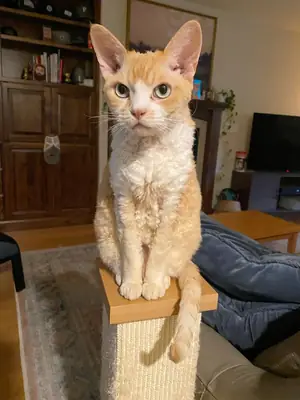
The Oregon Rex is a unique and rare cat breed known for its distinctive curly coat and playful nature. This guide explores the breed's specific characteristics, including its coat varieties and activity needs, providing valuable insights for potential adopters.
1. Breed Identity & Standards
The Oregon Rex is a fascinating breed that originated in the United States, specifically in Oregon, during the mid-20th century. This breed is now considered extinct, but it was known for its unique curly coat caused by a natural genetic mutation. Oregon Rex cats were small to medium-sized, typically weighing between 6 to 10 pounds (2.7 to 4.5 kg) and standing about 8 to 10 inches (20 to 25 cm) tall at the shoulder. The breed featured a soft, wavy coat that came in a variety of colors and patterns, including solid, tabby, and bicolor.
| Trait | Typical Value | Why it Matters |
|---|---|---|
| Origin Country | United States | Understanding the origin helps trace breed characteristics. |
| Weight Range | 6-10 lbs (2.7-4.5 kg) | Indicates the typical size of the breed. |
| Coat Variety | Curly, various colors | Unique feature of the breed. |
2. Temperament & Instincts
The Oregon Rex was known for its playful and affectionate nature. These cats were highly social and enjoyed interacting with their human companions, often following them around the house. Their history as a pet breed without specific working duties contributed to their easygoing temperament. Oregon Rex cats were also curious and intelligent, often engaging in interactive play and puzzle-solving activities.
Despite their social nature, Oregon Rex cats were also quite independent, capable of entertaining themselves if needed. They generally got along well with other pets and were known to be gentle with children, making them suitable for family environments. The breed's natural curiosity meant they could occasionally get into mischief, so providing mental stimulation was important to keep them content.
3. Daily Activity / Enrichment Needs by Life Stage
Oregon Rex cats required regular enrichment to maintain their physical and mental health. Their activity levels varied with age, but they generally enjoyed a mix of play and exploration.
| Life Stage | Target | Notes |
|---|---|---|
| Kitten | 30-60 minutes daily | Focus on interactive toys and social play. |
| Adult | 20-40 minutes daily | Include puzzle toys to stimulate intelligence. |
| Senior | 15-30 minutes daily | Gentle play to maintain mobility. |
4. Purchase / Adoption Price Framework
Adopting or purchasing an Oregon Rex, despite its rarity, offers a range of costs depending on the source. While the breed is no longer actively bred, similar curly-coated cats may be found through rescues or mixed-breed adoptions.
| Source | Price Range (USD) | Notes |
|---|---|---|
| Rescue/Adoption | $75 - $200 | Includes basic health checks. |
| Private Breeder | $800 - $1,500+ | For similar Rex breeds, often health-tested. |
| Mixed/Curly Coated | $50 - $150 | Adopted from shelters. |
5. First-Year Setup + Monthly Running Cost
Owning an Oregon Rex or a similar breed involves initial setup costs and ongoing monthly expenses. These costs include essentials for maintaining health and happiness.
| Item | First-Year Cost (USD) | Monthly Cost (USD) |
|---|---|---|
| Neutering/Spaying | $100 - $250 | - |
| Vaccinations | $75 - $150 | - |
| Food | $200 - $350 | $20 - $40 |
| Litter & Supplies | $100 - $150 | $10 - $20 |
| Scratching Posts | $50 - $100 | - |
Total first-year cost: $525 - $1,000. Monthly cost: $30 - $60.
6. Nutrition by Life Stage
Proper nutrition is crucial for maintaining the health and vitality of an Oregon Rex cat. Their diet should be tailored to their life stage.
| Life Stage | Dietary Needs | Notes |
|---|---|---|
| Kitten | High protein, DHA-enriched | Supports growth and brain development. |
| Adult | Balanced diet, moderate protein | Maintains energy levels and body condition. |
| Senior | Low-calorie, joint support | Prevents obesity and supports joint health. |
7. Grooming / Coat & Hygiene Care
The Oregon Rex's curly coat required minimal grooming compared to other breeds. Their lack of an undercoat meant they shed less, which could be beneficial for individuals with mild allergies. Regular brushing once a week was typically sufficient to prevent matting and maintain coat health. Additionally, routine nail trimming and dental hygiene were important to prevent common feline health issues.
Bathing was rarely necessary unless the cat got into something messy, as their coat naturally repelled dirt. However, regular ear cleaning and attention to dental health were essential components of their grooming routine.
8. Health
While the Oregon Rex itself is no longer bred, potential adopters of similar Rex breeds should be aware of specific health concerns. Ethical breeders and shelters often screen for these issues to ensure the overall well-being of the cats.
- Hypertrophic Cardiomyopathy (HCM)
- Patellar Luxation
- Progressive Retinal Atrophy (PRA)
Regular veterinary check-ups and screenings for these conditions are recommended. Veterinary costs for routine care and potential treatments can range from $200 to $500 annually.
9. Training / Behaviour Priorities
For Oregon Rex cats and similar breeds, focusing on socialization and enrichment is key. These cats benefit from early socialization to ensure they are comfortable with various environments and people. Providing plenty of interactive toys and activities helps to engage their intelligent and curious nature.
Training should also include litter box habits and appropriate scratching behavior. Using positive reinforcement techniques, such as treats and praise, can effectively encourage desired behaviors.
10. Home Environment Fit
The Oregon Rex and similar Rex cats are highly adaptable and do well in various living environments, including apartments and homes with limited space. Their size and independent nature make them suitable for indoor living, although they enjoy having access to windows or safe outdoor enclosures for enrichment.
These cats generally get along well with other pets, including dogs and other cats, and are typically gentle with children. However, as with any pet, supervised interactions are recommended to ensure safety and harmony.
11. Lifestyle Fit Matrix
| Lifestyle | Fit Verdict | Reason |
|---|---|---|
| Single Adult | Good | Independent but enjoys companionship. |
| Family with Children | Excellent | Gentle and playful with kids. |
| Busy Professionals | Moderate | Low maintenance but needs enrichment. |
| Pet-Friendly Apartment | Excellent | Adaptable to smaller spaces. |
12. Breeder / Shelter / Adoption Checklist
- Verify the cat's medical history and current vaccinations.
- Check for any hereditary health screenings.
- Observe the cat's temperament and socialization level.
- Inquire about the cat's diet and feeding schedule.
- Ensure the breeder or shelter provides a clean and caring environment.
- Ask about any special care needs or grooming requirements.
13. FAQ
Does the Oregon Rex shed?
No, the Oregon Rex is known for having a low-shedding coat due to its lack of an undercoat, making it potentially suitable for people with mild allergies.
Are Oregon Rex cats good with children?
Yes, Oregon Rex cats are generally gentle and playful, making them well-suited for families with children. Supervised interactions are still recommended.
What health issues are common in Rex breeds?
Common health issues in Rex breeds include Hypertrophic Cardiomyopathy (HCM), Patellar Luxation, and Progressive Retinal Atrophy (PRA). Regular veterinary check-ups can help manage these risks.
Is the Oregon Rex suitable for apartment living?
Yes, the Oregon Rex is highly adaptable and can thrive in apartment settings. They enjoy having access to windows or safe outdoor enclosures for additional enrichment.
14. 2026 Note & Closing Verdict
As of 2026, while the Oregon Rex is no longer actively bred, understanding its characteristics provides valuable insights for those interested in similar curly-coated breeds. These cats' unique features and adaptable nature make them a delightful choice for a variety of households.
Who should adopt: Those who appreciate a playful, low-maintenance companion that enjoys interaction but can also entertain itself.
Who should not adopt: Individuals unable to provide regular mental stimulation or who are away from home for extended periods without enrichment for the cat.