Pixie Bob Cats: 2026 Guide to Temperament, Health & Costs
The Pixie Bob is a captivating breed known for its wild appearance and friendly demeanor. With origins tied to the Pacific Northwest, these cats exhibit unique physical traits and a dog-like personality. This guide delves into their characteristics, including health predispositions and lifestyle needs, making it essential reading for potential adopters.
1. Breed Identity & Standards
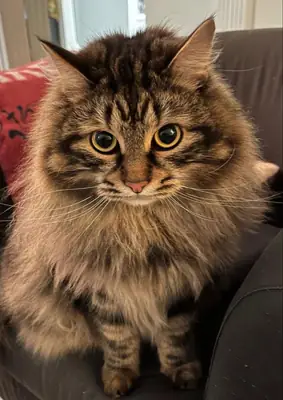
The Pixie Bob cat is a domestic breed that emerged in the United States, specifically in the Pacific Northwest, during the late 1980s. Its wild appearance is reminiscent of the North American bobcat, but it is entirely domestic in nature. Pixie Bobs are medium to large cats, with males typically weighing between 12 to 17 pounds (5.4 to 7.7 kg) and females from 8 to 12 pounds (3.6 to 5.4 kg). They usually stand about 9 to 13 inches (23 to 33 cm) tall at the shoulder.
Their coats can be short or long, with a dense, woolly undercoat and a spotted or ticked pattern. Pixie Bobs are known for their bobbed tails, which can vary in length, and their distinct tufted ears, giving them a lynx-like appearance. The breed's lifespan ranges from 13 to 15 years, which is typical for domestic cats. While they might be confused with other wild-looking breeds like the Bengal or Savannah, Pixie Bobs are unique in their genetic lineage and domestic nature.
| Trait | Typical Value | Why it Matters |
|---|---|---|
| Origin | USA (Pacific Northwest) | Rooted in American history; familiar with domestic settings. |
| Weight | 8-17 lbs | Varies by gender; medium to large size. |
| Coat | Short or long, spotted/ticked | Requires regular grooming depending on length. |
2. Temperament & Instincts
Pixie Bobs are often described as having a dog-like personality, which makes them unique among cat breeds. They are known for being highly social and can form strong bonds with their human companions. This breed tends to be outgoing and friendly, often greeting visitors with curiosity rather than fear. Their historical resemblance to bobcats does not translate into aggressive behavior; instead, Pixie Bobs are generally gentle and affectionate.
Despite their wild appearance, these cats have a moderate energy level. They enjoy interactive play and can be trained to perform tricks or walk on a leash. Pixie Bobs are also known for their vocalizations, which include chirps and chattering rather than loud meows. This vocal nature, combined with their social demeanor, makes them ideal companions for families and singles alike.
3. Daily Activity / Enrichment Needs by Life Stage
Pixie Bobs require regular physical and mental stimulation to thrive. Their activity needs can vary based on age and individual personality, but generally, they enjoy interactive play sessions and exploring their environment.
| Life Stage | Target | Notes |
|---|---|---|
| Kitten | 30-45 minutes daily | Engage with toys and interactive play to support development. |
| Adult | 20-30 minutes daily | Incorporate variety with toys and occasional leash walks. |
| Senior | 15-20 minutes daily | Gentle play and exploration to maintain mobility. |
4. Purchase/Adoption Price Framework
The cost of acquiring a Pixie Bob can vary significantly based on the source and whether the cat is pedigree or mixed. Potential owners should consider these factors when budgeting for a new pet.
| Source | Cost (USD) | Notes |
|---|---|---|
| Breeder (Pet Quality) | $500 - $1,500 | Prices vary with breeding lines and cat quality. |
| Breeder (Show Quality) | $1,500 - $3,000+ | Higher cost due to pedigree and potential show attributes. |
| Rescue/Adoption | $100 - $300 | More economical; supports shelters. |
5. First-Year Setup + Monthly Running Cost
Understanding the initial and ongoing costs of owning a Pixie Bob is crucial for prospective pet owners. These expenses can include setup costs for necessary supplies and monthly costs for food and healthcare.
| Item | Estimated Cost (USD) | Notes |
|---|---|---|
| Initial Setup (Neuter, Vaccines, Microchip) | $300 - $600 | Essential health requirements for all cats. |
| Litter Box, Scratching Post, Toys | $100 - $200 | Basic supplies for comfort and enrichment. |
| Monthly Food & Litter | $50 - $100 | Recurring costs; quality food is essential. |
| Annual Vet Visits | $100 - $200 | Covers routine check-ups and vaccinations. |
Yearly Total Range: $1,000 - $2,000
6. Nutrition by Life Stage
Pixie Bobs require a balanced diet tailored to their life stage, ensuring they receive the necessary nutrients to maintain their health and vitality.
| Life Stage | Dietary Needs | Notes |
|---|---|---|
| Kitten | High-calorie, protein-rich | Supports rapid growth and development. |
| Adult | Balanced diet, moderate calories | Maintains weight and energy levels. |
| Senior | Low-calorie, joint support | Prevents obesity and supports joint health. |
7. Grooming / Coat & Hygiene Care
The grooming needs of a Pixie Bob depend on the length of its coat. Short-haired Pixie Bobs require less frequent brushing than their long-haired counterparts, but both benefit from regular grooming to reduce shedding and prevent hairballs.
Brushing once a week is generally sufficient for short-haired Pixie Bobs, while long-haired varieties may need brushing two to three times a week. Regular nail trimming and dental care are also important to maintain overall health. Pixie Bobs are not hypoallergenic, so potential owners with allergies should spend time with the breed before adopting.
8. Health
While generally healthy, Pixie Bobs can be predisposed to certain hereditary conditions. Ethical breeders should test for and disclose any known health issues to potential owners. Regular veterinary care is essential to detect and manage these conditions early.
- Hypertrophic Cardiomyopathy (HCM) – A heart condition that should be monitored with regular vet check-ups.
- Cryptorchidism – A developmental issue more common in male cats.
- Obesity – Due to their size, Pixie Bobs may be prone to weight gain without proper diet and exercise.
Potential vet costs for these conditions can range from $200 to $1,000 annually, depending on the severity and treatment requirements.
9. Training / Behavior Priorities
Pixie Bobs benefit from early socialization and training to ensure they develop into well-adjusted adults. Litter box training is usually straightforward due to their natural instincts, but some may require guidance with scratching behavior.
Providing appropriate scratching posts and rewarding positive behavior are effective strategies. Socializing Pixie Bobs with other pets and family members helps to curb any potential shyness or territorial behavior. Consistent, positive reinforcement is key to successful training.
10. Home Environment Fit
Pixie Bobs are adaptable and can thrive in various living situations, including apartments and houses. They do well with families, singles, and seniors, provided they receive adequate attention and companionship. Their social nature allows them to coexist peacefully with other pets, including dogs and other cats.
However, due to their size and playful nature, they benefit from having access to ample space to explore and play. While Pixie Bobs can live indoors, providing them with a safe outdoor enclosure or supervised outdoor time can enhance their quality of life.
11. Lifestyle Fit Matrix
| Lifestyle | Fit Verdict | Reason |
|---|---|---|
| Busy Professionals | Moderate | Requires interaction but can handle some alone time. |
| Families with Children | Excellent | Social and tolerant; enjoys playing and bonding. |
| Retirees | Good | Affectionate and enjoys calm environments. |
| Active Singles | Excellent | Enjoys interactive play and companionship. |
| Multi-pet Households | Good | Generally gets along with other pets if introduced properly. |
12. Breeder / Shelter / Adoption Checklist
- Verify registration with reputable cat associations.
- Request health clearances for hereditary conditions like HCM.
- Visit the breeding facility to assess living conditions.
- Meet the kitten's parents if possible to gauge temperament.
- Ensure the kitten is properly socialized and handled daily.
- Confirm that vaccinations, deworming, and microchipping are up to date.
13. FAQ
Are Pixie Bobs good with children?
Yes, Pixie Bobs are known for their gentle and tolerant nature, making them excellent companions for children. They enjoy interactive play and can form strong bonds with younger family members.
Do Pixie Bobs require a lot of grooming?
Grooming needs depend on the coat length. Short-haired Pixie Bobs require weekly brushing, while long-haired ones may need more frequent grooming. Regular grooming helps manage shedding and prevent hairballs.
What is the average lifespan of a Pixie Bob?
Pixie Bobs typically live between 13 to 15 years. Providing a healthy diet, regular veterinary care, and a loving environment can help them reach their full lifespan.
Are Pixie Bobs hypoallergenic?
No, Pixie Bobs are not hypoallergenic. They produce the same allergens as other cat breeds, so potential owners with allergies should spend time with the breed before committing.
14. Closing Verdict
Pixie Bobs are an ideal choice for those seeking a cat with a unique appearance and a sociable, dog-like personality. They are well-suited to various living environments and can thrive in both single-pet and multi-pet households. However, their social nature means they do best in homes where they can receive plenty of attention and interaction.
Potential adopters should consider their capacity to meet the breed's social and grooming needs. Pixie Bobs are not for those seeking a low-maintenance pet, but they reward their owners with affection, companionship, and a touch of the wild.