Serengeti Cats: Comprehensive Guide for 2026 Adopters
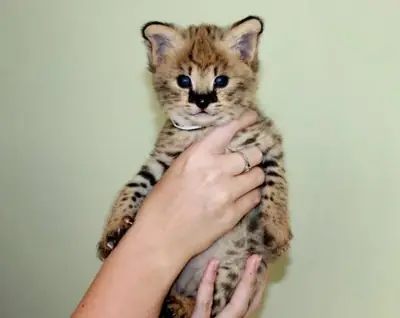
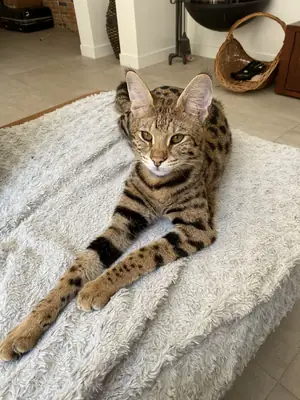
The Serengeti cat, known for its striking resemblance to the wild serval, is a domestic breed with a unique history and distinct characteristics. With its large ears and bold, spotted coat, the Serengeti is both a visual marvel and a lively companion. This guide explores everything from their active nature to their specific health needs, helping potential adopters make informed decisions.
1. Breed Identity & Standards
The Serengeti cat originated in the United States in the mid-1990s, bred by crossing Bengal cats with Oriental Shorthairs to achieve their wild look without using any actual wild genes. This breed typically weighs between 8 to 15 pounds (3.6 to 6.8 kg) and stands about 9 to 11 inches (23 to 28 cm) tall at the shoulder. The Serengeti is recognized for its short to medium-length coat with striking spots on a golden, gray, or black base. Their lifespan ranges from 10 to 15 years. They are often confused with Savannah cats, which have actual serval ancestry.
| Trait | Typical Value | Why it Matters |
|---|---|---|
| Origin | United States | Developed for a wild appearance without wild ancestry |
| Weight | 8-15 lbs (3.6-6.8 kg) | Medium size, manageable for most households |
| Coat | Spotted | Requires minimal grooming |
2. Temperament & Instincts
The Serengeti cat is renowned for its playful and inquisitive nature. Originating from breeds known for their energy and intelligence, the Serengeti inherits a high level of curiosity and a love for exploration. These cats are typically very interactive and enjoy engaging with their human companions. They are also known for a strong prey drive, which means they love to chase toys and can often be seen pouncing around the house.
Despite their active nature, Serengetis are also known for their vocal communication. They often express themselves with a range of vocalizations, making them a chatty companion. While they are generally affectionate, their independent streak can sometimes make them seem aloof. However, with proper socialization, they can become very attached and form strong bonds with their families.
3. Daily Activity / Enrichment Needs by Life Stage
Given their energetic nature, Serengeti cats require ample opportunities for play and mental stimulation throughout their lives. Kittens, in particular, need frequent play sessions to burn off their boundless energy, while adults benefit from interactive toys and climbing structures to keep them entertained.
| Life Stage | Target | Notes |
|---|---|---|
| Kitten | 3-4 play sessions daily | Engage with toys that mimic prey to satisfy hunting instincts |
| Adult | 2-3 play sessions daily | Provide variety in toys and activities to keep them mentally stimulated |
| Senior | 1-2 gentle play sessions daily | Focus on low-impact activities to maintain mobility |
4. Purchase/Adoption Price Framework
Serengeti cats are a relatively rare breed, which can influence their price on the market. Prices can vary significantly depending on whether you're purchasing from a breeder, adopting from a rescue, or considering a rehoming situation.
| Source | Price Range (USD) | Notes |
|---|---|---|
| Breeder | $600 - $2,000+ | Health-tested and pedigree lines are more expensive |
| Rescue/Adoption | $100 - $300 | Typically includes initial veterinary costs |
| Rehoming | $50 - $200 | Varies based on individual circumstances |
5. First-Year Setup + Monthly Running Cost
Owning a Serengeti cat involves initial setup costs and ongoing monthly expenses. Planning for these costs can help ensure a comfortable life for your new feline friend.
| Item | Cost Range (USD) | Notes |
|---|---|---|
| Neutering/Spaying | $100 - $300 | One-time procedure, varies by location |
| Vaccinations | $75 - $150 | Essential for health maintenance |
| Microchipping | $25 - $50 | Important for identification |
| Litter Box & Scratching Post | $50 - $100 | Necessary for a comfortable home environment |
| Monthly Food & Litter | $40 - $80 | Depends on dietary preferences and litter choice |
| Yearly Total | $800 - $1,500 | Includes all setup and regular costs |
6. Nutrition by Life Stage
Nutrition plays a crucial role in maintaining the health and vitality of a Serengeti cat. Their diet should be tailored to their life stage, ensuring they receive the appropriate nutrients for growth and maintenance.
| Life Stage | Recommended Diet | Notes |
|---|---|---|
| Kitten | High-protein kitten food | Supports rapid growth and development |
| Adult | Balanced adult cat food | Maintains energy levels and overall health |
| Senior | Senior-formulated diet | Supports joint health and reduces calorie intake |
7. Grooming / Coat & Hygiene Care
The Serengeti cat's short coat is relatively low-maintenance, requiring only weekly brushing to remove loose hair and reduce shedding. Despite their minimal grooming needs, maintaining their dental and nail health is essential.
Regular dental care is crucial, as cats are prone to periodontal disease if their teeth are not kept clean. Providing dental treats or using a cat-friendly toothbrush can help maintain oral hygiene. Additionally, their nails should be trimmed every few weeks to prevent overgrowth and discomfort.
8. Health
Serengeti cats are generally healthy, but there are a few conditions to be aware of due to their genetic lineage. Ethical breeders will often screen for these conditions to ensure the health of their kittens.
- Hypertrophic Cardiomyopathy (HCM): A heart condition that can be monitored through regular veterinary check-ups.
- Progressive Retinal Atrophy (PRA): A degenerative eye disorder that can lead to blindness.
- Joint Issues: Some cats may develop arthritis as they age, requiring management for mobility.
Regular veterinary check-ups are essential to catch any potential health issues early. Costs for routine vet visits in the United States can range from $50 to $100 per visit.
9. Training / Behaviour Priorities
While cats are not typically "trained" in the traditional sense, Serengetis benefit from certain behavior-focused training to ensure they integrate well into the household. Litter box training is essential and generally straightforward with this intelligent breed. Encouraging appropriate scratching behavior by providing scratching posts can prevent damage to furniture.
Socialization is also important, especially if you have other pets or young children. Introducing new experiences gradually and positively can help your Serengeti become a well-adjusted member of the family.
10. Home Environment Fit
The Serengeti cat can adapt to various living situations, but they thrive in environments where they have room to explore and play. While they can live in apartments, providing vertical spaces like cat trees can help satisfy their climbing instincts.
They generally get along well with other cats and can coexist with dogs if introduced properly. As for children, Serengetis are known to be tolerant and can enjoy playtime with respectful kids. However, due to their energetic nature, supervision is recommended to ensure positive interactions.
11. Lifestyle Fit Matrix
| Lifestyle | Fit Verdict | Reason |
|---|---|---|
| Active Individuals | Highly Suitable | Enjoys play and interaction |
| Busy Professionals | Moderately Suitable | Requires interactive toys for solo play |
| Families with Children | Suitable | Tolerant and playful with kids |
| Single Pet Households | Highly Suitable | Forms strong bonds with owners |
12. Breeder / Shelter / Adoption Checklist
- Verify the cat's pedigree and ensure it is not a serval hybrid.
- Request health screenings for HCM and PRA.
- Ensure the kitten has been well-socialized.
- Check vaccination records and ensure they are up to date.
- Visit the breeding facility or shelter to assess conditions.
- Discuss any behavioral or health concerns with the breeder or shelter staff.
13. FAQ
How much does a Serengeti cat shed?
Serengeti cats generally shed moderately due to their short coat. Regular weekly brushing can help manage loose hairs and reduce shedding around the home.
Are Serengeti cats good for apartment living?
While they can adapt to apartment living, Serengetis thrive with ample space to explore. Providing vertical spaces like cat trees and interactive toys can help satisfy their active nature in smaller environments.
Do Serengeti cats get along with other pets?
Serengeti cats can coexist well with other cats and dogs if introduced gradually and positively. Their social nature makes them generally good companions for other pets, provided introductions are managed carefully.
What are common health concerns in Serengeti cats?
Common health concerns include Hypertrophic Cardiomyopathy (HCM) and Progressive Retinal Atrophy (PRA). Regular veterinary check-ups and screenings can help detect and manage these conditions early.
Is the Serengeti cat hard to train?
Serengetis are intelligent and can learn routines and behaviors relatively quickly. Litter training is usually straightforward, and with proper motivation, they can also learn tricks and commands.