Singapura Cats 2026: Temperament, Pricing & Health Essentials for Adopters
The Singapura cat, known for its small stature and captivating eyes, offers a unique blend of playfulness and affection. Prospective owners will appreciate its minimal grooming needs and compatibility with various living situations.
1. Breed Identity & Standards
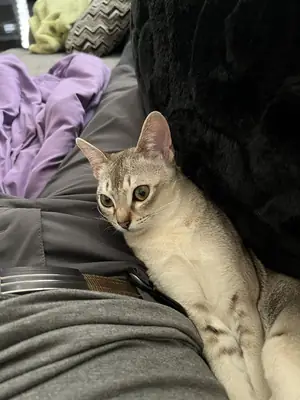
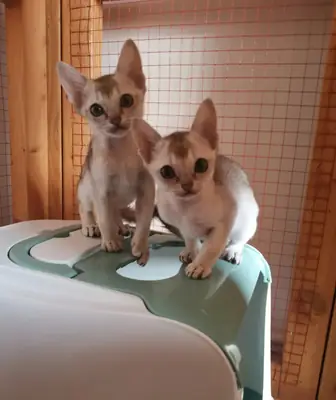
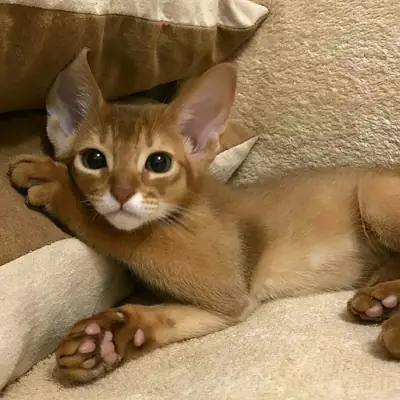
Originating from the streets of Singapore, the Singapura is recognized as one of the smallest domesticated cat breeds. With its origins linked to local street cats, the breed gained recognition in the 1970s and is now cherished for its petite size and engaging personality. Adult Singapuras typically weigh between 2.7 to 3.6 kg (6 to 8 lbs) and stand around 15 to 20 cm (6 to 8 inches) tall. The breed's coat is short and lies close to the body, with a distinct sepia-toned agouti ticked tabby pattern that contributes to its exotic appearance. Their large, almond-shaped eyes are typically hazel, green, or yellow.
| Trait | Typical Value | Why it Matters |
|---|---|---|
| Origin | Singapore | Reflects its adaptive street cat heritage. |
| Weight | 2.7–3.6 kg | Small size ideal for apartment living. |
| Coat | Short, sepia agouti | Low maintenance due to minimal shedding. |
| Lifespan | 12–16 years | Average lifespan for a healthy cat. |
2. Temperament & Instincts
The Singapura is renowned for its sociable and playful nature, often described as a perpetual kitten. These cats thrive on interaction and are known to form strong bonds with their human companions. They exhibit a keen curiosity and a playful demeanor, often engaging in antics that entertain their owners. While they are not overly vocal, they do communicate with gentle chirps and purrs, making them delightful companions for those who enjoy a quieter pet.
Despite their small stature, Singapuras are energetic and enjoy interactive play. Their street cat origins contribute to their adaptability and intelligence, making them adept at problem-solving and exploration. This breed typically exhibits a lower prey drive compared to other cats, which can make them more compatible with smaller pets when properly introduced.
3. Daily Activity & Enrichment Needs by Life Stage
Singapuras require regular mental and physical stimulation to maintain their health and happiness. Providing a variety of toys and engaging in daily interactive play sessions will fulfill their needs.
| Life Stage | Target | Notes |
|---|---|---|
| Kitten | 30–60 minutes/day | Frequent short play sessions to develop their agility and social skills. |
| Adult | 45–60 minutes/day | Interactive play to maintain physical health and prevent boredom. |
| Senior | 30 minutes/day | Gentler play to keep them active and engaged. |
4. Purchase/Adoption Price Framework
The cost of acquiring a Singapura cat can vary widely depending on the source and the cat's lineage. While pedigree kittens from reputable breeders may command higher prices, adopting from a shelter or rescue can be a more affordable option.
| Source | Price Range (USD) | Notes |
|---|---|---|
| Breeder | $1,200–$2,500+ | Higher cost reflects pedigree and health testing. |
| Rescue/Adoption | $75–$150 | Adoption fees often include vaccinations and spaying/neutering. |
5. First-Year Setup & Monthly Running Cost
Owning a Singapura involves initial and ongoing costs for care and maintenance. It's important to budget for both setup and monthly expenses.
| Item | Cost (USD) | Notes |
|---|---|---|
| Initial Veterinary Care | $150–$300 | Includes initial vaccinations and health checks. |
| Neutering/Spaying | $100–$200 | One-time cost for surgery. |
| Litter Box & Accessories | $40–$100 | Essential for indoor cats. |
| Scratching Post | $20–$50 | Helps maintain claws and prevent furniture damage. |
| Monthly Food & Supplies | $30–$60 | High-quality cat food and litter. |
Estimated First-Year Total: $500–$1,000
6. Nutrition by Life Stage
Singapura cats require a balanced diet tailored to their life stage to ensure optimal health and longevity.
| Life Stage | Dietary Needs | Notes |
|---|---|---|
| Kitten | High-protein, high-energy | Supports growth and development. |
| Adult | Balanced diet | Maintain weight and energy levels. |
| Senior | Low-calorie, joint-support | Prevent obesity and support joint health. |
7. Grooming / Coat & Hygiene Care
The Singapura's short, fine coat requires minimal grooming, making it a low-maintenance option for busy owners. Weekly brushing is sufficient to remove loose hairs and keep the coat looking its best. Regular nail trimming and dental care are essential to prevent health issues. Despite their short coat, Singapuras can be prone to periodontal disease, so regular dental check-ups are recommended.
8. Health
While Singapura cats are generally healthy, they have some breed-specific health considerations. Responsible breeders should screen for common conditions and provide health guarantees.
- Progressive Retinal Atrophy (PRA): A genetic condition affecting vision over time.
- Pyruvate Kinase Deficiency (PKD): An inherited enzyme deficiency that can lead to anemia.
- Obesity: Due to their small size, maintaining a healthy weight is crucial.
Vet check-ups typically range from $50 to $150 per visit, with additional costs for specific tests or treatments.
9. Training / Behaviour Priorities
Training a Singapura cat primarily involves socialization and ensuring they adapt well to household dynamics. Early exposure to various environments, people, and pets will help cultivate a well-adjusted adult cat. Litter box training is typically straightforward, given their clean nature. Providing appropriate outlets for scratching and climbing will prevent unwanted behaviors.
10. Home Environment Fit
Singapura cats adapt well to various living environments, including apartments and houses. Their small size and low activity level make them ideal for indoor living, though they enjoy safe outdoor exploration if space permits. They are generally good with children, cats, and other pets, provided introductions are managed properly. Their sociable nature means they should not be left alone for long periods.
11. Lifestyle Fit Matrix
| Lifestyle | Fit Verdict | Reason |
|---|---|---|
| Single, Urban | High | Adapts well to apartment living and enjoys companionship. |
| Family with Children | High | Sociable and playful, good with kids. |
| Frequent Traveler | Low | Requires regular interaction and may suffer from loneliness. |
| Owner with Other Pets | Medium | Generally tolerant, but requires proper introductions. |
12. Breeder / Shelter / Adoption Checklist
- Verify the source's reputation and ethical standards.
- Request health screening results for PRA and PKD.
- Ensure the kitten or cat is socialized and healthy.
- Check vaccination and deworming records.
- Visit the facility to observe the conditions and cat behavior.
- Discuss any guarantees or return policies.
13. FAQ
Do Singapura cats shed a lot?
Singapura cats have a short, fine coat that sheds minimally. Regular weekly brushing can help manage shedding and keep their coat healthy.
Are Singapura cats good with children?
Yes, Singapura cats are known for their affectionate and playful nature, making them excellent companions for children. Supervised interactions are recommended.
What is the lifespan of a Singapura cat?
Singapura cats generally live between 12 to 16 years, though with proper care, they can live even longer. Regular veterinary check-ups contribute to a healthy lifespan.
Are Singapura cats hypoallergenic?
No cat breed is truly hypoallergenic. However, Singapuras may produce fewer allergens due to their short coat. Allergy sufferers should spend time with the breed before adopting.
14. 2026 Note & Closing Verdict
As of 2026, the Singapura remains a beloved choice for those seeking a small, affectionate, and playful companion. They require minimal grooming but thrive in homes where they receive plenty of interaction.
Who should adopt a Singapura? Ideal for individuals or families looking for a sociable pet that enjoys companionship and playful interaction.
Who should reconsider? Those frequently away from home or unable to provide regular interaction may find this breed's social needs challenging.