Snowshoe Cats 2026: Temperament, Price, and Health Insights for Your New Feline Friend
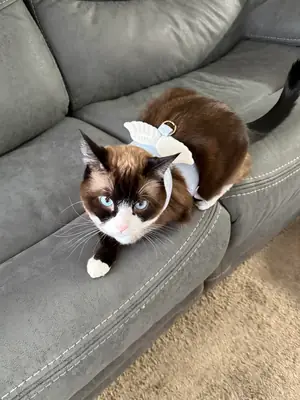
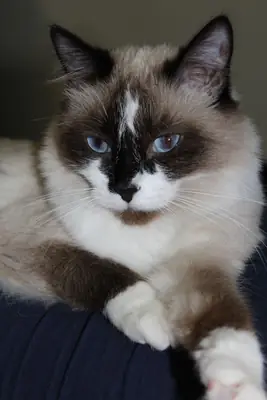
The Snowshoe cat is a unique blend of striking appearance and amiable personality. Known for their distinctive white paws and vibrant blue eyes, these cats also exhibit robust health and sociable nature. This guide delves into the specific traits, care needs, and adoption considerations for the Snowshoe breed.
1. Breed identity & standards
The Snowshoe cat originated in the United States during the 1960s when a Siamese breeder noticed kittens with white paws. This accidental mix of Siamese and American Shorthair led to the development of the Snowshoe, characterized by its medium size, muscular build, and distinctive coat patterns.
| Feature | Typical Value | Why It Matters |
|---|---|---|
| Origin | United States | Reflects the breed's relatively recent development and hybrid vigor. |
| Size | Medium; 9-12 lbs (4-5.5 kg) | Fits well in various living environments, including apartments. |
| Coat | Short to medium, bi-color or pointed | Low maintenance but distinctive appearance. |
| Lifespan | 12-15 years | A long lifespan with proper care and regular veterinary check-ups. |
2. Temperament & instincts
Snowshoe cats are renowned for their friendly and social demeanor. Unlike their Siamese relatives, they are typically less vocal, although they do enjoy communicating with their owners. This breed often forms strong bonds with their human families, displaying loyalty and affection reminiscent of a dog's behavior.
With a moderate energy level, Snowshoe cats enjoy interactive play sessions and puzzle toys that challenge their intelligence. They exhibit a playful nature well into adulthood, making them excellent companions for families and individuals alike. Their social instincts also mean they generally get along well with other pets.
3. Daily activity / enrichment needs by life stage
| Life Stage | Target Activity | Notes |
|---|---|---|
| Kitten | 3-4 play sessions daily | Encourages healthy development and bonding. |
| Adult | 2-3 interactive sessions daily | Maintains physical and mental health. |
| Senior | 1-2 gentle playtimes daily | Adjusts for reduced energy while providing stimulation. |
4. Purchase/adoption price framework
| Option | Price Range (USD) | Details |
|---|---|---|
| Adoption | $75 - $150 | Typically includes initial vaccinations and spaying/neutering. |
| Breeder | $600 - $1,200+ | Higher for show-quality or health-tested lines. |
5. First-year setup + monthly running cost
| Item | Cost (USD) | Notes |
|---|---|---|
| Initial Veterinary Care | $150 - $300 | Includes vaccinations and spaying/neutering. |
| Microchip | $35 - $50 | Provides permanent identification. |
| Litter Box & Accessories | $50 - $100 | Essential for indoor cats. |
| Monthly Food & Litter | $30 - $50 | Quality diet and regular litter changes. |
| Annual Total | $700 - $1,200 | Includes all necessary expenses for the first year. |
6. Nutrition by life stage
| Life Stage | Dietary Needs | Notes |
|---|---|---|
| Kitten | High protein, high fat | Supports rapid growth and development. |
| Adult | Balanced protein, moderate fat | Maintains optimal health and weight. |
| Senior | Reduced calories, higher fiber | Helps manage weight and digestive health. |
7. Grooming / coat & hygiene care
The Snowshoe's short to medium-length coat is relatively low maintenance. Weekly brushing is usually sufficient to remove loose hairs and reduce shedding. Despite their Siamese ancestry, Snowshoes are not heavy shedders, which is appreciated by many owners. Regular dental care and nail trimming are also recommended.
Owners should monitor for potential hairballs, especially during seasonal shedding periods, and provide appropriate remedies as needed. Additionally, regular cleaning of the ears and teeth can help prevent common feline issues like gingivitis and ear infections.
8. Health
- Hypertrophic Cardiomyopathy (HCM): Genetic screening is recommended as this heart disease can affect some individuals.
- Gingivitis: Regular dental check-ups can help prevent this common issue.
- Obesity: Monitoring diet and ensuring regular exercise can help mitigate risk.
While generally healthy, Snowshoes can be prone to certain conditions. Regular veterinary visits are crucial to maintain their overall health. Expect annual vet costs to range from $100 to $300 depending on the individual's health needs.
9. Training / behaviour priorities
Litter training is typically straightforward with Snowshoe cats, as they are intelligent and eager to please. Providing scratching posts is essential to prevent furniture damage and to satisfy their natural instincts. Additionally, early socialization is beneficial, especially if they will share their home with other pets.
Interactive play not only keeps them physically fit but also mentally stimulated, which can help reduce the likelihood of behavioral issues. Positive reinforcement training methods work best with this affectionate and social breed.
10. Home environment fit
Snowshoe cats adapt well to various living situations, including apartments and larger homes. Their moderate energy levels make them suitable for indoor living, but they appreciate spaces where they can explore and climb. They generally coexist well with children and other pets, provided introductions are handled carefully.
While they are not escape artists, ensuring window screens are secure is a prudent measure. These cats thrive on interaction, so homes where they receive ample attention are ideal.
11. Lifestyle fit matrix
| Lifestyle | Fit Verdict | Reason |
|---|---|---|
| Single Professionals | Good | Adaptable and not overly demanding. |
| Families with Children | Excellent | Playful and tolerant with children. |
| Pet-Heavy Households | Very Good | Sociable and generally accepts other pets. |
| Senior Citizens | Good | Affectionate and not overly energetic. |
12. Breeder / shelter / adoption checklist
- Verify the health history of the kitten and its parents.
- Ensure the cat is properly vaccinated and dewormed.
- Request genetic screening results for common conditions.
- Check the socialization status of the cat.
- Visit the breeder’s facility or shelter to see living conditions.
- Discuss the return policy in case the adoption doesn’t work out.
13. FAQ
Do Snowshoe cats shed a lot?
Snowshoe cats have a short to medium-length coat that requires minimal grooming. They do shed, but not excessively. Regular brushing can help manage shedding and keep their coat healthy.
Are Snowshoe cats good with children?
Yes, Snowshoe cats are known for their playful and gentle nature, making them excellent companions for children. They generally enjoy interactive play and can form strong bonds with young family members.
How vocal are Snowshoe cats?
While they are descendants of the vocal Siamese, Snowshoe cats tend to be less chatty. They do communicate with their owners but are not as demanding or loud as some other breeds.
What common health issues affect Snowshoe cats?
Snowshoe cats are generally healthy but can be prone to Hypertrophic Cardiomyopathy and dental issues like gingivitis. Regular veterinary check-ups are important to monitor and manage any potential health concerns.
14. Closing Verdict
The Snowshoe cat is an excellent choice for those seeking a sociable, intelligent, and affectionate pet. They are well-suited to families, singles, and older adults alike. Potential adopters should be prepared to offer ample attention and engage in regular play to keep this breed happy and healthy. While generally low-maintenance, routine veterinary care is crucial to ensure their long-term well-being. If you're looking for a cat that combines beauty, brains, and a loving nature, the Snowshoe might just be the perfect fit for you.