Somali Cats 2026: Temperament, Costs & Health Insights for Adopters
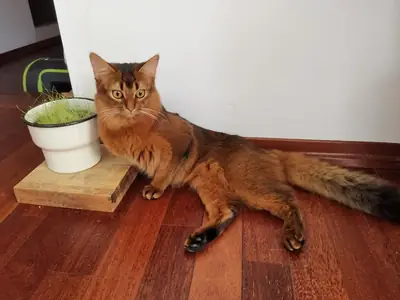
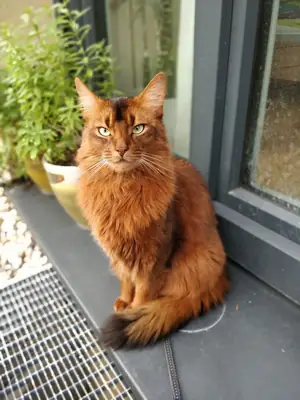
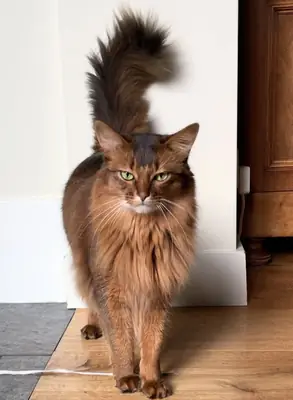
The Somali cat, often called the "fox cat" due to its bushy tail and striking appearance, is a breed rich in both history and personality. Known for their playful nature and luxurious semi-long coat, Somali cats require specific care and attention. This guide will explore their characteristics, health predispositions, and the financial aspects of owning one.
1. Breed Identity & Standards
Originating from the Abyssinian breed, the Somali cat is thought to have developed its distinctive long-haired coat due to a recessive gene. The breed's origin can be traced back to the 1940s in the United States, although its lineage is linked to cats from the Horn of Africa. Somali cats are medium-sized, typically weighing between 6 to 10 pounds (2.7 to 4.5 kg) and standing around 11 inches (28 cm) tall. They have a lifespan of 12 to 16 years. Their coat comes in four recognized colors: ruddy, red, blue, and fawn, each featuring a distinctive ticked pattern.
| Trait | Typical Value | Why It Matters |
|---|---|---|
| Origin | United States | Reflects its development from the Abyssinian breed. |
| Weight | 6-10 pounds | Indicates a manageable size for most homes. |
| Coat | Semi-long, ticked | Requires regular grooming to prevent mats. |
2. Temperament & Instincts
Somali cats are known for their exuberant energy and intelligence, making them highly interactive companions. Their playful nature is closely tied to their hunting instincts, a trait inherited from their Abyssinian ancestors. These cats enjoy games that mimic hunting, such as chasing toys or playing fetch. Despite their energetic personality, Somalis are also very affectionate and often form strong bonds with their human companions.
Although they are not typically vocal cats, Somali cats have a variety of ways to communicate, often using their expressive eyes and body language. They are generally sociable and get along well with other pets and children, making them a good choice for families. However, their independent streak means they also appreciate having space to explore and play independently.
3. Daily Activity / Enrichment Needs by Life Stage
Somali cats thrive on mental and physical stimulation. Their need for enrichment varies with age, requiring different levels of engagement through their life stages.
| Life Stage | Target | Notes |
|---|---|---|
| Kitten | 60 minutes/day | Variety of play to develop motor skills. |
| Adult | 30-45 minutes/day | Interactive toys and puzzles for mental stimulation. |
| Senior | 15-30 minutes/day | Gentle play to maintain mobility and interest. |
4. Purchase/Adoption Price Framework
The cost of acquiring a Somali cat can vary significantly depending on the source and the cat's lineage. Breeders may charge more for cats with show-quality pedigrees, while adoption fees from shelters are typically lower.
| Source | Price Range (USD) | Comments |
|---|---|---|
| Registered Breeder | $800-$1,500+ | Higher costs for pedigree and health testing. |
| Rescue/Adoption | $100-$300 | Lower fees and often include vaccinations and spay/neuter. |
5. First-Year Setup + Monthly Running Cost
Owning a Somali cat involves both initial setup costs and ongoing monthly expenses. Plan for these financial commitments to ensure proper care.
| Expense | First Year (USD) | Monthly (USD) |
|---|---|---|
| Neuter/Spay | $100-$200 | - |
| Vaccinations | $75-$150 | - |
| Litter Box & Supplies | $50-$125 | $15-$25 |
| Food | $200-$400 | $20-$50 |
| Scratching Post | $30-$60 | - |
| Annual Total | $1,100-$1,700 | $35-$75 |
6. Nutrition by Life Stage
Somali cats require a balanced diet tailored to their life stage to maintain their health and vitality.
| Life Stage | Diet Type | Notes |
|---|---|---|
| Kitten | High-protein kitten food | Promotes growth and development. |
| Adult | Balanced adult cat food | Maintains energy and health. |
| Senior | Senior-specific formula | Supports aging joints and digestion. |
7. Grooming / Coat & Hygiene Care
The Somali's semi-long coat requires regular grooming to prevent mats and tangles. Weekly brushing is usually sufficient, though more frequent grooming may be needed during seasonal shedding periods. Their coat's unique ticked pattern means they don't shed as heavily as some other long-haired breeds, but they do need consistent attention.
In addition to coat care, regular dental hygiene is important to prevent periodontal disease. Brushing their teeth weekly, along with providing dental treats, can help maintain oral health. Nail trimming and ear cleaning should also be part of the routine grooming regimen.
8. Health
Somali cats are generally healthy, but they are predisposed to certain hereditary conditions. It is important for prospective owners to be aware of these potential health issues and to seek cats from breeders who test for common conditions.
- Progressive Retinal Atrophy (PRA): A genetic condition leading to blindness.
- Renal Amyloidosis: A kidney disorder that can affect function over time.
- Patellar Luxation: A condition where the kneecap dislocates, causing lameness.
Routine veterinary check-ups, including screenings for these conditions, can help manage health concerns. Costs for these screenings and potential treatments can vary, with veterinary visits ranging from $50-$150 per visit.
9. Training / Behaviour Priorities
Training a Somali cat involves more than just basic litter box habits. Due to their intelligence and curiosity, they benefit greatly from positive reinforcement training methods. Clicker training and puzzle feeders can keep their minds active and engaged.
Encouraging appropriate scratching behavior is also crucial. Providing a variety of scratching posts and redirecting if they scratch furniture can help maintain household harmony. Socialization from a young age ensures they are well-adjusted and comfortable with various environments and people.
10. Home Environment Fit
Somali cats are quite adaptable but thrive best in environments where they can explore and play. While they can live in apartments, providing vertical space such as cat trees can help satisfy their need for climbing and exploration. They generally get along well with children and other pets if properly introduced and socialized.
For outdoor access, a safe and secure environment is crucial, as their curious nature might lead them into potentially dangerous situations. Indoor enrichment is essential if outdoor access is limited.
11. Lifestyle Fit Matrix
| Lifestyle | Fit Verdict | Reason |
|---|---|---|
| Active families | Excellent | Enjoys interaction and play with children. |
| Single professionals | Good | Thrives with attention but also independent. |
| Elderly owners | Moderate | Requires more active play than some seniors may prefer. |
| Multi-pet households | Excellent | Sociable and friendly with other pets. |
12. Breeder / Shelter / Adoption Checklist
- Verify health screenings for Progressive Retinal Atrophy (PRA).
- Check for renal health evaluations.
- Ensure vaccinations are up to date.
- Observe the kitten’s interaction with littermates.
- Ask about the cat's socialization process.
- Review the breeder’s or shelter’s contract and return policy.
13. FAQ
Do Somali cats shed a lot?
Somali cats have a semi-long coat with a unique ticked pattern that doesn't shed as heavily as some other long-haired breeds. Regular grooming helps manage shedding and maintain their coat's condition.
Are Somali cats good for apartments?
Yes, Somali cats can adapt to apartment living as long as they have sufficient mental and physical stimulation. Providing vertical space, such as cat trees, helps satisfy their climbing instincts.
What is the average lifespan of a Somali cat?
Somali cats typically live between 12 to 16 years. With proper care, a balanced diet, and regular veterinary check-ups, they can enjoy a long and healthy life.
Are Somali cats vocal?
Somali cats are not as vocal as some other breeds but are known for their expressive communication through body language and eye contact. They often use these methods to interact with their owners and express their needs.
14. Closing Note & Verdict
As we look to 2026 and beyond, the Somali cat remains a captivating choice for those seeking an engaging and affectionate feline companion. However, potential owners should be prepared for the grooming and enrichment needs that come with this breed. Somali cats are best suited to homes where they can receive ample attention, interaction, and care.
If you are an active individual or family looking for a playful and intelligent cat, the Somali may be the perfect fit. Conversely, if you prefer a more laid-back pet or have limited time for interactive play, consider whether you can meet the breed's energetic and social requirements.