Tennessee Rex 2026: Temperament, Health, and Adoption Tips for Future Owners
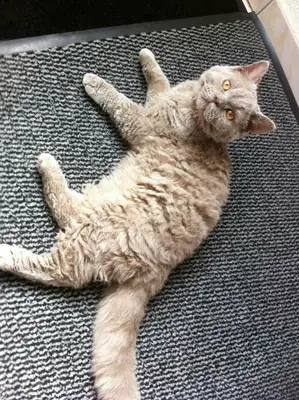
The Tennessee Rex is a relatively recent discovery in the feline world, distinguished by its striking curly coat and friendly demeanor. Known for its unique copper eyes and soft, plush fur, this breed offers an intriguing mix of beauty and charm.
1. Breed Identity & Standards
The Tennessee Rex is a domestic cat breed that originated in the United States, specifically from the state of Tennessee. This breed is recognized for its distinctive curly coat and striking copper-toned eyes, which set it apart from other domestic cat breeds. Typically, an adult Tennessee Rex weighs between 8 and 15 pounds (3.6 to 6.8 kg), with a body length ranging from 12 to 18 inches (30 to 45 cm), not including the tail.
Their coat is unique in its soft, plush texture, with curls that can vary in tightness. The coat colors can range widely, including tabby, tortoiseshell, and solid patterns. The Tennessee Rex does not have a strict breed standard yet due to its novelty, but breeders focus on maintaining its unique coat and eye features.
| Trait | Typical Value | Why it Matters |
|---|---|---|
| Origin | United States | Unique to Tennessee, reflecting its heritage. |
| Weight | 8-15 lbs (3.6-6.8 kg) | Average for domestic cats, manageable size for most homes. |
| Coat | Curly, plush | Distinctive texture, requires specific grooming care. |
2. Temperament & Instincts
The Tennessee Rex is known for its affectionate and sociable nature. These cats tend to form strong bonds with their human companions, often following them around the house and seeking attention. Despite their friendly nature, they can also be quite independent, enjoying time alone when their humans are busy.
Historically, domestic cats have been valued for their hunting instincts, and while the Tennessee Rex is no exception, they also exhibit a playful demeanor. This breed enjoys interactive play sessions that mimic hunting scenarios, such as chasing toys or pouncing. However, they are generally not overly vocal, making them suitable for quieter households.
3. Daily Activity / Enrichment Needs by Life Stage
Providing adequate enrichment is crucial for the well-being of a Tennessee Rex at any life stage. Their active nature means they thrive with regular interactive play and mental stimulation.
| Life Stage | Target | Notes |
|---|---|---|
| Kitten | 1-2 hours/day | Focus on developing coordination and social skills. |
| Adult | 30-60 mins/day | Interactive play and puzzle feeders are ideal. |
| Senior | 15-30 mins/day | Gentler play to maintain mobility and mental health. |
4. Purchase/Adoption Price Framework
The cost of adopting or purchasing a Tennessee Rex can vary significantly based on several factors including the cat's lineage, age, and the breeder's reputation.
| Source | Price Range | Notes |
|---|---|---|
| Breeder | $800 - $2,000 USD | Higher for show-quality cats or with unique features. |
| Rescue/Adoption | $50 - $200 USD | Typically includes initial vetting and spay/neuter. |
5. First-Year Setup + Monthly Running Cost
Owning a Tennessee Rex involves initial setup costs as well as ongoing monthly expenses to ensure their health and happiness.
| Item | Cost | Notes |
|---|---|---|
| Initial Vet Check | $100 - $200 USD | Includes vaccinations and health screening. |
| Neuter/Spay | $150 - $300 USD | Typically a one-time cost. |
| Monthly Food | $20 - $40 USD | Quality nutrition for optimal health. |
| Monthly Litter | $10 - $20 USD | Essential for hygiene and odor control. |
Yearly Total: $500 - $1,000 USD depending on medical needs and lifestyle choices.
6. Nutrition by Life Stage
A balanced diet is essential for the health of a Tennessee Rex, with adjustments needed as they age.
| Life Stage | Diet Type | Notes |
|---|---|---|
| Kitten | High-protein kitten formula | Supports growth and development. |
| Adult | Balanced adult formula | Maintains overall health and energy levels. |
| Senior | Senior diet with joint support | Helps manage aging-related health issues. |
7. Grooming / Coat & Hygiene Care
The Tennessee Rex's curly coat requires regular grooming to prevent matting and maintain its plush texture. Weekly brushing is recommended to remove loose hair and reduce the risk of hairballs. Despite their unique coat, Tennessee Rex cats are known to shed less than other breeds, which can be a benefit for allergy sufferers.
In addition to coat care, regular dental hygiene and nail trimming are important. Dental disease is a common issue in cats, so weekly tooth brushing is advised to prevent tartar buildup. Claws should be trimmed every few weeks to avoid overgrowth and potential injury.
8. Health
The Tennessee Rex, being a relatively new breed, doesn't yet have a comprehensive list of hereditary health issues, but prospective owners should be aware of some common feline conditions and discuss them with a veterinarian.
- Hypertrophic Cardiomyopathy (HCM): A heart condition that can be screened for by a vet.
- Dental Disease: Regular dental care is essential to prevent this common issue.
- Obesity: Manage weight through proper diet and exercise to avoid related health problems.
Prospective owners should ensure they acquire their cat from a reputable source that provides health guarantees and documentation.
9. Training / Behaviour Priorities
Training a Tennessee Rex should focus on establishing good litter habits and redirecting any undesirable scratching behavior. This breed is intelligent and can be trained to use scratching posts and litter boxes reliably. Socialization from a young age is also crucial to ensure they grow into well-adjusted adults. Providing a variety of toys and engaging in regular play sessions helps keep their active minds stimulated.
10. Home Environment Fit
The Tennessee Rex is adaptable to various living environments, including apartments and houses. However, they benefit from a space that allows for exploration and play. While they are generally good with children and other pets, introductions should be managed carefully to ensure smooth integration. Their playful and affectionate nature makes them an excellent choice for families or individuals looking for a companionable pet.
11. Lifestyle Fit Matrix
| Lifestyle | Fit Verdict | Reason |
|---|---|---|
| Single Person | Good | Enjoys companionship but can be independent. |
| Family with Kids | Excellent | Affectionate and playful nature is ideal for children. |
| Elderly | Moderate | May require more activity than some seniors prefer. |
| Active Households | Excellent | Thrives in environments with lots of interaction and play. |
12. Breeder / Shelter / Adoption Checklist
- Confirm the source: reputable breeder or shelter with a good track record.
- Request health screenings, particularly for HCM.
- Ask about the kitten's socialization and early environment.
- Ensure vaccinations are up to date.
- Visit the facility if possible to assess cleanliness and care quality.
- Check for a health guarantee or return policy.
13. FAQ
Does the Tennessee Rex shed a lot?
The Tennessee Rex is known to shed less than many other cat breeds, thanks to its unique curly coat. However, regular grooming is still necessary to keep the coat healthy and to minimize shedding further.
Is the Tennessee Rex suitable for apartment living?
Yes, the Tennessee Rex adapts well to apartment living. They are relatively quiet and do not require a large amount of space, although they do enjoy interactive play and mental stimulation.
What is the average lifespan of a Tennessee Rex?
The average lifespan of a Tennessee Rex is similar to other domestic cats, typically ranging from 12 to 16 years. Providing a balanced diet and regular veterinary care can help ensure a long, healthy life.
Are Tennessee Rex cats good with other pets?
Generally, Tennessee Rex cats are sociable and can get along well with other pets, including dogs and other cats. Proper introductions and socialization are key to establishing a harmonious household.
2026 Note and Closing Verdict
As of 2026, the Tennessee Rex continues to capture the hearts of cat lovers with its unique appearance and friendly nature. This breed is well-suited for families, singles, and those who appreciate an engaging and affectionate feline companion.
Prospective owners should consider adopting a Tennessee Rex if they are prepared to provide regular grooming and invest time in interactive play to keep their pet healthy and happy. Those looking for a low-maintenance pet might need to consider other options, as the Tennessee Rex thrives on human interaction and engagement.