Lavender Egger 2026: Understanding Temperament, Costs, and Health
The Lavender Egger is a captivating chicken breed, renowned for its stunning plumage and reliable egg production. This guide dives into the breed's origins, unique characteristics, and essential care requirements for prospective adopters.
1. Breed Identity & Standards
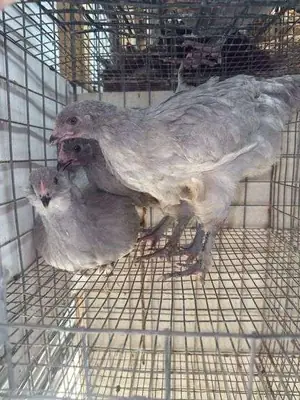
Lavender Eggers are a hybrid chicken breed developed primarily for high egg production and aesthetic appeal. They are not a recognized breed in the traditional sense but are valued for their prolific egg-laying capabilities and distinctive lavender-colored feathers. Lavender Eggers originate from crossbreeding various breeds, notably those with the lavender gene, resulting in their unique plumage.
| Trait | Typical Value | Why it Matters |
|---|---|---|
| Origin | Hybrid (various) | Offers genetic diversity and hybrid vigor |
| Size | Medium (2.5 - 3 kg) | Suitable for backyard coops |
| Egg Production | 250-300 eggs/year | High productivity |
| Coat Color | Lavender | Unique and attractive appearance |
| Lifespan | 5-8 years | Provides long-term companionship |
2. Temperament & Instincts
Lavender Eggers are known for their calm and docile nature, making them excellent companions for both novice and experienced poultry keepers. Their friendly disposition allows them to integrate well into mixed flocks, though they are generally non-aggressive and thrive in peaceful environments.
Despite their calm demeanor, Lavender Eggers are active foragers. Their instinctual behavior drives them to explore their surroundings, which can be beneficial for pest control in garden settings. They are not typically vocal, displaying a moderate level of noise, which can be an advantage for urban or suburban keepers concerned with noise ordinances.
3. Daily Activity / Enrichment Needs by Life Stage
Ensuring a stimulating environment is crucial for Lavender Eggers at all life stages. Their activity needs can be met by providing ample space for free-ranging and safe exploration.
| Life Stage | Target | Notes |
|---|---|---|
| Chick | Supervised exploration | Support development with safe, warm spaces |
| Pullet | Moderate foraging | Ensure secure area to prevent wandering |
| Adult | Active free-ranging | Provides natural enrichment and pest control |
| Senior | Gentle activity | Monitor for signs of fatigue or health issues |
4. Purchase/Adoption Price Framework
The cost of adopting a Lavender Egger can vary widely depending on the source, such as a breeder or a rescue organization. Prices also fluctuate based on the chicken's age and the region.
| Source | Price Range (USD) | Notes |
|---|---|---|
| Breeder | $15-$30+ | Higher for show-quality birds |
| Rescue | $5-$15 | Lower fees, often include health checks |
| Hatchery | $3-$10 per chick | Volume discounts may apply |
5. First-Year Setup + Monthly Running Cost
Proper setup and ongoing care are essential for maintaining healthy and happy Lavender Eggers. Initial costs involve housing and equipment, while monthly costs cover feed and regular healthcare.
| Item | Cost Range (USD) | Notes |
|---|---|---|
| Coop and Run | $200-$500 | Initial investment; ensure predator-proofing |
| Feed | $10-$20/month | Quality layer feed supports egg production |
| Bedding | $5-$15/month | Regular replacement maintains hygiene |
| Vet Visits | $50-$150/year | Annual check-ups recommended |
| Yearly Total | $400-$800 | Includes setup and running costs |
6. Nutrition by Life Stage
Proper nutrition is vital at each stage of a Lavender Egger's life, ensuring robust growth and high egg production.
| Life Stage | Diet | Notes |
|---|---|---|
| Chick | Starter feed (18-20% protein) | Supports rapid growth |
| Pullet | Grower feed (16-18% protein) | Transition phase for development |
| Layer | Layer feed (16% protein) | Calcium-rich for egg production |
| Senior | Maintained layer diet | May require supplements for joint health |
7. Grooming / Coat & Hygiene Care
Lavender Eggers require minimal grooming beyond regular maintenance to ensure their plumage remains healthy and vibrant. Providing dust baths is crucial for feather maintenance, allowing chickens to clean themselves naturally. Regular checks for external parasites such as mites and lice should be part of their care routine.
Trimming nails and beak as needed can prevent overgrowth and associated health issues. Dental care isn't applicable, but ensuring clean drinking water and a balanced diet supports overall health and feather quality.
8. Health
Lavender Eggers, like many hybrid chickens, generally benefit from hybrid vigor, which can reduce the prevalence of genetic health issues. However, they can still be susceptible to common poultry diseases and conditions. Vigilant health monitoring and proactive veterinary care are essential.
- Marek's Disease: Vaccination is recommended to prevent this viral disease.
- Coccidiosis: Maintain clean, dry living conditions to reduce risk.
- Respiratory Infections: Provide proper ventilation in coops.
- Egg Binding: Ensure adequate calcium in the diet to prevent.
Regular vet check-ups and vaccinations are advised, with costs typically ranging from $50 to $150 annually.
9. Training / Behaviour Priorities
While chickens are not trained in the same manner as dogs, Lavender Eggers can benefit from basic handling to ensure they remain tame and easy to manage. Regular interaction helps them stay accustomed to human presence, reducing stress during health checks or egg collection.
Encouraging natural foraging behaviors can also be beneficial. Providing a safe environment where chickens can explore and scratch helps maintain their natural instincts and promotes a healthy lifestyle. Training them to return to the coop at night can also ensure their safety from nocturnal predators.
10. Home Environment Fit
Lavender Eggers are adaptable to various living conditions, making them suitable for both urban and rural environments. They thrive in backyards with sufficient space for free-ranging but can adapt to confined conditions if provided with adequate enrichment and exercise opportunities.
Consideration should be given to neighbor proximity in urban settings, as while they are not particularly noisy, some sounds are inevitable. They generally coexist well with other chicken breeds and can be kept alongside other small livestock if introduced properly. Caution is advised if cats or dogs are present, as these animals might view chickens as prey without proper supervision and training.
11. Lifestyle Fit Matrix
| Lifestyle | Fit Verdict | Reason |
|---|---|---|
| Urban Apartment | Poor | Lack of outdoor space |
| Suburban Backyard | Good | Adequate space for free-ranging |
| Rural Homestead | Excellent | Ample space and natural foraging |
| Frequent Traveler | Poor | Needs consistent daily care |
| Family with Children | Good | Friendly and docile nature |
12. Breeder / Shelter / Adoption Checklist
- Verify the source: Ensure the breeder or shelter has a good reputation and can provide health records.
- Inspect living conditions: Chickens should be kept in clean, well-maintained environments.
- Ask about vaccination history: Essential for disease prevention.
- Observe the chickens: Look for active, alert birds with healthy plumage.
- Discuss care requirements: Ensure you understand the breed's needs.
- Consider your environment: Ensure you have the space and resources for proper care.
13. FAQ
Do Lavender Eggers lay colored eggs?
Yes, Lavender Eggers are known for laying eggs with a slightly tinted color, ranging from light brown to pinkish hues. This trait, combined with their prolific laying ability, makes them a popular choice for egg production.
Are Lavender Eggers good with other chickens?
Lavender Eggers generally get along well with other chickens due to their calm disposition. They can be integrated into mixed flocks without significant issues, provided there is enough space and resources to prevent competition.
How often do Lavender Eggers need vet check-ups?
Regular veterinary care is important for maintaining a healthy flock. Annual check-ups are recommended, along with any necessary vaccinations. Prompt attention to any signs of illness will help prevent more serious health problems.
What should I feed my Lavender Egger?
A balanced diet is essential for Lavender Eggers, consisting of a commercial layer feed that provides adequate protein and calcium. Supplements and treats can be given in moderation, but the base diet should always meet their nutritional needs.
14. Closing Verdict: Is the Lavender Egger Right for You?
The Lavender Egger is an excellent choice for those looking for a productive and visually appealing chicken breed. Their friendly nature and moderate care requirements make them suitable for families and hobbyists alike. However, potential owners should ensure they have adequate space and time to meet the breed's needs. For those ready to provide a loving home and proper care, Lavender Eggers can be a rewarding addition to any flock.